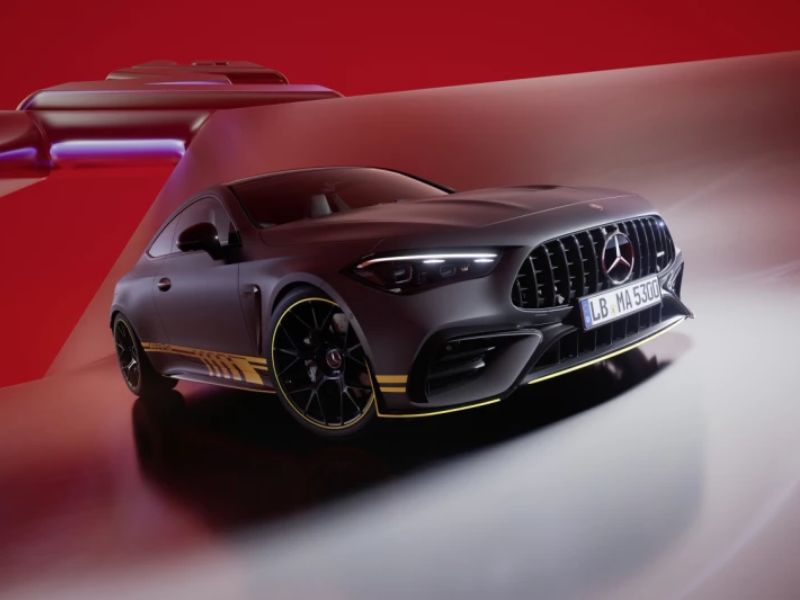

Mercedes-Benz
Mercedes-Benz and BMW have long stood as fierce rivals in the automotive world. Yet, the two iconic German brands may soon be linked in an unexpected way—by sharing engines.
Talks of Engine Sharing
According to Autocar UK, an insider at Mercedes disclosed that the company is in advanced discussions to use BMW’s four-cylinder petrol engines across several upcoming models. An official confirmation on whether this partnership will move forward is expected by the end of the year.
So, what pushed Mercedes to consider such an unusual step? The Stuttgart-based manufacturer, once adamant about eliminating combustion engines by the decade’s end, has been forced to reconsider. With electric vehicle adoption—particularly in the premium market—growing more slowly than anticipated, the company has scaled back its all-electric ambitions.
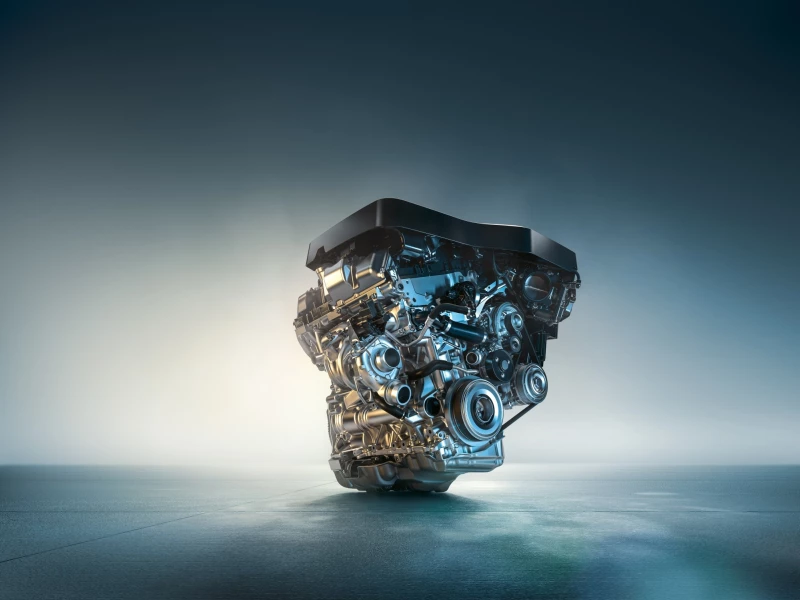
BMW
As Mercedes prepares to keep internal combustion engines in its lineup for at least another decade, it now faces gaps in its ability to produce enough ICE powertrains, especially for high-volume models such as the CLA-Class. This shortage may have led the automaker to turn to its historic competitor, BMW, for help.
Reports of a BMW Supply Deal
Reports first surfaced in Manager Magazin, which revealed that BMW could supply Mercedes with a new generation of petrol engines. These would potentially power a wide range of vehicles—from the CLA, GLA, and GLB to the C-Class, E-Class, GLC, and even the upcoming “Little G.”
The most likely candidate is BMW’s B48 turbocharged 2.0-liter inline-four engine. Sources suggest that Mercedes-Benz CEO Ola Källenius initiated talks with BMW more than a year ago, with both companies working since then to iron out technical details.
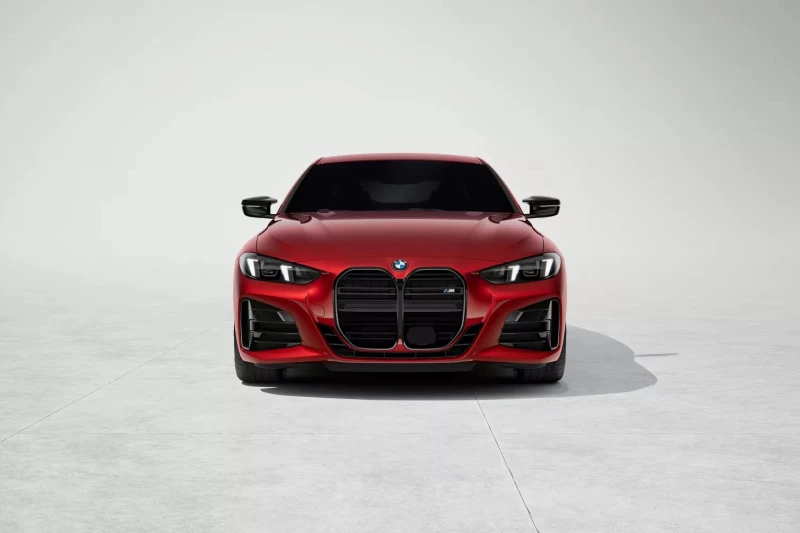
BMW
This wouldn’t be new territory for BMW, which already provides engines to brands such as Jaguar Land Rover, Ineos, Toyota, and Range Rover. Adding Mercedes to the list would simply extend its reach.
Mercedes’ History of Outsourcing Powertrains
Likewise, Mercedes has sourced engines externally before. In the past, it has relied on Nissan and Renault powertrains, and more recently entered a deal with Geely and Renault’s joint venture Horse Powertrain to supply turbocharged 2.0-liter inline-four engines for hybrid versions of the next-generation CLA-Class.
For Mercedes, a partnership with BMW could significantly cut research and development costs for future four-cylinder models, allowing it to focus resources on six- and eight-cylinder engines. For BMW, the deal could generate additional revenue by utilizing extra capacity at its Steyr plant in Austria.
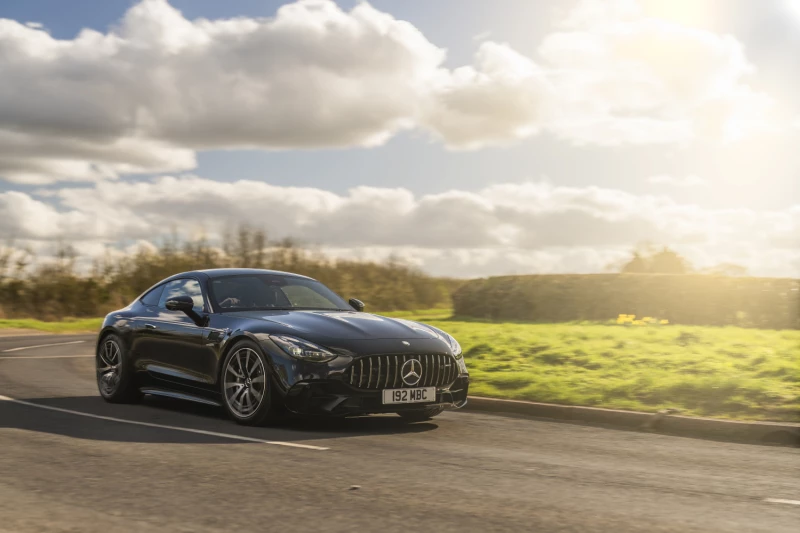
Mercedes-Benz
Should the collaboration move forward, the companies might even consider expanding joint production outside Europe. With U.S. tariffs adding pressure, American-based manufacturing could become a strategic necessity. For now, though, it’s a matter of waiting to see whether this unlikely alliance becomes reality.
Read the original article on: New Atlas
Read more: Mercedes-AMG’s Axial-Flux System Packs 1,340 hp in a Lightweight Build