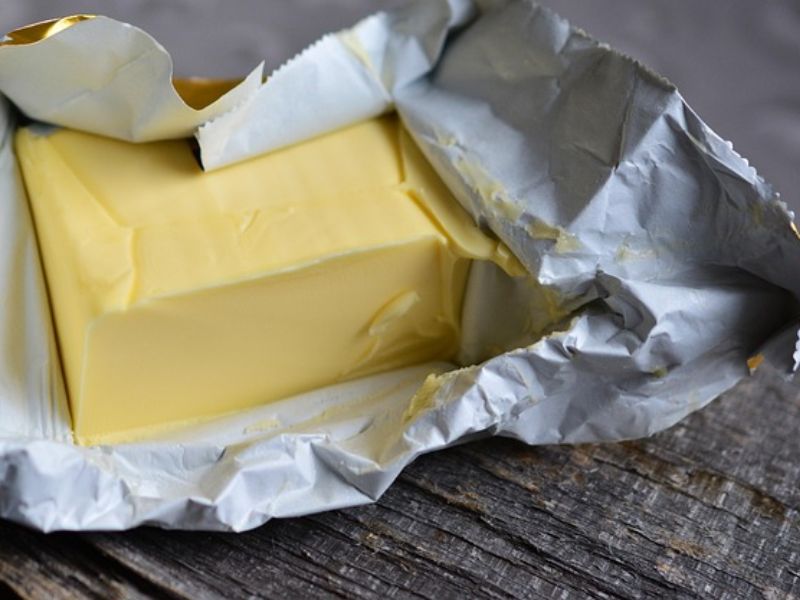

Obesity is a known risk factor for various cancers, but a decade-long study has revealed that the type of dietary fat also plays a key role. Researchers discovered that animal fats—such as butter, lard, and beef tallow—undermine the immune system’s ability to fight tumors. In contrast, plant-based fats like those from palm, coconut, and olive oil do not have this effect and may even offer protective benefits.
Scientists from Princeton University’s Ludwig Cancer Research aimed to determine whether cancer risk stems from the quantity of fat (obesity) or the specific type. Their findings suggest it’s not just obesity, but animal fats in particular, that impair immune cell function.
This research builds on a major 2016 study from the International Agency for Research on Cancer, which analyzed numerous studies and found strong evidence linking excess body fat to a higher risk of at least 13 cancers, including breast, colon, and liver.
However, the Ludwig team suspected a more complex picture. Drawing on previous findings showing that obesity weakens the cancer-fighting power of immune cells like cytotoxic T lymphocytes (CTLs) and natural killer (NK) cells, they explored whether different types of fat might have different effects.
How Animal and Plant Fats Affect Tumor Growth in Obese Mice
In their study, mice were fed high-fat diets with the same number of calories but from different sources—animal fats (butter, lard, beef tallow) and plant fats (palm, olive, coconut oil). After inducing obesity, researchers implanted the mice with tumor cells from cancers such as colon and melanoma, then monitored how fast the tumors developed.
To understand how different fats influenced the immune system, the researchers examined metabolites—small molecules formed as cells process nutrients. In obese mice fed animal fats, they observed a buildup of harmful fat-derived metabolites called long-chain acylcarnitines within CTL and NK immune cells. These molecules disrupted mitochondrial function—the cells’ energy source—ultimately draining the immune cells’ power and reducing their ability to attack cancer.
By contrast, these toxic metabolites didn’t accumulate in mice fed plant-based fats. Their CTL and NK cells remained active and capable of targeting tumors. Notably, the palm oil diet helped sustain NK cell function by enhancing the activity of the gene c-Myc, which controls cellular energy regulation.
Animal Fats, Not Just Obesity, Drive Tumor Growth and Weaken Immune Response
“Our research shows that the type of dietary fat—not obesity alone—is the key factor influencing tumor growth in obese mice,” explained lead author Lydia Lynch. “We discovered that high-fat diets from animal sources like lard, beef tallow, and butter impair the immune system’s ability to fight tumors and promote cancer progression across multiple models. In contrast, plant-based fats like coconut, palm, and olive oil did not produce the same effect, even in equally obese mice. These findings could inform cancer prevention and treatment strategies for individuals with obesity.”
In cytotoxic T cells, the fat-derived molecules triggered severe mitochondrial dysfunction, weakening their ability to fight tumors and reducing production of interferon gamma (IFN-γ), a key component of their cancer-fighting response.
When researchers examined human NK cells from obese individuals, they observed similar mitochondrial and immune impairments—pointing to a direct link between dietary fat type and suppressed cancer immunity.
“These results emphasize how crucial diet is for supporting immune health,” said Lynch. “More importantly, they suggest that adjusting the type of fat consumed could improve treatment outcomes in obese cancer patients, and that this approach should be explored in clinical settings as a potential dietary intervention.”
While obesity remains a major risk factor for cancer, the study underscores that the kind of fat consumed matters—and that diet may have a more direct influence on cancer progression than previously recognized.
Read the original article on: New Atlas