Author: cumbonguala

  • Laser Experiment Shows Light Casting its Own Shadow

    Laser Experiment Shows Light Casting its Own Shadow

    A new experiment has demonstrated something seemingly impossible: light casting its own shadow. When a laser is manipulated in a specific way and illuminated side-on by another light source, it’s possible to create this unusual optical effect.
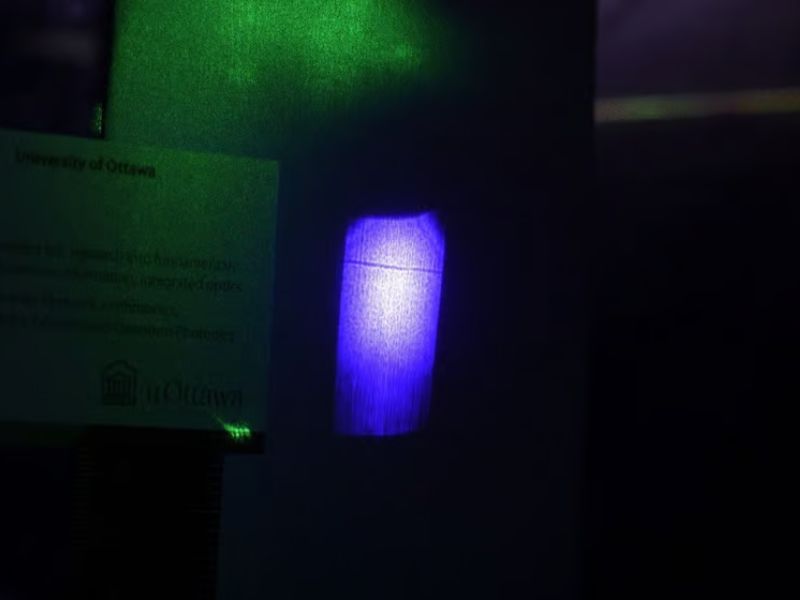
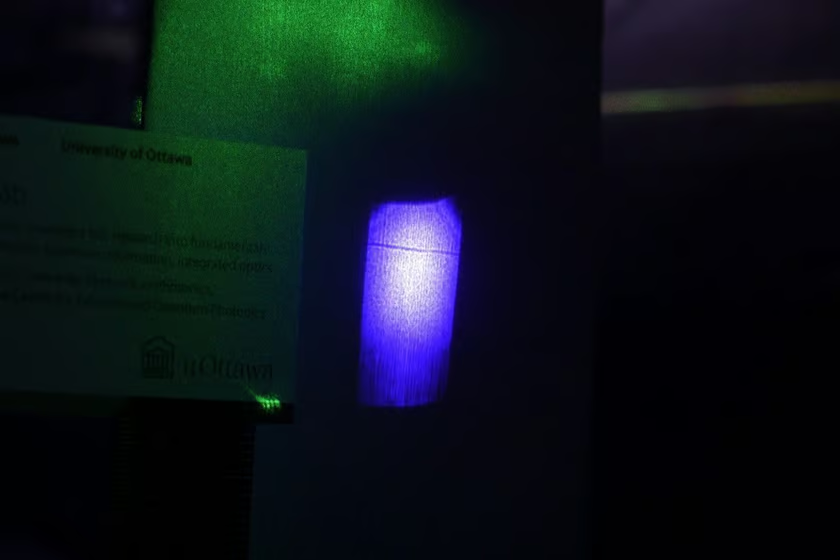
    The shadow of a laser beam can be seen as the small dark line across the blue light
    R. A. Abrahao, H. P. N. Morin, J. T. R. Pagé, A. Safari, R. W. Boyd, J. S. Lundeen

    A new experiment has demonstrated something seemingly impossible: light casting its own shadow. When a laser is manipulated in a specific way and illuminated side-on by another light source, it’s possible to create this unusual optical effect.

    While we’re used to seeing shadows in everyday life, they appear as dark areas on a surface where an object blocks incoming light. The key word here is “object” – whether solid, liquid, or gas, shadows are usually created by objects with mass.

    Overcoming the Mass Requirement of Shadows

    This should rule out light, since photons have no mass. However, researchers at Brookhaven National Laboratory found a way to make light paradoxically cast its own shadow.

    The idea of laser light casting a shadow was previously thought impossible, as light usually passes through other light without interacting,” explained Raphael Abrahao, lead author of the study. “Our demonstration of this counterintuitive optical effect invites us to reconsider our understanding of shadows.”

    To create this laser shadow, the team projected a high-powered green laser through a ruby cube, illuminating it side-on with a blue laser. In this setup, the green light blocks some of the blue light, projecting its outline on a screen.

    Criteria for a True Shadow

    The team explains that this projection meets certain criteria for a shadow: it’s visible to the naked eye, follows the contours of the surface it falls on, and reflects the position and shape of the green laser beam. It even reaches a maximum contrast of around 22% – comparable to a tree’s shadow on a sunny day.
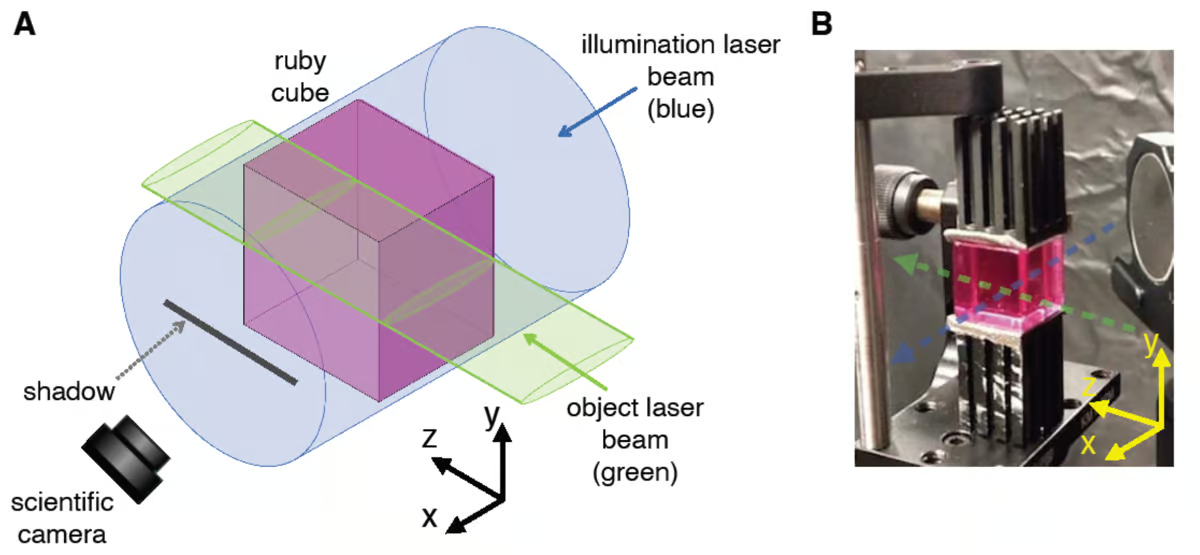
    A diagram illustrating how the experimental setup worked
    R. A. Abrahao, H. P. N. Morin, J. T. R. Pagé, A. Safari, R. W. Boyd, J. S. Lundeen

    The effect is due to intriguing optical physics. Where the green laser hits the ruby, it increases the amount of blue light the crystal absorbs. When this blue light hits the screen, it leaves a slightly darker outline in the shape and position of the green laser. This leads to an interesting question about the nature of the blocking.

    Is It Truly the Light Casting the Shadow?

    The laser shadow effect requires the ruby to mediate the blockage, which raises the question of whether it’s the photons in the laser itself or the atoms in the ruby that block the illuminating light,” the team writes.

    Light waves passing through a material interact with its atoms, creating quasiparticles called polaritons. Technically, it’s these polaritons – which do have mass – that are casting the shadow. However, polaritons are still partly made of photons, and the shadow wouldn’t be possible without these photons. The shadow also retains the appearance of the initial laser beam, meeting the conditions outlined by the researchers.

    While immediate practical applications aren’t clear, the team suggests that this research could open up new possibilities in fields such as manufacturing, imaging, and illumination.


    Read the original article on: New Atlas

    Read more: Declassified Video Shows DragonFire Laser Weapon in Action

  • 50-pound king penguin chick Pesto unexpectedly becomes a global sensation

    50-pound king penguin chick Pesto unexpectedly becomes a global sensation

    September 22: Pesto manages to make an average-sized king penguin look small 
    Bronwyn Thompson/New Atlas

    A new viral sensation is taking the spotlight: Pesto, a nine-month-old king penguin chick, whose unusually large size has made him a global star. Hatched from an avocado-sized egg on January 30, 2024, at Sea Life Melbourne, Australia, Pesto now weighs a hefty 22.5 kg (49.6 lb)—significantly more than the average 9.3 kg to 18 kg (20.5 to 39.7 lb) typical for his species.

    Named after a former colony favorite, Basil, Pesto is approaching adult size and will soon undergo his first molt, shedding his brown down for adult plumage. Despite slimming down slightly as he matures, Pesto is expected to remain a “huge unit.”

    The Only Chick of the Season Thrives Under Care and Biosecurity at Sea Life Melbourne

    In the wild, king penguin chicks form groups as they gain independence. However, Pesto was Sea Life Melbourne’s only chick this season, giving him all the attention. Fortunately, he’s safe from bird flu thanks to the aquarium’s strict biosecurity measures. Captive penguins like Pesto often enjoy longer lifespans compared to their wild counterparts, who live about 20 years.

    Pesto’s fame has spread globally through TikTok, Instagram, and news outlets, amusing fans with his distinctive waddle. Weighing twice as much as his foster parents, Tango and Hudson, and more than his biological dad Blake, Pesto now eats about 25 fish daily. After his catastrophic molt, his weight is expected to settle near that of the larger penguins in his colony.

    King Penguin Chick Hatches at Melbourne Aquarium

    Sea Life Melbourne’s General Manager, Claire Burrell, shared that Pesto has brought “immense joy” to visitors and staff alike. Fans flock to see him, inspiring fan art and memes, while Pesto’s next steps include learning to swim and fully embracing his role as a much-loved “big baby.”


    Read Original Article: New Atlas

    Read More: Scitke

  • Wet Dogs Don’t Choose to Shake – It’s in Their Genes

    Wet Dogs Don’t Choose to Shake – It’s in Their Genes

    Have you ever found yourself caught in a flurry of water droplets as a wet dog shook to dry off? Well, it’s not a choice. Scientists have discovered the mechanism that drives dogs—and many other furry mammals—to shake off water with intense vigor. This behavior is involuntary and has fascinating genetic roots.
    Credit: Pixabay

    Have you ever found yourself caught in a flurry of water droplets as a wet dog shook to dry off? Well, it’s not a choice. Scientists have discovered the mechanism that drives dogs—and many other furry mammals—to shake off water with intense vigor. This behavior is involuntary and has fascinating genetic roots.

    Discovering the Sensory Mechanism Behind the Shake

    Neurobiology researchers at Harvard Medical School’s Howard Hughes Medical Institute identified the complex yet efficient sensory mechanism behind the “wet dog shake,” showing that your pet isn’t trying to punish you for that bath—it’s simply a natural reflex.

    The wet dog shake is an evolutionarily conserved behavior seen across mammals, helping them remove water and other irritants from their fur-covered skin, especially on the back and neck, areas that are hard for them to reach for self-cleaning. The researchers explained that C-LTMRs detect even light forces on the hairy skin, such as water or insects, triggering motor responses that have evolved to remove water, mechanical irritants, and potential threats.

    In a series of experiments with mice, scientists applied stimuli like oil and air puffs to the back and neck—hard-to-reach areas for grooming—and used high-speed cameras to capture the onset, frequency, and duration of shaking.

    Probing the Brain’s Role in Triggering Shaking

    Neurobiology, which aims to understand brain mechanisms that trigger behaviors, led the team to use optogenetics, genetic manipulation, and real-time calcium imaging to identify active neurons. When they bred mice without C-LTMR neurons, they saw a significant reduction in the “wet dog shake” in response to mechanical stimuli like oil and water.

    C-LTMRs, or low-threshold mechanoreceptors, are sensory neurons that respond to light mechanical stimuli on hairy skin in mammals. Although researchers already knew that they activated from touch, it wasn’t clear that they played a central role in triggering the full-body shake in animals.

    The study showed how the stimuli activate the Piezo2 ion channel, which regulates the C-LTMRs, connecting to spinoparabrachial (SPB) neurons and triggering excitatory postsynaptic currents (EPSCs) along a pathway controlling this motor response.

    The researchers also used light to stimulate the neurons (optogenetics), triggering the shaking response even without physical contact, demonstrating that activating C-LTMRs alone can initiate the behavior.

    “The finding that C-LTMRs contribute to stimulus-evoked wet dog shakes allowed us to explore how these sensory neurons engage central circuits to mediate somatosensory behaviors,” the scientists noted. We confirmed that C-LTMRs are synaptically coupled to SPNs because optogenetic activation of C-LTMR terminals produced excitatory currents (EPSCs) in both SPN populations.

    A Detailed Look into the Mechanically Triggered Shaking Pathway

    “These findings collectively demonstrate the role of a C-LTMR–spinoparabrachial pathway in mechanically triggered wet dog shakes,” the team added.

    This might be more than you ever wanted to know about why water ends up on the ceiling after your dog’s bath, but it reveals just how complex sensory systems and behavioral responses can be. Until recently, limitations in technology left this discovery at the hypothetical stage.

    So, next time your dog sprays you with water, remember they’re not trying to annoy you—it’s simply in their genes.


    Read the original article on: New Atlas

    Read more: Dogs Can Detect our Stress and it Profoundly Impacts Them

  • Wild Star Spinning at an Incredible 716 Times Per Second

    Wild Star Spinning at an Incredible 716 Times Per Second

    A neutron star located 27,400 light-years away is exhibiting one of the most remarkable rotational speeds ever observed.
    An artist’s impression of an accreting X-ray pulsar. (Dana Berry/NASA)

    Neutron Star Spins at Unbelievable Speed

    A neutron star located 27,400 light-years away is exhibiting one of the most remarkable rotational speeds ever observed.

    In the binary system 4U 1820-30, this dead star spins so rapidly around its axis that it completes an astounding 716 rotations per second. This marks the fastest spin observed, with the only other star known to spin at this speed being the famous pulsar PSR J1748-2446ad.

    According to astrophysicist Gaurava Jaisawal of the Technical University of Denmark and his team, this discovery supports the theoretical upper limit for neutron star spin, which is believed to be around 730 rotations per second.

    Jaisawal explains, “We were originally studying thermonuclear explosions from this system when we detected remarkable oscillations.”

    Potential for 4U 1820-30 to Become One of the Fastest Spinning Stars

    If further observations confirm these findings, the 4U 1820-30 neutron star will become one of the fastest-spinning objects ever observed in the universe.

    Neutron stars represent the final evolutionary phase of massive stars. When a star with a mass between 8 and 30 times that of the Sun exhausts its nuclear fuel, it undergoes a supernova explosion, ejecting its outer layers.

    The remaining core collapses under gravity, forming a neutron star. This dense object, with a mass between 1.1 and 2.3 times the Sun’s mass, has a radius of only about 20 kilometers (12 miles).

    An artist’s impression of a bursting X-ray pulsar. (Chris Smith/Walt Feimer/NASA’s Goddard Space Flight Center)

    Neutron stars display fascinating behaviors. Magnetars have extremely powerful magnetic fields, while pulsars, like this one, spin rapidly and emit beams of radio waves, creating a pulsing effect similar to a cosmic lighthouse.

    4U 1820-30’s Close Binary Orbit and Feeding Mechanism

    4U 1820-30, discovered in the 1980s, is a binary system in the constellation Sagittarius. It consists of a neutron star and a white dwarf star orbiting each other in a very tight orbit, completing one cycle every 11.4 minutes.

    Due to their close proximity, the neutron star can “feed” off its companion, stripping material away, which then accumulates on the neutron star’s surface. This material builds up, increasing both temperature and density until it triggers a thermonuclear explosion.

    Jaisawal and his team studied these explosions using NASA’s Neutron Star Interior Composition Explorer (NICER), an X-ray telescope mounted on the International Space Station.

    Astrophysicist Jerome Chenevez of the Technical University of Denmark explains, “During these bursts, the neutron star becomes up to 100,000 times brighter than the sun, releasing enormous amounts of energy.”

    The team recorded 15 thermonuclear explosions between 2017 and 2022. While analyzing the data, they noticed one explosion had an unusual signature—an oscillation at 716 Hertz, which indicated that the star was likely rotating as it erupted.

    This could suggest that the 4U 1820-30 neutron star is an X-ray pulsar, with a period of 716 rotations per minute, driven by thermonuclear explosions. If confirmed, this would make it the fastest known nuclear-powered pulsar, surpassing PSR J1748-2446ad.

    Additional observations will be needed to verify this hypothesis. If proven true, the discovery would provide new insights into neutron stars and their extreme behaviors before they reach the point of self-destruction.


    Read the origina article on: Science Alert

    Raed more: Scientists Finally Uncover What Really Happens When an Atom Splits

  • Scientists Observe Sperm Defying a Fundamental Law of Physics

    Scientists Observe Sperm Defying a Fundamental Law of Physics

    Image from pixabay

    According to a recent study, human sperm use their slender tails to navigate through thick fluids, appearing to defy Newton’s third law of motion. This research also examines the movement patterns of these sex cells alongside single-celled algae.

    Exploring Non-Reciprocal Interactions in Microscopic Swimmers

    Kenta Ishimoto, a mathematical scientist at Kyoto University, and his team explored the unique, non-reciprocal interactions of sperm and other microscopic swimmers to understand how they move through substances that, theoretically, should resist their motion.

    When Newton formulated his famous laws of motion in 1686, he aimed to clarify the relationship between physical objects and forces with straightforward principles—principles that don’t necessarily apply to tiny cells moving through thick fluids. Newton’s third law, often stated as “for every action, there is an equal and opposite reaction,” suggests a natural symmetry where opposing forces counterbalance each other. A simple illustration is two equal-sized marbles colliding and rebounding as they roll on the ground in accordance with this law.

    Scanning electron micrograph of a sperm cell in a fallopian tube. (Science Photo Library/Canva)

    Nature is complex, and not all physical systems adhere strictly to these symmetries. Non-reciprocal interactions emerge in unpredictable systems like flocks of birds, particles in fluid, and swimming sperm.

    Asymmetric Motion and the Loophole in Newton’s Third Law

    These motile agents move in ways that create asymmetric interactions with animals around them or the surrounding fluids, forming a kind of loophole in Newton’s third law. Since birds and cells generate their own energy—with each wing flap or tail movement adding energy to the system—this pushes the system far from equilibrium, making standard physical rules inapplicable.

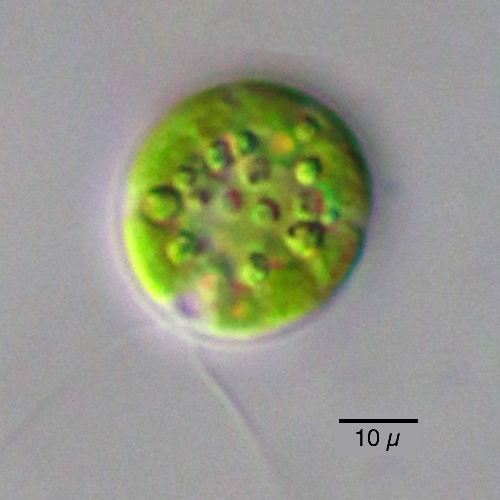
    Moreover, in their October 2023 study, Ishimoto and his team analyzed experimental data on human sperm and modeled the motion of green algae, Chlamydomonas. Both swim using slender, flexible flagella extending from the cell body, which change shape to propel them forward.

    Green algae (Chlamydomonas globosa) with two flagella just visible at bottom left. (Picturepest/CC BY 2.0/Wikimedia Commons)

    How Elastic Flagella Propel Cells in Viscous Fluids

    However, highly viscous fluids would absorb much of a flagellum’s energy, making it difficult for sperm or single-celled algae to move effectively. Yet, elastic flagella somehow propel these cells without significant energy loss to the surrounding fluid.

    The researchers discovered that sperm tails and algal flagella possess an “odd elasticity,” which enables these flexible structures to move with minimal energy dissipation. However, this odd elasticity alone didn’t fully explain how the flagella’s wave-like motion creates propulsion. Through their modeling, the researchers identified a new concept: an “odd elastic modulus,” to capture the internal mechanics of flagella more accurately.

    By studying solvable models and biological flagellar waveforms for Chlamydomonas and sperm cells, we explored the odd-bending modulus to understand the nonlocal, nonreciprocal interactions within the material,” the researchers concluded.

    To conclude, the team noted that these findings could aid in designing small, self-assembling robots that imitate living materials. Additionally, the modeling methods might provide deeper insights into the fundamental principles behind collective behavior.


    Read Original Article on: Science Alert

    Read More: Scitke

  • A New Type of Plastic Breaks Down in the Ocean More Quickly than Paper

    A New Type of Plastic Breaks Down in the Ocean More Quickly than Paper

    Researchers have spent recent years investigating which type of plastic biodegrades most rapidly in marine environments, as millions of tons of plastic enter our oceans each year. They discovered that a common bioplastic, which has been in use for over a century, biodegrades quickly, and they have figured out ways to speed up this process.
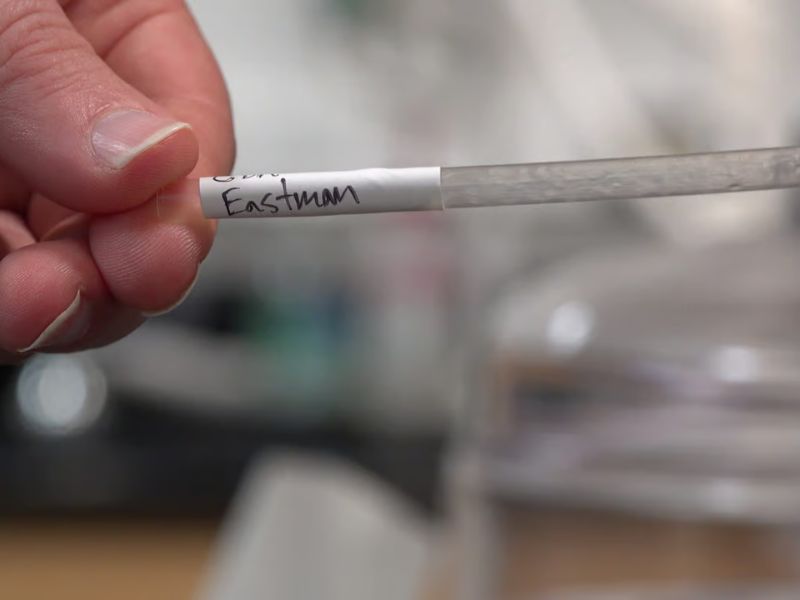
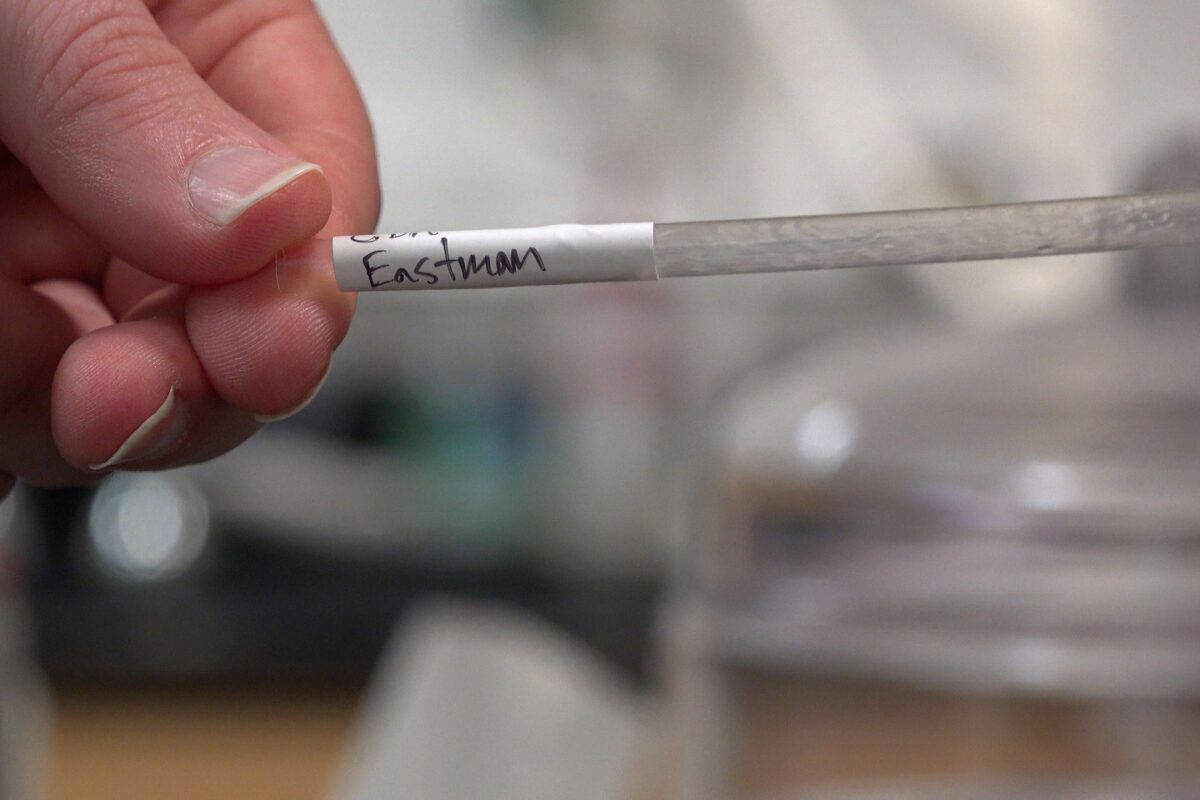
    A prototype straw (who would ever have thought those two words would be used together?) developed by Eastman made of foam CDA for testing its biodegradability 
    WHOI

    Researchers have spent recent years investigating which type of plastic biodegrades most rapidly in marine environments, as millions of tons of plastic enter our oceans each year. They discovered that a common bioplastic, which has been in use for over a century, biodegrades quickly, and they have figured out ways to speed up this process.

    Cellulose diacetate (CDA) is derived from cellulose, a natural polymer found in plant cell walls, especially in cotton and wood pulp. This bioplastic has been around since the late 1800s and is used in a variety of products, from sunglasses frames and cigarette filters (its most common application) to photography film and many other items in our daily lives.

    Fastest-Degrading Bioplastic Found in Seawater

    Researchers at the Woods Hole Oceanographic Institution (WHOI) have found that CDA is the fastest-degrading type of plastic in seawater, technically classified as a bioplastic. With a simple modification known as “foaming,” which makes the bioplastic porous, CDA degrades 15 times faster than solid CDA and even more quickly than paper.

    We applied foundational knowledge to create a new material that meets consumer needs while degrading in the ocean faster than any other plastic we know of, including paper,” said Collin Ward, a senior author of the study. “This represents a significant success in a field that often emphasizes the negative aspects of plastic pollution rather than pursuing solutions.”

    The structure of foam CDA before and after the 36-week seawater test
    WHOI

    In a 36-week test, CDA foam submerged in continuously flowing seawater tanks lost 65-70% of its original mass. In contrast, Styrofoam, a common plastic found in every ocean worldwide, demonstrated no degradation during the same time frame.

    Polystyrene, also known as Styrofoam, may change shape, but does not biodegrade at all after 36 weeks in seawater
    WHOI

    Ward and other WHOI scientists collaborated with Eastman, a bioplastic manufacturing company that provided materials, funding, and co-authorship for this and previous studies.

    Controlled Laboratory Environment for Marine Research

    The research was conducted in a controlled laboratory environment using continuously flowing seawater sourced from Martha’s Vineyard Sound near Cape Cod, Massachusetts. This setup allowed researchers to regulate light, temperature, and other variables to simulate dynamic ocean conditions.

    In January of this year, the results of a previous 16-week WHOI study were published. That study utilized the same seawater tank to compare eight different types of straws made from CDA, polyhydroxyalkanoates (PHA), polylactic acid (PLA), polypropylene (PP), and paper.

    Different straw materials after their 16 weeks of being continuously exposed to seawater
    WHOI

    The PLA and PP straws showed no measurable signs of degradation, while the other straws degraded by up to 50%.

    Foam CDA Straw Outperforms Solid and Paper Straws

    In comparing the prototype foam CDA straw to the solid CDA straw, researchers found that the foam CDA straw degraded 190% faster than the solid version, even outpacing the paper straw (which, fortunately, is a good thing since paper straws have a terrible taste). This led to the recent focused study by WHOI on foam CDA.

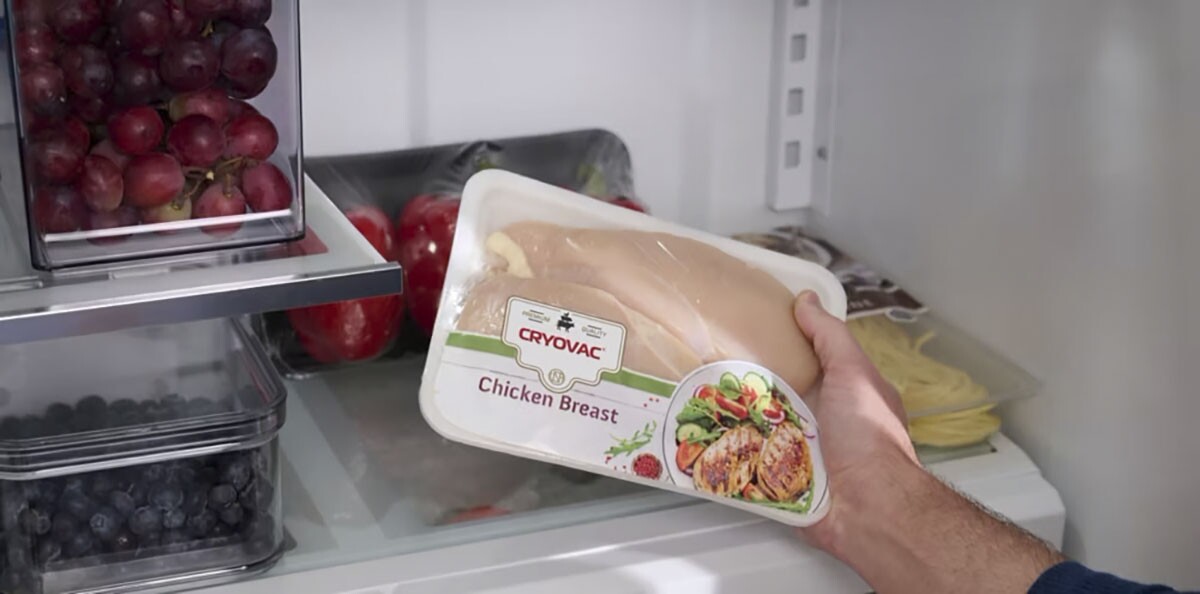
    Building on the success of foamed CDA, Eastman has introduced a biodegradable and compostable tray designed to replace conventional Styrofoam trays used for meat packaging, which do not biodegrade in any natural environmental conditions, whether on land or in the sea.

    Eastman’s new foam CDA tray for packaging meat to replace typical “forever” polystyrene trays
    Eastman

    Read the original article on: New Atlas

    Read more: Alarming Microplastics Found in Human Brains

  • Robot-to-Drone Food Deliveries Launch in Dallas

    Robot-to-Drone Food Deliveries Launch in Dallas

    While still not entirely common, rolling robots have been delivering goods to local customers for some time, and drones have been transporting packages overhead. Now, Serve Robotics and Wing Aviation are set to combine these two delivery methods.
    The Serve delivery robot will pick up the food order at the restaurant, drop it off at a Wing Auroloader collection point, and then Wing’s drone will take to the air for the final leg of the delivery to the customer
    Serve Robotics

    While still not entirely common, rolling robots have been delivering goods to local customers for some time, and drones have been transporting packages overhead. Now, Serve Robotics and Wing Aviation are set to combine these two delivery methods.

    Wing, a subsidiary of Google’s parent company Alphabet, has been transporting small packages by air since at least 2018, with earlier development under Alphabet’s Project X.

    The company’s “highly automated” battery-powered drones have delivered a variety of items, including medicine, library books, hot coffee, and fresh cookies, to hundreds of thousands of customers in Australia, the US, Finland, and Ireland.

    Serve Robotics and Wing Join Forces to Expand Delivery Reach in Dallas

    Serve Robotics, backed by Uber, hasn’t been operating its delivery robots on US sidewalks as long, but the company has completed tens of thousands of deliveries for partners like Uber Eats and 7-Eleven. Now, Serve Robotics and Wing are joining forces to expand the reach of these rolling delivery robots in Dallas, TX.

    The Serve delivery robot lifts the package to the Autoloader, the the Wing drone collects it and delivers to a customer within a 6-mile radius
    Serve Robotics

    Combining Serve’s Robots and Wing’s Drones for Seamless Delivery

    In the pilot project, Serve’s robots will collect food orders from restaurants and transport them to an Autoloader within a few blocks. From there, a Wing drone will take over, flying the items up to 6 miles to customers using its hybrid multi-rotor/fixed-wing design.

    We’re excited to partner with Wing to provide a multi-modal delivery service, expanding from handling deliveries within 2 miles to offering 30-minute autonomous delivery citywide,” said Serve CEO and co-founder, Dr. Ali Kashani.

    Wing CEO, Adam Woodworth, added, “This partnership allows us to reach more merchants in congested areas while helping Serve expand its delivery range.”

    To conclude, the partnership claims that the robot-to-drone delivery model eliminates the need for businesses to invest in extra infrastructure for long-range deliveries. It also suggests that this approach could reduce costs for both service operators and customers. The duration of the pilot has not yet been disclosed.


    Read the origonal article on: New Atlas

    Read more: Drone Mothership Unleashes Mini-Drones For Search and Rescue

  • Boost Heart Health: Why Broccoli May Beat Carrots

    Boost Heart Health: Why Broccoli May Beat Carrots

    A study from Edith Cowan University found that cruciferous vegetables like broccoli and kale are more effective at lowering blood pressure than root vegetables, potentially benefiting heart health and reducing cardiovascular disease risk.
    A study at Edith Cowan University demonstrated that middle-aged and older Australian adults with elevated blood pressure significantly reduced their blood pressure by consuming four servings daily of cruciferous vegetables like broccoli and kale, compared to root and squash vegetables. This effect is attributed to compounds such as glucosinolates found primarily in cruciferous vegetables, which offer benefits like lowering blood pressure and potentially reducing heart disease risk.

    A study from Edith Cowan University found that cruciferous vegetables like broccoli and kale are more effective at lowering blood pressure than root vegetables, potentially benefiting heart health and reducing cardiovascular disease risk.

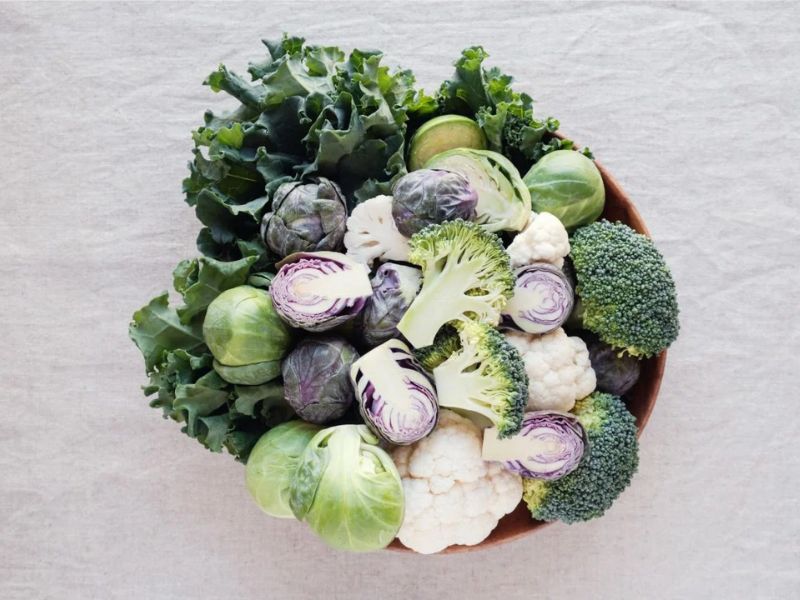
    Research involving middle-aged and older Australians with high blood pressure revealed that cruciferous vegetables—such as broccoli, cabbage, kale, and cauliflower—were more effective at reducing blood pressure compared to root and squash vegetables.

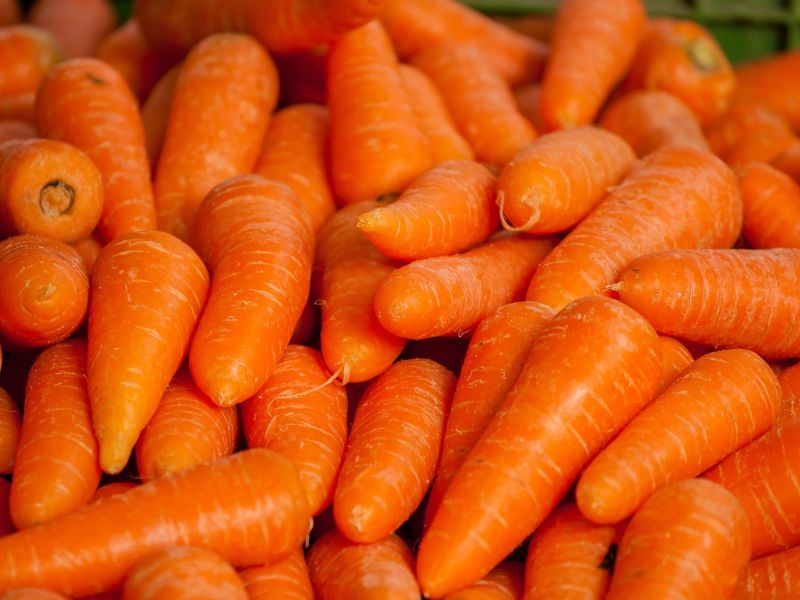
    In a randomized, controlled, crossover study, scientists at ECU found that consuming four servings daily of cruciferous vegetables led to a significant reduction in blood pressure, unlike the same amount of root and squash vegetables like carrots and potatoes.

    Glucosinolates, compounds found almost exclusively in cruciferous vegetables, have been shown to lower blood pressure in animals, but evidence in humans has been limited,” noted ECU PhD student Emma Connolly.

    Cruciferous vegetables also contain additional beneficial components, such as nitrate and vitamin K, which may further help lower blood pressure.

    Hypertension is a major risk factor for heart disease, and its prevalence grows with age,” said Ms. Connolly.

    Increasing vegetable consumption is widely advised to reduce heart disease risk. Observational studies have indicated that cruciferous vegetables like broccoli, cabbage, and Brussels sprouts are more strongly associated with a lower risk of heart disease compared to other vegetables. Despite their global consumption, cruciferous vegetables usually account for only a small fraction of overall vegetable intake.”

    Low Vegetable Intake Among Australians

    Dr. Lauren Blekkenhorst, ECU NHMRC Emerging Leader and Heart Foundation Postdoctoral Fellow, pointed out that fewer than 1 in 15 Australian adults currently meet the recommended vegetable intake, a figure that has been declining over time.

    Cruciferous vegetables are the least commonly consumed type of vegetable. Increasing intake of these vegetables can offer significant benefits for lowering blood pressure and reducing the risk of heart disease later in life.”

    To sustain these health benefits, it’s ideal to eat these vegetables on most days of the week.”

    The study was conducted over six weeks, with participants undergoing two 2-week dietary interventions separated by a 2-week ‘wash-out’ period during which they returned to their normal diet.

    Comparative Effects of Vegetable Soups on Blood Pressure

    In one intervention, participants consumed four servings of cruciferous vegetable soup daily with lunch and dinner, while in the other, they had soup made from root and squash vegetables. Blood pressure was monitored continuously for 24 hours before and after each intervention, revealing a 2.5 mmHg greater reduction in blood pressure with cruciferous vegetables compared to root and squash vegetables.

    Diet and lifestyle factors remained constant throughout the study, suggesting that the observed blood pressure reduction was solely due to the type of vegetables consumed.

    This reduction in blood pressure could correspond to about a 5% lower risk of heart attack or stroke.

    The Heart Foundation has praised the findings, with Manager for Heart Health, Kym Lang, calling the results fascinating.

    The Heart Foundation encourages daily consumption of a variety of vegetables as part of a heart-healthy diet. Adding cruciferous vegetables like broccoli or kale to your meals can be beneficial,” Lang said. “We are proud to support research highlighting the importance of vegetables in maintaining heart health and look forward to further exploring the benefits of cruciferous vegetables.”


    Read the original article on: ScitechDaily

    Read more: Study Suggests Food Photography Could Benefit Health

  • Scientists Say this Simple Dietary Change Can Improve Skin Health and Boost Immunity

    Scientists Say this Simple Dietary Change Can Improve Skin Health and Boost Immunity

    A recent study found that snacking on baby carrots three times a week significantly increased skin carotenoid levels in young adults. These levels rose even more when the carrots were combined with a multivitamin containing beta carotene.
    Eating baby carrots three times a week significantly increases skin carotenoid levels in young adults, especially when combined with a beta carotene-containing multivitamin, suggesting a simple yet effective dietary strategy to boost antioxidant protection and overall health. Credit: Pixabay

    A recent study found that snacking on baby carrots three times a week significantly increased skin carotenoid levels in young adults. These levels rose even more when the carrots were combined with a multivitamin containing beta carotene.

    Carotenoids, which give many fruits and vegetables their bright red, orange, and yellow hues, can be measured in the skin to assess fruit and vegetable intake since diet is their sole source. Higher skin carotenoid levels are linked to better antioxidant protection, reduced risk of chronic diseases like heart disease and certain cancers, as well as improved skin health and immune function.

    Mary Harper Simmons Highlights Benefits of Baby Carrots for Skin Health

    Mary Harper Simmons, a Master of Science in Nutrition student at Samford University, stated, “Previous research has shown that eating three times the recommended daily serving of fruits and vegetables for three weeks can boost skin carotenoid levels. Our results indicate that a small, straightforward dietary change, such as adding baby carrots as a snack, can significantly enhance skin carotenoid accumulation.”

    Researchers found that eating baby carrots (BC) three times a week significantly increased skin carotenoids in young adults. The increase was even stronger when the carrot snacks were combined with a multivitamin (MVMM) containing beta carotene. Credit: Suresh Mathews, Samford University

    Simmons shared the findings at NUTRITION 2024, the main annual conference of the American Society for Nutrition, which took place from June 29 to July 2 in Chicago.

    Assessing the Impact of Baby Carrots and Multivitamins on Skin Carotenoids

    In the study, researchers randomly assigned 60 young adults to one of four groups for a four-week intervention: Granny Smith apple slices (control), 100 grams (about half a cup) of baby carrots, a multivitamin supplement with beta carotene, or a combination of baby carrots and the supplement. They used a noninvasive device called a VeggieMeter to measure carotenoid levels in participants’ skin before and after the intervention.

    Results showed that skin carotenoid levels increased by 10.8% in the baby carrot group and by 21.6% in the group receiving both carrots and the supplement, compared to pre-intervention levels. There was no significant change in the control group or in those who received only the supplement.

    A noninvasive spectroscopy instrument called a VeggieMeter was used to detect and quantify carotenoids in the skin of the study participants. Credit: Suresh Mathews, Samford University

    Simmons stated, “We discovered that combining baby carrots with a multivitamin containing beta carotene can significantly boost skin carotenoid levels.” She advised, “To achieve this benefit, people should select a multivitamin with beta carotene and consume baby carrots at least three times a week.”

    Since the multivitamin alone did not increase carotenoid levels, there might be differences in how carotenoids are absorbed from food versus supplements. The researchers plan to investigate the mechanism behind these results and examine the effects of other carotenoid-rich foods, such as sweet potatoes or green leafy vegetables.


    Read the original article on: ScitechDaily

    Read more: Dry Fasting: How Ancient Genes Benefit Modern Health

  • One-Button Weight Adjustment Makes These Dumbbells Smart

    One-Button Weight Adjustment Makes These Dumbbells Smart

    In fitness, weight training can seem daunting and cumbersome, but research shows that even light strength exercises can boost metabolism for weight loss, prevent muscle loss with age, and improve sleep quality more than cardio activities.
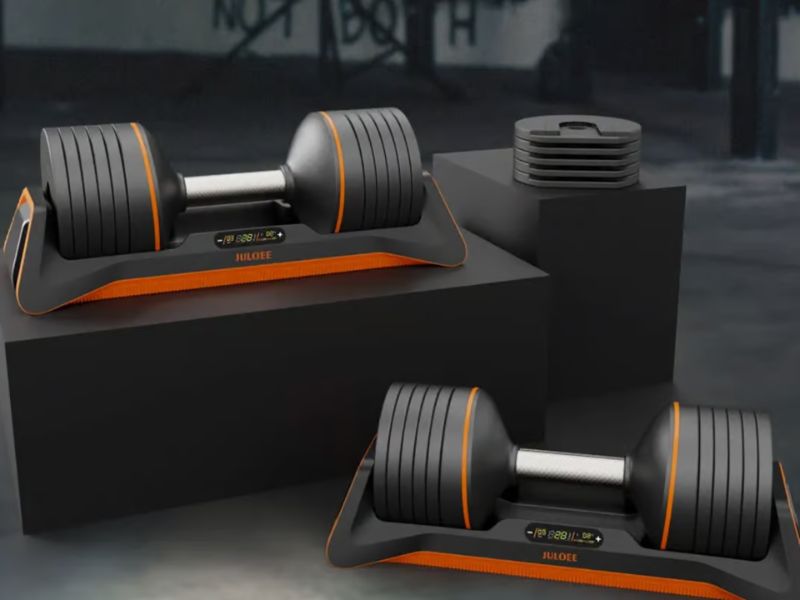
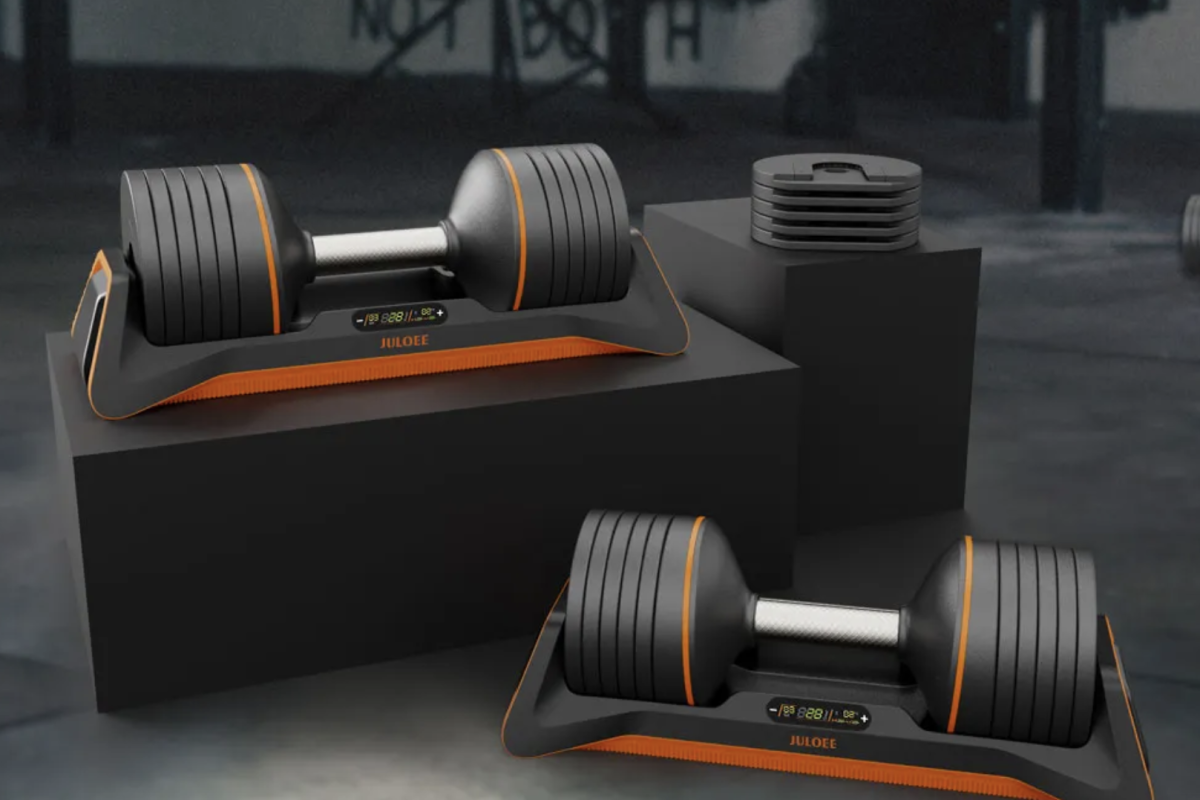
    The smartest dumbbells around are ideal for beginners or more experienced weight trainers
    Kickstarter

    In fitness, weight training can seem daunting and cumbersome, but research shows that even light strength exercises can boost metabolism for weight loss, prevent muscle loss with age, and improve sleep quality more than cardio activities.

    One major issue—aside from dealing with confusing gym equipment—is constantly changing weight plates for various exercises. (As someone with traditional dumbbells and manual weight plates, which have been gathering dust in the corner of my room for months, I understand how this can discourage you from using them.)

    Introducing Julu Smart Dumbbells

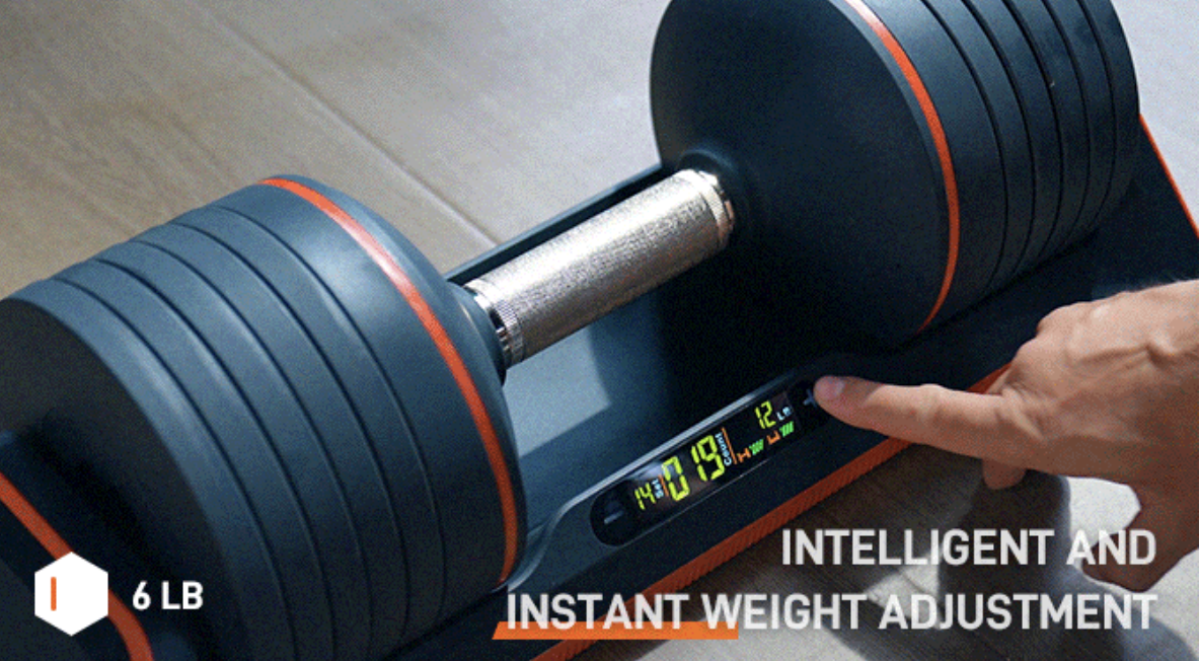
    Enter the Julu smart dumbbells, which offer instant weight adjustment. Unlike older models that relied on voice commands and motorized systems, Julu uses a digital platform for effortless weight changes. Users can set their desired weight via an LCD panel or smartphone app, with weights adjusting automatically and instantly.

    Although the iOS app is still being refined for release, you can view a demonstration of the smart dumbbells in this video review on the Android platform.

    Julu Smart Tech Dumbbell Review

    Versatile Weight Range

    A single Julu dumbbell offers a weight range from 6 lb (2.7 kg) to 36 lb (16.3 kg), making it perfect for those engaging in light, low-impact workouts or gradually increasing their strength and endurance safely.

    Each dumbbell features a unique locking mechanism that ensures the weights stay secure during use, allowing you to confidently rely on each instant adjustment.

    A push of the button changes the weight you want to lift
    Kickstarter

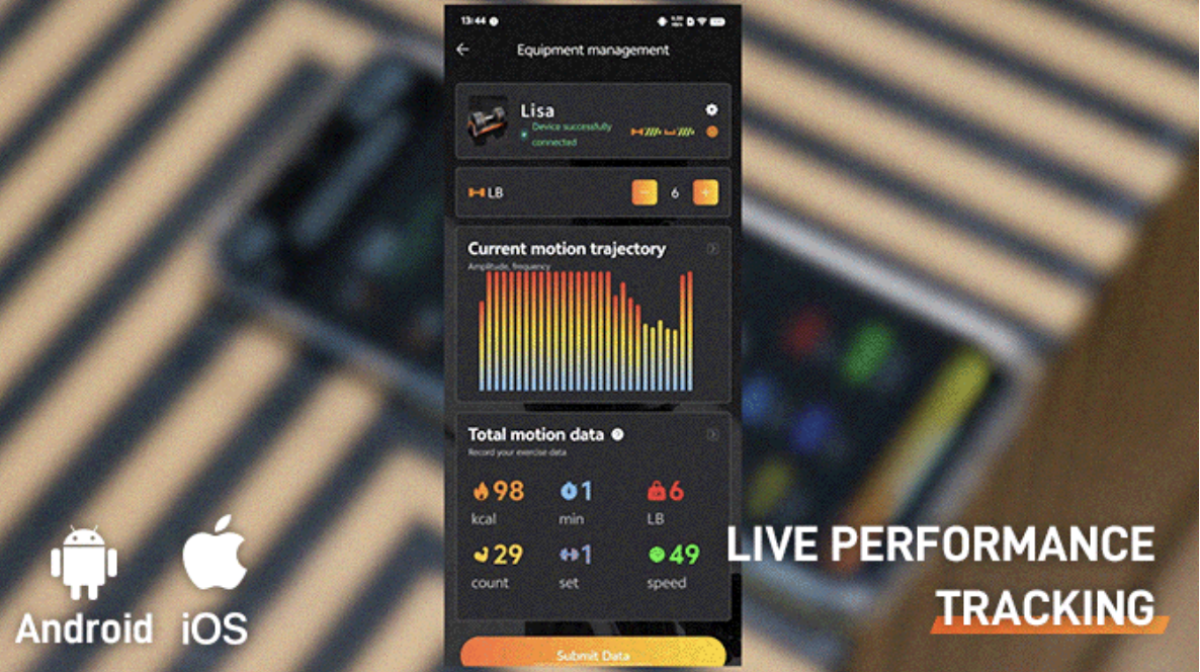
    The dumbbells feature real-time data tracking through the app, allowing you to view both current and historical progress. This feature gamifies and simplifies tracking, eliminating the need to manually record set counts and weights.

    Additionally, the app monitors calories burned and other performance metrics, ensuring you can focus solely on your workout while it handles the data.

    Track progress and share with friends through the easy app that gathers real-time data
    Kickstarter

    Additionally, Julu’s smart dumbbells are made from eco-friendly materials and feature an anti-slip bar. Their compact design makes them easier to store compared to traditional weight sets or multiple dumbbells.

    The app also adds a social element by allowing you to connect with others, challenge friends, or draw inspiration from their progress. If you struggle with motivation without a trainer, this engaging and supportive feature can help keep you on track. Yes, we said engaging.

    Currently, Julu is running a limited-time 40% discount on its Kickstarter campaign. A single dumbbell set is priced at US$239 (or $478 for two) and includes the weights, base, USB-C cable, and user manual. Shipping is available worldwide, with costs of $89 for one set and $120 for two to the US. The estimated delivery date is November 2024.


    Read the original article on: New Atlas

    Read more: The Amazing Health Benefits of Planking