Author: Marcílio Santos

  • Art, Drama and Music Lower Anxiety: Considerations for Trainees in Years 11 and also 12

    Art, Drama and Music Lower Anxiety: Considerations for Trainees in Years 11 and also 12

    If you are considering taking a performing or visual arts subject in years 11 and also 12, you are making a few considerations. These might include your interest and affinity to the topic, how doing a few arts subjects may influence your entry into university, and what to do with skills you learn.

    Approximately 30% of year 12 students all over Australia (53,311 year 12 students overall) chose to enroll in visual or performing arts in year 12 in 2019. However, twice the amount of girls took an arts subject (40%) as boys (18%).

    The art subject assortment you have will depend on what state you stay in. However, these are the kinds of topics you can broadly choose from in visual and performing arts.

    Visual arts

    Visual art is a theory-based subject. You will learn more about various artworks as well as the role of artists in society. You will participate in discussions and writing tasks about what artworks signify, including concepts from historical and modern arts and culture.

    You will learn more about artists’ practices and the art industry while developing your art in studio arts.

    You will explore techniques and also art processes in the mediums of your liking, including photography, painting, printmaking, drawing, film, digital arts, textiles, or ceramics. You will make your artwork, document this process, and exhibit your work.

    Media arts requires investigating and understanding narrative throughout different media forms. You will show your understanding of production processes by designing a media product (like a film or photo event) and presenting it.

    Product design and technology involve learning and experimenting with materials and processes. The materials will differ from institution to institution, but you might be able to pick from timber or wood, metal, polymers, glass, ceramics, or fabrics. You will find out how to design as well as put these designs right into production.

    Performing arts

    Dancing will undoubtedly teach you about dance traditions, styles, and also works from various cultures. You will learn things such as musical theater, the work of tap or jazz or street performers, ballet and contemporary dance, and choreography. As you learn this content via theory and technique, you will engage in dancing analysis that will undoubtedly help you develop your own choreographed performance with others.

    Dramatization entails studying practice and theory to comprehend theater, and performance can communicate tales and also ideas. You will dive into different dramatization traditions, including costume, set design, lighting, makeup, masks, puppetry, props, and sound design. You will inevitably create, prepare and also present a solo performance.

    Music has various paths depending on what state you stay in. Three paths culminate in systems 3 and 4 of music investigation and music performance in the Victorian curriculum. These paths require at the very least four years of experience in learning to play an instrument. Another path, the VET music industry, focuses on performing in public.

    You will learn through listening, composing, and performing despite the differences in each path and qualification. You will use creative thinking skills to examine and critique contemporary and historical music and musicians.

    What benefits will I get from studying arts?

    According to Shelley Hannigan, senior lecturer in Art Education at Deakin University, any year 11 and 12 art subjects will allow you to learn from extensive creative processes based on her research and work as an artist and university educator for 15 years. Creating a set of paints will demand experimenting with methods, learning from other artists, establishing a theme or message to communicate, and ensuring the subject matter in your paintings is appropriate for sharing the message and proper for the style you are operating in.

    Your technique must shine to attain good marks. You also need to document the advancement of your study and concepts with visual images you created and written declarations in journals. This is somewhat precarious as you are exposing yourself to the world. It should also come together in a particular period, which can be stressful and difficult.

    However, as research shows, it will certainly benefit you in the future since art education has numerous advantages.

    Besides technical knowledge and skills, advantages include stress relief and enjoyment. The senior years can be stressful, so including arts subjects in the mix can be a type of self-care. It is well documented that the skills provide mental health benefits since concentrating on creating art is a form of mindfulness.

    Making art is a process of concentrating on uniting the subject matter, technique, and creative experience to tell a tale or an idea. The capability to express your emotions via the arts is a kind of release. And meditating on its meaning can provide insights about yourself, which is therapeutic.

    On top of that, you will undoubtedly establish various skills to assist you in any area of life. Besides creativity and thinking skills, studies reveal that arts education will help you improve your communication and expressive skills as well as raise your self-esteem and confidence. Teamwork is also a big part of the arts, and learning this ability will be useful at university and in your future employment.

    The presentation, communication, and performance abilities you discover are adaptable for public speaking, community as well as public art careers, along with teaching.

    Will doing the arts lower my ATAR?

    The ATAR is a university-based system that identifies how many students will undoubtedly get into specific programs. Like a queue, it ranks you against every person in year 12.

    However, university entry, especially when it concerns the arts, does not depend on ATAR. It commonly needs an interview process with a presentation of a portfolio.

    If you do not want to do arts at university, it is still essential to pick senior subjects you are good at and interested in. Moreover, the abilities you learn in the arts can improve your entrance chances. As an example, entrance into a medical degree needs a high ATAR. However, most universities carry out interviews to assess your empathy, partnership, and ethical reasoning skills- every one of which is enhanced by the arts.

    What will I do with these abilities after school?

    Several students who study senior art also study the visual and/or performing arts in university. Some become independent artists. Others exercise art on the side, which helps them preserve a great balance in life.

    In her late 20s, one ex-student studied visual art and music in school but is now a registered psychiatric nurse and also performs in a band. She said that being an artist assists her in handling the stress of her work.

    A 20-year-old male, another former student, studied the VCE VET in the music industry and media arts, studio arts, visual arts, psychology, and literature. He is now a full-time intern in a technology company. He said the networking he does now is similar to what he needed to do for the documentary he made in media arts. He additionally said his creative skills were handy in the advertising and marketing material he designs.

    “You need to be a creative planner to get individuals to offer you the time of day in sales and also marketing.”


    This article is republished from The Conversation under a Creative Commons license. Read the original article.

  • Kids’ Love for Video Games Can Enhance Classroom Understanding

    Kids’ Love for Video Games Can Enhance Classroom Understanding

    Teachers must take advantage of children’s love for computer games to improve their class learning, discovered a new Australian study.

    The research considered the ‘video gaming’ habits of 318 girls and kids in Year 3 (seven and eight years old) from 14 Queensland schools across the Federal government, Anglican, and Catholic sectors.

    The searchings for “Young boys’ pc gaming identities and chances for understanding” were released by the academic journal Understanding, Media and Modern technology.

    Lead scientist Australian Catholic College’s Associate Professor Laura Scholes from the Institute for Discovering Sciences and Instructor Education stated there was an absence of comprehending the advantages of computer games for youngsters.

    “Gaming has a questionable image, yet the research study shows it’s the kind and also top quality of the video games, and the quantity of time spent playing the games, which matter most,” Scholes claimed.

    “Teachers can make use of computer games like Minecraft to construct team effort and also STEM-related maths and scientific research capacities.

    “Gaming has been located to improve several skills consisting of creativity, analytical, literacy skills such as reading and also writing as well as high-level electronic skills.”

    However, Scholes warned that more creative techniques to training were frequently stifled by stress on instructors to educate for tests, like NAPLAN.

    “It can be tough for instructors who have not played video games such as Minecraft to see exactly how it could suit the nationwide educational program or just how to evaluate as well as examine the understanding outcomes,” she stated.

    “The stress of NAPLAN screening brings about several teachers needing to justify their use of computer game to instruct subjects like maths, science and also literacy.”

    The research study also discovered that video gaming provides children a feeling of pride, self-worth, and social connectedness with their peers.

    “That enhanced self-worth changeovers right into several locations of children’ lives as well as when young boys are denied accessibility to video gaming it can marginalize them among their peers,” Scholes included.

    “Kids can likewise have even more challenges than ladies when building social groups, so pc gaming is a way for them to develop social networks.”

    The research study showed that boys enjoy video gaming to better degrees than women, and their electronic abilities were described as higher than girls.

    Scholes added that parents should continue to inspect the recommended age of their kid’s computer games, in addition to handling the amount of time invested playing them.


    Originally published on Phys.org. Read the original article.

    Reference: Laura Scholes et al, Boys’ gaming identities and opportunities for learning, Learning, Media and Technology (2021). Dhttps://www.tandfonline.com/doi/full/10.1080/17439884.2021.1936017OI: 10.1080/17439884.2021.1936017

  • Fostering Anti-racism in Ecology, Development and also Preservation Biology

    Fostering Anti-racism in Ecology, Development and also Preservation Biology

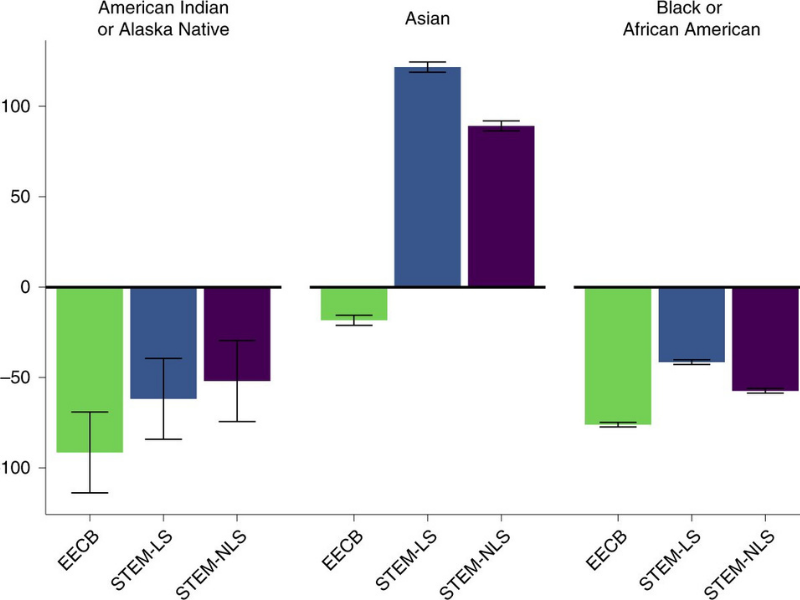
    Academic departments in ecology, evolution and preservation biology are progressively aware of the need to deal with persistent barriers and challenges faced by Black, Indigenous, and People of Color (BIPOC) in these subjects. A diverse group of professors, staff, and students in the Department of Ecology and Evolutionary Biology (EEB) at UC Santa Cruz has put together a set of tools and methods that departments can use to address drawbacks in equity and inclusion.

    The recommendations, published August 9 in Nature Ecology & Evolution, are based upon a literature review to identify evidence-based interventions for promoting anti-racism in the class, within research labs, and department-wide.

    “There is absolutely nothing unique in our suggestions. These are empirically-based concepts developed by people who study these issues, and we have put them all in one place as well as customized them for the subjects of ecology, evolution, as well as preservation biology,” stated lead author Melissa Cronin, a Ph.D. candidate in ecology as well as evolutionary biology at UCSC.

    According to Cronin, she and elderly writer Erika Zavaleta, professor of ecology and evolutionary biology, saw an increasing need for a readily available set of resources to assist departments wishing to address historical and current inequities in their areas.

    ” Now, there is better awareness, and many more departments are considering just how to address these concerns, so we thought this would certainly be a useful contribution,” Cronin stated. “This paper is not an ideal response to the systemic bigotry we see in the scientific space today, but we wish it is a beneficial tool for those scientists as well as departments seeking to act at the local level.”

    The paper acknowledges the problematic records of racist policies and ideas in ecology, evolution, and conservation biology, such as using pseudoscientific interpretations of evolutionary biology to promote eugenics and racist ideologies. These historical legacies have contributed to racial voids by preventing BIPOC participation in those fields.

    Cronin remarked that, while people of color lack representation in science usually, the gaps are more significant in ecology, evolution, and conservation biology. “Underrepresented groups are even more invisible in these subjects than in other areas of scientific research, so these subjects are the main priority,” she said.

    Cronin and Zavaleta enlisted a diverse group of students, faculty, and staff within their department to develop the paper, which has 26 coauthors.

    “It was an extremely positive and constructive experience for our department to collaborate on this paper,” Cronin claimed. “We built on this amazingly rich tradition of scholarship at UC Santa Cruz in critical race research studies, an area which historically has not intersected with the STEM areas.”


    Originally published on News Center. Read the original article.

    Reference: Melissa R. Cronin et al, Anti-racist interventions to transform ecology, evolution, and conservation biology departments, Nature Ecology & Evolution (2021). DOI: 10.1038/s41559-021-01522-z

  • Research Study Reveals Stories Created by Children are More Likely to Have Male Personalities

    Research Study Reveals Stories Created by Children are More Likely to Have Male Personalities

    A trio of scientists at the University of Oxford has discovered that male characters appear more frequently than female characters in stories written by kids of either sex. In their paper published in the journal Society for Research in Child Development, Yaling Hsiao, Nilanjana Banerji, and Kate Country explain their analysis of short stories created by thousands of British kids for a BBC story writing competition.

    The job started as the researchers asked themselves whether sex contributes to how children compose stories. They acquired electronic copies of the stories written by kids for the BBC contest and examined them to find trends. To determine if one sex was more or less likely to appear in the kid’s tales, the researchers scanned over 100,000 stories using software to count character names. Significantly, they initially used cross-referenced names in England and Wales birth registries to determine which characters were utilized for males and females. Names were traditionally male or female if 60% of those noted in the windows registries were provided to a girl or a boy.

    They discovered that girls and boys tend to write mainly about male characters, but there were some distinctions. The boys featured males in their stories roughly 75% of the time, and that average was maintained as they aged. Young girls did approximately the same, around 70% of the time; however, things altered as they got older– female characters began showing up more frequently. By the time they reached age 13, the amount of male to female characters had decreased to 50%.

    To learn why male characters appeared in kids’ stories more often than females, the scientists also searched and evaluated characters in publications written by adults for kids from 1813 to the present. They discovered that just 38% of the characters in them were female-as well as it was not due to the unwarranted influence of older publications. Modern publications created for KIDS still feature primarily male characters.


    Originally published on Phys.org. Read the original article.

    Reference: Yaling Hsiao et al, Boys Write About Boys: Androcentrism in Children’s Reading Experience and Its Emergence in Children’s Own Writing, Child Development (2021). DOI: 10.1111/cdev.13623

  • First Application of the Eye-Tracking Methodology to Studying Lithic Industry

    First Application of the Eye-Tracking Methodology to Studying Lithic Industry

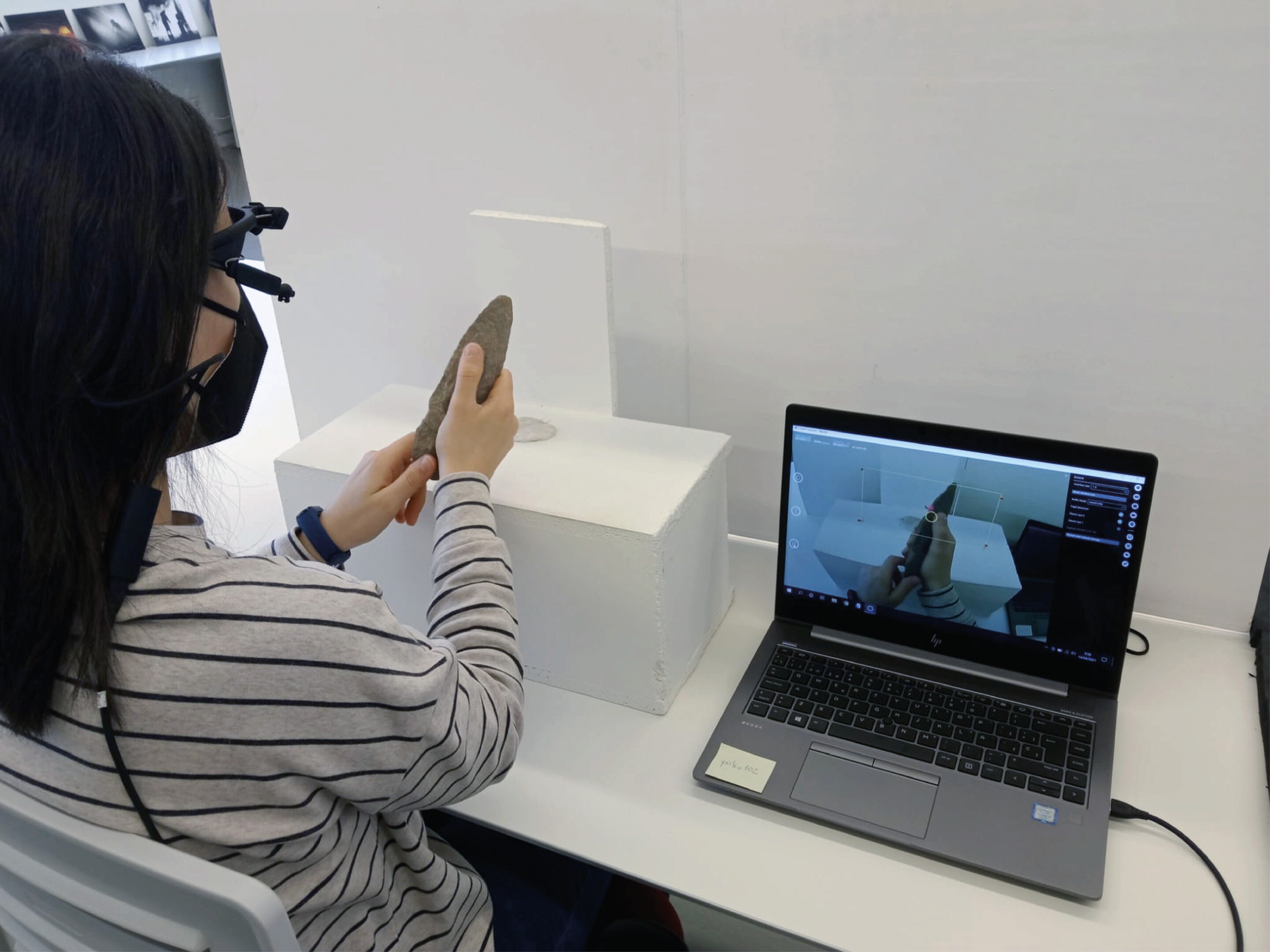
    Experimental session. Credit: M. Silva

    The journal Archaeological and Anthropological Sciences published a study from The Paleoneurology Group at the Centro Nacional de Investigación Sobre la Evolución Humana (CENIEH)

     led by Emiliano Bruner. This study analyzes visual exploration patterns during handling of Lower Paleolithic tools, being the first application of the eye-tracking methodology to real stone tools.

    The study was in collaboration with the University of Lincoln (United Kingdom), Universidad Isabel I in Burgos, and the Centro de Arqueología Experimental de Atapuerca (CAREX). Its goal was to investigate the body-tool interaction from a cognitive perspective to see which sections of tools attract the most attention.

    Eye-tracking is one of the methods for investigating visual perception, which consists of the detection of the movements of the pupil through an infrared system. The study employs this technology during visual exploration and handling of various tools, consisting of worked pebbles and handaxes.

    The researcher María Silva Gago, lead author of this work, explains that this allows them to quantify attention time and analyze which parts of the tools the gaze focuses on during the exploration process. 

    The results show that the region most gazed upon is the central area of the tool, followed by the top and the base. Simultaneously, the natural surface attracts less attention than the worked parts. Silva adds that the gaze is focused mainly on the functional areas.

    Differences in the visual exploration patterns were observed when comparing the two types of tools used. Still, this exploration strategy remains the same whether these tools are simply observed or are both observed and handled.

    Vision is our primary source of information and plays an essential role in perceiving the affordances of objects: This is a principle widely used in psychology to describe the properties or features which inform us how or for what a particular object is used. “Distinguishing these affordances is an involuntary act we perform daily,” states Silva.

    The results acquired in this study imply that the perception of affordances directs visual behavior, potentially since the brain-body-tool interaction, related to the culture of the Lower Paleolithic, first emerged.


    Originally published on Phys.org. Read the original article.

    More information: María Silva-Gago et al, Visual attention reveals affordances during Lower Palaeolithic stone tool exploration, Archaeological and Anthropological Sciences (2021). DOI: 10.1007/s12520-021-01413-1

  • Archaeologists Reveal Origins of Famous Stone Age Monument

    Archaeologists Reveal Origins of Famous Stone Age Monument

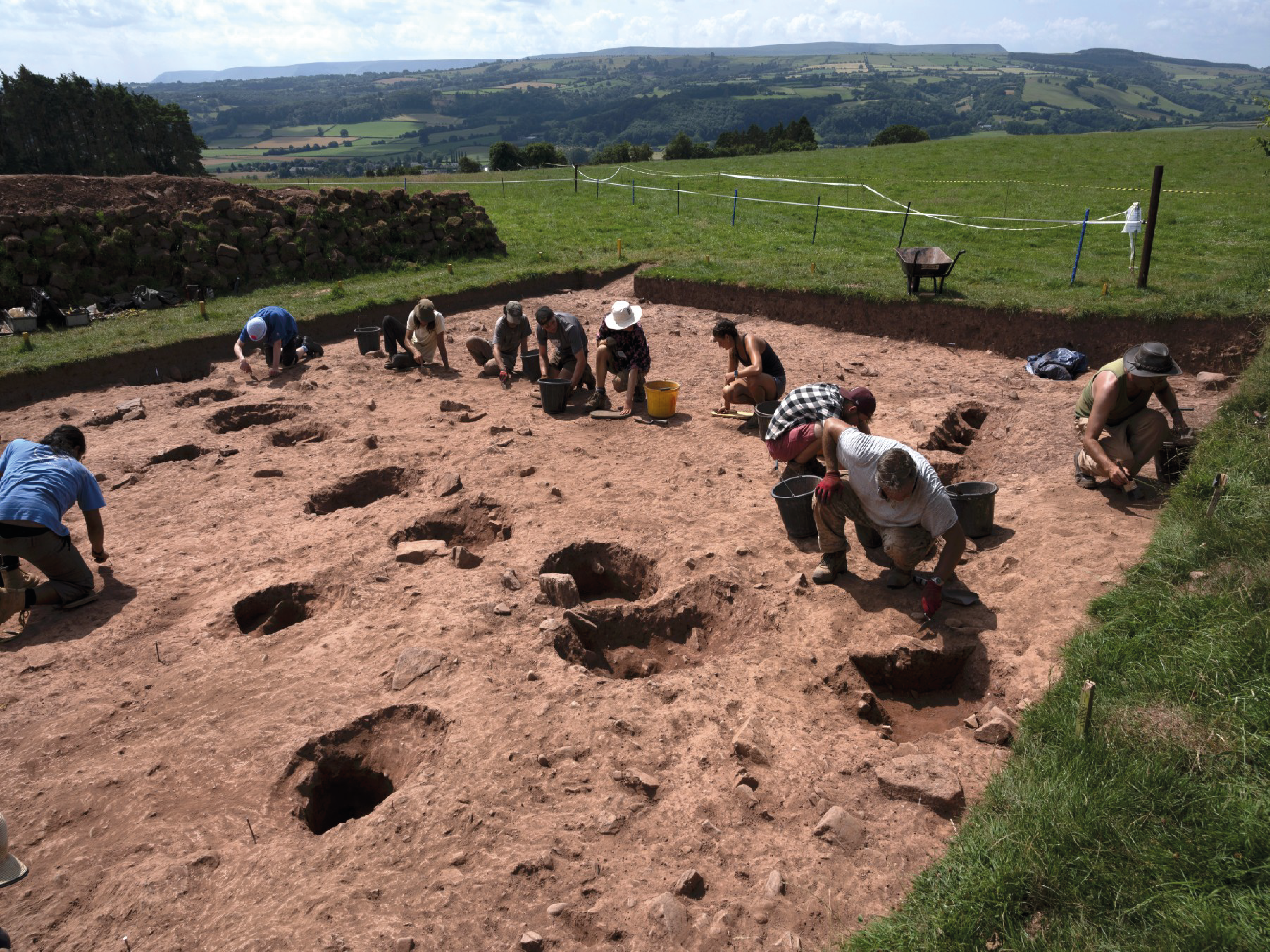
    Credit: University of Manchester

    The origins of Arthur’s Stone, one of the UK’s most famous Stone Age monuments, were discovered by archaeologists from the Universities of Manchester and Cardiff.

    According to Manchester’s Professor Julian Thomas, who led the excavation, the ominous Herefordshire tomb links to nearby “halls of the dead” discovered in 2013.

    This construction inspired the ‘stone table’ in C.S. Lewis’ The Lion, the Witch, and the Wardrobe, and, for the first time, it has been properly excavated.

    Located on an isolated hilltop outside of the village of Dorstone, facing the Black Mountains in South Wales, Arthur’s Stone dates back to the Neolithic period in 3700BC.

    Archaeologists consistently assumed that its large capstone elevated on a collection of supporting stones and lower chamber with a right-angled passage stood within a wedge-shaped stone cairn, comparable to those discovered in the Cotswolds and South Wales. However, Professor Thomas and Cardiff’s Prof Keith Ray demonstrated that the monument initially extended into a field immediately south of the tomb.

    The English Heritage cares for Arthur’s Stone which is a scheduled monument. Outside the area of guardianship in an area south of the burial chamber, the excavations took place.

    They discovered that the tomb had initially been a long mound composed of piled turf, retained by a palisade of upright posts embedded in a slim palisade bordering the pile. However, when the posts deteriorated away, and the mound had broken down, an avenue of bigger posts was included, leading towards the pile from the Golden Valley below.

    Thomas states that Arthur’s Stone’s origins had been unclear until now, despite being an iconic Megalithic monument of international importance. He also muses about how being able to shine a light on this tremendous 5700-year-old tomb is exciting and helps to relay the story of our origins.

    The first pile, recognizable in the palisade slot and the parch-marks noticeable from the air surrounding the stone chambers – points towards the nearby hilltop of Dorstone Hill.

    However, the later avenue of posts, along with the two stone chambers and an upright stone located promptly in front of them, straighten on the far horizon in the space between Skirrid and Garway Hill to the southeast.

    Professor Thomas adds that the diverse orientations of the two-phase of construction are substantial since their excavations on Dorstone Hill in 2011-19 showed three long mounds similar in construction to what is now known to represent the first phase of Arthur’s Stone.

    “Each of these three turf piles had been established on the footprint of a big timber building that had been intentionally burnt down. So Arthur’s Stone has been recognized as being strongly related to these neighboring “halls of the dead,” which reached the headlines in 2013.

    “Certainly, the block of upland in between the Golden Valley and the Wye Valley is currently coming to be revealed as holding an integrated Neolithic ceremonial landscape.”

    The excavations at Arthur’s Stone make up part of the “Beneath Hay Bluff Project,” which has been examining early prehistoric southwest Herefordshire ever since 2010, under the directorship of Keith Ray and Julian Thomas, with associate directors Nick Overton (University of Manchester) and Tim Hoverd (Herefordshire Council).


    Originally published on Phys.org. Read the original article.

  • Rare Upper Paleolithic Human Remains Found at the Cova Gran de Santa Linya Site

    Rare Upper Paleolithic Human Remains Found at the Cova Gran de Santa Linya Site

    Remains of Linya, recovered in Cova Gran site. Credit: CEPA

    At the Cova Gran de Santa Linya site (La Noguera, Lleida), the remains of a female attributed to H. sapiens were discovered by scientists of the Centro Nacional de Investigación Sobre la Evolución Humana (CENIEH). The carbon-14 record of the sediments in the natural vessel where her remains were discovered shows that she lived in the northeast of the Iberian Peninsula at the end of the Upper Paleolithic, around 14,000 years ago.

    The history of the populations living in the Pre-Pyrenees of Lleida over the last 50,000 years, from Neanderthals to the first Homo sapiens to the earliest farmers, is possible to reconstruct, thanks to the innumerable buried vestiges of the sediments preserved in Cova Gran.

    Previously, material records from between 45,000 and 4000 years ago were found by a team of researchers from the Archaeological Heritage Center at the Universitat Autònoma de Barcelona (CEPARQ-UAB) and the CENIEH, since they began studying Cova Gran upon its discovery in 2002. Until the 2020 excavation campaign, no bone remains of the individuals who inhabited it had been located.

    The CENIEH researcher Alfonso Benito Calvo explains that they recovered bone remains belonging to a human skeleton, still partly connected, two meters beneath the ground of a side zone of the excavation. A location that didn’t foresee the appearance of this kind of remains.

    This week, the initial paleoanthropological characterization of all the remains recovered was announced, suggesting that the pelvic girdle is from an adult woman, probably a small one, and who has been named “Linya, the La Noguera woman.” The remains include two femurs, one still attached to the pelvis, long bones from the upper limbs (humerus, radius/ulna) and lower ones (tibia and fibula), and scattered metapodials and phalanges. Despite being present, the skull and axial skeleton (vertebrae and ribs) are poorly represented.

    Funerary treatment

    In a place considered to be a natural receptacle formed by multiple large blocks which had fallen from the shelter roof, Linya was found. Her entire body was placed in this space, and the arrangement of the femurs suggests it rested directly on the ground in the supine position.

    Presently, the team is investigating elements of possible grave goods, a common practice among H. sapiens burials. Samples of the sediment from the receptacle are collected to determine the processes the body was subjected to and to search for microresidues that could hint whether it was covered with skins or plant fibers, justifying an intention of depositing the cadaver without requiring to excavate a grave.

    Funerary treatment varies among hunter-gatherers, from intentional burial to secondary burial, depositing only part of the body, cannibalism, or accidental death. According to Benito Clavo the results, provided by the excavation of the natural receptacle where the remains appeared will determine these scenarios’ evaluation.

    A key site

    The Cova Gran de Santa Linya site is regarded as the key to investigating human presence in the northeastern Iberian Peninsula. Traces of “transition” moments were identified – such as that of the last Neanderthals (45,000 years ago) and the appearance of the first modern humans (between 37,000 and 30,000 years ago), the continuation of the latter during the Last Glacial Maximum (20,000 to 15,000 years ago) and the rise of the first farmers (7000 and 4000 years ago) – on this site, extending over 2500 m2. This makes it one of the few sites Mediterranean region with these traces.

    Benito Clavo adds that prehistoric remains of modern humans in the Iberian Peninsula are very scarce. The study of Linya will allow us to learn more about the hunter-gatherers of the northeast of the Peninsula and how they lived.


    Originally published on Phys.org. Read the original article

  • Evidence of the Earthquake Cited in the Bible is Found in Jerusalem

    Evidence of the Earthquake Cited in the Bible is Found in Jerusalem

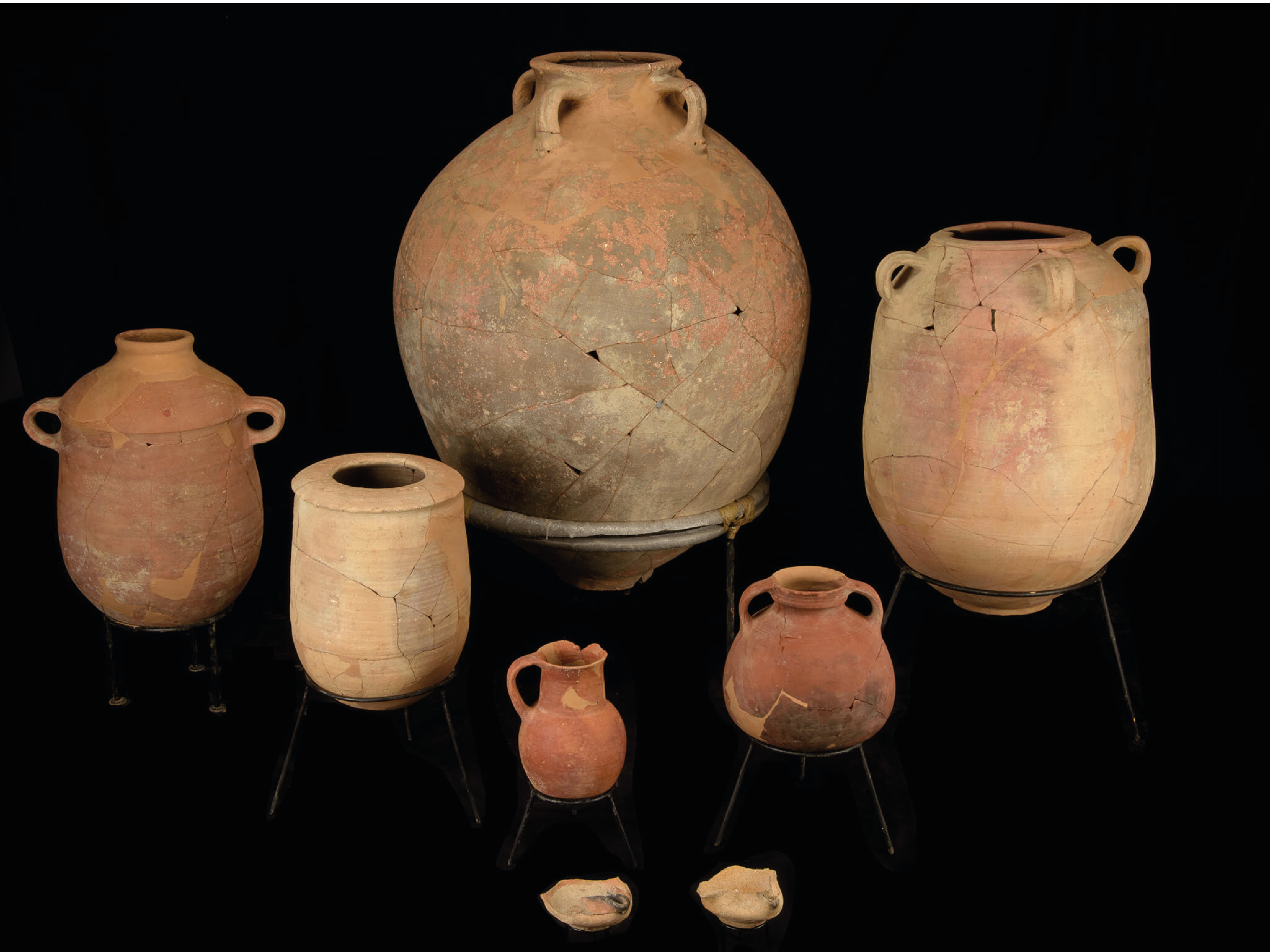
    The storage vessel after restoration – Photo: Dafna Gazit Israel Antiquities Authority. Medicine: Joseph Bocangolz

    A team of scientists from the Israel Antiquities Authority found evidence of a massive earthquake in the city of Jerusalem dating back to approximately 2,800 years ago.


    Previous research had uncovered evidence of a significant earthquake in Israel in the mid-eighth century BC at places such as Hatzor and Tell es-Safi/Gath, but no evidence was found in Jerusalem. In this new attempt, the researchers found evidence of damage from an excavation in the City of David National Park, alongside references to the earthquake in the Hebrew Bible.


    Researchers point out that the earthquake was mentioned in both the book of Zechariah and the book of Amos. Both described the damage that resulted in Jerusalem many years after the event, suggesting that it probably had a great impact on the people living there at the time. Furthermore, they discovered physical evidence in the form of broken pottery, lamps, kitchen utensils, furniture, and crumbling walls. They also unveiled what they describe as a “row of broken vessels,” reminiscent of damage seen in other earthquakes. The artifacts were covered by earthquake survivors, who built structures on top of them, forming what the team refers to as a layer of destruction. When looking at the damaged products, they could find no evidence of fire or intentional damage, such as intruders, making an earthquake the best candidate. They also mention that the buried depth of the artifacts helped locate them at the time of the earthquake.

    The things found at the excavation site surprised the researchers because previous research showed that Jerusalem continued to exist as a city even after the earthquake until the time of Babylon’s destruction, which occurred approximately 200 years later. They suggest that it seems likely that while the earthquake heavily impacted Jerusalem, it was not the epicenter. The team is supposed to make a presentation describing their work at this year’s City of David Research Conference.

    Check out the Israel Antiquities Authority video about the discovery:


    This article is republished from PHYS under a Creative Commons license. Read the original article.

  • Branches Of Chemistry

    Branches Of Chemistry

    Chemistry is the study of chain reactions taking place in between the various elements and also substances. This is among the significant branches of the Scientific research stream after Physics and also Biology. Whatever around us uses up space, and mass is referred to as ‘matter,’ which is mainly constructed from the small bits referred to as ‘atoms’. Research of chemistry gives scientists insights into various other elements of Physical Science and establishes effective analytical devices for clinical applications. As a result of a broad range of research, the subject has been organized right into adhering to distinct branches of Chemistry that stress the parts of chemical ideas.

    Organic Chemistry

    Organic Chemistry is among the most important branches of chemistry that research studies chemical substances consisting of carbon components combined with ‘carbon-hydrogen bonds (hydrocarbons). It is usually called the ‘Chemistry of Life’ that takes care of natural compounds’ framework, residential properties, and reactions. Research of Organic Chemistry aids students to identify and also identify the numerous naturally happening substances and create one with desired residential properties and features. Grads can work in numerous markets such as drugs, gas, rubber, cosmetics, plastic, cleaning agents, agrochemicals, and covering industries.

    Inorganic Chemistry

    Inorganic Chemistry studies the framework, properties, and reactions of non-carbon chemical compounds or those that do not contain carbon-hydrogen bonds. Simply put, it is one of the branches of chemistry that manages ‘non-organic chemicals in nature. The subject consists of the synthesis and practices of not natural or organometallic chemical compounds found in the earth’s crust and non-living matter.

    Physical Chemistry

    Physical Chemistry covers the ‘physical homes’ of chemical substances using regulation and numerous principles of Physics, such as activity, energy, force, time, statistical technicians, quantum chemistry, and thermodynamics. This is just one of the most interesting branches of Chemistry that allows trainees to recognize the physical characteristics of chemical substances like temperature level, volume, pressure, conductivity, plasticity, toughness, surface area stress in fluids, solubility, viscosity, boiling point, melting point and also color. The topic is studied using various mathematical models and solutions.

    Analytical Chemistry

    Analytical Chemistry is among the quantitative branches of Chemistry that take care of chemical materials ‘recognition, splitting up, and quantification. The knowledge of Analytical Chemistry allows chemists and researchers to establish the quantity of chemical substances in an offered product. The topic has been further categorized right into adhering to two classifications:

    1. Qualitative Evaluation: It entails procedures that are performed to determine a chemical material in a provided example.
    2. Quantitative Analysis: It includes finding out the focus or amount of the substance in the offered example.

    Biochemistry 

    He is one of the essential branches of Chemistry, Biochemistry, and biology research the biological framework, make-up, and chain reaction at the cellular and molecular level. This covers various living microorganisms such as plants, bugs, infections, bacteria, and so on. Biochemistry is an amalgamation of Biology with Organic, Inorganic, and Physical Chemistry. Different topics covered in this subject include diseases, the chemical basis of genetics, and exactly how living organisms derive power from food.

    Ecological Chemistry

    It is the research of biochemical procedures that occur in the natural surroundings. Environmental chemistry is a mixture of various topics such as biology, math, toxicology to discover the methods for sustainable advancement. Environment chemistry is an essential branch of chemistry because it manages ecological features.

    Industrial Chemistry

    Industrial Chemistry is necessary to manufacture brand-new products. Raw products are dissolved, heated, filtering system, and various other strategies to create a new item. Instances of industrial chemistry are petrochemicals-ethylene, propylene, benzene, styrene, Ceramic products-silica block, etc.

    Polymer Chemistry

    It focuses on polymers and macromolecules. Polymer structures exist in organic chemistry, analytical chemistry, and physical chemistry as well. It can likewise be included in nanotechnology. Even more, it can be identified into thermoplastics, thermosets, elastomers, and artificial fibers.

    Nuclear Chemistry

    As the name suggests, it is the study of nuclear reactions. It is clearly used in different therapies and treatments. It revolves around radioactivity, atomic processes, as well as transformations.

    Geochemistry

    Geochemistry is an in-depth study of Planet Solutions and Environmental Sciences. Geochemistry is essential to comprehend the mineral, weathering representatives, as well as various other ecological aspects. The planet is made up of different chemicals as well as geochemistry is the research of all those chemical processes.

    Confer resume in the video below:


  • What Is A Career In Biotechnology Like?

    What Is A Career In Biotechnology Like?

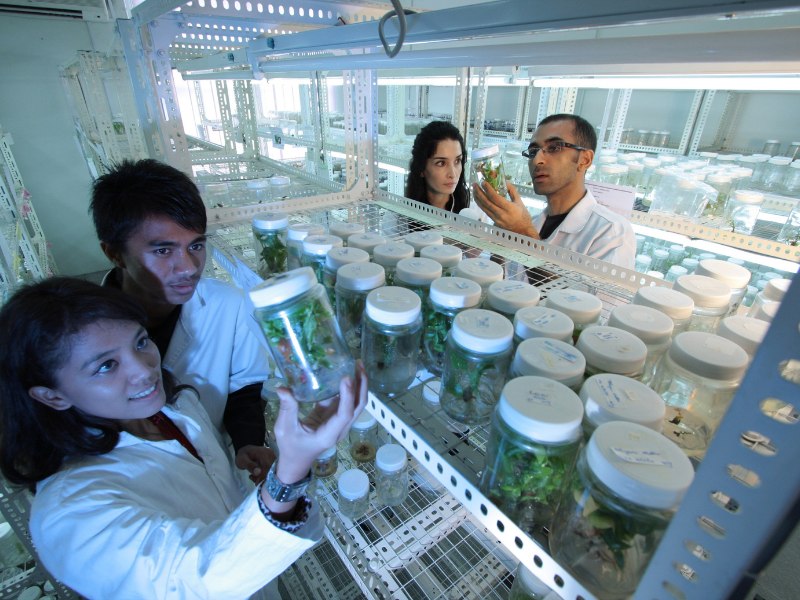
    Biotechnology is the combination of engineering and innovation to the life sciences.

    Biotechnologists frequently utilize bacteria or biological compounds to carry out particular processes or for production. Examples consist of the production of drugs, hormones, foods and converting waste products.

    There are many sub-branches associated with the biotech industry. A few of the more typical branches consist of; molecular biology, genetic modification, and cell biology.

    A brand-new and amazing sub-branch needing biotechnologists is the field of nanotechnology. Nanotechnology offers us the ability to craft the tiniest of things, things at the molecular level. Nano indicates a billionth of a specific unit in Greek. Nanotechnology includes the study and control of materials between 1 and 100 nanometers.

    To offer you an idea, DNA is roughly 2.5 nanometers. Red blood cells are 2.5 micrometers (1,000 times bigger). And a sheet of paper is about 100,000 nanometers thick!

    As you can imagine, it is extremely hard to scale and standardize items within the realm of nanotechnology. Their minute size makes them almost difficult to control. Scientists and engineers have teamed up to make the relatively impossible a truth.

    Which suggests those with the proper training will be extremely sought after in the future. The National Science Foundation estimates that the U.S. alone will require up to 1 million nanotechnology scientists. It is approximated that the requirement for nanotechnology workers will reach 2 million by 2015.

    For that reason, if you’re considering getting into the field of biotech, you might wish to gear your background in nanotechnology if your school provides it or seek employment in this amazing brand-new profession field after graduating.

    No matter what sub-branch you end up specializing in, biotechnologists typically collaborate with others in the laboratory and bounce ideas off one another. This can create an enjoyable workplace; one that includes sharing with others and working together to achieve a fantastic objective.

    A new and exciting sub-branch needing biotechnologists is the field of nanotechnology. Nanotechnology provides us the ability to craft the smallest of objects, things at the molecular level. Nanotechnology consists of the research study and manipulation of products in between 1 and 100 nanometers.

    The National Science Foundation approximates that the U.S. alone will need up to 1 million nanotechnology scientists.