Author: Mauro Lucas

  • A Magnetic Vortex is Churning the Haze at Jupiter’s Poles

    A Magnetic Vortex is Churning the Haze at Jupiter’s Poles

    Credit: Pixabay

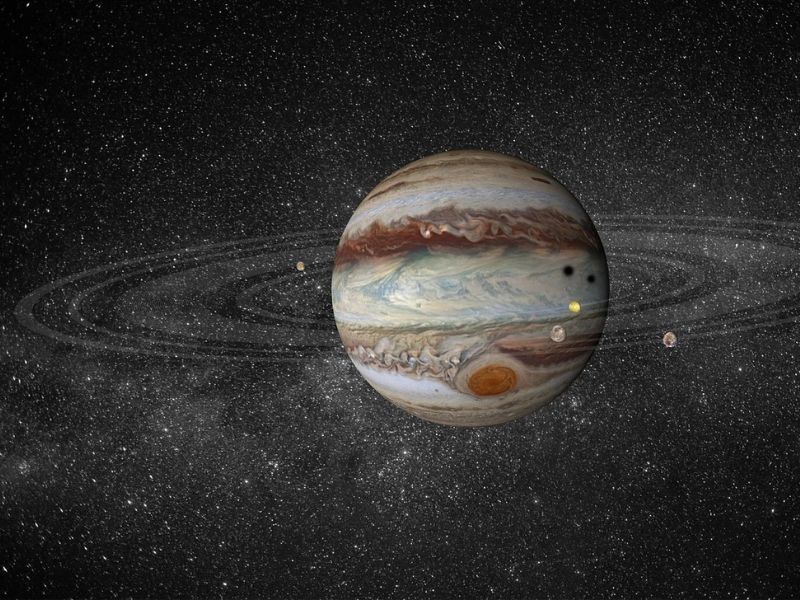
    Jupiter’s Great Red Spot has long been a planetary icon. However, UC Berkeley astronomers have now identified equally massive, Earth-sized dark spots at the planet’s poles. These UV-dark ovals, which appear within the stratospheric haze at the poles, come and go unpredictably. Notably, they sit just below the auroral zones and absorb more ultraviolet light, making them stand out as dark features in images from NASA’s Hubble Space Telescope.

    Between 2015 and 2022, Hubble images showed southern UV-dark ovals (SUDO) 75% of the time. In contrast, northern UV-dark ovals (NUDO) appeared in only one out of eight images.

    Unusual Magnetic Activity at Jupiter’s Poles

    Moreover, these ovals point to unusual magnetic processes at Jupiter’s poles that extend deep into the atmosphere, far below the aurora-producing magnetic activities seen on Earth. The findings, published in Nature Astronomy, highlight research led by UC Berkeley undergraduate Troy Tsubota and senior astronomer Michael Wong. Tsubota analyzed Hubble images, identifying eight SUDOs between 1994 and 2022, while only two NUDOs were spotted in the same period.

    The images, part of the Outer Planet Atmospheres Legacy (OPAL) project led by NASA’s Amy Simon, track atmospheric dynamics on Jupiter, Saturn, Uranus, and Neptune. Tsubota described the data as a “gold mine,” enabling detailed analysis and new discoveries.

    Magnetic Vortices May Drive Haze Formation at Jupiter’s Poles

    In fact, the team, including experts Tom Stallard and Xi Zhang, studied the cause of the dense hazes. However, Stallard proposed that a vortex, created by magnetic field interactions in Jupiter’s ionosphere and plasma, stirs the atmosphere, forming the dark ovals. This vortex weakens with depth, like a tornado lifting dust, though it’s unclear whether it draws haze from below or creates new haze.

    The ovals appear to form in about a month and dissipate within weeks. Zhang noted the haze in these ovals is 50 times thicker than normal, driven more by vortex dynamics than chemical reactions from high-energy particles. The study exemplifies OPAL’s goal of uncovering atmospheric dynamics across the solar system’s gas giants.

    Understanding connections between atmospheric layers is crucial for all planets, including exoplanets and Earth,” Wong explained. “These findings reveal processes linking Jupiter’s internal dynamo, its satellites, plasma environment, ionosphere, and stratospheric hazes, helping us view the planet as a cohesive system.”


    Read Original Article: ScienceDaily

    Read More: Scitke

  • Fossil Fuel CO2 Emissions Rise Once More in 2024

    Fossil Fuel CO2 Emissions Rise Once More in 2024

    Global carbon emissions from fossil fuels hit a record high in 2024, according to the latest research from the Global Carbon Project. Fossil CO2 emissions are projected to reach 37.4 billion tonnes, a 0.8% increase from 2023. Despite the urgent need to cut emissions to combat climate change, researchers say there is no sign yet of a peak in global fossil CO2 emissions.
    Credit: Pixabay

    Global carbon emissions from fossil fuels hit a record high in 2024, according to the latest research from the Global Carbon Project. Fossil CO2 emissions are projected to reach 37.4 billion tonnes, a 0.8% increase from 2023. Despite the urgent need to cut emissions to combat climate change, researchers say there is no sign yet of a peak in global fossil CO2 emissions.

    Including emissions from land-use change, such as deforestation, total CO2 emissions are expected to rise to 41.6 billion tonnes in 2024, up from 40.6 billion tonnes in 2023. Over the past decade, fossil fuel emissions have steadily increased, while emissions from land-use change have decreased on average, leaving overall emissions relatively stable.

    However, this year both fossil and land-use change emissions are on the rise, partly driven by drought and increased forest fires linked to the El Niño climate event.

    Currently, more than 40 billion tonnes of CO2 are released into the atmosphere annually, pushing global temperatures higher and intensifying climate impacts.

    The research team, which includes experts from institutions such as the University of Exeter, University of East Anglia, and CICERO Center for International Climate Research, underscores that “time is running out” to meet Paris Agreement targets. Professor Pierre Friedlingstein, who led the study, warned that without rapid, deep cuts in emissions, global temperatures will continue to rise, causing severe consequences.

    Signs of Progress Amid Rising Emissions

    Despite the overall increase in emissions, there are signs of progress. For example, renewable energy and electric vehicles are displacing fossil fuels, and deforestation emissions have decreased in recent decades. However, Dr. Glen Peters of CICERO cautioned that while some countries are reducing emissions, others are still increasing them, highlighting the need for faster, more global action to drive emissions downward toward net-zero.

    Other key findings from the 2024 Global Carbon Budget include:

    • Fossil Fuel Emissions: Coal emissions are projected to increase by 0.2%, oil by 0.9%, and gas by 2.4%, making up 41%, 32%, and 21% of global fossil CO2 emissions, respectively. Coal emissions could still decline, depending on uncertainties in the projections.
    • Regional Emissions: China, which accounts for 32% of global emissions, is projected to see a slight increase of 0.2%. The US (13% of the total) is expected to decrease emissions by 0.6%, while India’s emissions (8% of the total) are projected to rise by 4.6%. The European Union’s emissions (7% of the total) are expected to decrease by 3.8%.
    • Land-use Change: Emissions from deforestation are set to rise in 2024, reversing a decade-long decline, although reforestation efforts are offsetting about half of these emissions.
    • Global CO2 Levels: Atmospheric CO2 is projected to reach 422.5 ppm in 2024, 2.8 ppm higher than in 2023, and 52% above pre-industrial levels.

    In summary, while some positive steps are being made, the research underscores the urgent need for accelerated global action to reduce emissions and mitigate the worsening effects of climate change.


    Read Original Article: ScienceDaily

    Read More: Scitke

  • Previously Unknown Chemical Discovered in Drinking Water

    Previously Unknown Chemical Discovered in Drinking Water

    Credit: Pixabay

    Drinking water in developed countries is generally clean, yet invisible contaminants can still pose risks. For decades, scientists have puzzled over a mysterious “phantom chemical” in treated water. Now, researchers have identified this elusive compound, revealing it as entirely new to science.

    The Mystery of Chloramine By-Products

    Chlorination is a common method for disinfecting drinking water, effectively eliminating most pathogens but often producing harmful by-products. To reduce these risks, chloramine, a related compound, is frequently used in the U.S. and other regions because it produces fewer by-products and remains effective longer. However, chloramine has its own by-products, and chemical analyses have consistently shown that 5–10% of nitrogen from chloramine disappears, locked in a compound that had evaded identification—until now.

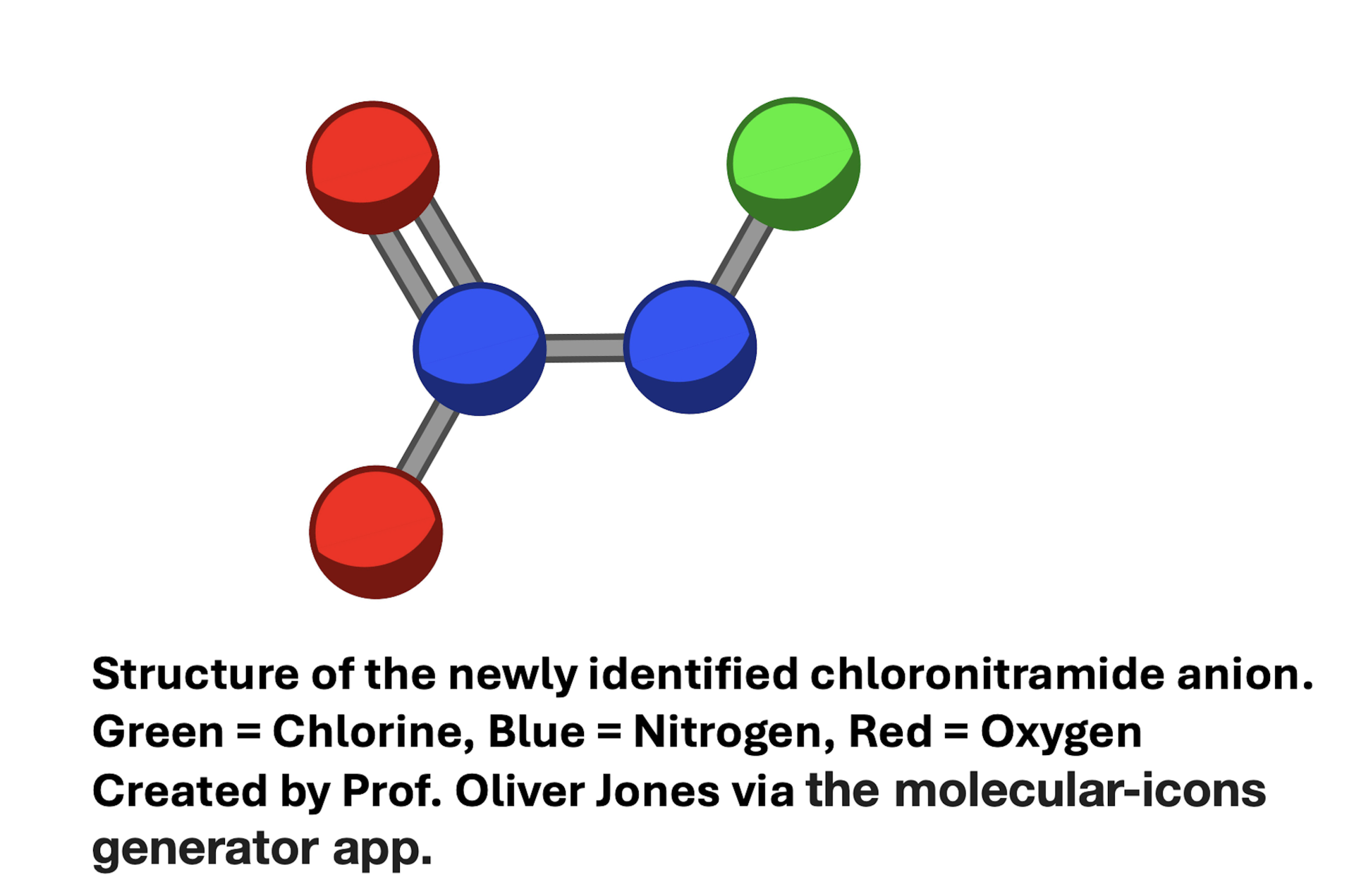
    Scientists have identified this “phantom chemical” as a chloronitramide anion, a negatively charged molecule composed of chlorine, nitrogen, and oxygen atoms. By synthesizing and isolating the compound, they used advanced tools like high-resolution mass spectrometry and nuclear magnetic resonance spectroscopy to determine its properties.

    Chloronitramide Anion Found in U.S. Water Systems at Concerning Levels

    An illustration of the structure of the newly identified molecule
    Oliver Jones

    A Newly Identified By-Product Exceeding Safety Limits

    Further investigation revealed the presence of chloronitramide anion in chloramine-treated water systems across the U.S., with concentrations reaching up to 100 micrograms per liter. This level exceeds the typical regulatory limits of 60–80 micrograms per liter set for disinfection by-products.

    Although its toxicological profile remains unclear, early analyses suggest the compound may not be entirely harmless. “A toxicological investigation would be valuable now that we know its identity, but I’m not overly concerned about my tap water,” says Oliver Jones, Professor of Chemistry at RMIT. Jones emphasizes that while the compound’s presence has been known for over 30 years, its detailed definition is new. He adds that the detected concentrations were generally below regulatory limits in most samples, and only 40 samples were tested—insufficient to draw conclusions about all U.S. tap water.

    Whether or not chloronitramide poses significant health risks, identifying this long-unexplained chemical marks a critical step forward. The study was published in Science.


    Read Original Article: New Atlas

    Read More: Scitke

  • A Robot Designed to Enhance Structural Strength Leaves its Imprint in Wet Concrete

    A Robot Designed to Enhance Structural Strength Leaves its Imprint in Wet Concrete

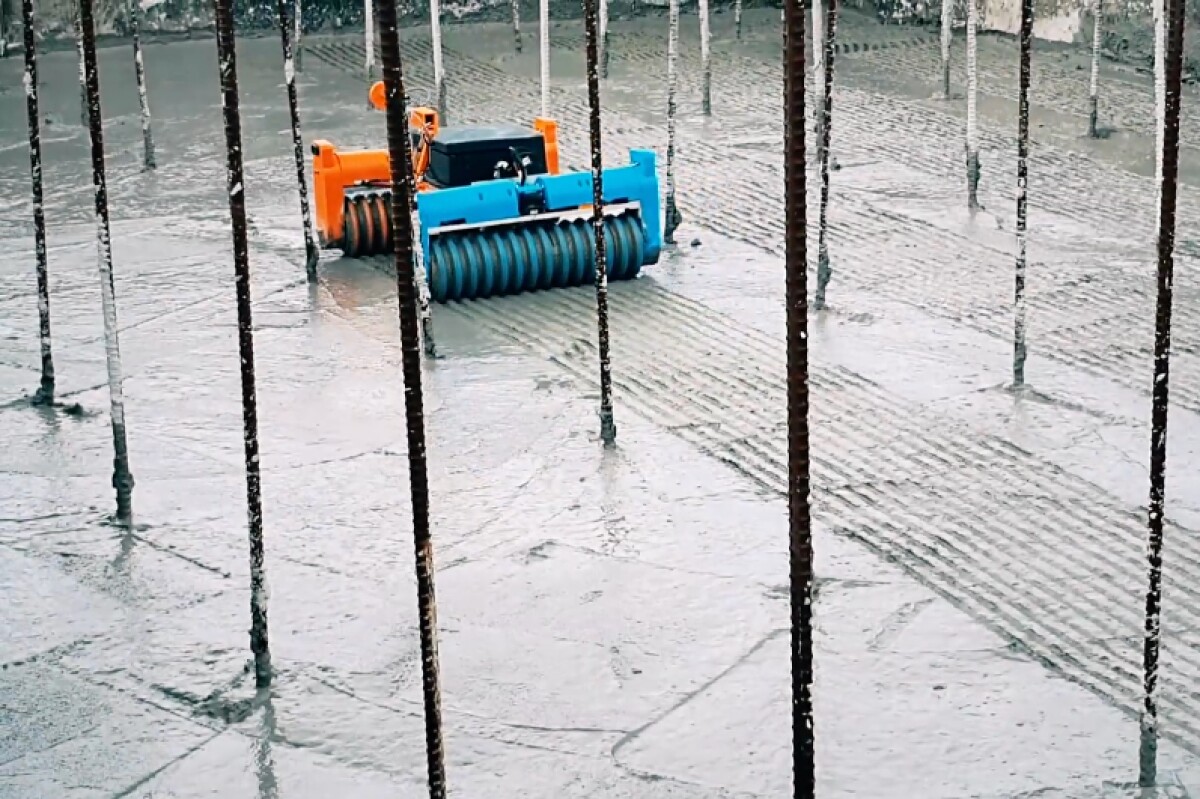
    When we imagine freshly poured concrete, we usually think of leaving it to dry smoothly. However, a new robot, the Conit Runner, rolls over wet concrete, carving grooves to strengthen structures while reducing costs.
    The Conit Runner robot has been nominated for a CES 2025 innovation award
    Itone

    When we imagine freshly poured concrete, we usually think of leaving it to dry smoothly. However, a new robot, the Conit Runner, rolls over wet concrete, carving grooves to strengthen structures while reducing costs.

    Deep layers of wet concrete can crack as they dry, so concrete is typically poured in thin layers. To improve shear strength—resistance to sliding between layers—steel rebar is often added vertically throughout the structure. While rebar enhances strength, it adds cost and weight. Alternatively, workers sometimes manually groove wet layers to improve bonding, reducing rebar needs.

    Revolutionizing Concrete Grooving with Robotics

    The Conit Runner automates this process, cutting rows of grooves into wet concrete at speeds of up to 10 mph (16 km/h). Equipped with LiDAR, cameras, and sensors, it navigates obstacles and ensures concrete is firm enough to support its 22-lb (10-kg) weight while still soft enough for grooving. Developed by Itone and Posco E&C, the robot reportedly reduces rebar use by 30% and speeds up construction by 85%, matching the efficiency of eight workers.

    Though not yet widely available, the Conit Runner shows promise for faster, more cost-effective concrete construction.

    Developed collaboratively by Korean robotics company Itone and construction firm Posco E&C, the device autonomously traverses wet concrete surfaces at speeds of up to 10 mph (16 km/h), carving grooves with its two 15-inch (381-mm) wheels along the way.

    Equipped with LiDAR, ultrasound sensors, cameras, and an inertial measurement unit (IMU), the robot efficiently navigates these surfaces and avoids obstacles like rows of rebar. It can also assess the concrete’s hardness, ensuring it is solid enough to support the robot’s 10-kg (22-lb) weight while remaining soft enough to create grooves at least 0.24 inches (6 mm) deep.

    An integrated mechanism keeps the robot’s wheels from getting clogged with concrete sludge
    Itone

    Itone claims that the Conit Runner can reduce the need for rebar reinforcement by up to 30% while speeding up construction by as much as 85%, delivering productivity equivalent to that of eight human workers.

    As of now, there’s no information on when the robot will see widespread adoption, but you can watch it in action in the video below.

    CONIT Runner is an robot designed for construction sites, indentations on wet concrete surfaces

    Read Original Article: New Article

    Read More: Scitke

  • This Meteorite Has Uncovered an Ancient Traces of Water on Mars

    This Meteorite Has Uncovered an Ancient Traces of Water on Mars

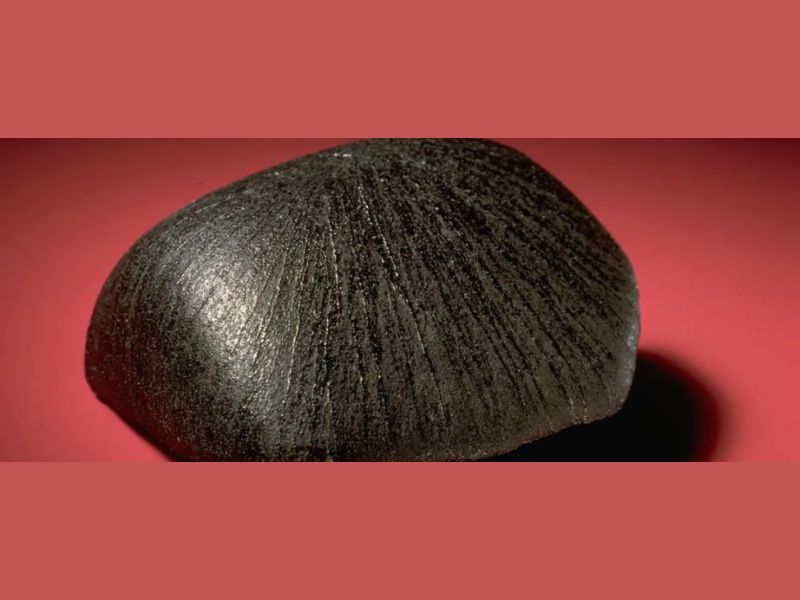
    Most of the Lafayette meteorite is kept at the Smithsonian National Museum of Natural History. (NMNH)

    There is increasing evidence that Mars was once a wet and watery world, with lakes and oceans shaping its surface, leaving behind sediments that are now being carefully analyzed by rovers exploring the planet’s dry, dusty landscape. We know water existed on Mars, but determining exactly when, how, and where it went is more complex. However, a new clue has emerged: a meteorite ejected from Mars 11 million years ago and later reaching Earth has revealed that liquid water may have been present on Mars less than a billion years ago.

    A fresh analysis of the Lafayette Meteorite shows that minerals inside it formed in the presence of water around 742 million years ago. This is a significant breakthrough in dating Mars’ aqueous minerals, suggesting that, at times, Mars may have still been damp. Geochemist Marissa Tremblay from Purdue University explains, “Dating these minerals helps us understand when liquid water existed on Mars’ surface in the planet’s past.

    Minerals in the Lafayette Meteorite, Including Iddingsite with Argon Inclusions, Provide Key Clues to Mars’ Water History

    A piece of the Lafayette meteorite at Purdue University. (Purdue Brand Studio)

    The minerals studied include iddingsite, a rock that forms from volcanic basalt in the presence of liquid water. The Lafayette Meteorite contains iddingsite, which also has argon inclusions, providing another clue.

    While dating minerals can be tricky, technological advancements have made this process more accurate. Using radiometric dating, scientists analyze isotopes of argon to determine when the element formed. Argon is a product of potassium’s radioactive decay, and by measuring the amount of the isotope argon-39, researchers can calculate how long ago the rock formed.

    Dating Water-Rock Reactions in Meteorites

    In their study, the researchers used this technique on a sample from the Lafayette Meteorite to measure the time that had passed since water and rock interacted to form iddingsite. Despite the meteorite’s journey through space—where it was subjected to impact, heating, and atmospheric entry—the team was able to model and account for these temperature changes and confirm that they did not affect the age of the mineral formation.

    These findings offer new insights into the timeline of moisture on Mars, suggesting that the presence of water aligns with a period of increased volcanic activity. While such activity appears subdued now, recent data from the Mars InSight lander has revealed ongoing geological processes beneath the surface.

    A sample of olivine (green) and iddingsite (brown). (Matt Affolter/Wikimedia Commons, CC BY-SA 3.0)

    Beyond Mars, the researchers’ methods could have broader implications for studying other planetary bodies in the Solar System, including answering the long-standing question of how Earth acquired its water billions of years ago. “We have demonstrated a reliable way to date alteration minerals in meteorites, which can help us understand when liquid water might have been present on other planets,” says Tremblay.


    Read Original Article: Science Alert

    Read More: Scitke

  • A Guilt-Free Twist on One of the World’s Most Controversial Delicacies Foie Gras

    A Guilt-Free Twist on One of the World’s Most Controversial Delicacies Foie Gras

    Vow’s Forged Gras can be served in a number of ways – but you can only taste it at select restaurants
    Vow

    Australian company Vow is reinventing foie gras with a cruelty-free, lab-grown version that also aims to enhance its flavor.

    Foie Gras Reimagined

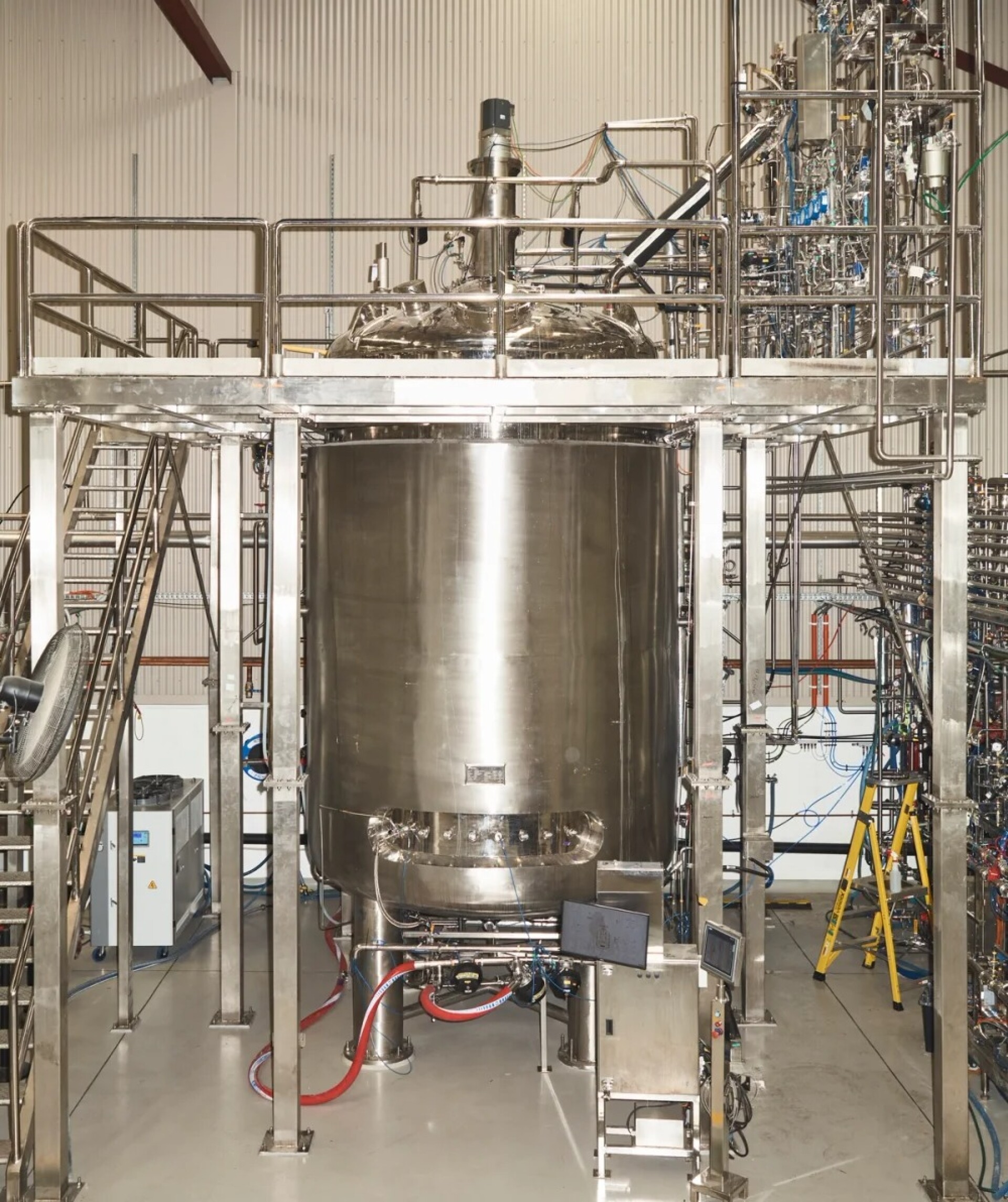
    Traditionally a French delicacy with roots in ancient Egypt, foie gras is made from the enlarged liver of ducks or geese force-fed a high-fat diet, prized for its buttery, rich taste. Vow takes a different approach by culturing Japanese quail cells combined with plant-based fat, fava bean protein, and flavorings to create what they describe as a “gamey, fatty liver texture.”

    Forged Gras is cultured for 79 days in a bioreactor like this one
    Vow

    Lab-Grown Delicacies by Vow

    The Sydney startup uses a 79-day process to culture animal cells, offering its creations through its high-end Forged brand. The lab-grown “Forged Gras,” currently served in restaurants in Singapore and Hong Kong, costs hundreds of dollars per pound and has been featured in dishes like ‘Peking Duck Tacos’ by Chef Masa Takayama.

    Since its founding in 2019, Vow has raised $56 million, focusing on bold, innovative flavors rather than affordable lab-grown meat. This shift offers an exciting option for food enthusiasts while sparing geese from traditional farming practices.

    Okay, this Forged Gras Uramaki Sushi with spring onions and sesame seeds looks scrumptious
    Vow

    Last week, New York-based Chef Masa Takayama highlighted the product in creative dishes such as ‘Peking Duck Tacos’ and ‘Maitake Gobo.’ Since its founding in 2019, the company has secured $56 million in funding and focuses on crafting innovative ingredients and flavors, setting itself apart from firms aiming to lower the cost of lab-grown meat. This is promising news for food enthusiasts seeking unique culinary experiences beyond traditional sources—and for French geese as well.


    Read Original Article: New Atlas

    Read More: Scitke
  • Watch: First-Ever Nanoscale Video of Hydrogen and Oxygen Atoms Forming Water

    Watch: First-Ever Nanoscale Video of Hydrogen and Oxygen Atoms Forming Water

    We all know the basic equation: hydrogen plus oxygen equals water. Now, scientists have taken it a step further, capturing the very first molecular-scale video of this iconic reaction. This breakthrough could ultimately pave the way for innovative methods to produce large quantities of drinking water.
    Image from Pixabay

    We all know the basic equation: hydrogen plus oxygen equals water. Now, scientists have taken it a step further, capturing the very first molecular-scale video of this iconic reaction. This breakthrough could ultimately pave the way for innovative methods to produce large quantities of drinking water.

    Palladium, a rare element, is a highly effective catalyst for converting hydrogen and oxygen gas into water, but the details of its reaction process have remained elusive. To gain insight, a team from Northwestern University employed an advanced technique, allowing them to observe the reaction in precise molecular detail.

    They placed palladium samples within nanoreactors, designed like tiny honeycombs, and sealed in an ultra-thin glass membrane. When the gases were introduced, the reaction was monitored using high-vacuum transmission electron microscopes.

    Hydrogen Atoms Penetrate Palladium, Expanding the Metal and Forming Tiny Water Bubbles

    With this powerful new perspective, the team observed that hydrogen atoms penetrate the palladium, causing the metal to expand as its atoms shift apart. Even more exciting, they watched tiny water bubbles form on the palladium’s surface.

    We think this may be the smallest bubble ever observed directly,” explained Yukun Liu, the study’s lead author. “It wasn’t what we expected, but luckily, we recorded it to prove we weren’t imagining things.”

    Nano-sized bubble of water forms out of thin air

    The resulting video provides an unprecedented nanoscale view of this reaction we all learned about in school. Beyond its visual appeal, the study has potential practical applications.

    Through further testing, the team discovered the most efficient sequence for water production on palladium: introducing hydrogen first, followed by oxygen, led to the quickest reaction. Hydrogen atoms enter the palladium, then combine with oxygen on the surface to create water.

    This breakthrough could inspire scalable methods for water generation. One potential application could involve loading palladium sheets with hydrogen, placing them on spacecraft, and producing drinking water by simply adding oxygen as needed.

    Palladium might seem expensive, but it’s recyclable,” noted Liu. “Our process doesn’t consume the palladium itself. Only the gas is consumed, and hydrogen is the most abundant element in the universe. After the reaction, the palladium platform can be reused repeatedly.”

    While this technology is still a long way from practical application, it holds promise for future on-demand water generation systems, addressing a vital need both on Earth and potentially beyond.


    Read Original Article On: New Atlas

    Read More: Scitke

  • First U.S. Onshore Wave Energy Project Receives Green Light

    First U.S. Onshore Wave Energy Project Receives Green Light

    In 2022, Eco Wave Energy (EWP) announced its ambitious plan to relocate its wave energy array from Gibraltar to the Port of Los Angeles. Now, after significant preparation and collaboration, the company has received final approval to establish the first onshore wave energy project in the US.
    EWP is looking to complete installation of its energy system at the Port of LA site but Q1 2025, which should look and operate similar to the company’s pilot setup at Jaffa Port in Israel (shown)
    Eco Wave Power

    In 2022, Eco Wave Energy (EWP) announced its ambitious plan to relocate its wave energy array from Gibraltar to the Port of Los Angeles. Now, after significant preparation and collaboration, the company has received final approval to establish the first onshore wave energy project in the US.

    Wave Energy Technology Makes Waves in the US

    EWP’s innovative technology works by mounting floaters on coastal infrastructure, which harness the motion of waves to drive hydraulic pistons that generate electricity through a generator.

    After proving the concept in 2012 and successfully operating a grid-connected pilot in Gibraltar for nearly six years, the company took steps to transition the project to the US. Unused components were recycled, while the energy conversion unit was overhauled and updated to meet US standards. By late 2022, the upgraded unit had arrived at AltaSea’s campus in the Port of LA, a key hub for climate and energy innovation.

    AltaSea CEO Terry Tamminen and EWP’s founder/CEO Inna Braverman sign the collaboration agreement for the pilot wave energy system at the Port of LA
    Eco Wave Power

    EWP Expands to the US with Portable Wave Energy Technology and Key Partnerships

    AltaSea CEO Terry Tamminen visiting the wave energy power station at Jaffa Port, Israel, in 2022
    Eco Wave Power

    CEO Inna Braverman highlighted the portability of their technology, calling the US expansion “just the start.” In 2023, EWP launched a US subsidiary and began securing approvals.

    Following a feasibility study, EWP partnered with Shell to pilot the installation. Now approved by the US Army Corps of Engineers, the project will feature eight floaters on Municipal Pier One and an energy conversion unit housed in shipping containers.

    Installation is slated for completion by the first quarter of next year, with potential expansion to 77 additional US sites identified by EWP.


    Read Original Article: New Atlas

    Read More: Scitke

  • New Heat Shield Developed to Protect Next-Gen Reusable Spacecraft During Reentry

    New Heat Shield Developed to Protect Next-Gen Reusable Spacecraft During Reentry

    Oak Ridge National Laboratory and Sierra Space Corporation have created an advanced heat shield, inspired by 1980s Space Shuttle technology, to protect reusable spacecraft during reentry.
    The new shield will be used on the Dream Chaser winged spacecraft
    Sierra Space/ORNL

    Oak Ridge National Laboratory and Sierra Space Corporation have created an advanced heat shield, inspired by 1980s Space Shuttle technology, to protect reusable spacecraft during reentry.

    Challenges of Atmospheric Reentry and Advances in Heat Shield Technology

    Earth’s atmosphere poses a significant challenge for returning spacecraft, burning up objects without protective measures.

    While most current heat shields rely on ablative phenolic plastics, which sacrifice themselves during reentry, NASA’s Space Shuttle introduced a reusable option: ceramic silicon carbide tiles. These absorbed heat and released it slowly, making them reusable but fragile, labor-intensive to produce, and prone to detachment.

    Sierra Space’s Advanced Heat Shield Tiles for the Dream Chaser

    Sierra Space’s new tiles improve on this design, combining silicon carbide with carbon fibers for enhanced durability, strength, and aerodynamic stability.

    Modern manufacturing methods reduce production complexity, paving the way for higher launch frequencies. These tiles will debut on the Dream Chaser, a winged commercial spaceplane for transporting crew and cargo to low-Earth orbit.

    The key to rapid flight turnaround is reusability of the thermal protection system,” said ORNL’s Greg Larsen. “Our materials push the limits of reusability, making space access commercially viable.”


    Read Original Article: New Atlas

    Read More: Scitke

  • The latest DoD UFO report details a commercial flight near-miss.

    The latest DoD UFO report details a commercial flight near-miss.

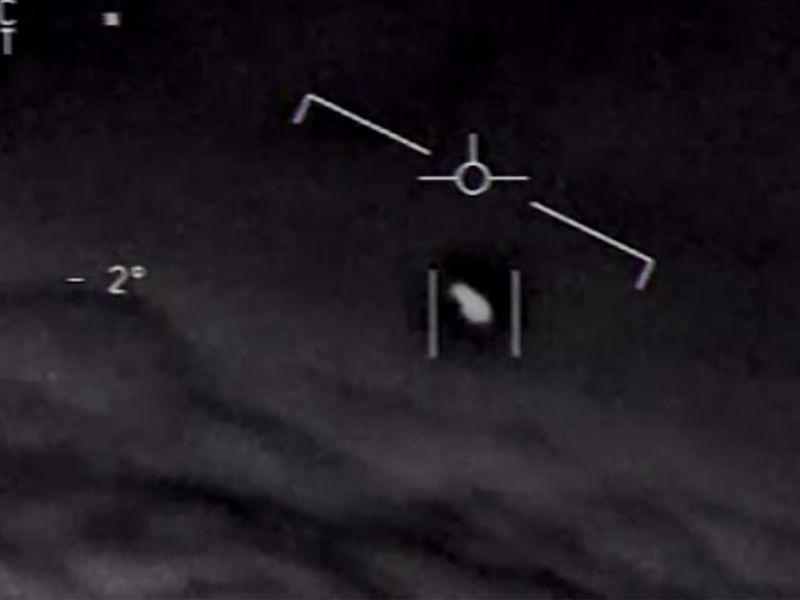
    A still of an unidentified aerial phenomenon (UAP) from a video recorded by US Navy fighter jets in 2015
    United States Navy

    The skies aren’t just for UFO enthusiasts anymore—serious investigations are underway. The US Department of Defense (DoD) has released its latest report on Unidentified Anomalous Phenomena (UAP), offering intriguing statistics and stories from May 2023 to June 2024.

    The All-Domain Anomaly Resolution Office (AARO), established to catalog and investigate strange sightings, reported 757 new incidents, bringing its total to 1,652. Most reports (708) occurred in the air, with 49 in space and none in oceans. Lights in the sky dominated sightings at 65%, followed by orbs and spheres at 22%, while classic “disks” made up just 1%.

    Despite the buzz, AARO found no evidence of aliens or extraterrestrial technology. Of the new cases, 49 were attributed to mundane sources like balloons, drones, and satellites, including SpaceX’s Starlink. Another 243 cases are awaiting peer review, while 444 remain unresolved due to insufficient data, stored for future analysis.

    An unresolved case of a UAP flying past a Navy fighter jet
    US Navy/Public Domain

    Unexplained Cases and Security Concerns

    The 21 most puzzling cases involve “anomalous characteristics” suggesting advanced aerospace technology, possibly foreign in origin. One notable incident involved a commercial flight nearly colliding with a cylindrical object near New York. Other safety concerns included drones flying over protected areas, like a nuclear facility in Virginia that experienced repeated intrusions in late 2023.

    To address the lack of data, AARO is testing a new sensor system, GREMLIN, which combines radar, GPS, infrared, and flight tracking to identify UAP faster. After a short trial in March 2024, a 90-day test is planned at a national security site.

    While aliens seem unlikely, these investigations could still reveal fascinating insights about our skies, seas, and beyond.


    Read Original Article: New Atlas

    Read more: Scitke