Depositphotos
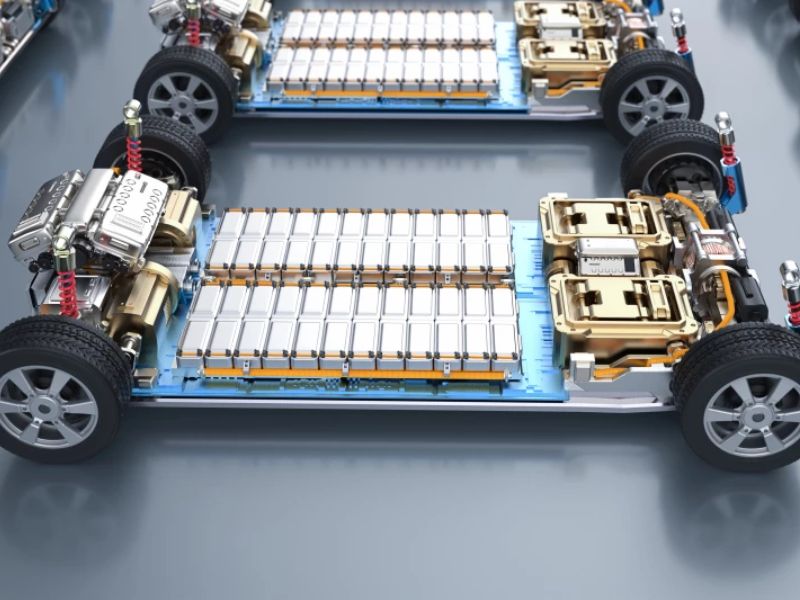
Lithium may not be the fictional “Spice” from Dune, but this shiny, highly reactive metal is just as crucial in the real world. Its exceptional ability to store electricity makes it indispensable for moving away from fossil fuels and toward a cleaner, low-carbon economy powered by renewable energy.
Today, about 87% of global lithium is used for rechargeable batteries in power grids, EVs, and electronics. Beyond batteries, lithium also plays an important role in other industries. Natural Resources Canada says it strengthens glass, boosts heat and corrosion resistance, and cuts energy use in production.
Given lithium’s importance, why does attention need to be paid to something called “black mass”?
Despite the name, black mass is the fine powder left after recycling lithium-ion batteries, and recovering lithium from it is vital because mining new lithium is costly and environmentally harmful. Recycling spent batteries is therefore critical to meeting demand while limiting ecological harm.
Until now, lithium recovery relied on corrosive acids or energy-intensive smelting. A new method from Rice University, detailed by Yuge Feng in Joule, offers a cleaner, more efficient electrochemical approach.
Rather than burning or chemically dissolving the black mass, the researchers essentially “recharge” the cathode materials within it, causing them to release lithium. Combined with simple processes like water splitting, the method produces high-purity lithium hydroxide suitable for making new batteries. The approach requires only electricity, water, and battery waste—eliminating the need for harsh chemicals and significantly reducing environmental impact.
Jorge Vidal/Rice University
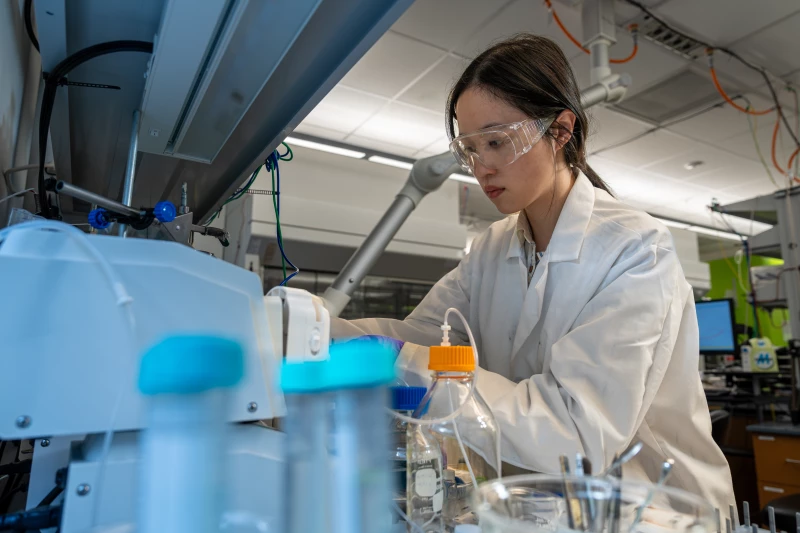
The Rice University team’s process proved remarkably effective, producing lithium hydroxide with purity exceeding 99%. It also demonstrated exceptional energy efficiency, operating steadily for more than 1,000 continuous hours while recycling over 50 grams of black mass.
So how did this novel lithium recovery method come about?
“We started with a simple idea,” explains Sibani Lisa Biswal, co-corresponding author of the study. “If charging a battery removes lithium from a cathode, why not harness that same reaction for recycling?”
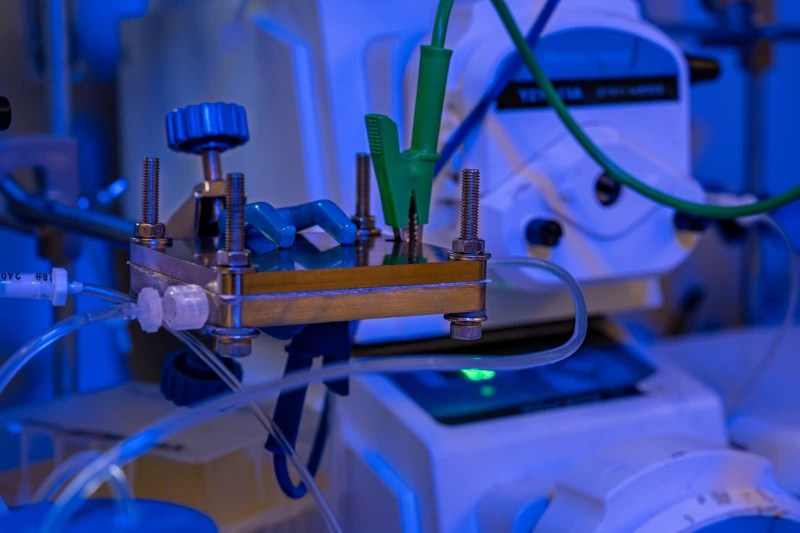
In a conventional battery, lithium ions leave the cathode—the electrode that gains electrons—during charging. In the Rice system, lithium ions pass through a thin cation-exchange membrane into flowing water. At a secondary electrode, a straightforward water-splitting reaction generates hydroxide ions, which then bond with lithium to form lithium hydroxide.
“By combining this chemistry with a compact electrochemical reactor, we can selectively extract lithium and produce the precise compound battery manufacturers need,” says Biswal, chair of Rice’s Department of Chemical and Biomolecular Engineering and the William M. McCardell Professor of Chemical Engineering.
Jorge Vidal/Rice University
New Atlas has reported on fast, low-cost lithium extraction and robotic EV battery recycling. The Rice University method advances this further, working with various battery chemistries like LFP, LMO, and NMC.
Co-author Haotian Wang says producing high-purity lithium hydroxide directly shortens the path to battery production, cutting steps, waste, and strengthening the supply chain. Wang is an associate professor of chemical and biomolecular engineering.
“We’ve simplified and cleaned up lithium extraction to cut both energy use and emissions,” adds Biswal. “The next challenge is clear—improving concentration. Solving that will further enhance sustainability.”
Read the original article on: Newatlas
Read more:Scientists Develop the Inaugural Model of Artificial Brain Tissue