
BMW Group
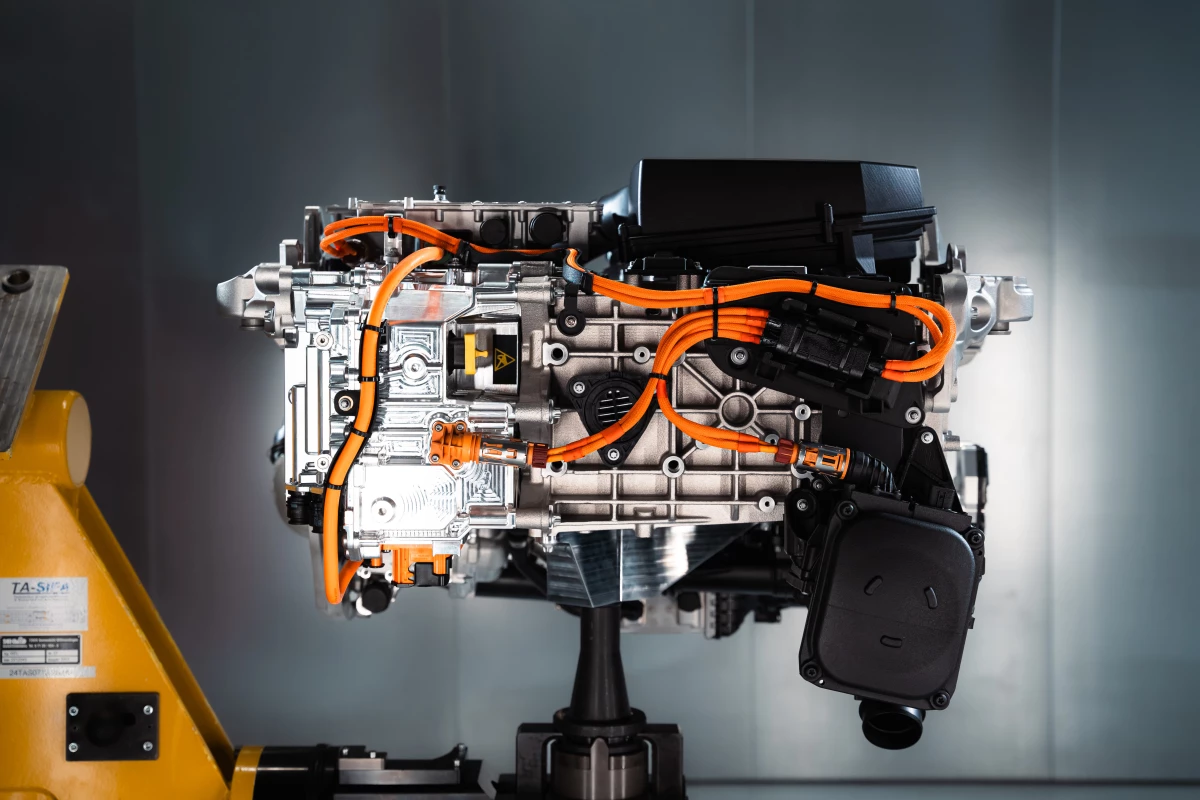
BMW’s Steyr plant is gearing up for mass production of fuel cell systems, currently testing third-generation hydrogen fuel cell prototypes, with full production set for 2028.
BMW will make third-gen HFC components at Steyr, Landshut, and Munich, with Toyota supplying the fuel cells. Unlike earlier generations, the third is fully developed by BMW.
Compact, Efficient, and Cost-Effective
The companies will collaborate on fuel cell units for commercial and passenger vehicles, with the third-gen system 25% smaller than its predecessor and fitting within a standard engine space. It also incorporates an enhanced operating strategy and new drive technology to boost efficiency.
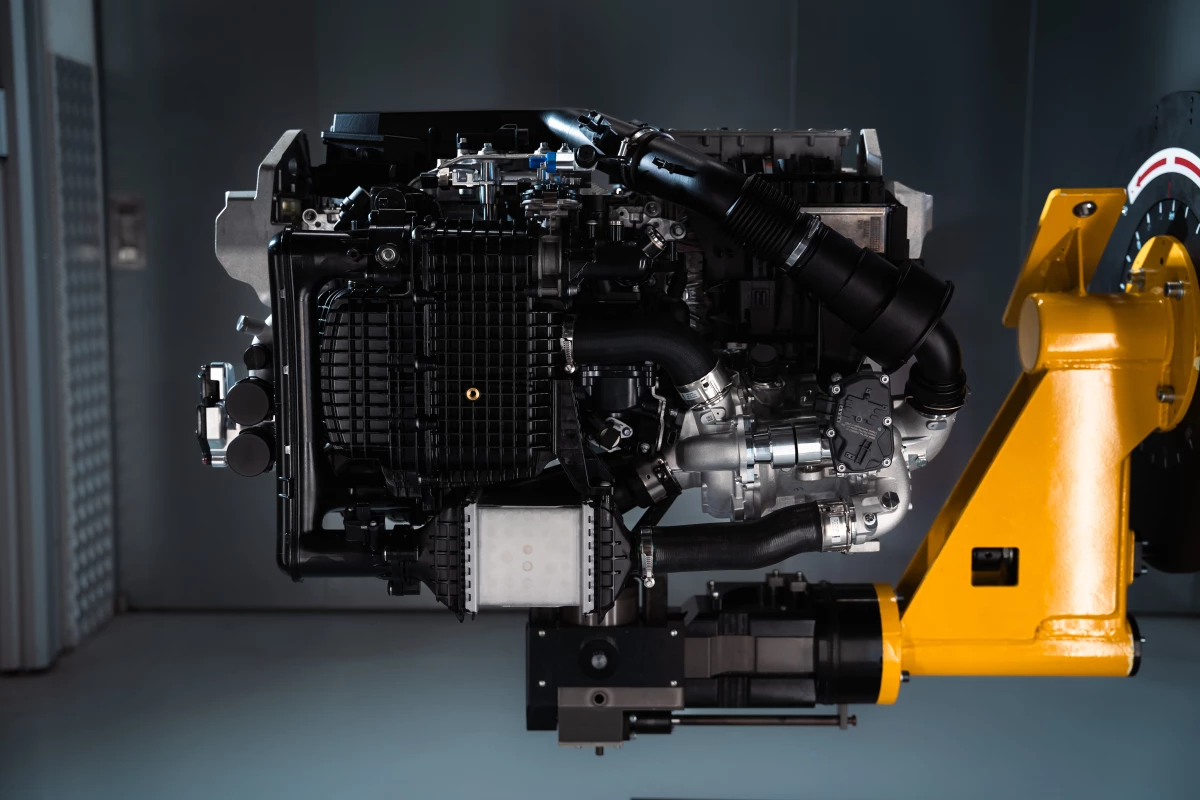
Engineers are testing and comparing noise, vibration, and harshness (NVH) levels and performance output with other propulsion options, and they will conduct further output evaluations before production.
BMW Group
Integrated Design for Safety and Production Planning
Munich prototypes combine hydrogen and air delivery, cooling, electrical components, and water extraction in a compact unit, serving as final safety tests and guiding Steyr’s production planning.
BMW’s Landshut plant, currently producing the iX5 Hydrogen pilot fleet, will keep making housings and pressure plates for the next-generation hydrogen fuel cell vehicles.
Read the original article on: New Atlas
Read more: Japan Tests Groundbreaking Drug That Could Grow Teeth in Adults