
About 60% of workers in Canada are likely to see their jobs reshaped by artificial intelligence (AI). In many cases, AI will support and enhance their work rather than replace it. For some employees, it may even help prevent illness, injury, or death.
This could take the form of a nurse wearing a sensor-embedded T-shirt that monitors her lower back posture during a hospital shift. It might also involve an algorithm that tracks noise levels in a steel plant to help prevent hearing damage among workers. In another case, it could be a robotic glove designed to reduce repetitive strain injuries on an assembly line.
High-risk industries such as construction, oil and gas, mining, and heavy manufacturing stand to benefit the most. Despite decades of safety regulations, workers in these sectors still face a high number of serious injuries. Common hazards include falls, machinery accidents, repetitive strain, and exposure to environmental and psychosocial risks.
Worldwide, at least 60,000 fatal accidents occur on construction sites every year. In British Columbia alone, the construction sector recorded more than 15,200 serious injury claims between 2015 and 2024.
Artificial intelligence systems—such as machine learning and large language models—can extend far beyond traditional occupational health and safety methods like inspections, training, and audits. They are capable of adapting to changing conditions, continuously monitoring risks, and offering real-time decision support, helping to predict and prevent accidents before they happen.
However, these technologies also introduce new concerns, including risks to psychological well-being, privacy, and workers’ rights. Canada and other countries must establish strong governance frameworks to ensure the protection of worker safety and well-being.
Intelligent Helmets, Boots, and Wrist-Mounted Sensors
One of the most visible uses of AI in occupational health and safety is the deployment of commercial wearables and smart personal protective equipment. These include devices such as smart helmets, boots, belts, biometric clothing and wrist sensors. They gather data on posture, movement, heart rate, temperature, vibration, noise levels and location, which connected platforms analyze in real time to identify patterns and potential risks.
On construction sites, wearable technologies can help identify fatigue and the risk of falls. For instance, some companies produce fall-protection systems like smart harnesses equipped with sensing carabiners. When linked to digital monitoring platforms, these systems can track worker positioning, anchorage usage and fall incidents, generating immediate alerts that assist in making rapid safety decisions on site.
Wearables can also track repetitive strain and warn workers about heat stress or exposure to hazardous substances. They can issue alerts when individuals enter dangerous areas. Through continuous monitoring, these systems enable earlier ergonomic interventions and may help prevent musculoskeletal disorders. For older workers, early risk detection and targeted adjustments can help prolong careers and lower the likelihood of disability.
Research also indicates that the interaction between aging and workplace technologies—such as AI, robotics, and automation—can heighten job insecurity and the likelihood of job loss among older employees, especially in contexts where opportunities for retraining or skill development are scarce.
Drones and Robots are Used to Survey Demolition Sites
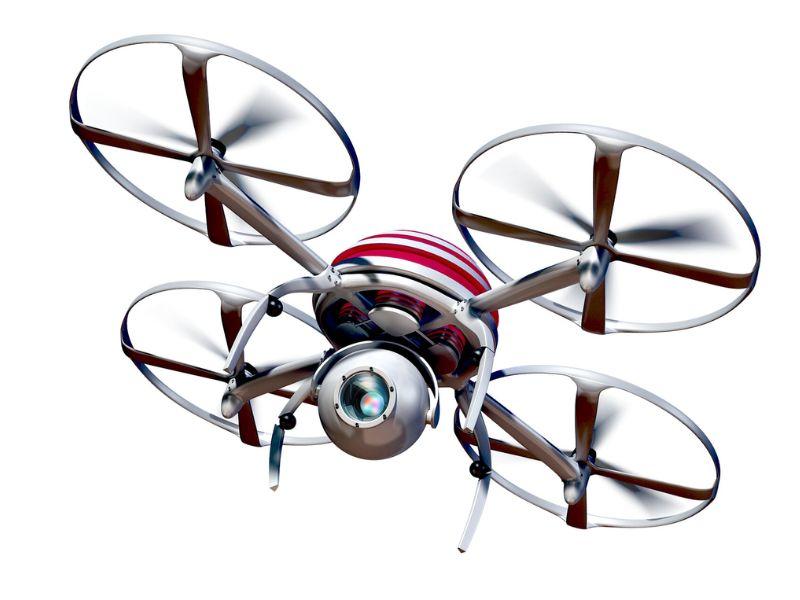
In addition to wearables, AI-powered drones and robotic systems are improving inspection and maintenance in confined or hazardous environments. They can access tunnels, bridges, demolition zones, highway corridors, mines, and nuclear facilities, minimizing human exposure to danger.
For instance, studies show that tele-operated demolition robots equipped with advanced sensors enhance both safety and accessibility in high-risk interior areas. Operators receive feedback through multiple channels—vision, sound, and vibration—to identify hazards like falling debris, unstable floors, and blind spots.
AI-enabled drones and robots are also deployed in mining and nuclear operations. In mining, they operate in tight or unstable spaces while keeping human workers at a safe distance. In nuclear facilities, they help dismantle structures and manage waste, shielding workers from radiation and extreme risks.
Predictive AI can additionally forecast long-term occupational health risks. In industrial environments, neural networks have been developed to anticipate issues like hearing loss among employees—for instance, in steel manufacturing. This allows AI to detect complex hazards before they lead to permanent damage.
Such tools can lower workers’ exposure to risks and help mitigate labor shortages in high-risk sectors. They also tend to attract younger, technology-oriented employees.
New and Evolving Risks and Ethical Considerations
AI technologies are not without risks. Drones, robots, and sensors can occasionally fail in dusty, high-vibration, or complex work environments, introducing new safety hazards on sites.
According to the Canadian Centre for Occupational Health and Safety, AI systems used for monitoring employees can impact mental well-being by increasing pressure, performance scrutiny, or feelings of constant surveillance.
Wearables and other AI-enabled tools also raise significant concerns around privacy, data security, bias, reliability, and regulatory oversight. Key questions include: who owns the data generated, how it is stored, and whether insights from it could be used for disciplinary purposes rather than for ensuring occupational health and safety.
Studies also indicate that employees are much more willing to embrace these technologies when they clearly understand their purpose, trust the system, and are assured that the data is used exclusively to promote safety and well-being.
A Significant Shortfall in Safeguards
During its G7 presidency in 2025, Canada played a leading role in creating a global compendium of best practices for human-centered AI in the workplace, reinforcing its position as a key influencer in shaping ethical, safe, and workforce-ready AI policies worldwide.
Yet, in many respects, Canada trails behind in AI regulation. For instance, it is the only G7 nation without a digital safety regulator or any form of online safety legislation. As AI quietly reshapes workplaces, Canadian workers’ privacy, autonomy, and dignity remain at risk, with the proposed Artificial Intelligence and Data Act (AIDA) still not enacted.
Without strong governance, even AI’s promise to improve worker health and safety is uncertain, highlighting a significant gap in protections amid rapid technological change.
Protecting privacy, Autonomy, and Personal Dignity
In 2025, 12.2% of Canadian businesses reported using AI for producing goods or providing services, twice the proportion from the previous year. AI adoption is highest in information, cultural, and professional services, while sectors like agriculture, accommodation, and food services remain slower to implement it.
As AI becomes more common in workplaces, policymakers in Canada and internationally must prioritize rules and practices that protect workers and safeguard their rights. The goal is not to reject AI nor to embrace it blindly; these technologies must be dependable, interoperable, and ethically designed.
This requires conducting risk and impact assessments, consulting workers, and establishing governance frameworks that protect occupational health, privacy, autonomy, and dignity.
When applied thoughtfully within robust regulatory frameworks, AI and commercial wearables can help prevent injuries, anticipate health issues, and place worker safety and well-being at the heart of workplace practices.
Read the original article on: Tech Xplore
Read more: Rapid, Accurate Radioactive Material Localization With Drones and Robots
Leave a Reply