Category: Physics

  • Exploring Quantum Systems That Don’t Find Equilibrium

    Exploring Quantum Systems That Don’t Find Equilibrium

    Some physical systems, particularly in the quantum world, do not reach stable equilibrium, even after long. An ETH researcher has now discovered a sophisticated description of this phenomenon.

    If a bottle of beer is placed in a huge bathtub loaded with icy water, it will not be long before you can enjoy a chilly beer. Physicists uncovered how this works over a hundred years ago. Heat exchange happens through the glass container until equilibrium is reached.

    However, other systems, specifically quantum systems, that do not reach an equilibrium exist. They resemble a theoretical beer bottle in a bath of ice-cold water that does not constantly and undoubtedly cool to the temperature of the bathwater; however, it instead gets to different states depending on its initial temperature. Previously, such systems have befuddled physicists.

    A farther influence

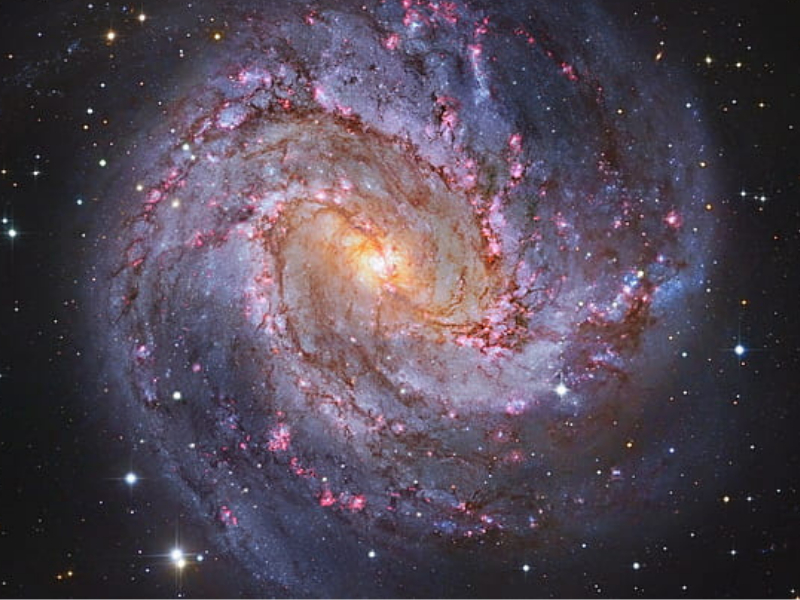
    Specifically, we speak about systems in which the individual building blocks impact their immediate neighbors and faraway objects. One instance would be a galaxy: the gravitational forces of the specific stars and planetary systems act not only on the bordering celestial bodies yet far past that– albeit ever more weakly — on the other constituents of the galaxy.

    Defenu’s approach starts by simplifying the problem to a world with a single dimension. Inside, there is a solitary quantum particle that can reside just in really specific locations along a line. This world looks like a board game like Ludo, where a little token hops from square to square. Imagine there is a game die whose sides are all marked ‘one’ or ‘minus one, and presume the player rolls the die over and over again consecutively. The token will jump to an adjacent square, and from there, it will either hop back otherwise on to the next square. And so on.

    The concern is, What happens if the player rolls the die an infinite number of times? If there are just a few squares in the game, the token will undoubtedly go back to its starting point from time to time. Nonetheless, it is impossible to predict precisely where it will go at any given time since the tosses of the die are unknown.

    Back to square one

    It is a similar circumstance with particles that are subject to the legislation of quantum mechanics: there is no way to recognize precisely where they go at any time. However, it is feasible to determine their whereabouts using probability distributions. Each distribution arises from a different superposition of the probabilities for the individual locations and corresponds to the particle’s particular energy state. It turns out that the amount of stable energy states coincides with the number of levels of freedom of the system and thus matches precisely to the number of permitted locations. The crucial point is that all the stable probability distributions are non-zero at the starting point. Therefore, at some point, the token returns to its starting square.

    It will return to its initial location more rarely the more squares there are; finally, it won’t ever return with an unlimited number of possible squares. This means that there are an endless number of distributions that may be made using the probabilities of the different positions for the quantum particle. As a result, it can no longer occupy only particular discrete energy states; instead, the entire range of potential states is present.

    This is not new knowledge. However, there are variants of the game or physical systems where the die can also have numbers over one and smaller than minus one, i.e., the steps permitted per move can be larger-to be precise, even infinitely large. This essentially changes the situation, as Defenu has shown: in these systems, the energy spectrum always stays discrete, even when there are infinite squares. This implies that the particle will undoubtedly return to its starting point from time to time.

    Strange phenomena

    This new theory clarifies what researchers have observed various times in experiments: systems in which long-range interactions happen do not get to a steady equilibrium, but rather a meta-stable state in which they always go back to their initial placement. When it comes to galaxies, this is one reason they develop spiral arms rather than being uniform clouds.

    Ions, composed of atoms with charges bound in fields of electricity, are one type of quantum system that can be explained by Defenu’s theory. The construction of classical computer systems using such ion traps is one of the largest scientific initiatives going on right now in the world. However, a significant number of simultaneously trapped ions will be necessary for these computers to produce a step modification in terms of computational capacity; this is precisely the point at which the new hypothesis turns intriguing. “During systems with 100 or even more particles, you would see peculiar effects that we can presently explain,” claims Defenu, a member of the research team led by ETH Professor Gian Michele Graf. His experimental physics colleagues are making daily progress toward their goal of being able to realize such forms. Additionally, it might be worthwhile for them to enjoy a cold drink with Defenu as soon as they arrive.


    Read the original article on PHYS.

    Reference: Nicolò Defenu, Metastability and discrete spectrum of long-range systems, Proceedings of the National Academy of Sciences (2021). DOI: 10.1073/pnas.2101785118
  • Light Does the Twist for Quantum Computing

    Light Does the Twist for Quantum Computing

    The discoveries, by Nagoya College researchers and colleagues in Japan and released in the journal Advanced Materials, allude to the development of materials and device methods used in optical quantum computing data processing.

    Photons are light particles with fascinating properties that can be explored for the storage and transportation of data and reveal tremendous promise for quantum computing.

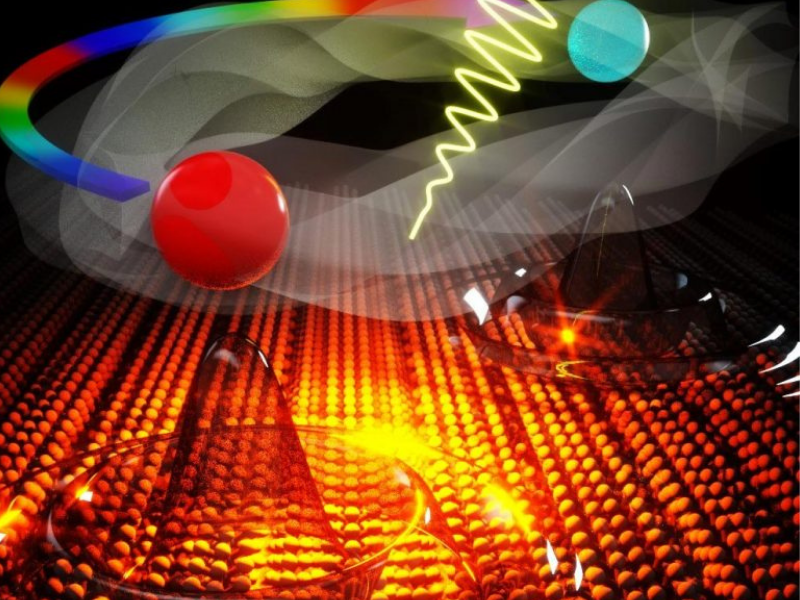
    Information can be inscribed towards an electron’s spin, as it is saved in the form of 0 and 1 in the ‘bits’ of computers.  These electrons produce twisting ‘chiral’ ‘valley-polarized light’ when they interact with specific light-emitting materials, showing the potential for large data storage.

    However, scientists only generated this kind of circularly polarized light using magnets and very cool temperature levels, making the technique inappropriate for long-term use.

    Nagoya University applied physicists Taishi Takenobu and Jiang Pu led a group of researchers to create a room-temperature, electrically controlled approach for generating this chiral valley-polarized light.

    Electrodes were positioned on either end of the device, and a small voltage was applied. This produced an electric field and also eventually created light. The team discovered that chiral light was observed between -193 °C and room temperature from the sections of the device where the sapphire substrate was normally stressed due to the synthetic process. However, it can be produced from strain-free locations at much lower temperatures. The researchers concluded that strain played a vital role in producing room temperature valley-polarized light.

    They then produced a bending phase on which they set a tungsten disulfide gadget on a plastic substrate. They utilized the bending stage to apply strain to their material, driving an electric current in the same direction of the strain and yielding valley-polarized light at room temperature level. Applying an electrical field to the material changed the chiral light from traveling in one direction to another.

    According to Takenobu, their use of strained monolayer semiconductors is the first presentation of a light-emitting device that can electrically produce and shift right- and left-handed circularly polarized light at room temperature.

    The group will further enhance their device to develop practical chiral light source.


    Originally published on Sciencedaily.com. Read the original article.

    Reference: Jiang Pu, Wenjin Zhang, Hirofumi Matsuoka, Yu Kobayashi, Yuhei Takaguchi, Yasumitsu Miyata, Kazunari Matsuda, Yuhei Miyauchi, Taishi Takenobu. Room‐Temperature Chiral Light‐Emitting Diode Based on Strained Monolayer SemiconductorsAdvanced Materials, 2021; 33 (36): 2100601 DOI: 10.1002/adma.202100601

  • The New Quantum Algorithm Surpasses the QPE Standard

    The New Quantum Algorithm Surpasses the QPE Standard

    Researchers boost their recently developed quantum algorithm, bringing it to one-tenth the computational price of Quantum Phase Estimation, and also utilize it to directly compute the vertical ionization energies of light atoms as well as molecules such as CO, O2, CN, F2, H2O, NH3 within 0.1 electron volts of accuracy.

    OSAKA, Japan. Quantum computers have seen a great deal of focus just recently as they are anticipated to resolve specific issues outside typical computers’ capabilities. Primary to these issues is identifying the electronic states of atoms and molecules, so they can be used better in a range of sectors – from lithium-ion battery styles to in silico innovations in medical advancement. The standard method scientists have approached this issue is by computing the overall powers of the private states of a molecule or atom, and afterward identifying the distinction in strength in between these states. In nature, several particles grow in dimension and complexity, and the expense to determine this constant flux is beyond the ability of any conventional computer system or presently establish quantum formulas.

    According to Kenji Sugisaki and Takeji Takui from the Graduate School of Science at Osaka City University, “because of quantum computer systems to be a truth, its formulas must be resilient sufficiently to reliably forecast the digital states of atoms in addition to particles, as they exist in reality.”

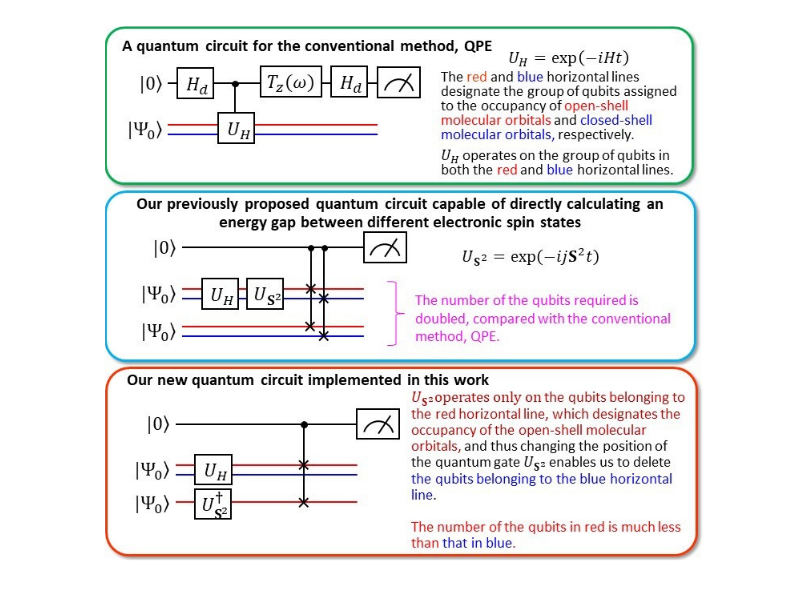
    In December 2020, Sugisaki and Takui, together with their colleagues, led a group of researchers to establish a quantum algorithm they call Bayesian exchange coupling criterion calculator with Broken-symmetry wave features (BxB) that anticipates the electronic states of atoms as well as particles by directly calculating the energy differences. They kept in mind that energy distinctions in atoms, as well as molecules, continue to be continuous, no matter exactly how intricate and significant they obtain in spite of their broad powers growing as the system dimension. “With BxB, we stayed clear of the usual method of determining the total energies and also targeted the energy distinctions straight, maintaining computing prices within polynomial time,” they mention.

    Their searchings will be published online in the March version of “The Journal of Physical Chemistry Letters.”

    Ionization power is just one of the most fundamental physical residential or commercial properties of atoms and molecules and a crucial indicator for comprehending the strength and residential or commercial properties of chemical bonds and responses. In other words, correctly predicting the ionization energy enables us to use chemicals past the present standard. In the past, it was required to determine the powers of the neutral and ionized states; however, with the BxB quantum algorithm, the ionization power can be obtained in a single computation without examining the overall private powers of the neutral and ionized states. “From mathematical simulations of the quantum logic circuit in BxB, we located that the computational price for reading out the ionization power is constant no matter the atomic number or the dimension of the particle,” the team states, “which the ionization energy can be obtained with a high accuracy of 0.1 eV after modifying the length of the quantum logic circuit to be less than one-tenth of QPE.” (See photo for modification details).

    With the development of quantum computers, Sugisaki and Takui, along with their team, expect the BxB quantum algorithm to perform high-precision power computations for giant molecules that can not be treated in real-time with standard computer systems.

  • How do Cells Obtain Their Shapes? A new Mechanism Determined

    How do Cells Obtain Their Shapes? A new Mechanism Determined

    One of the research projects being carried out by the experimental biologists in the Martin Laboratory at the University of Lausanne, under the direction of professor Sophie Martin, involves using light to trigger processes within genetically modified fission yeast cells. When team members were carrying out these experiments, they noticed that a certain protein would be displaced from the cell’s development zone when added. To find out the reason, they got in touch with Dimitrios Vavylonis, who heads the Vavylonis Group in the Lehigh College Division of Physics.

    Theoretical physicist Vavylonis explains, “We continued to build a numerical simulation that connected cell membrane “growth” to protein motion as well as model a few other theories that we examined after discussions with them.

    The multidisciplinary team used modeling and experiments to characterize a biological mechanism that was previously unknown. The teams discovered and named a brand-new mechanism that a straightforward yeast cell uses to acquire its shape. The most recent edition of Science Advances contains a piece titled “Cell patterning by secretion-induced plasma membrane flows” that details these findings.

    According to Vavylonis, when cells move or enlarge, they should add a new membrane layer to those growth locations. Exocytosis is the term used to describe the delivery of membrane layers. Additionally, for cells to maintain “polarization” (a feeling of direction) or expand in a coordinated manner, this membrane must be supplied to a particular region.

    According to Vavylonis, “We demonstrated that these processes are coupled: local excess of exocytosis causes several membrane-attached proteins to flow away from the growth region.” The non-growing cell area is marked by these proteins that move away, creating a self-sustaining pattern that causes the tubular shape of these yeast cells.

    Cell patterning, also known as the process by which cells acquire spatial nonuniformities on their surfaces, has for the very first time had its workings determined.

    Following simulations conducted by the Vavylonis group under the direction of Postdoctoral Partner David Rutkowski, the Martin team carried out experimental testing. Vavylonis and Rutkowski examined the results of the experiments to make sure that the protein distribution they observed in their simulations matched the data gathered from the research on live cells.

    Researchers studying processes related to cell proliferation and membrane traffic, such as neurobiologists and those studying cancer cell processes, may find the work particularly interesting, the team claims.

    According to Rutkowski’s research, patterns in biological systems are frequently dynamic. “Patterns establish themselves via physical processes, including continuous flow as well as turnover.”

    Vavylonis asserted, “We were able to support the membrane-flow variant of patterning. Finally, the Martin team could design cells whose form can be changed by light using this concept.


    Originally published on Scitechdaily.com. Read the original article.

    Reference: Cell patterning by secretion-induced plasma membrane flows, Science Advances (2021). DOI: 10.1126/sciadv.abg6718

  • ‘Frameshifting’ Therapy for Pole Cell Cancers Minimizes Size and the Spread

    ‘Frameshifting’ Therapy for Pole Cell Cancers Minimizes Size and the Spread

    New Frameshifting Therapy Effective Against Mast Cell Cancers

    A team of researchers at North Carolina State University has developed a new frameshifting therapy that has shown promising results against mast cell cancers in mice. Mast cell cancers are a type of cancer that affects the immune system and can be difficult to treat. In the study, the frameshifting therapy was able to reduce the size and spread of mast cell tumors in mice.

    Mast cell tumors arise from mast cells, which are a type of white blood cell that is important for immune system function. When mast cells become cancerous, they can form tumors in various parts of the body, including the skin, bone marrow, and internal organs. Currently, there are few effective treatments for mast cell cancers, which can be very aggressive and difficult to manage.

    The frameshifting therapy works by altering the way cells read genetic instructions. By changing the reading frame, the therapy disrupts the production of a protein that is essential for the survival of mast cells. This results in the death of the cancer cells and the reduction of tumors. The researchers tested the frameshifting therapy in mice that had been implanted with human mast cell tumors. They found that the therapy was effective in reducing the size and spread of the tumors, and that it was well-tolerated by the mice.

    Potential for Human Treatment

    The researchers believe that this frameshifting therapy has potential for human treatment. Mast cell cancers are rare in humans, but they are difficult to treat and often have a poor prognosis. The frameshifting therapy has shown promise in animal models, and the researchers are now working to develop it for human use.

    One of the advantages of frameshifting therapy is that it can be used to target specific genes that are important for cancer cell survival. This makes it a highly targeted therapy that could potentially have fewer side effects than other types of cancer treatments. In addition to mast cell cancers, frameshifting therapy has potential for treating other types of cancer as well. By disrupting the production of specific proteins, the therapy could be effective against a wide range of cancer cells.

    However, more research is needed to determine the safety and efficacy of this therapy in humans. The researchers plan to conduct additional studies to determine the optimal dosage and delivery method for the frameshifting therapy, as well as to assess its long-term safety and effectiveness.

    Conclusion

    In conclusion, the frameshifting therapy developed by the researchers at North Carolina State University has shown promise in reducing the size and spread of mast cell tumors in mice. This therapy works by altering the way cells read genetic instructions, disrupting the production of a protein that is essential for the survival of mast cells. The researchers believe that this therapy has potential for human treatment, and they are currently working to develop it further.

    Frameshifting therapy is a highly targeted therapy that could potentially have fewer side effects than other types of cancer treatments. It has the potential to be effective against a wide range of cancer cells by disrupting the production of specific proteins. However, more research is needed to determine the safety and efficacy of this therapy in humans, including the optimal dosage and delivery method, as well as its long-term safety and effectiveness. If successful, frameshifting therapy could provide a new and effective treatment option for patients with mast cell cancers and other types of cancer.


    Original article published by NC State University. Read the original article.

    Reference: Douglas B. Snider et al, Targeting KIT by frameshifting mRNA transcripts as a therapeutic strategy for aggressive mast cell neoplasms, Molecular Therapy (2021). DOI: 10.1016/j.ymthe.2021.08.009

  • Physicists Develop an Unusual ‘Wigner Crystal’ Made Simply of Electrons

    Physicists Develop an Unusual ‘Wigner Crystal’ Made Simply of Electrons

    In 1934, Eugene Wigner, a pioneer of quantum mechanics, theorized of an odd sort of matter– a crystal made from electrons. The idea was very straightforward, proving it had not been. With limited success, physicists tried many tricks over eighty years to nudge electrons right into forming these so-called Wigner crystals. However, in June, two independent teams of physicists reported in Nature one of the most straight experimental monitorings of Wigner crystals yet.

    ” Wigner crystallization is quite an old idea,” stated Brian, a physicist at Ohio State University that was not involved with the study. “To see it so clearly was truly good.”

    To drive electrons to form a Wigner crystal, it could appear that a physicist would need to cool them down. Electrons repel each other; therefore, cooling down would lower their energy and freeze them into a lattice similar to when water turns to ice. However, chilly electrons obey the strange laws of quantum mechanics-they behave just like waves. As opposed to getting arranged into place in a neatly ordered grid, wavelike electrons often tend to swash around and crash into their neighbors. What was supposed to be a crystal becomes something a lot more like a puddle.

    By accident, one of the teams responsible for the new work nearly found a Wigner crystal. In a group led by Hongkun Park at Harvard University, researchers were experimenting with electron behavior in a “sandwich” of extremely thin sheets of a semiconductor separated by a product that electrons can not move through. The physicists cooled this semiconductor sandwich to below − 230 degrees Celsius and experimented with the number of electrons in each layer.

    The group observed that when there was a particular number of electrons in each layer, they all stood strangely still. “Somehow, electrons inside the semiconductors stayed stagnate. This was an unexpected finding,” claimed You Zhou, lead author on the brand-new study.

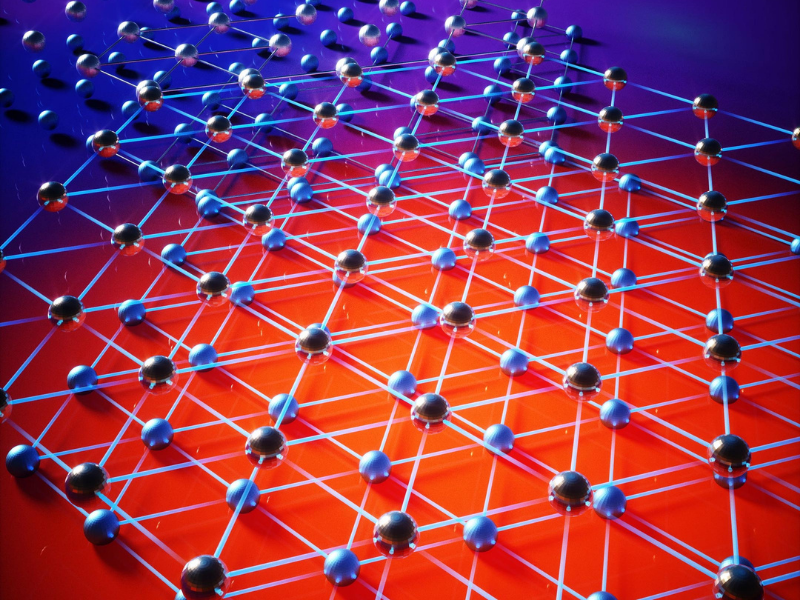
    Zhou shared his findings with theorist colleagues, who at some point recalled an old concept of Wigner’s. Wigner calculated that electrons in a flat two-dimensional material would undoubtedly assume a pattern comparable to a floor entirely covered with triangular tiles. This crystal would completely stop the electrons from moving.

    In Zhou’s crystal, repulsive forces between electrons in each layer and between the layers interacted to organize electrons into Wigner’s triangular grid. These forces were powerful enough to stop the electron from spilling and sloshing, predicted by quantum technicians. However, this behavior happened only when the amount of electrons in each layer was such that the top and lower crystal grids lined up: Smaller triangles in one layer needed to specifically fill up the space within larger ones in the other. Park named the electron ratios that resulted in these conditions the “dead signs of bilayer Wigner crystals.”

    After they recognized that they had a Wigner crystal on their hands, the Harvard group made it melt by leading the electrons to accept their quantum wave nature forcibly. Wigner crystal melting is a quantum phase transition – one that is similar to ice becoming water, however, with no heating involved. Theorists previously predicted the requirements essential for the process, yet the new experiment is the first to validate it through direct measurements. “It was really, truly exciting to see what we learned from books and documents in experimental data,” Park claimed.

    Past experiments found tips of Wigner crystallization; however, the brand-new studies provide the most direct proof as a result of a new experimental technique. The researchers showered the semiconductor layers with laser light to produce a particle-like entity called an exciton. The product would certainly then reflect or re-emit that light. By analyzing the light, scientists can determine whether the excitons had interacted with ordinary free-flowing electrons or electrons frozen in a Wigner crystal. “We have direct proof of a Wigner crystal,” Park said. “You can see that it is a crystal that has this triangular structure.”

    The second research group, led by Ataç Imamoğlu at the Swiss Federal Institute of Innovation Zurich, additionally utilized this method to observe the formation of a Wigner crystal.

    The new work shines a light on the well-known problem of many interacting electrons. When you place a lot of electrons into a small space, they all push on each other, and also, it becomes impossible to keep up with all the mutually intertwined forces.

    According to Philip Phillips, a physicist at the University of Illinois, Urbana-Champaign that was not involved with the experiment, the Wigner crystals are an archetype for all such systems. He remarked that the only problem involving electrons and electrical forces that physicists know how to fix with a simple pen and paper is a single electron in the hydrogen atom. In atoms with more than one electron, the problem of predicting what the interacting electrons will certainly do ends up being unbending. The issue of several interacting electrons has long been thought about one as one of the most challenging in physics.

    For the future, the Harvard team plans on utilizing their system to address impressive questions concerning Wigner crystals and strongly correlated electrons. One open question is what happens, specifically, when the Wigner crystal melts; contending theories abound. In addition, the team observed Wigner crystals in their semiconductor sandwich at greater temperatures and for higher numbers of electrons than theorists anticipated. Examining why this was the case could bring about brand-new understandings regarding highly associated electron behavior.

    Eugene Demler, a theorist at Harvard who added to both new studies, thinks that the work will clear up old academic debates and influence brand-new inquiries. “It is always much easier to work with a problem when you can seek out the solutions at the end of a publication,” he claimed. “And also having more experiments resembles seeking out the answer.”


    Originally published on Quanta Magazine. Read the original article.

  • The Research Team Discovers That it Takes Some Warmth to Form Ice on Graphene

    The Research Team Discovers That it Takes Some Warmth to Form Ice on Graphene

    In a paper released in Nature Communications, the research study team describes the complicated physical processes working to recognize the chemistry of ice formation. The molecular-level viewpoint of this process may assist in forecasting the formation and melting of ice, from singular crystals to glaciers and ice sheets. The latter is essential to measure environmental transformation connected with climate change and also global warming.

    The team tracked down the primary step in ice development, called nucleation, which happens quickly, in a fraction of a billionth of a second when extremely mobile individual water molecules find each other and coalesce. However, conventional microscopes are too slow to follow the motion of water molecules, making it impossible to utilize them to monitor precisely how particles combine on top of solid surface areas.

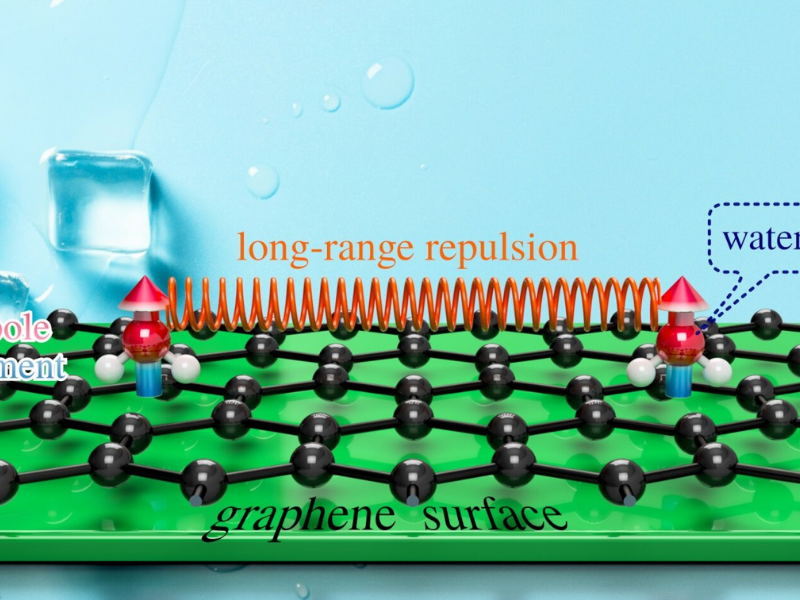
    The research group used an avant-garde Helium Spin-Echo (HeSE) device to follow the atoms’ motion and molecules. The team utilized HeSE to study the water molecules’ motion on a model pristine graphene surface. The scientists made a notable finding: the water molecules repel each other and require enough energy to overcome said repulsion before ice can begin to form.

    The combination of both experimental and academic approaches allowed the international team of scientists to decipher the behavior of the water molecules. For the first time, these have captured precisely how the initial step of ice formation at a surface area advances and enables them to suggest a previously unknown physical device.

    Dr. Marco Sacchi, the co-author of the study and Royal Society University Research Fellow at the University of Surrey, claimed: “Our outcomes reveal that water molecules need to overcome a tiny but essential energy barrier before forming ice. We wish that our particular collaborative project will go some way to aiding us all comprehend the remarkable modifications that are taking place right across our planet.”

    Dr. Anton Tamtögl, lead and a corresponding author from the Graz University of Technology, adds: “The observations entirely change our understanding of ice nucleation. The HeSE results looked extremely promising, but water motion was unbelievably complex and idicated counter-intuitive new physics. We decided that atomistic simulations were needed to decipher the results.”

    Dr. Andrew Jardine, a reader in Experimental Physics from the University of Cambridge, one of the developers of the HeSE technique, stated: “The technique is entirely changing our ability to follow physical and chemical processes at the single-molecule level.”

    Dr. Bill Allison from the University of Cambridge said: “Repulsion in between water molecules has not been taken into consideration during ice nucleation-this work will alter all that. The newly observed interactions likewise alter the rate at which nucleation occurs, and consequently, at which the ice can form. The work will therefore have important effects in preventing ice formation, which is relevant to fields as diverse as wind power, aviation as well as telecommunications.”


    Originally published by the University of Surrey. Read the original article.

    Reference: Anton Tamtögl et al, Motion of water monomers reveals a kinetic barrier to ice nucleation on graphene, Nature Communications (2021). DOI: 10.1038/s41467-021-23226-5

  • Igniting Plasmas in Liquid

    Igniting Plasmas in Liquid

    The ignition of plasma under water. Credit: © Damian Gorczany

    Physicists of Ruhr-Universität Bochum (RUB) have taken amazing pictures that allow the ignition process of plasma underwater to be observed and also tracked in real-time. Dr. Katharina Grosse has given the first data collections with the ultra-high temporal resolution, backing a new theory on igniting these plasmas: There is not nearly enough time to create a gas environment in the nanosecond variety setting. Electrons generated by field effects cause the proliferation of the plasma. The nanosecond plasma fires up directly in the liquid, regardless of the polarity of the voltage. The report from the Collaborative Study Centre 1316, “Transient Atmospheric Pressure Plasmas: from Plasma to Liquids to Solids,” has been released in the Journal of Applied Physics and Rubin, the RUB’s science magazine.

    Making plasma development noticeable

    In order to examine just how plasma ignites over short periods and exactly how this ignition works in the liquid, physicist Grosse uses a high voltage for ten split seconds on a hair-thin electrode submerged in water. The powerful electrical field created triggers the plasma to ignite. The Bochum-based researcher can use high-speed optical spectroscopy combined with fluid dynamics modeling to predict the power, pressure, and temperature level in these underwater plasmas. She elucidates the ignition procedure and the plasma development in the nanosecond range.

    According to her observations, the problems in the water were severe at the time of ignition. For a short time, pressures of several thousand bar are created, which is equivalent to and even surpasses the pressure at the innermost point in the Pacific Ocean and numerous thousand levels comparable to the sun’s surface temperature.

    Tunnel effects underwater

    The dimensions challenge the widespread theory. So far, it was assumed that a high negative pressure difference develops at the tip of the electrode, resulting in very small fractures in the liquid with expansions in the range of nanometres, where the plasma can spread. “It was assumed that an electron avalanche creates the cracks underwater, making the ignition of the plasma feasible,” states Achim von Keudell, that holds the Chair of Experimental Physics II. Nonetheless, the pictures taken by the Bochum-based research group imply that the plasma is “ignited locally inside the liquid,” clarifies Grosse.

    In her attempt to clarify this phenomenon, the physicist uses the quantum-mechanical tunnel effect. This defines the truth that particles can cross an energy barrier that they supposedly should not have the ability to cross according to the laws of conventional physics since they do not have enough power to do so. “If you see the recordings of the plasma ignition, everything suggests that individual electrons tunnel through the energy barrier of the water molecules to the electrode, where they ignite the plasma locally, exactly where the electrical field is highest,” says Grosse. This theory has very solid grounds and is the topic of much discussion amongst experts.

    Water is divided into its components

    The ignition process underwater is as intriguing as the chemical reaction are bright for practical applications. The exhaust spectra show that, at nanosecond pulses, the water molecules no longer have the chance to compensate for the plasma’s pressure. The plasma ignition degenerates it into its components, atomic hydrogen, and oxygen. The latter reacts quickly with surfaces. And also, this is precisely where the terrific prospective lies, describes physicist Grosse: “The released oxygen can re-oxidize catalytic surface areas in electrochemical cells so that they are restored and also once more develop their catalytic task.”


    Originally published on Eureka Alert. Read the original article.

    Reference: K. Grosse et al, Ignition and propagation of nanosecond pulsed plasmas in distilled water—Negative vs positive polarity applied to a pin electrode, Journal of Applied Physics (2021). DOI: 10.1063/5.0045697

  • Magnon Blocking Effect and Magnonic Skin Effect Shown in Antiferromagnetically Coupled Heterojunction

    Magnon Blocking Effect and Magnonic Skin Effect Shown in Antiferromagnetically Coupled Heterojunction

    Image – Left: Schematic diagram of magnon junction structure and magnon blocking effect; Right: Schematic diagram of Magnon Skin Effect. Credit: IOP

    Spin waves, or magnons, as the elementary excitation of the magnetic system, can move spin angular momentum, giving vast prospects for the Non-volatile, low-energy-consumption, high-speed, and small-size microelectronic devices in the post-Moore period. Magnonics, including the generation, transportation, and handling of magnons, has ended up being the most recent advancement direction of spintronics as well as the emerging discipline of compressed matter physics.

    In more recent years, Professor HAN Xiufeng’s research team at the Institute of Physics of the Chinese Academy of Sciences (CAS) has created a magnon valve with a core framework of magnetic insulator (MI)/ spacer(S)/ magnetic insulator (MI) (such as YIG/Au/YIG), a magnon joint (such as YIG/NiO/YIG) and also a magnetoelectric separator which can be utilized as magnon generator as well as magnon detector (such as Pt/YIG/Pt), aiming to make use of pure electrical techniques and the change of the magnetic structures to properly control the generation and transportation of magnons, therefore to make a 100% transmission switch on-off ratio of the magnon currents.

    For that reason, a further extensive understanding of the transport properties of incoherent or coherent magnons in an entirely electrically insulated magnon junction will undoubtedly end up being the vital physical basis for the evolution of practical magnonic devices and circuits in the future.

    In order to better comprehend the mechanism of magnon transmission in magnon junction from the microscale, Ph.D. student YAN Zhengren, Associate Professor WAN Caihua, as well as Prof. HAN Xiufeng researched the magnon transmission in the sandwich structure of ferromagnetic insulator (FMI)/ antiferromagnetic insulator (AFI)/ ferromagnetic insulators (FMI) by atomistic spin-model simulations.

    They discovered that the magnon junction effect (MJE) or magnon valve effect (MVE) could be duplicated, showing the magnetization-dependent magnon transmission. The MJE, as well as MVE, stem from the polarization of spin-wave.

    Generally, spin-up (spin-down) latticeworks only can accommodate right- (left-) handed circularly polarized magnons. While only right-handed circular is preferred in AFI with upward magnetization, both left- and right-handed circular polarizations are permitted in AFI owing to two spin-opposite lattices. This selection regulation thus makes the complete reflection of spin-wave occur when magnons attempt to diffuse into a spin-lattice, which does not support their polarization.

    For example, when excited right-handed round magnons in the spin-up region are infused right into the spin-down region, the selection rule would cause low magnon transmission over the interface. This phenomenon is called the magnon blocking effect, showing that spin-wave polarization plays an essential role in magnon transmission.

    Furthermore, in theory, they researched the spreading behavior of spin waves at the interface of an antiferromagnetically paired heterojunction. It is revealed that the spin waves going through the interface are evanescent waves, and also, the incident waves are all reflected back, showing a magnetization-dependent magnon blocking effect in this framework.

    The result shows that with the rise of the spin-wave frequency, the decay length lowers, and the evanescent wave concentrates more at the interface, revealing a magnonic skin effect similar to the skin impact of electromagnetic waves.

    Moreover, a positive magnonic Goos-Hänchen shift of the reflected waves was additionally forecasted. It can be inferred by an effective reflection of interface shift triggered by the nonzero degeneration length of the evanescent waves.

    In conclusion, the outcomes show that the efficient manipulation of coherent/incoherent magnons by magnon joints originates from the absolute chirality of magnons in magnetic materials. These discoveries confirm the physical basis of magnon tools to manipulate magnon transportation efficiently and offer a brand-new development direction and technological course for the growth of pure magnon-type storage and logic devices.


    Originally published on Phys.org. Read the original article.

    Reference:  Z. R. Yan et al, Magnonic skin effect and magnon valve effect in an antiferromagnetically coupled heterojunction, Physical Review B (2021). DOI: 10.1103/PhysRevB.104.L020413