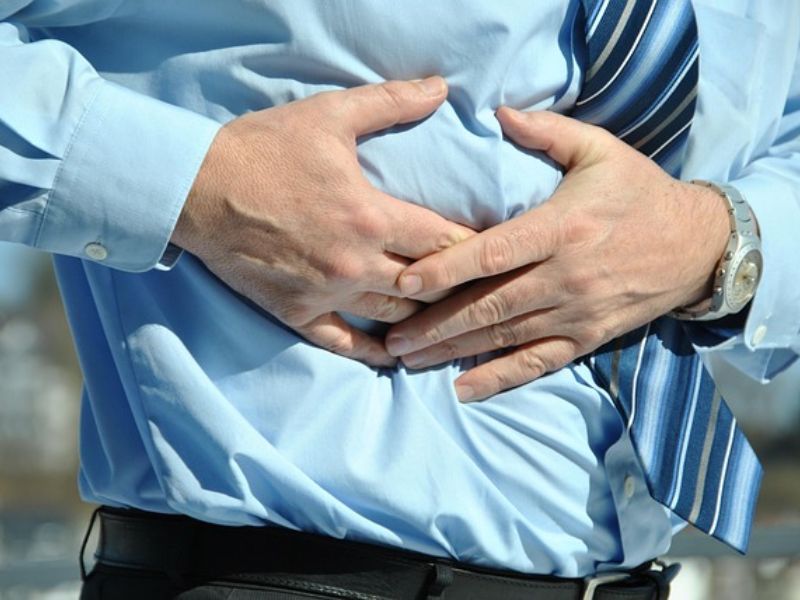

If you’re dealing with an upset stomach, vomiting, and diarrhoea, it’s common to chalk it up to a “tummy bug” or something you ate. But what’s really behind it—gastro or food poisoning?
And is there even a difference?
What Exactly Is Gastroenteritis?
Gastroenteritis—often called “gastro” is an infection of the gut triggered by a virus, bacteria, or another type of microbe.
While the gut naturally contains healthy microbes and protective lining cells, problems arise when harmful microbes invade. They multiply rapidly, overwhelm the system, and lead to inflammation of the gut lining. The suffix “-itis” in gastroenteritis actually refers to this inflammation.
It’s a very common condition—Australia alone sees around 17.2 million cases annually.

So, where do these microbes that cause gastro come from? One of the most common sources is consuming contaminated food.
But contaminated food isn’t the only way to catch these microbes. For instance, if you touch a surface where someone with viral gastroenteritis has vomited, the virus can get on your hands. If you then touch your mouth, you could end up infecting yourself with the virus.
What is Food Poisoning Exactly?
Food poisoning happens when you become ill after consuming food or drink contaminated with harmful chemicals, microbes, or their toxins.
For instance, eating food tainted with insecticides or methanol, or consuming toxic items like pufferfish or poisonous mushrooms, would be considered food poisoning. However, reactions caused by food allergies aren’t classified this way.
Most cases of food poisoning are due to microbial contamination or the toxins they produce. Once ingested, these toxins can act quickly—causing inflammation and damage to the gut lining, almost like a sudden internal attack.
To make things more confusing, food poisoning is often labeled as foodborne gastroenteritis. In Australia, it’s quite common, making up roughly one-third of all gastroenteritis cases—about 5.4 million annually.
How Can You Tell The Difference Between The Two?
Gastroenteritis and food poisoning share many symptoms—like diarrhoea, nausea, vomiting, stomach cramps, fever, and headaches. However, the way these symptoms appear can differ.
With viral gastroenteritis, such as an infection caused by norovirus, symptoms typically begin 24 to 48 hours after exposure and may last for a day or two.
Food poisoning caused by microbial toxins can appear much more rapidly. For instance, toxins produced by the bacterium Staphylococcus aureus can trigger symptoms as soon as 30 minutes after eating contaminated food like undercooked meat. The good news is that these symptoms often resolve within a day.
However, not all bacterial food poisoning cases develop so quickly. Infections like Listeria, for example, can take up to 70 days to show symptoms—though on average, it’s about three weeks. This long delay can make it challenging to pinpoint the exact food that caused the illness.

As a general rule of thumb, food poisoning tends to set in within hours of eating contaminated food, whereas gastroenteritis usually takes a day or more to develop after exposure. However, this isn’t always the case, and there are exceptions.
What Can I Do To Avoid Them?
The same food safety practices help prevent both gastroenteritis and food poisoning. Following these steps not only reduces your own risk but also helps prevent spreading illness to others.
Always wash your hands well with soap and water before handling food. Use different cutting boards and utensils for raw and cooked items to avoid cross-contamination. Make sure food is cooked properly and stored at safe temperatures.
Gastroenteritis can spread in ways other than through food—for example, through contact with fecal matter if you don’t wash your hands properly after using the toilet or changing a child’s nappy. That’s why handwashing is essential.
To avoid spreading the illness to others, promptly and thoroughly clean any surfaces contaminated by vomit or diarrhoea. Start by wearing gloves and washing the area with hot water and detergent. Then disinfect it using a household bleach solution containing 0.1% hypochlorite.
What Can I Do To Recover?
Treatment for both gastroenteritis and food poisoning mainly involves staying hydrated and managing symptoms.
To prevent dehydration, it’s important to drink plenty of fluids. In more serious cases, you can use an oral rehydration solution, which is available at pharmacies.
You can also make a homemade version by mixing 6 teaspoons of sugar, ½ teaspoon of salt, and ½ teaspoon of baking soda into a litre of water. Adding a bit of cordial can improve the taste.
If your symptoms are severe or don’t improve, it’s best to visit your GP or head to the emergency department.
Read the original article on: Sciencealert
Read more: Doctors Detect Indicators Of Parkinson’s Disease By Inspecting The Inner Ear