Commonwealth Fusion Systems
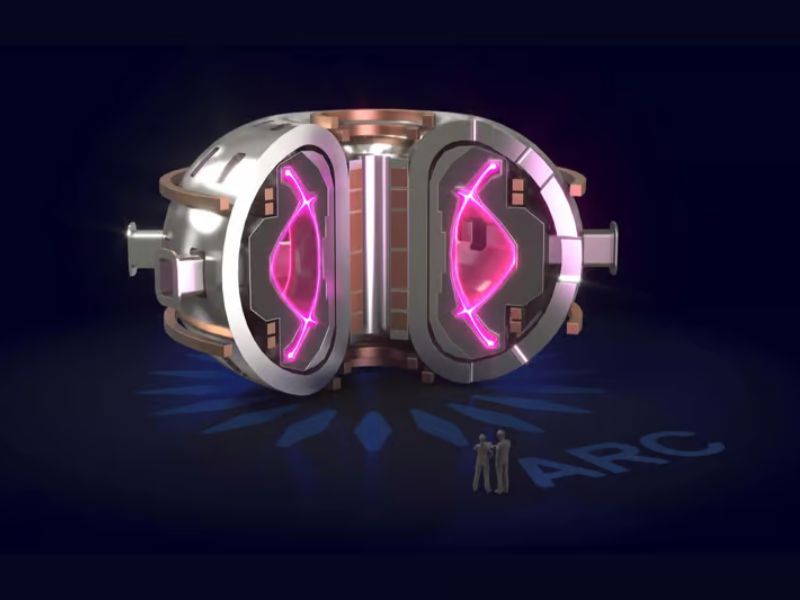
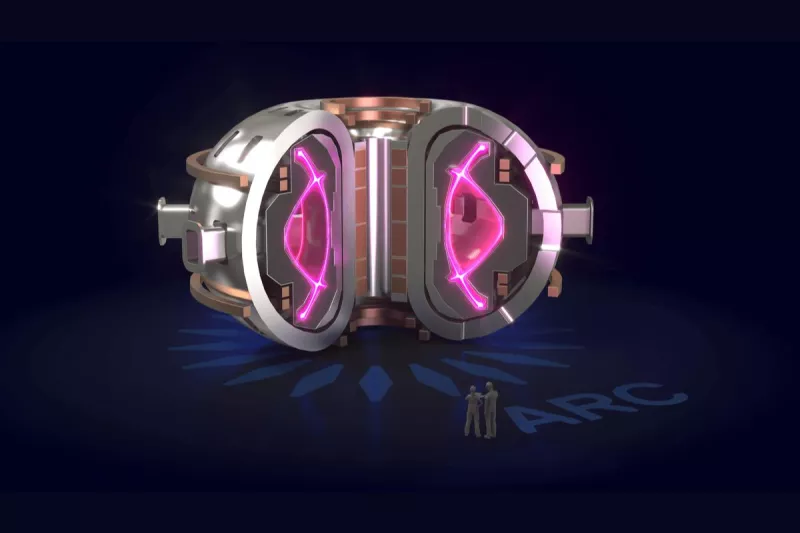
Massachusetts energy startup Commonwealth Fusion Systems (CFS) has signed an agreement to supply Google with 200 megawatts of electricity from its future ARC fusion power plant in Chesterfield County, Virginia.
The facility is projected to go online in the early 2030s, meaning it will be some time before Google can tap into CFS’s carbon-free energy. Since 2021, the tech giant has been backing CFS in an effort to advance what has long seemed an unattainable form of clean energy.
Microsoft Bets on a 2028 Fusion-Powered Future
The announcement reminds me of Helion Energy’s deal to power Microsoft’s data centers from its upcoming 50-MW fusion plant by 2028. That startup has raised over US$1 billion to crack a way to generate more power than the inputs required to facilitate a fusion reaction.
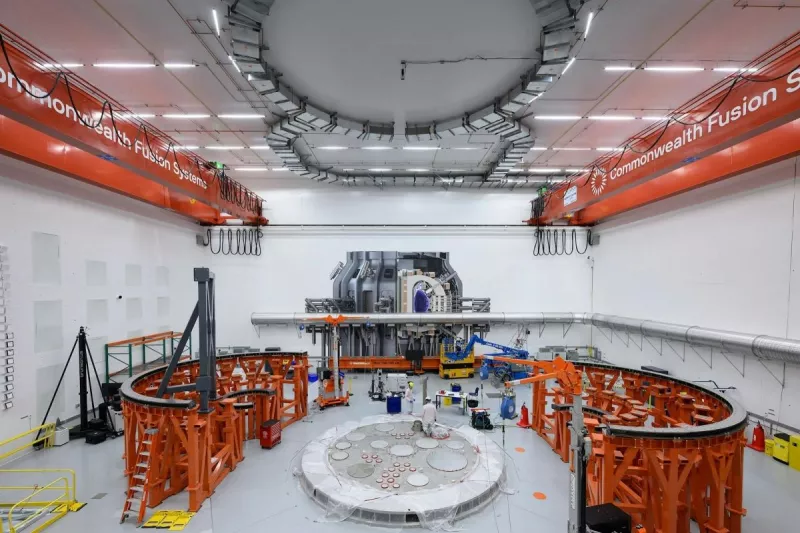
CFS arguably faces twice the pressure to follow through on its promise, having raised over $2 billion since its launch in 2018. The company is currently developing its SPARC reactor in Devens, Massachusetts, where it’s testing custom superconducting magnets designed to confine plasma at temperatures exceeding 100 million degrees Celsius inside a warehouse-sized, donut-shaped fusion device known as a tokamak.
SPARC’s Net Energy Goal Paves the Way for a 400-Megawatt Fusion Plant in Virginia
The initial goal is to prove that SPARC can produce more energy than it consumes to sustain the fusion reaction — a milestone known as net energy gain, or Q>1. If CFS achieves this, it plans to apply the insights gained to build the ARC reactor in Chesterfield County, Virginia, which is expected to generate 400 MW of electricity.

Commonwealth Fusion Systems
To put it in perspective, 200 megawatts can power around 200,000 average U.S. homes, while 400 megawatts is comparable to the output of a large-scale natural gas plant.
Although the deal reflects strong confidence in CFS from a major supporter, the path forward is far from simple. Scientists face a formidable challenge: using magnets to reach the extreme temperatures needed to fuse atoms and generate more energy than the process consumes.
Achieving net energy gain (Q>1) is just the first step; CFS will also have to sustain the reaction, keep it stable, and ensure the reactor’s components don’t degrade or fail during operation.
Commonwealth Fusion Systems
Google’s Expanding Clean Energy Portfolio Surpasses 8 GW in 2024
Google has been making major global investments in renewable energy since 2010, including ventures into geothermal and nuclear power. In 2024 alone, it secured over 8 gigawatts of clean energy.
The company acknowledges that nuclear fusion remains a long shot, but it views the technology as a bet worth making. Nearly 50 privately funded startups, including CFS, are now racing to turn fusion into reality in the coming years.
Read the original article on: New Atlas
Read more: UK Moves To Limit Google’s Stronghold On The Online Search Industry