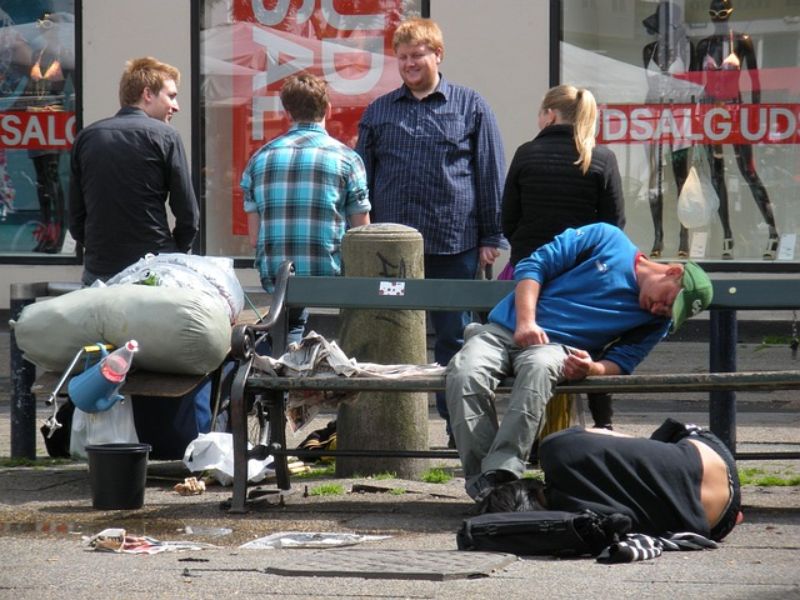

A major international study has revealed a weekly rhythm disruption in a common yet underdiagnosed sleep disorder — bad news for Saturday nights. Researchers call this pattern “social apnea,” a weekend spike in OSA severity likely driven by late nights, alcohol, smoking, sleeping in, and other routine shifts.
Flinders University researchers analyzed nearly 500 nights of sleep data from 70,052 participants—mostly middle-aged men—across 23 countries, using under-mattress sensors and clinical OSA severity thresholds. They could see who met mild, moderate, or severe OSA criteria each night, diagnosed or not.
Weekend Sleep-Ins Linked to Sharp Rise in OSA Severity
The researchers discovered a significant gap between weekday and weekend OSA severity. On Saturdays, participants were 18% more likely to have moderate-to-severe OSA than on midweek nights. The effect was stronger in men (21% higher risk) than women (9%), and in under-60s (24%) than over-60s (7%).
Additionally, individuals who slept in by 45 minutes or more on weekends compared to weekdays faced an even greater spike — a 47% higher likelihood of more severe OSA.
“Sleep apnea is a major public health concern, and its true impact may be underestimated,” says lead author Dr. Lucia Pinilla of FHMRI Sleep Health, Flinders University. “Single-night clinical tests — usually on weeknights — miss the weekend effect we call social apnea.”
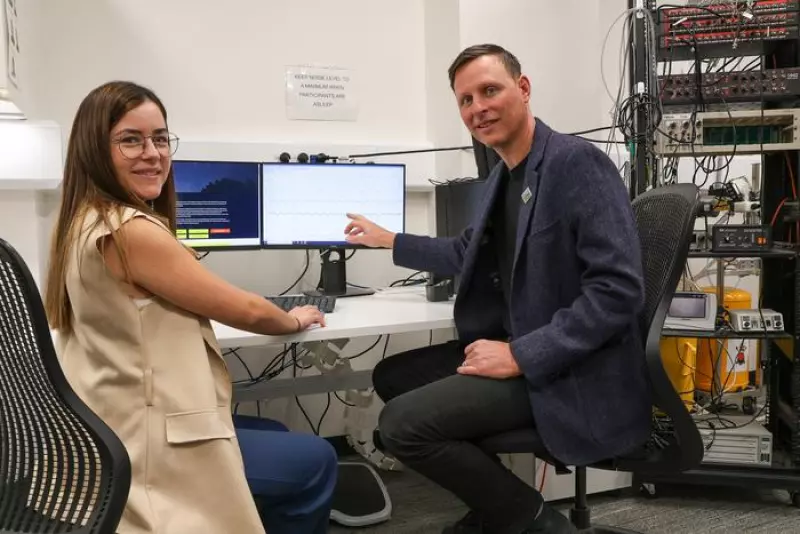
Flinders University
Disrupted Routines and Late Nights Likely Fuel ‘Social Apnea’
As its name implies, social apnea follows days of heightened social activity that disrupt sleep schedules. While researchers have yet to pinpoint the exact cause of this troubling rise in OSA severity, they believe shifts in habits — such as staying up late, sleeping in, and increased alcohol consumption — are likely the main contributors.
“We don’t yet know the exact reasons, but factors like alcohol consumption, lighter sleep, and less consistent use of OSA treatments likely contribute,” said Professor Danny Eckert, Director of FHMRI Sleep Health and senior author.
Because most sleep studies occur on weekdays, the weekend spike found here suggests many cases may be missed or underestimated. Mild midweek OSA could become moderate or severe on Saturday, but without testing both nights, doctors wouldn’t know.
Experts Urge Broader Testing to Capture Weekend OSA Risks
Eckert noted that their “social apnea” findings underscore the need for more comprehensive sleep assessments that consider weekend variability, as well as the importance for patients to recognize how their “off-the-clock” habits could significantly heighten health risks.
“Relying on a single-night study can miss key fluctuations, leading to underdiagnosis or misclassification of OSA severity,” he explained, advising people to stick to a consistent sleep routine and stay mindful of weekend risks. “Aim for the same bedtime and wake time throughout the week, and get the recommended seven to nine hours of sleep each night.”
“Maintaining a consistent wake-up time, using your prescribed OSA treatment even on weekends, and heading to bed when you feel sleepy can help you regularly get restorative sleep and reduce the weekend spike in OSA,” he added.
In related research, a Flinders University team led by Bastien Lechat — who also contributed to the social apnea study — discovered that seasonal changes also influenced OSA severity in the same dataset of over 70,000 people.
Read the original article on: New Atlas
Read more: Sleeping More on Weekends Could Reduce The Risk of Heart Disease By 20%, Study Finds