
Midjourney, a leading AI image generation startup, announced on Wednesday the release of its highly anticipated AI video model, V1.
V1 Transforms Still Frames into Short Video Clips
V1 is an image-to-video system that allows users to upload an image—or use one generated by another Midjourney model—and receive four five-second video clips based on it. Similar to Midjourney’s image tools, V1 is currently accessible exclusively through Discord and is only available on the web for now.
Midjourney Enters the AI Video Arena with a Creative Edge
The release of V1 positions Midjourney alongside other major players in the AI video space, including OpenAI’s Sora, Runway’s Gen-4, Adobe’s Firefly, and Google’s Veo 3. While many of these companies are focused on building controllable video tools for commercial use, Midjourney has carved out a niche with its uniquely artistic AI image models, appealing primarily to creatives.
Midjourney, however, has broader ambitions. Rather than simply generating B-roll for movies or ads, the company envisions its video technology as a stepping stone toward developing AI capable of “real-time open-world simulations,” according to a blog post by CEO David Holz.
Following its push into video, Midjourney plans to expand into AI-generated 3D content and eventually real-time AI systems.
The launch of V1 also comes amid legal pressure. Just a week prior, Midjourney was hit with a lawsuit from Disney and Universal, accusing the company of producing AI-generated images that include copyrighted characters like Darth Vader and Homer Simpson.
Fears Grow Over AI’s Impact on Creative Industries
Hollywood has been grappling with the rapid rise of AI tools like those developed by Midjourney. There is increasing concern that such technologies could undermine the roles of creative professionals, with several media firms claiming that these models were trained using their copyrighted material.
Although Midjourney has positioned itself as a creative-first platform—distinct from other AI image and video startups focused on commercial use—it hasn’t been able to avoid legal scrutiny and copyright concerns.
For now, generating videos will come at a higher cost: the company says video creation will require eight times more credits than generating a single image, meaning users will deplete their monthly generation limits much more quickly when working with video.
At launch, the most affordable way to access V1 is through Midjourney’s $10/month Basic plan. Those subscribed to the $60 Pro plan or the $120 Mega plan will get unlimited video generations in the platform’s slower “Relax” mode. Midjourney plans to reevaluate its pricing structure for video tools in the coming month.
V1 includes several customizable features that give users control over how their videos are generated.
Users Can Customize Motion with Automatic or Manual Animation Modes
Users can choose an automatic animation mode that adds random motion to an image or opt for a manual mode, where they describe specific animations they’d like to see. Additionally, settings allow users to adjust the intensity of movement, selecting between “low motion” and “high motion” for both the camera and the subject.
Although V1 videos are initially just five seconds long, users have the option to extend them by four seconds up to four times, allowing for a maximum duration of 21 seconds.
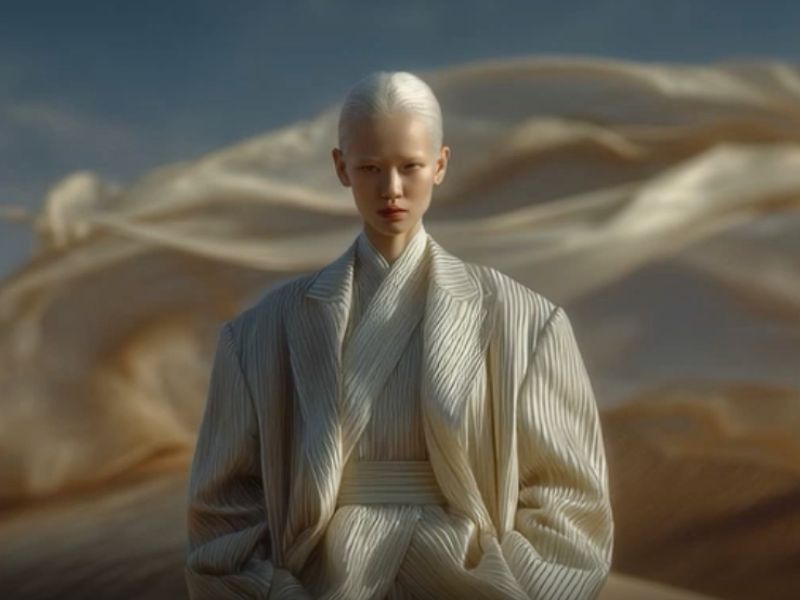
As with Midjourney’s image models, early video samples from V1 have a surreal, dreamlike quality rather than photorealism. The initial reception has been largely positive, but it remains to be seen how V1 stacks up against more established AI video models that have been available for a longer time.
Read the original article on: TechCrunch
Read more: AI Outperforms Humans in Most Performance Benchmarks