Tag: Ancient

  • Ancient Parasite Used a Trap-like Appendage To Lay Eggs in Hosts

    Ancient Parasite Used a Trap-like Appendage To Lay Eggs in Hosts

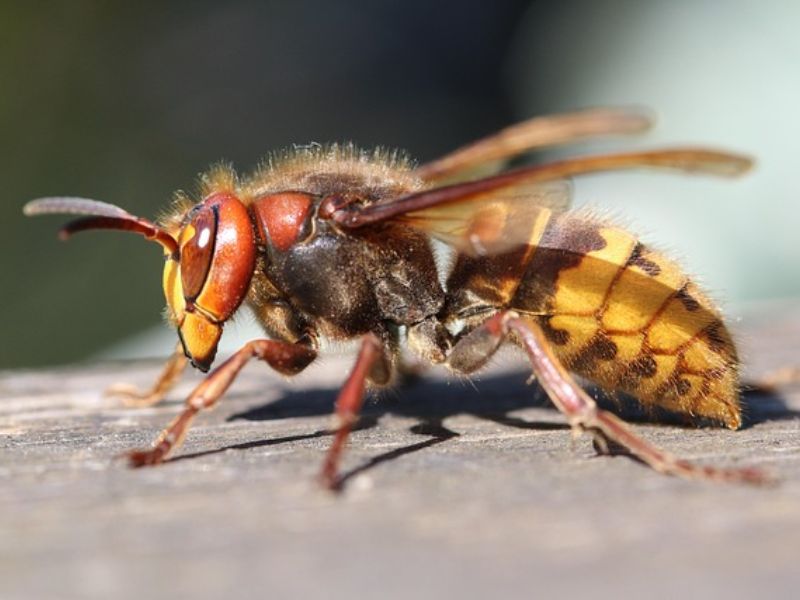
    A specimen of the parasitic wasp, Sirenobethylus charybdis, preserved in amber. Credit: Pixabay

    If you ever find yourself in the time of dinosaurs, avoid touching flowers—they might be parasitic wasps in disguise. A study of wasps trapped in amber reveals that these insects ensnared hosts for their larvae using a Venus flytrap-like appendage.

    Named Sirenobethylus charybdis, this wasp lived around 99 million years ago, and at first glance, it resembles modern wasps. However, a closer look at its abdomen reveals a bizarre, flower-shaped trap. Researchers from Capital Normal University in China and the Natural History Museum of Denmark analyzed 16 amber-preserved specimens using micro-CT scans. They discovered that the wasp’s abdomen consisted of three flaps capable of opening and closing like petals.

    The lower flap featured spines and a dozen hair-like bristles at its tip, likely functioning as sensory triggers—similar to those on a Venus flytrap—that signaled when prey was near. However, the soft spines in the center suggest the trap wasn’t meant to crush victims. Instead, the wasp had a far more sinister purpose.

    A Deadly Trap: Parasitic Wasp Uses Venus Flytrap-Like Mechanism to Inject Eggs into Hosts

    A close-up of the Venus flytrap-like abdomen of Sirenobethylus charybdis
    Qiong Wu

    Once a host insect entered the trap, the wasp could quickly snap it shut and deliver a paralyzing sting. This allowed the ovipositor, a specialized egg-laying appendage, to inject eggs into the immobilized host. Afterward, the wasp released its victim, but the real horror had just begun. Once the eggs hatched, the larvae consumed the host from within—a fate similar to that inflicted by modern parasitic wasps.

    Researchers believe S. charybdis targeted small flying or hopping insects but lacked the speed to chase them down. Instead, it evolved this ambush strategy, unlike any parasite known today. This discovery highlights that eerie insect horror stories have played out since the age of dinosaurs.

    The study was published in BMC Biology, and a micro-CT scan of the wasp can be seen in the video below.


    Read Original Article: New Atlas
    Read More: Mouse Created Using Gene Older Than Animal Life

  • Ancient Frozen Lake Preserves a Time Capsule From Millions of Years Ago

    Ancient Frozen Lake Preserves a Time Capsule From Millions of Years Ago

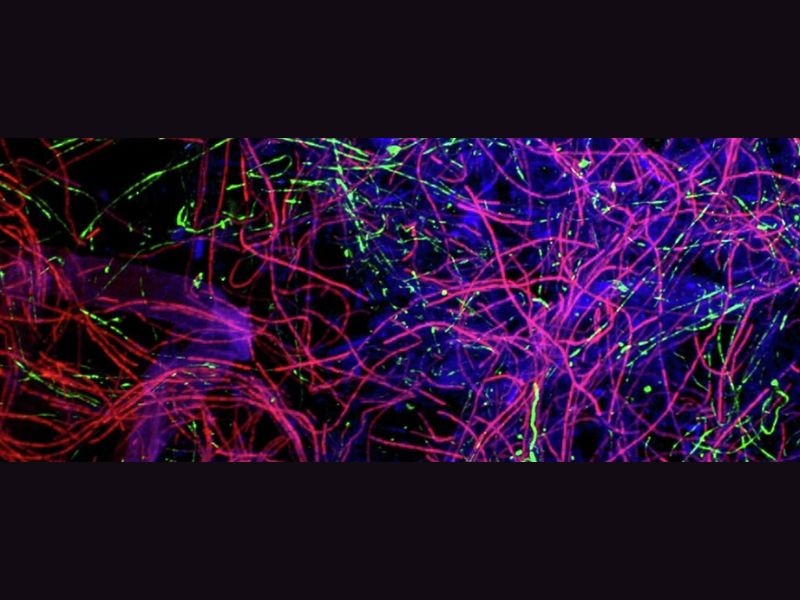
    Confocal laser scanning microscopy (merged image) of the photosynthetic surface of a microbial mat. (Smedile et al., Communications Earth & Environment, 2024)

    Beneath Antarctica’s Lake Enigma, a hidden freshwater ecosystem has been sealed under 30 feet (9 meters) of ice for up to 14 million years. Led by Italian scientists, researchers used radar and advanced, contamination-free drilling methods to access and study this ancient, isolated biome.

    Analysis shows Lake Enigma hosts a phylogenetically diverse, high-biomass microbial ecosystem distinct from any other ice-covered Antarctic lake. Researchers suggest these microbes are remnants of an ancient ecosystem that thrived before the lake froze over. The microbial community forms a simple food web, ranging from photosynthetic organisms to predators and symbiotic species.

    Unveiling Microbial Dark Matter: Patescibacteria and Other Unique Microbial Groups Thrive in Lake Enigma

    Underwater and surface photography of Lake Enigma and its surroundings. (Smedile et al., Communications Earth & Environment, 2024)

    Key microbial groups discovered include Pseudomonadota, Actinobacteriota, and Bacteroidota. Most notably, an unexpected abundance of Patescibacteria thrives despite the water column’s unusually high levels of dissolved oxygen. Furthermore, these tiny, symbiotic bacteria—often referred to as “microbial dark matter“—appear to play unique and critical roles in this extreme environment.

    Underwater imaging revealed the lake floor covered in diverse microbial mats, dominated by oxygen-producing cyanobacteria absent in the water column and ice. These mats form crumpled carpets, towering structures up to 2 feet tall, and dune-like pinnacles. The stable, pressurized ecosystem, likely fed by meltwater from the nearby Amorphous Glacier, includes elusive Patescibacteria, ultrasmall symbiotic microbes that may play unique roles in Lake Enigma’s extreme conditions.


    Read Original Article: Science Alert

    Read More: A Significant Technological Advancement Occurred 900,000 Years Ago