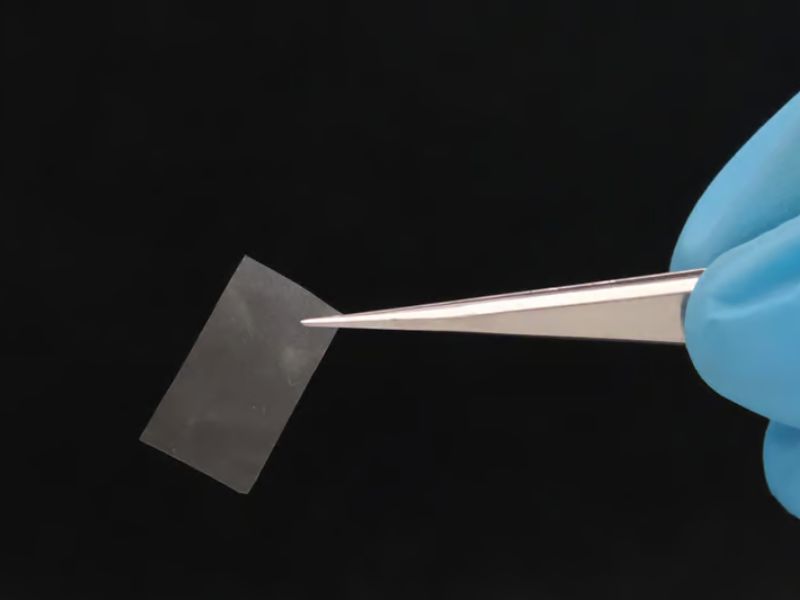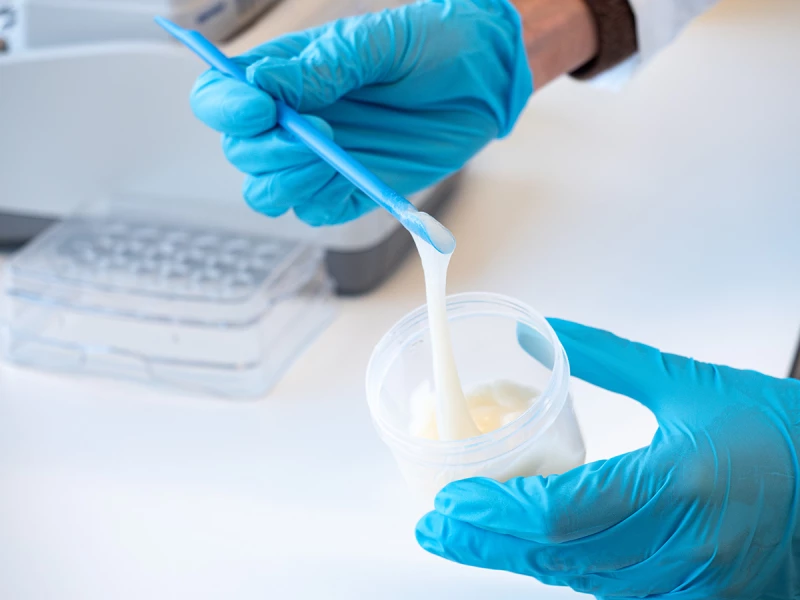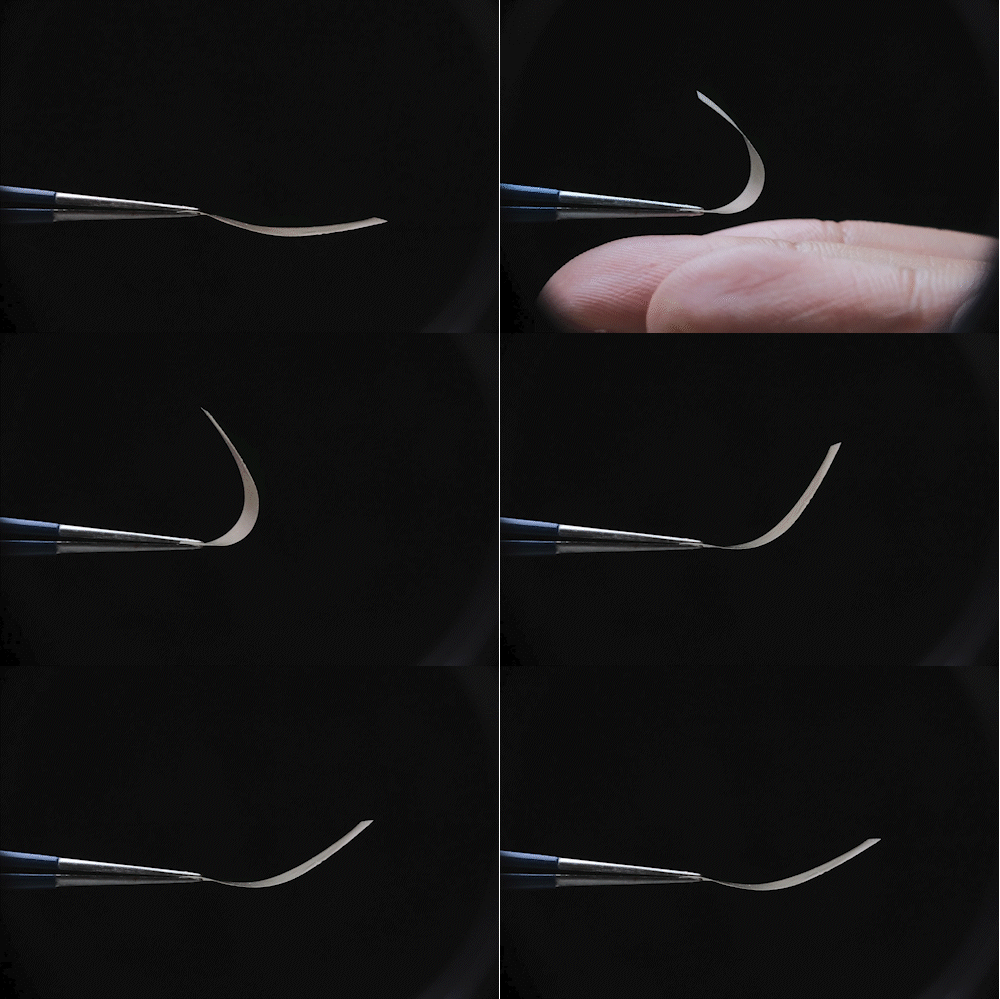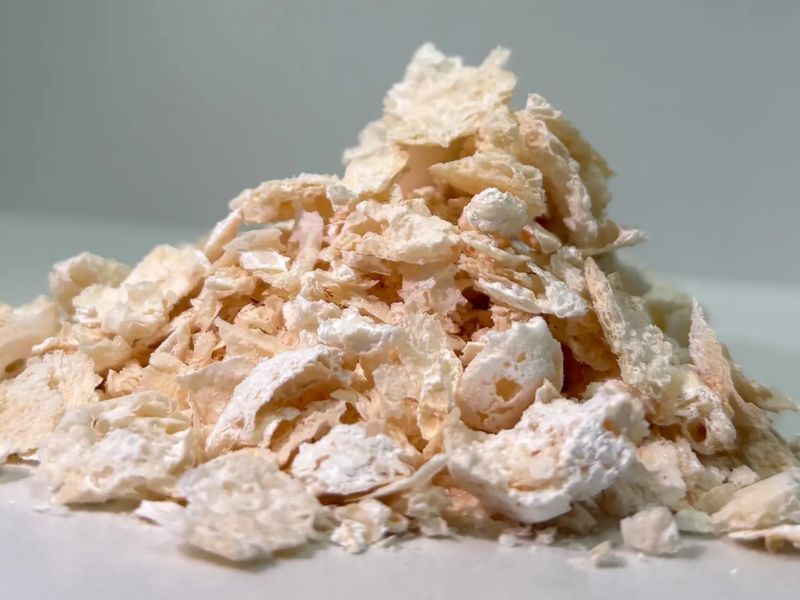

PDCA, a biodegradable alternative to PET, boasts superior physical properties. Researchers at Kobe University engineered E. coli bacteria to produce PDCA from glucose at unprecedented levels without generating byproducts, opening new avenues in bioengineering.
While the durability of plastics has driven their widespread use, it also contributes to environmental problems. Most plastics are petroleum-based, making them non-renewable and dependent on geopolitical factors. Scientists worldwide are developing biodegradable and bio-based alternatives, but challenges with yield, purity, and production costs remain.
Engineering PDCA with Nitrogen
Kobe University bioengineer Tsutomu Tanaka explains that most biomass-based production focuses on molecules containing only carbon, oxygen, and hydrogen. “Yet some highly promising compounds for high-performance plastics include elements like nitrogen, and no efficient bioproduction methods exist. Chemical synthesis inevitably creates unwanted byproducts,” he says. PDCA (pyridinedicarboxylic acid) is one such compound. Biodegradable and physically comparable—or even superior—to PET, PDCA holds potential for containers and textiles. “We took a new approach: using cellular metabolism to incorporate nitrogen and build the compound from start to finish,” Tanaka adds.
In Metabolic Engineering, the team reported producing PDCA in bioreactors at concentrations over seven times higher than previously achieved. “Our work shows that metabolic reactions can integrate nitrogen cleanly, without generating byproducts, enabling efficient synthesis,” says Tanaka.
Solving the H₂O₂ Hurdle in Enzyme Production
The team faced challenges, notably a bottleneck where an introduced enzyme produced hydrogen peroxide (H₂O₂), which then deactivated the enzyme. “By adjusting culture conditions and adding a compound to scavenge H₂O₂, we overcame this, though it may pose economic and logistical challenges for scaling up,” Tanaka notes.
Looking ahead, the team plans to further optimize production. “Obtaining sufficient quantities in bioreactors sets the stage for practical applications. More broadly, our success in incorporating nitrogen-metabolism enzymes expands the range of molecules accessible via microbial synthesis, boosting the potential of bio-manufacturing,” Tanaka concludes.
Read the original article on: Science Daily