Tag: Biofuel

  • Public Support Hydrogen and Biofuels to Decarbonize Global Shipping

    Public Support Hydrogen and Biofuels to Decarbonize Global Shipping

    Credit: Unsplash.

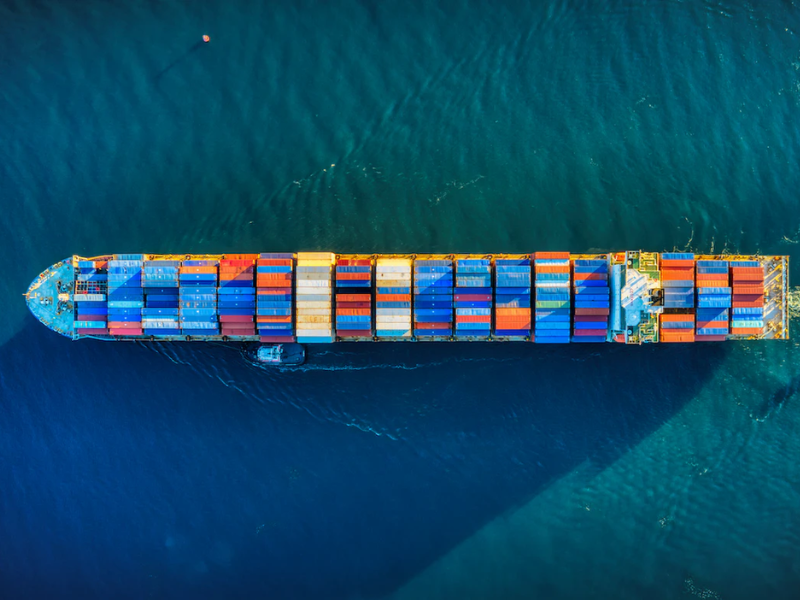
    A recent study conducted by the University of Southampton examined public attitudes towards alternative fuels for decarbonizing global shipping. The findings revealed that the general public supports the use of hydrogen and biofuels in this industry.

    Nuclear power was seen as a preferable alternative to heavy fuel oil (HFO), but the public perceived it as risky. Liquid natural gas (LNG) was viewed as a positive transitional step, while ammonia received strong negative responses from the UK public.

    Global shipping is responsible for a significant portion of worldwide trade and contributes around 3% of global greenhouse gas emissions. In 2021, industry leaders committed to achieving net-zero emissions by 2050. The study emphasized the importance of considering public opinions when planning for the transition to fuels that can significantly reduce emissions in the shipping sector.

    Hydrogen: A Promising and Perceived Favorable Alternative Shipping Fuel

    The research involved in-depth interviews and a survey of nearly a thousand UK residents. Biofuel and hydrogen were the most favored alternatives, with biofuel considered low risk and hydrogen perceived to have minimal negative effects. LNG received moderate support, and the main association was its current availability.

    Nuclear power was viewed more positively than HFO but still had an overall negative perception due to concerns about risks. The potential for a nuclear spill was seen as a major disaster compared to an oil spill. On the other hand, ammonia, despite being considered a balanced carbon-free fuel alternative by some assessments, faced strong public opposition. It was seen as unproven, risky, dangerous, and toxic.

    Interestingly, residents of port cities were slightly more supportive of alternative shipping fuels overall. The study highlighted the need to consider public concerns alongside technological and economic evaluations, as public opinion may evolve and vary over time.

    The research paper, titled “Public response to decarbonisation through alternative shipping fuels,” was published in the journal Environment, Development and Sustainability and is available online.


    Read the original article on sciencedaily.

    Read more: Un nouveau type de production d’énergie hydroélectrique devient de plus en plus populaire.
  • Air France-KLM Includes Biofuel Tax to Plane Tickets

    Air France-KLM Includes Biofuel Tax to Plane Tickets

    Biofuel
    Credit: flight global.

    Tickets are getting more expensive

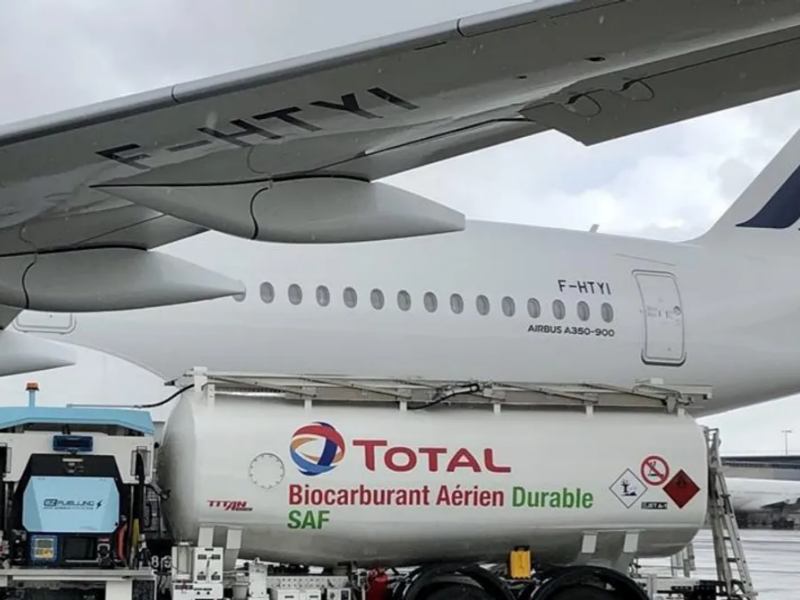
    Air France-KLM shared Monday that it would include an additional charge of 12 euros ($13,50) to its tickets to counter the expense of using more expensive sustainable aviation fuel.

    Air France claimed that the fuel fee would be added to tickets from January 10.

    Passengers in coach will pay around one and four euros more while those in business will pay from 1.5 euros to 12 euros, depending on the length of their trip, it stated in a communication to its customers.

    Air France’s Dutch partner KLM and low-cost subsidiary Transavia may incorporate an additional charge on flights leaving France and the Netherlands, the company announced, including replacing from 0.5 percent and one percent of the kerosene it uses with the sustainable option.

    Sustainable aviation fuel or SAF is mainly produced from used cooking oil, forestry, or farming waste.

    It lets airlines minimize carbon emissions by 75 percent compared to kerosene over the fuel’s lifecycle.

    Jet fuel currently represents within 20 to 30 percent of airlines’ costs.

    Take-up of SAF, which is between 4 and 8 times more costly, has been slow.

     Present manufacturing levels fall far below what would be needed to power the world’s aircraft fleet.

    A progressively cleaner industry

    In 2019, sustainable fuel represented less than 0.1 percent of the 360 billion liters of fuel utilized by the aviation sector.

    Air France claimed it was certain the price of SAF would drop as more European nations begin mass producing them.

    On Thursday, the airline stated it would be providing travelers the possibility to contribute to the acquisition of additional sustainable fuel.

    Air France pledged that every euro contributed would go towards SAF.

    Air traffic represents 2.5 and 3 percent of international carbon emissions. The sector aims to become carbon neutral by 2050, both by investing in jets that consume less kerosene and using cleaner fuel.

    Under a new law that took effect in France on January 1, airline companies refueling in the nation are obligated to use a minimum of one percent of sustainable fuel in their fuel mix– a percentage set to rise to 2 percent in 2025 and 5 percent in 2030.


    Read the original article on PHYS.

    Read more: Design an Invisible Cloak for Bacteria to Deliver Drugs to Tumors.