Tag: Bird Flu

  • Bird Flu Has a Heat-Resistant Gene That Helps it Survive Fever Defenses

    Bird Flu Has a Heat-Resistant Gene That Helps it Survive Fever Defenses

    Scientists have found that avian flu viruses carry a gene that makes them unusually tolerant to heat, rendering one of our key immune defenses—fever—largely ineffective. Instead of slowing the infection, higher temperatures actually help these viruses reproduce.
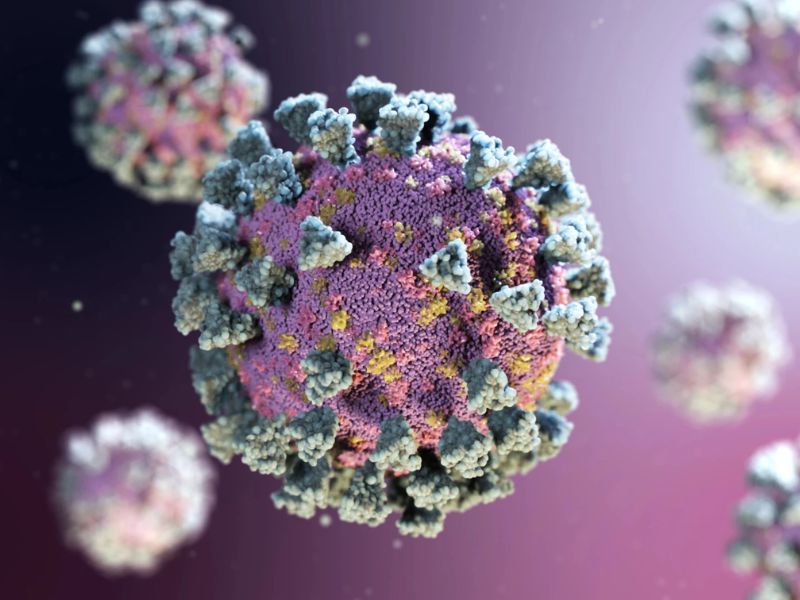
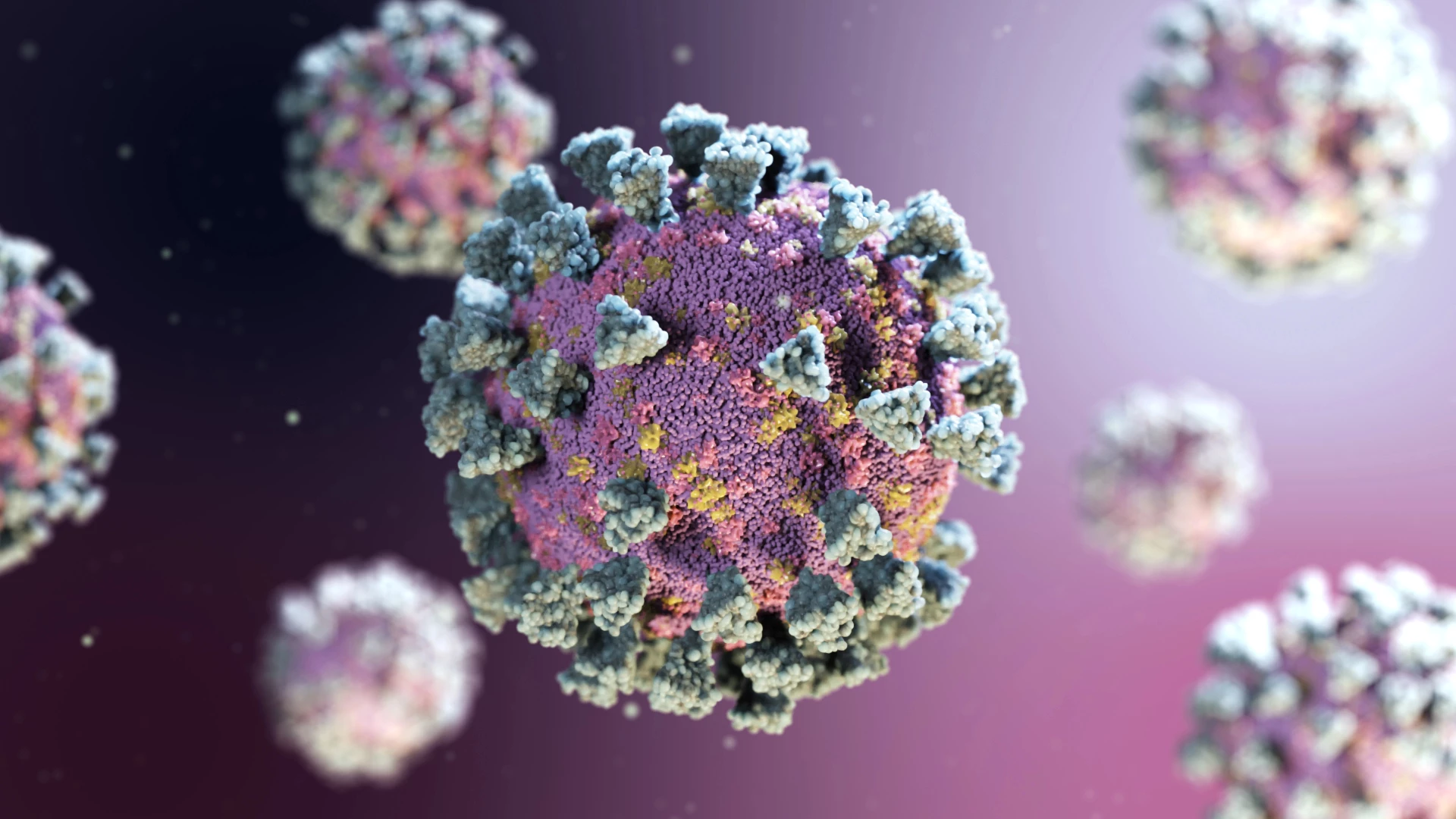
    Bird flu viruses have a genetic component in their “engine” that keeps them running – and replicating – even when our bodies turn up the heat 
    Image Credits: Depositphotos

    Scientists have found that avian flu viruses carry a gene that makes them unusually tolerant to heat, rendering one of our key immune defenses—fever—largely ineffective. Instead of slowing the infection, higher temperatures actually help these viruses reproduce.

    Researchers at the University of Cambridge and the University of Glasgow have shed new light on why bird flu poses a greater threat to humans than seasonal influenza A. The difference appears to hinge on a single heat-protective gene called BP1.

    Why Avian Influenza Thrives Where Human Flu Struggles

    Fever is an ancient mammalian defense mechanism that raises body temperature just enough to hinder the growth of many pathogens, including typical influenza A. Seasonal flu viruses adapted to humans grow best in the cooler temperatures of the upper respiratory tract (around 33 °C / 91 °F) and weaken quickly as temperatures near 40 °C (104 °F).

    Birds, however, naturally maintain much higher body temperatures—between 40 °C and 42 °C (104–108 °F). Avian influenza viruses, including the dangerous strains that occasionally infect humans, have evolved to replicate efficiently in these hotter conditions.

    The researchers set out to determine whether this heat-tolerance trait helps explain why avian influenza causes such severe disease when it infects humans. To test this, they engineered two nearly identical viruses that differed only in their PB1 gene—the “engine” the virus relies on to replicate.

    How a Single Gene Alters Virus Behavior Under Fever Conditions

    One virus carried PB1 from a human-adapted strain, which breaks down at fever-level temperatures; the other carried PB1 from avian influenza strains, including those present in the 1957 and 1968 pandemic viruses.

    This single genetic swap dramatically changed how the viruses behaved, a pattern first seen in cell cultures and later confirmed in mice. At normal temperatures, both versions made the animals seriously ill. Because mice rarely develop fevers in response to flu, the researchers warmed the animals’ environment, raising their core temperature by about 2 °C (3.6 °F).

    In this warmer setting, the human-adapted virus struggled—it couldn’t operate properly or replicate, leading to only mild symptoms. The avian-PB1 virus, however, showed no such weakness: it replicated efficiently and caused severe disease, just as it did in mice kept at normal body temperatures.

    “This elegant study builds on the simple insight that animals maintain different body temperatures, and demonstrates how that can shape the way viruses behave when they jump between species,” said Professor Wendy Barclay, Chair of the Medical Research Council (MRC) Infections and Immunity Board. “The researchers show that human-adapted influenza viruses replicate poorly when temperatures rise, as happens during fever. In contrast, avian influenza viruses—accustomed to the higher body temperatures of their natural bird hosts—are not restrained by the fever response when they infect mammals.”

    PB1 Gene Reassortment

    As noted, the most lethal influenza outbreaks of the 20th century involved viral strains whose PB1 gene originated in birds—a fact revealed through extensive genetic sequencing. Influenza A contains eight separate gene segments, and when two strains infect the same cell, they can exchange these segments through reassortment. PB1 is one of the segments most likely to jump between human and avian viruses during this mixing process.

    “The capacity of flu viruses to trade genes remains a major driver of risk for emerging strains,” explained Dr. Matt Turnbull, lead author from the Medical Research Council Centre for Virus Research at the University of Glasgow. “We’ve seen this happen in earlier pandemics, like those in 1957 and 1968, when a human influenza virus acquired its PB1 gene from an avian strain. That may help explain why those pandemics produced such severe disease.”

    The new research suggests that this small gene might have enabled those pandemic viruses to bypass the human body’s temperature-based defenses, allowing them to cause such widespread and serious illness—and it underscores the potential danger should an avian flu virus successfully jump into humans again.

    “It’s essential to keep a close watch on bird flu strains so we can better prepare for possible outbreaks,” said Turnbull. “Assessing how resistant these viruses are to fever could help us pinpoint the strains most likely to cause severe disease.”

    Rare but Deadly

    Recently, a resident of Washington died from complications after being infected with a novel avian influenza strain not previously seen in humans. While bird flu viruses have not yet become efficient at spreading between people, human infections, though rare, tend to be severe.

    “Fortunately, human infections with bird flu remain uncommon, but we still see several dozen cases each year,” said senior author Professor Sam Wilson from the Cambridge Institute of Therapeutic Immunology and Infectious Disease. “Historically, bird flu infections in humans have had alarmingly high fatality rates, such as with H5N1, which caused over 40% mortality.”

    “Grasping why bird flu viruses trigger severe illness in humans is vital for effective monitoring and pandemic preparedness,” Wilson added. “This is particularly critical given the pandemic risk posed by avian H5N1 strains.”


    Read the original article on: New Atlas

    Read more: Deadly Virus Strikes the Remaining Wild Blue Macaws in Brazil

  • Can I Catch Bird Flu From Eggs or Milk?” A California Expert Explains

    Can I Catch Bird Flu From Eggs or Milk?” A California Expert Explains

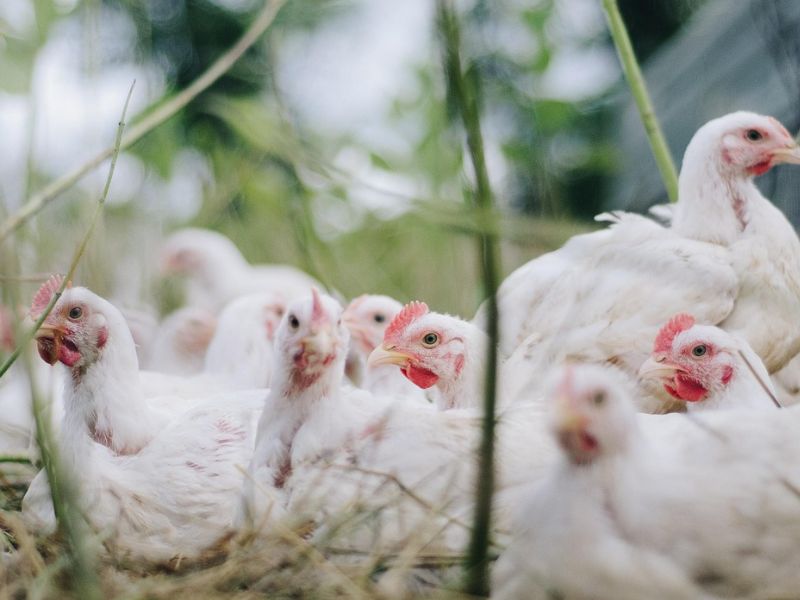
    With bird flu outbreaks affecting poultry farms and dairies across California, many are questioning the safety of their food.
    Credit: Pixabay

    With bird flu outbreaks affecting poultry farms and dairies across California, many are questioning the safety of their food.

    Since highly pathogenic avian influenza (HPAI) appeared in the U.S. in January 2022, it has been found in both wild birds and domestic poultry, as reported by the CDC.

    Recent Outbreaks of Highly Pathogenic Avian Influenza

    In September, HPAI was detected at a Merced County turkey farm, followed by an outbreak at a Tulare County chicken ranch a month later, resulting in the culling of hundreds of thousands of birds, according to The Fresno Bee.

    Additionally, avian flu has impacted over 130 dairies across California, infecting cows and 15 dairy workers.

    The Bee consulted a Fresno-based infectious disease expert to understand the virus’s impact on food safety.

    The U.S. Food and Drug Administration states that highly pathogenic avian influenza (HPAI), or bird flu (H5N1), is a highly contagious and often fatal disease primarily affecting poultry.

    According to the agency, it’s caused by avian influenza A (H5) and A (H7) viruses and can spread from wild birds to domestic poultry and other animals. Though rare, it can also infect humans.

    The FDA clarifies that “highly pathogenic” describes the virus’s severe effects on birds, not necessarily on humans.

    Transmission Differences Between Avian Influenza and Seasonal Flu

    Unlike seasonal flu, which spreads primarily through human-to-human contact, avian influenza viruses are transmitted by infected birds via saliva, mucus, and feces, according to the CDC.

    The virus may also be found in respiratory secretions, organs, blood, or fluids of other infected animals, including milk.

    Humans can become infected if the virus enters the eyes, nose, or mouth, or if airborne droplets, aerosol particles, or dust are inhaled. Transmission can also occur by touching contaminated surfaces and then touching the face.

    Human illness from avian influenza infections has ranged from no symptoms or mild illness to severe disease, sometimes resulting in death,” the CDC reports.

    There is no evidence that the virus can be transmitted to humans through properly prepared food,” the U.S. Food and Drug Administration states.

    According to Hebah Ghanem, an infectious disease specialist at UCSF Fresno, pasteurized milk and other dairy products are safe to consume.

    The key is pasteurization, as the virus is destroyed by heat,” Ghanem told The Bee.

    The FDA notes that “milk pasteurization was introduced decades ago as a fundamental public health measure to eliminate harmful bacteria and reduce the risk of illness.”

    All egg products must be pasteurized, as mandated by the U.S. Department of Agriculture.

    This process involves quickly heating the eggs to a specific temperature for a set time to eliminate bacteria,” the agency explained.

    However, eggs sold in their shells do not have to be pasteurized, posing potential health risks if consumed raw or undercooked.

    Ghanem states that properly cooked chicken is safe to eat.

    Low Risk of Foodborne Avian Influenza During Outbreaks

    The FDA notes that during avian flu outbreaks, the risk of infected poultry or eggs entering the food chain is low due to rapid symptom onset in birds and safeguards like flock testing and federal inspections. Proper food preparation and storage further reduce HPAI infection risk for consumers.

    There have been no human-to-human transmission cases during the recent bird flu outbreak,” Ghanem said, noting that transmission occurs from animals to humans.

    Individuals typically get infected with highly pathogenic avian influenza through contact with infected animals or their bodily fluids, which is why most cases involve those working with animals.

    The CDC highlighted the importance of monitoring for human infections and potential transmission between people due to the risk of bird flu viruses mutating and spreading easily among humans.

    California dairy workers infected with avian flu have only shown mild flu-like symptoms, according to The Bee.

    All cases in California have been very mild,” Ghanem said, noting that none required hospitalization.

    The CDC states that symptoms of avian flu in humans may include:

    • Fever or chills
    • Red or irritated eyes
    • Cough
    • Sore throat
    • Runny or stuffy nose
    • Muscle or body aches
    • Headaches
    • Fatigue

    If you are exposed to the avian flu virus, Ghanem recommends the following steps:

    1. Monitor yourself for any symptoms.
    2. Inform the CDC to arrange for testing.
    3. Isolate yourself in case you have contracted the virus.
    4. Begin treatment if you test positive for HPAI or develop symptoms.

    According to the CDC, doctors can test for bird flu by taking a swab from the upper respiratory tract (nose or throat) of the individual. “Testing is more accurate when the swab is collected in the first few days of illness.”

    Avian flu is treated with antiviral medications like Oseltamivir (Tamiflu) or Zanamivir (Relenza), as stated by the CDC.

    Antiviral treatment is most effective when started as soon as symptoms appear,” the CDC noted.

    To prevent the spread of highly pathogenic avian influenza, Ghanem recommends avoiding contact with dead animals, including wild and domesticated birds and cows, as well as steering clear of animal feces and fluids.

    Additional tips include:

    • Wash your hands
    • Avoid contaminated surfaces and materials from infected animals
    • Do not drink raw milk
    • Eat pasteurized cheese
    • Monitor yourself for symptoms

    She also suggests getting vaccinated against influenza

    While the seasonal flu vaccine does not protect against H5N1 bird flu, the CDC advises that those frequently exposed to potentially infected birds or animals should get vaccinated—ideally two weeks before exposure. This can help reduce the severity of seasonal flu and lower the rare risk of co-infection with both human and avian viruses.


    Read the original article on: Medical X Press

    Read more: Bird Flu Infects Five in Colorado, Possibly from Cows to Poultry

  • Bird Flu Infects Five in Colorado, Possibly from Cows to Poultry

    Bird Flu Infects Five in Colorado, Possibly from Cows to Poultry

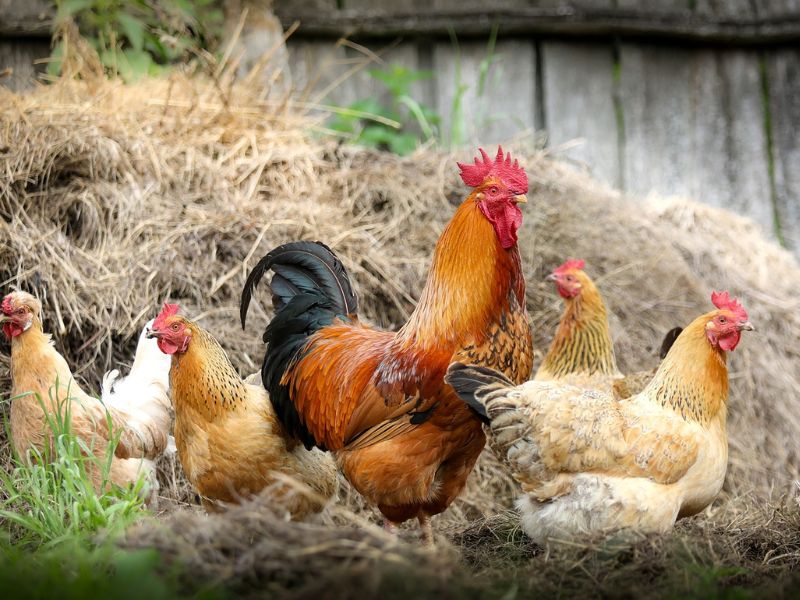
    Bird flu seems to have transmitted from a dairy farm in Colorado to a neighboring poultry farm, resulting in the infection of five workers assigned to cull the affected birds.
    Credit: Pixabay

    Bird flu seems to have transmitted from a dairy farm in Colorado to a neighboring poultry farm, resulting in the infection of five workers assigned to cull the affected birds.

    The highly contagious avian influenza H5N1 virus poses pandemic risks, prompting urgent efforts to develop a vaccine to mitigate its severe consequences.

    The US Centers for Disease Control and Prevention (CDC) confirmed four human cases linked to the commercial egg laying business, while the fifth case is pending confirmation but presumed positive at this stage.

    The source and transmission route of the poultry farm infection are currently unclear, but there is a hypothesis that the virus may have spread from dairy cattle to the poultry farm.

    Genomic Sequencing and Viral Adaptation

    According to acting senior adviser Eric Deeble from the US Department of Agriculture, genomic sequencing of samples from the poultry operation shows the same genotype of highly pathogenic avian influenza found in nearby dairy herds.

    This suggests the virus can thrive in various animal hosts without significant mutation, although it does not provide enough evidence to trace its interspecies transmission.

    This potential for cross-species transmission is a major concern for scientists because a virus that can jump between different species can spread more efficiently. Earlier this year, avian flu began affecting cows in the US, with the virus subsequently spreading to two humans.

    The CDC’s assessment of the risk to the general population remains low, and CDC recommendations have not changed,” stated Nirav Shah, principal deputy director of the CDC, during the press briefing.

    CDC Recommendations on H5-Specific Vaccines

    For instance, the CDC is not recommending H5-specific vaccines for livestock workers due to the observed mild symptoms so far and the absence of genetic changes in the virus that would indicate increased risk to human health.”

    Preliminary analysis of the virus’s genetic sequence from one of the infected poultry farm workers did not reveal any concerning mutations, according to Nirav Shah, principal deputy director of the CDC.

    The sequence closely matches two sequences obtained from infected chickens at the farm where the worker likely contracted the virus,” Shah explained. “Furthermore, one of the virus subunits was identical to those found in cases from Texas and the initial human case in Michigan.”

    Impact on Agriculture and Livestock Numbers

    While human symptoms have been mild with rapid recovery, the primary concern lies in the potential impact on agriculture. Milk from cows infected with the virus becomes unfit for consumption, and the large-scale culling measures, such as the 1.8 million birds at the Colorado poultry farm, significantly impact livestock numbers.

    These culling operations appear to increase the risk of human infection. According to the Colorado Department of Public Health and Environment, the five infected workers participated in loading birds into carbon dioxide gas chambers for culling.

    There were large industrial fans in place that helped to cool the barns, but these fans also circulated feathers, which are known carriers of the virus,” Shah explained.

    Moreover, the culling method involved workers moving from chicken to chicken, increasing the level of interaction with each potentially infected bird.”

    Despite typically extensive personal protective equipment (PPE) for such tasks, workers likely faced challenges maintaining these measures as temperatures in Colorado soared to nearly 40 °C (104 °F) on the day, Shah noted during the briefing.

    An industrial hygienist has been engaged to explore improved strategies for preventing transmission.


    Read the original article on: Science Alert

    Read more: WHO Raises Alarm Over Spread of Bird Flu to Humans

  • WHO Raises Alarm Over Spread of Bird Flu to Humans

    WHO Raises Alarm Over Spread of Bird Flu to Humans

    The World Health Organization expressed serious concern on Thursday regarding the increasing spread of H5N1 bird flu to different species, including humans, where it poses an "extremely high" mortality risk.
    Credit: Pixabay

    The World Health Organization expressed serious concern on Thursday regarding the increasing spread of H5N1 bird flu to different species, including humans, where it poses an “extremely high” mortality risk.

    This is undoubtedly a significant concern,” stated Jeremy Farrar, the chief scientist of the UN health agency, during a press conference in Geneva.

    The bird flu outbreak, starting in 2020, has killed millions of poultry and affected wild birds, as well as land and marine mammals.

    Cows and Goats Added to Bird Flu-Affected Species List

    Last month, experts were surprised to find that cows and goats, previously not thought susceptible to this influenza strain, became affected species.

    Farrar described the A (H5N1) strain as a “global zoonotic animal pandemic.

    The major concern is that as the virus infects ducks, chickens, and increasingly mammals, it could evolve to infect humans and potentially spread from person to person,” Farrar explained.

    Currently, there is no evidence of human-to-human transmission of the A(H5N1) virus. However, the mortality rate among humans infected through contact with animals is alarmingly high.

    In fact, from 2003 to April 1 of this year, the WHO reported 463 deaths out of 889 human cases across 23 countries, resulting in a case fatality rate of 52 percent.

    Second U.S. Human Bird Flu Case Linked to Infected Dairy Cattle

    In a concerning development, a person in Texas recovered from bird flu after exposure to infected dairy cattle, marking only the second US case linked to herds exposed to wild birds in multiple states.

    This case also marks the first known human infection with the A(H5N1) virus strain through contact with an infected mammal, according to WHO.

    Farrar emphasized the virus’s adaptability, stating, “As it moves into the mammalian population, it comes closer to humans,” and warned that “this virus is actively seeking new hosts.”

    It’s a significant concern,” Farrar emphasized.

    Farrar Highlights Need for Enhanced Monitoring of Human Infections

    However, Farrar stressed the importance of enhancing surveillance to better understand the extent of human infections, as this is where the virus is most likely to adapt.

    He pointed out the potential risks of human-to-human transmission, stating, “If I become infected with H5N1 and succumb to it, that’s the end. However, if I transmit it to others in the community, the cycle continues.”

    Efforts are underway to develop vaccines and treatments for H5N1, and Farrar underscored the importance of ensuring that regional and national health authorities worldwide have the capability to diagnose the virus.

    To conclude, Farrar emphasized that these efforts aim to prepare the world to respond promptly if H5N1 transitions to humans and achieves human-to-human transmission. He emphasized the importance of equitable access to vaccines, treatments, and diagnostic tools.


    Read the original article on: Science Alert

    Read more: Heat Waves Harm Bird Reproduction in Farms, Research Shows