Tag: China

  • Pregnancy-Simulating Robot Debuts in China

    Pregnancy-Simulating Robot Debuts in China

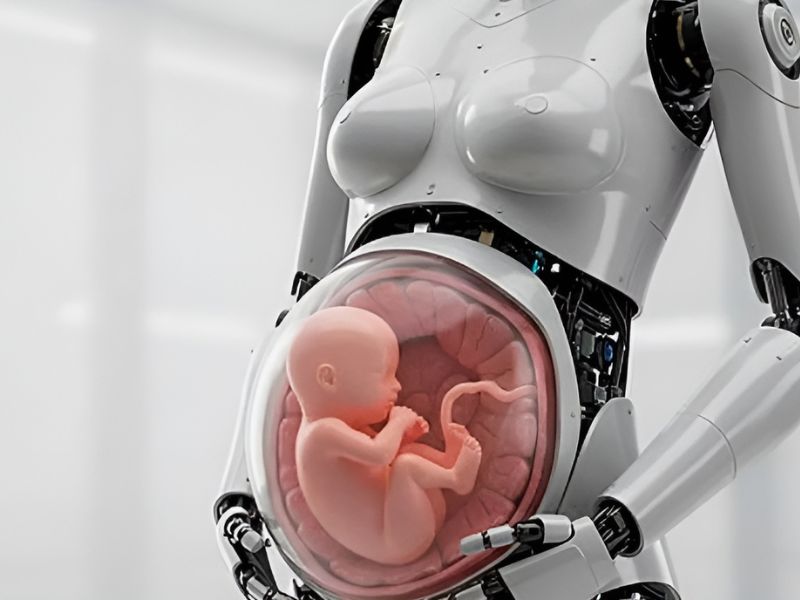
    Chinese researchers have unveiled plans for a humanoid robot capable of simulating a full-term pregnancy. The machine incorporates an artificial uterus designed to support embryo development from conception to birth within a controlled environment.
    Image Credits: adfas.org.br

    Chinese researchers have unveiled plans for a humanoid robot capable of simulating a full-term pregnancy. The machine incorporates an artificial uterus designed to support embryo development from conception to birth within a controlled environment.

    Guangzhou’s Kaiwa Technology has proposed a “gestation robot” with an abdominal chamber to sustain fetal growth for ten months. The company estimates a price of 100,000 yuan (about R$75,000) and expects to debut a prototype in 2026.

    Zhang Qifeng Unveils Gestation Robot at Beijing Robotics Event

    Zhang Qifeng — founder of Kaiwa Technology and researcher at Nanyang Technological University — presented the concept at the 2025 World Robotics Conference in Beijing, according to ECNS.

    Zhang explained that the project goes far beyond a traditional incubator, envisioning a life-sized humanoid with an internal artificial uterus capable of replicating every stage of pregnancy, from fertilization through delivery.

    The breakthrough lies in an artificial uterus where embryos grow in synthetic amniotic fluid and receive nutrients through tubes. Zhang said lab tests validated the system, but it now needs integration into a humanoid for interactive care.

    Ethical, Legal Debates Already Underway in Guangdong Province

    According to Chosun Biz, the researcher said he has already discussed ethical and legal considerations with authorities in Guangdong Province, and officials are now reviewing proposals through political and legislative channels.

    He did not disclose how fertilization and embryo implantation would be carried out in the artificial uterus. Nonetheless, an interview with him went viral on Chinese social media, sparking heated debate. Critics called the project unnatural and raised concerns about the morality of separating a fetus from its biological mother.

    Supporters, however, included people struggling with infertility and others who viewed the technology as a way to ease the physical toll of pregnancy on women.


    Read the original article on: Adfas Org Br

    Read more: Lab-Made Artificial Life Can Grow and Divide Similarly to Natural Bacteria
  • China Rolls out its First Traffic Control Models

    China Rolls out its First Traffic Control Models

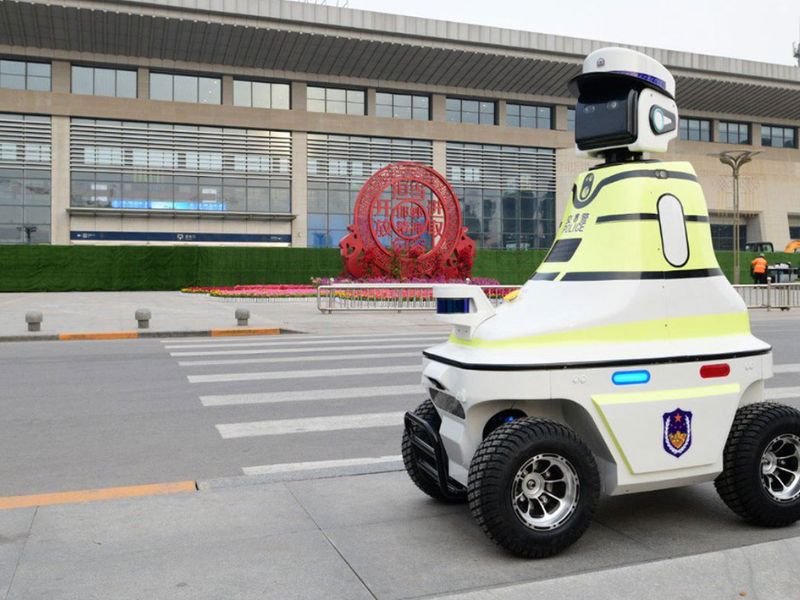
    Image Credits: tellus.org.br

    China has introduced a new addition to its expanding range of population-focused technologies. In Handan, the Public Security Department has deployed three types of traffic robots to assist officers.

    State-run Xinhua news agency reports that Zhou Zuoying, deputy director of the Traffic Management Research Institute under the Ministry of Public Security, described this as the nation’s first deployment of “robot traffic police.

    Distinct Roles of China’s AI-Powered Traffic Robots

    The Global Times reports that China’s three types of robots each have unique roles in AI traffic management: patrolling roads, assisting at vehicle offices, and reporting hazards and suspicious activity. The third model specializes in issuing accident warnings and alerting passing drivers when police are addressing incidents.

    One machine, called “Highway Patrol,” mimics a human officer in a yellow uniform and white cap, identifies drivers, and photographs traffic violations.

    Another type, the “traffic guidance” robot, assists residents at vehicle offices by answering questions and providing directions. It will also automatically notify the police of any safety risks or suspicious individuals, according to the Global Times. The third type, the “accident warning” robot, alerts drivers that an officer is handling a road accident.

    24/7 Operation and Uncertain Deployment Scale of Traffic Robots

    Li Huai from the Handan Public Security Bureau said the robots will run 24/7, though the number of units deployed remains unclear, according to the Global Times. What is certain is that China is increasingly relying on technology in law enforcement.

    The country has already implemented facial recognition technology to track hikers and mandated RFID tags on new vehicles to prevent toll evasion. Some police officers wear facial recognition goggles to help capture fugitives.

    China first used police robots in 2016 with AnBot at Shenzhen Airport and the E-Patrol Robot Sheriff on streets in 2017.

    The country still faces major challenges modernizing traffic laws and integrating new technologies at state and federal levels. A prime example is the ongoing project to standardize vehicle license plates across Mercosur.

    Ongoing Legislative Discussions and Implementation Challenges

    Lawmakers have debated technical needs, crime reduction, and system improvements. However, they have yet to fully implement the project.

    The Mercosur Resolution, approved on December 15, 2010, unifies license plates across Brazil, Argentina, Uruguay, Paraguay, and Venezuela, covering 110 million vehicles to improve traffic management, safety, and data sharing.

    In summary, China has finally developed effective robots to support traffic officers in maintaining order.


    Read the original article on: Tellus Org Br

    Read more:This Asthma Treatment May Offer a Way to Eliminate Severe Food Allergies

  • China Debuts Fully Autonomous Robot that Swaps its Own Battery

    China Debuts Fully Autonomous Robot that Swaps its Own Battery

    Image Credits: Cnnbrasi

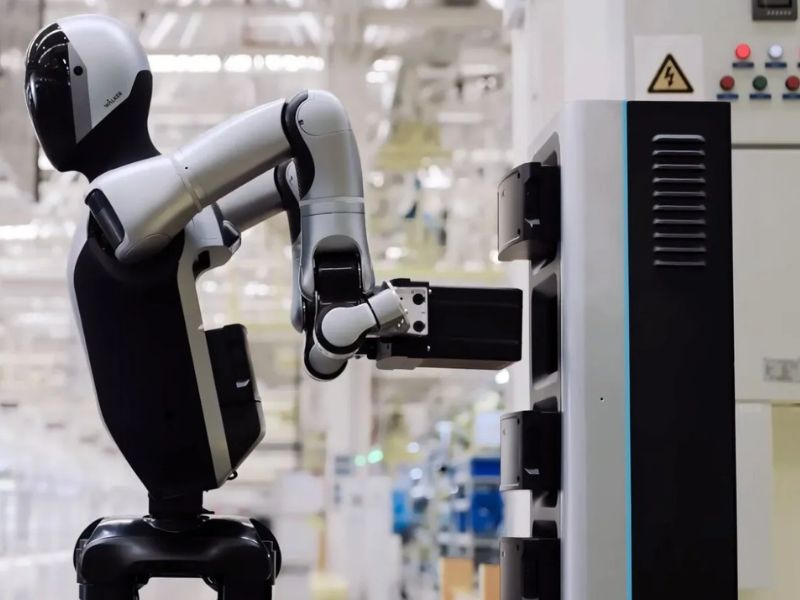
    China has made a major advancement in the tech race by developing a humanoid robot capable of operating 24/7 with full autonomy and managing its own energy supply. Named Walker S2, the prototype created by UBTech Robotics is seen as a significant breakthrough in global innovation.

    Robot Uses Built-In USB-Like Device for Power Replacement

    During the battery replacement process, the humanoid robot can utilize multiple devices integrated into its system, each featuring a design similar to that of USB flash drives.

    To accomplish this, the robot evaluates the energy requirements of any upcoming tasks.

    Throughout the development phase, the team implemented a technology called UBTech Robotics, which uses an advanced program resembling a superintelligent brain to enable autonomy and self-regulation.

    Collaborative Intelligence

    This system allows Walker S2 to operate across various production lines, guided by decisions from a network of other robots that coordinate the software’s capabilities.

    According to a report by U.S. firm Moody’s, the debut of the fully autonomous prototype propels China to a leading role in the global robotics industry.

    The report emphasizes China’s unique combination of cutting-edge AI and cost-effective tech manufacturing. Another article on the topic also notes that nearly half of the world’s humanoid robot development companies are now based in China.


    Read the original article on: Cnnbrasil

    Read more: See how a Long Hug can Surprisingly Boost your Health

  • China Launches a Wild New Robot Soccer League

    China Launches a Wild New Robot Soccer League

    China has officially kicked off its first humanoid robot soccer league. Though these players don’t breathe, they’re already picking up skills like dribbling, shooting, taking tumbles—and getting right back up.
    Image Credits: Gizmodo

    China has officially kicked off its first humanoid robot soccer league. Though these players don’t breathe, they’re already picking up skills like dribbling, shooting, taking tumbles—and getting right back up.

    China Kicks Off RoBoLeague with First-Ever AI Robot Soccer Match

    Launched on June 28, 2025, in Beijing, the RoBoLeague features fully autonomous 3-on-3 soccer matches between AI-driven humanoid robots. The inaugural game saw teams from Tsinghua University and China Agricultural University face off, with Tsinghua claiming a 5–3 victory.

    The robots, supplied by Booster Robotics, perform at a level comparable to 5- or 6-year-old children, based on footage shared online. But unlike real kids, these bots operate entirely on their own—no human control required. Every action, from ball pursuit to tactical decision-making, is handled by artificial intelligence.

    At first, it might seem like a flashy PR stunt—but it’s far more than that. This game marked a milestone for China: the country’s first fully autonomous soccer match featuring humanoid robots playing without any human intervention. And it’s only the beginning.

    Beneath the lighthearted final score lies a serious goal. China is wagering that competitive environments—especially sports—can drive rapid progress in AI and humanoid robotics. The aim is to develop robots that are not only smarter, but also more agile and reliable, with future applications ranging from warehouse automation to elder care and even military use.

    RoBoLeague Part of China’s Broader Push to Advance Humanoid Robotics Through Competition

    The RoBoLeague is just one piece of a larger national initiative. Back in April, Beijing held a half-marathon that saw humanoid robots attempting to run the full 21 kilometers alongside human participants. One robot completed the race in 2 hours and 40 minutes—a distant second to the human winner, but still a notable feat. In May, Hangzhou hosted a martial arts showdown between two humanoid robots. And coming up in August, Beijing will be the site of the World Humanoid Robot Games.

    RoBoLeague matches take place on compact soccer fields, with teams of three robots on each side. Equipped with built-in AI, the robots make split-second decisions on everything from tracking the ball to positioning themselves and attempting goals. They function completely autonomously, with no human input during gameplay—and they’re even capable of getting back on their feet after falling or being knocked down.

    Early Challenges Highlight Robots’ Struggles with Speed, Balance, and Precision

    Despite the excitement, the robots still have a long way to go. Footage from the game reveals frequent stumbles, clumsy tackles, and numerous accidental crashes. Organizers acknowledged that the robots face challenges with object tracking—particularly following a fast-moving ball—and maneuvering around obstacles. To address this, the rules have been adapted: minor collisions go unpunished, and robots that break down can be replaced.

    Even so, progress is evident. According to the organizers, the robots now develop their own strategies using AI, completely independent of human guidance.

    China views humanoid robotics as a critical frontier in its pursuit of global technological leadership. The China Institute of Electronics projects that the domestic market for humanoid robots could reach 870 billion yuan (around $120 billion) by 2030. To fuel that growth, Beijing is heavily investing in robotics startups and backing them with supportive policies. The goal is to use competitions like the RoBoLeague to fast-track the creation of robots that can move, think, and behave more like humans.

    As it turns out, sports provide an ideal testing environment. They demand balance, quick reflexes, coordination, and collaboration—all areas where humanoid robots still face significant challenges.


    Read the original article on: Gizmodo

    Read more:Brex Keeps Pace With AI by Leaning Into Its Chaos

  • China Builds First 500-MW Impulse Turbines

    China Builds First 500-MW Impulse Turbines

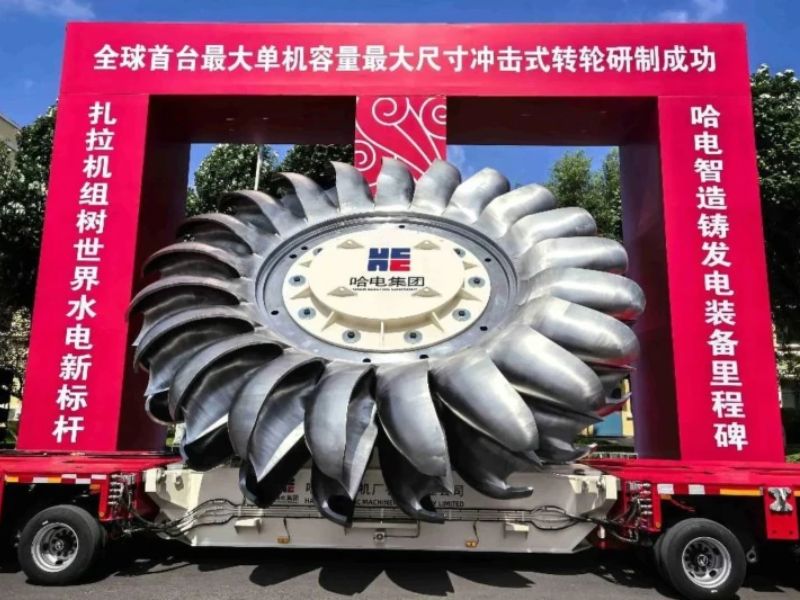
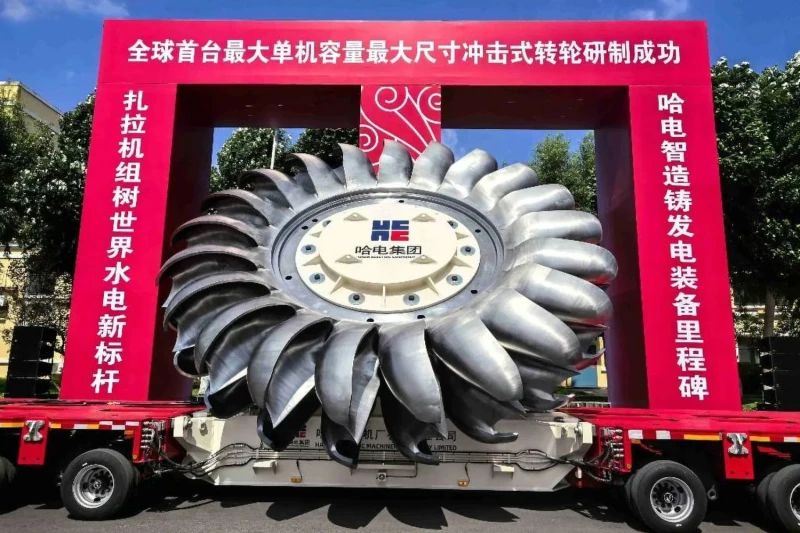
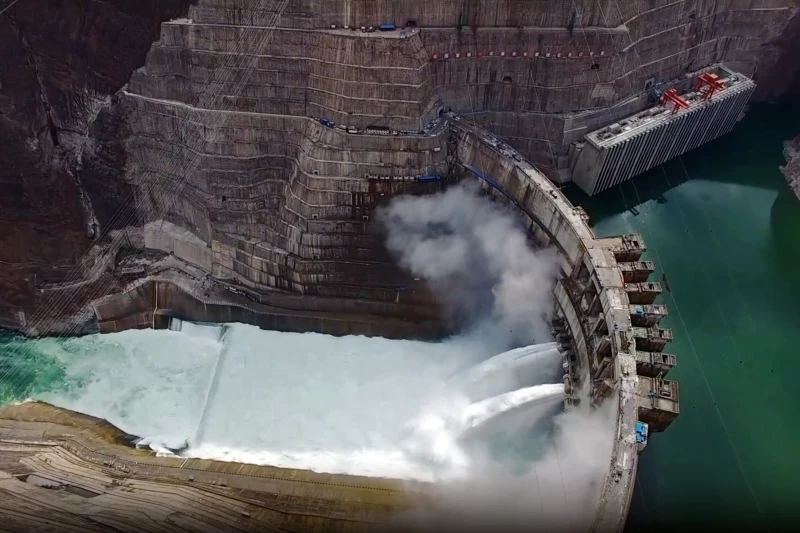
    Although they won’t be operational for a few more years, China has revealed two colossal turbines. Each one measures 6.2 meters (20 ft, 5 in) in diameter, weighs 80 tons, is made of high-strength martensitic steel, and contains 21 water ladles.
    Image Credits: New Atlas

    Although they won’t be operational for a few more years, China has revealed two colossal turbines. Each one measures 6.2 meters (20 ft, 5 in) in diameter, weighs 80 tons, is made of high-strength martensitic steel, and contains 21 water ladles.

    Each turbine has a capacity of 500 MW—a global first—though they have not yet been tested in real-world conditions. They are set to be installed at the Datang Zala Hydropower Station on the Yuqu River, a smaller branch of the Nu River in eastern Tibet.

    High-Head Design and Enhanced Efficiency Boost Power Output

    With a 671-meter (2,201 ft) drop, the project is a “high head” hydropower system, using gravity-driven water flow for high efficiency. Improved ladle designs could boost output from 91% to 92.6%, adding 190,000 kWh of power daily.

    The Datang Zala Hydropower Station will generate nearly 4 billion kWh of electricity each year, replace 1.3 million tons of coal, and cut 3.4 million tons of CO₂ emissions. The plant will have a total capacity of 1,000 MW, supporting China’s aim to reach carbon neutrality by 2060.

    China Datang Leads Ambitious Hydropower Project, Eyes 2028 Launch

    China Datang Corporation is developing the project, which began main construction in 2023.. Datang expects the facility to be operational by 2028. Harbin Electric spent four years manufacturing the groundbreaking turbines using its proprietary technology.

    Image Credits:An unnamed hydroelectric project Harbin Electric was a part of
    Harbin Electric

    The Datang Zala plant uses impulse turbines—specifically a Pelton wheel design—where high-pressure water jets strike the turbine’s buckets to generate rotation. Unlike submerged turbines, these operate in open air and are particularly effective in high-head systems. Because the turbines endure constant, intense force, engineers built them from martensitic steel, which offers superior strength and corrosion resistance over other steel types.

    The most widely used turbine type is the reaction turbine—like the Francis turbine, which powers China’s Three Gorges Dam.These turbines sit fully submerged and generate torque as water pressure and flow act directly on their components.

    China Dominates Global Hydropower Growth, Surging Ahead in Capacity

    As of 2024, China led global hydropower growth, adding 14.4 of the 24.6 GW in new capacity—over half from pumped storage. Its total capacity neared 436 GW, far surpassing the U.S.’s 103.1 GW.

    Earlier this year, I covered China’s planned Yarlung Tsangpo dam, set to outsize the Three Gorges Dam threefold. But since the river flows into India and Bangladesh as the Brahmaputra, it raises concerns over water shortages, environmental impact, and regional tensions.

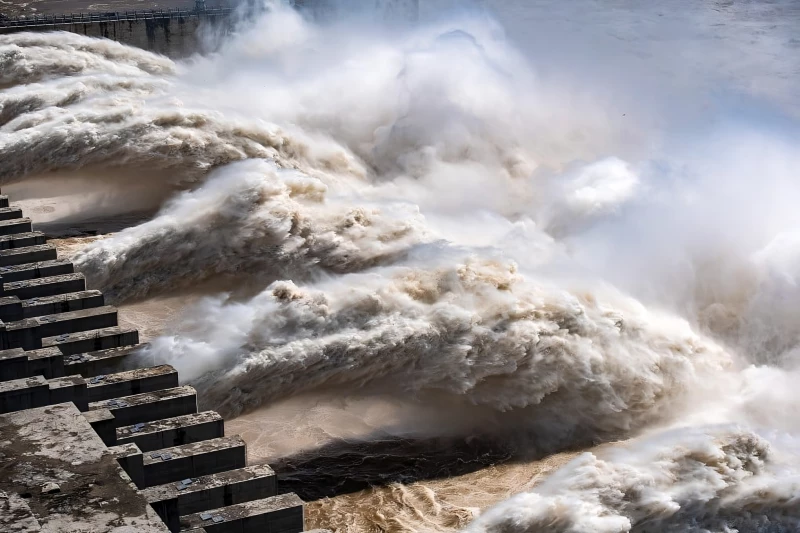
    Image Credits:The proposed Yarlung Tsangpo Hydroelectric Project will produce three times as much electricity as the Three Gorges Dam, pictured here
    Xinhua

    Datang is constructing the Zala Hydropower Station on the Yuqu River, a tributary of the Nu River—known as the Salween downstream. This river originates in Tibet and flows through Myanmar before emptying into the Andaman Sea.

    Transboundary Tensions Loom Over Southeast Asia’s Last Major Free-Flowing River

    Though it crosses fewer borders than the Brahmaputra, the Nu/Salween is still an international river and a point of tension, especially amid Myanmar’s instability. It’s also one of Southeast Asia’s last major free-flowing rivers. In 2011, Myanmar halted China’s proposed 6,000-MW Irrawaddy dam, signaling possible future clashes over shared water projects.

    The Datang Zala project may be less high-profile than the Yarlung dam, but it raises a key question: Who decides the fate of a river vital to millions for water, farming, and energy?


    Read the original article on: New Atlas

    Read more:Using Emojis More Frequently Can Actually Strengthen Your Relationships

  • U.S. Tightens Rules on Chip Design Software Sales to China

    U.S. Tightens Rules on Chip Design Software Sales to China

    The Trump administration has reportedly introduced new export restrictions on chip design software in an effort to further limit China’s capacity to develop and utilize advanced AI chips.
    Image Credits: Pixabay

    The Trump administration has reportedly introduced new export restrictions on chip design software in an effort to further limit China’s capacity to develop and utilize advanced AI chips.

    Companies including Siemens EDA, Cadence Design Systems, and Synopsys have confirmed receiving notifications from the U.S. Commerce Department regarding new export controls on electronic design automation (EDA) software destined for China.

    Critical Role of EDA Tools Across High-Tech Industries

    EDA tools are essential for designing, validating, and testing semiconductors, as well as ensuring their performance and quality. These tools are widely used across industries such as chip manufacturing, networking, and automotive.

    Siemens EDA, a subsidiary of the German tech giant Siemens, told TechCrunch it received a notice last week from the U.S. Commerce Department’s Bureau of Industry and Security (BIS) regarding new export restrictions on EDA software to China and Chinese military end users.

    Siemens has been serving customers in China for over 150 years and remains committed to supporting them globally while complying with all relevant national export control laws,” the company stated.

    Synopsys Responds to Export Curbs by Withdrawing Financial Forecast

    U.S.-based Synopsys, another EDA software provider, also confirmed receiving a similar notice from the BIS. The company has since withdrawn its financial forecast for Q3 and the full fiscal year 2025.

    Cadence likewise confirmed receiving a notice from the BIS stating that a license is now mandatory for the export, re-export, or in-country transfer of electronic design automation (EDA) software to customers in China.

    The Financial Times was the first to report the news.

    These new export restrictions come amid escalating U.S. efforts to curb China’s tech advancements as competition in AI intensifies. However, the measures are also taking a toll on the U.S. chip industry, which has historically held a strong position in the Chinese market.

    Nvidia alone has suffered billions in losses due to limits on selling its H20 and Hopper AI chips to China. The company, along with rival AMD, is reportedly developing lower-powered versions of its AI chips for the Chinese market.

    The U.S. Commerce Department has not responded to requests for comment outside normal business hours.


    Read the original article on: Techcrunch

    Read more: AI Chip Designed for Decentralized Operation Without Relying on the Cloud

  • NVIDIA and AMD Are Expected To Roll Out New AI Chips in China That Align With U.S. Export Limits

    NVIDIA and AMD Are Expected To Roll Out New AI Chips in China That Align With U.S. Export Limits

    To adhere to U.S. export restrictions on advanced semiconductor technology to China, NVIDIA and AMD are preparing to launch new GPUs tailored for AI applications in the Chinese market, according to Taiwanese tech outlet Digitimes, which cited supply chain insiders.
    Image Credits: Pixabay

    To adhere to U.S. export restrictions on advanced semiconductor technology to China, NVIDIA and AMD are preparing to launch new GPUs tailored for AI applications in the Chinese market, according to Taiwanese tech outlet Digitimes, which cited supply chain insiders.

    NVIDIA and AMD Prepare AI GPUs Tailored for China’s Market

    NVIDIA is reportedly preparing to launch a scaled-down version of its AI GPU, known by the code name “B20,” specifically designed to meet the export restrictions and cater to the Chinese market’s demand for AI processing power. This streamlined GPU delivers solid AI performance while complying with U.S. regulations, enabling NVIDIA to maintain its presence in China’s growing AI sector despite export limitations.

    Meanwhile, AMD targets the same market by introducing its new Radeon AI PRO R9700 workstation GPU, designed to efficiently handle AI workloads in professional environments. This GPU aims to provide robust performance for AI applications, particularly for Chinese enterprises and developers who require high-powered yet accessible AI computing solutions.

    NVIDIA and AMD Navigate Regulations to Tap Growing Market

    Both companies plan to start selling these specialized AI chips in China as early as July, signaling a strategic move to adapt their product lines to regulatory constraints while continuing to capitalize on the expanding AI technology market in China. This approach not only ensures compliance but also enables NVIDIA and AMD to support the AI ecosystem within China by offering products designed specifically for its unique regulatory and commercial environment.

    Additionally, Reuters recently reported that NVIDIA is developing a lower-cost AI chip based on its Blackwell architecture for the Chinese market, with an anticipated price range of $6,500 to $8,000—significantly cheaper than its H20 GPUs, which currently sell for $10,000 to $12,000.

    On Wednesday, NVIDIA reported a $4.5 billion charge in the first quarter due to licensing restrictions that hindered its ability to sell the H20 AI chip to Chinese firms. Additionally, the company was unable to ship another $2.5 billion worth of H20 chips during the quarter because of these limitations. Looking ahead, NVIDIA projected that these licensing requirements could reduce its second-quarter revenue by $8 billion.


    Read the original article on: TechCrunch

    Read more: AI Chip Designed for Decentralized Operation Without Relying on the Cloud

  • New Type Of Bacteria Identified On China’s Space Station

    New Type Of Bacteria Identified On China’s Space Station

    Swabs collected from China's Tiangong space station have uncovered traces of a previously unknown bacterium, exhibiting traits that could enable it to survive in harsh conditions hundreds of kilometers above Earth's surface.
    Credit: Pixabay

    Swabs collected from China’s Tiangong space station have uncovered traces of a previously unknown bacterium, exhibiting traits that could enable it to survive in harsh conditions hundreds of kilometers above Earth’s surface.

    New Bacterium on Tiangong Space Station May Help Protect Astronauts and Spacecraft

    Researchers from the Shenzhou Space Biotechnology Group and the Beijing Institute of Spacecraft System Engineering, who named the discovery Niallia tiangongensis, suggest that studying this bacterium and similar species could be crucial for safeguarding astronaut health and ensuring spacecraft performance during extended missions.

    In May 2023, the Shenzhou-15 crew collected swabs from a cabin aboard the space station as part of of one of two surveys conducted under the China Space Station Habitation Area Microbiome Programme.

    Subsequent studies have tracked the growth of microbes in the space station environment, uncovering a microbiome that differs in both composition and function  from the one found on the International Space Station.

    The newly discovered species seems closely related to a known strain, Niallia circulans, a rod-shaped bacterium found in soil. This strain was reclassified into a new genus a few years ago, after having been previously considered a pathogenic type of Bacillus.

    Similar to Bacillus species, N. circulans and its space-related relatives protect their vital chemistry within tough spores to endure extreme stress. It remains uncertain whether N. tiangongensis evolved on the space station or if it arrived in spore form, already possessing some of its unique characteristics.

    “Genetic Analysis Uncovers Unique Gelatin-Digesting Ability for Survival in Harsh Environments”

    A recent analysis of its genes and functions reveals that the new species has a distinctive ability to break down gelatin for nitrogen and carbon, a skill that proves useful when it needs to form a protective coat of biofilm to shelter itself during harsh conditions.

    However, it appears to have lost the ability to metabolize other energy-rich substances that its relatives readily consume.

    This not only shows that Niallia can be a diverse group of microorganisms but also highlights how easily certain types of bacteria can adapt to life in our orbiting habitats.

    Additionally, there’s not much that can be done to prevent it. An inspection of the ‘clean rooms’ NASA used to prepare for the Mars Phoenix mission uncovered dozens of microbial strains from 26 previously unknown species.

    Credit: Phoenix Mars lander inside its clean room. (NASA/JPL-Caltech/UA/Lockheed Martin)

    Study Reveals Bacteria’s Survival Skills in Sterile Environments via DNA Repair and Toxicity Resistance

    A recent study of these newly discovered bacteria revealed that they actively survive in environments typically considered sterile, due to genes that enable DNA repair and provide resistance to substances toxic to other microbes.

    Understanding these microorganisms is clearly a crucial step in managing them. If we can’t prevent their presence or their ability to adapt, it’s essential that we can predict how microbes will adjust to life in space.

    While it’s still unclear whether Niallia tiangongensis poses any threat to the health of Tiangong’s astronauts, its relative’s ability to cause sepsis in immunocompromised patients and its newfound ability to break down gelatin highlight the potential health risks posed by this and other spaceborne microbes.

    As missions to the Moon and beyond become a reality, scientists are increasingly studying how the tiny organisms sharing our space adapt to life far from Earth.


    Read the original article on: Sciencealert

    Read more: NASA budget Cuts Eliminate Missions, SLS, And Space Station

  • China Achieves New Fusion Milestone with Record-Breaking Thousand-Second Run

    China Achieves New Fusion Milestone with Record-Breaking Thousand-Second Run

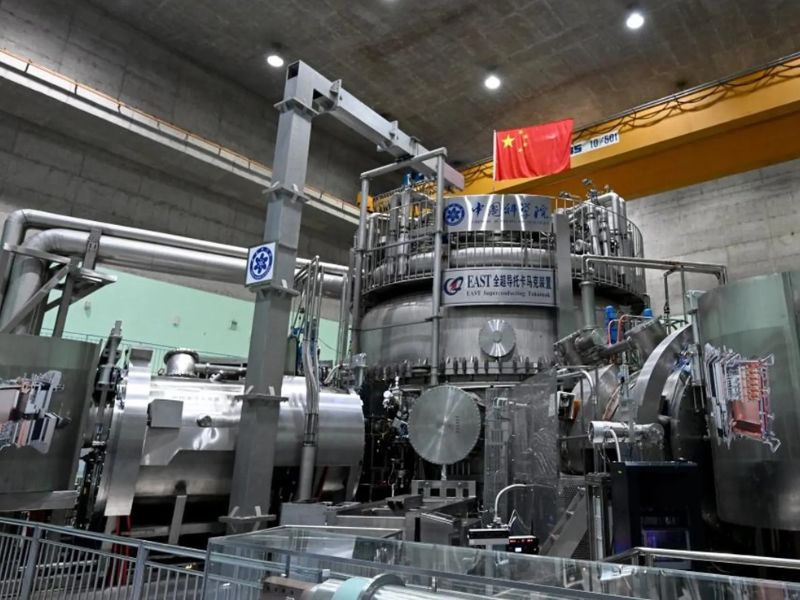
    The EAST reactor
    Xinhua

    China has achieved a major milestone in the pursuit of practical fusion energy. The Experimental Advanced Superconducting Tokamak (EAST) reactor in Hefei set a new record by sustaining a fusion reaction for 1,066 seconds. This breakthrough demonstrates significant progress toward fusion as a clean, virtually limitless power source.

    Efforts to harness hydrogen fusion, the force behind hydrogen bombs, have been ongoing for decades, driven by scientific curiosity, technical challenges, and Cold War rivalries. Today, with over $7.1 billion in private investment, the goal of achieving commercial fusion energy remains crucial. A single gram of deuterium-tritium fuel can release energy equivalent to 11 tonnes of coal, offering the promise of nearly infinite clean energy.

    While fusing hydrogen atoms has been possible in labs for years, practical fusion energy requires extreme conditions: temperatures of 100–150 million °C, pressures of five to 10 atmospheres, and stable plasma for extended durations. Achieving long-term stability is critical for future fusion plants.

    A device must operate stably and efficiently for thousands of seconds to enable self-sustaining plasma circulation, essential for continuous power generation,” noted Song Yuntao, director of the Institute of Plasma Physics under the Chinese Academy of Sciences.

    EAST Sets New Fusion Record with Upgraded Power and Stability

    EAST’s new record builds on its previous achievement of sustaining a 403-second reaction in 2023. This improvement was made possible by upgrades to the experimental system, which doubled the power output while maintaining stability.

    Celebrating the latest endurance record
    Xinhua

    Importantly, EAST serves as a stepping stone rather than an endpoint. China is one of seven members of the International Thermonuclear Experimental Reactor (ITER) program, which is constructing the world’s largest tokamak fusion reactor in southern France. Expected to begin operations around 2035, ITER will incorporate findings from EAST as part of China’s nine-percent contribution to the project’s construction and operation.


    Read Original Article: New Atlas

    Read More: Revolutionizing Edge Detection with Light-Speed Imaging

  • China Completes Record-Breaking Underwater Shield Tunnel

    China Completes Record-Breaking Underwater Shield Tunnel

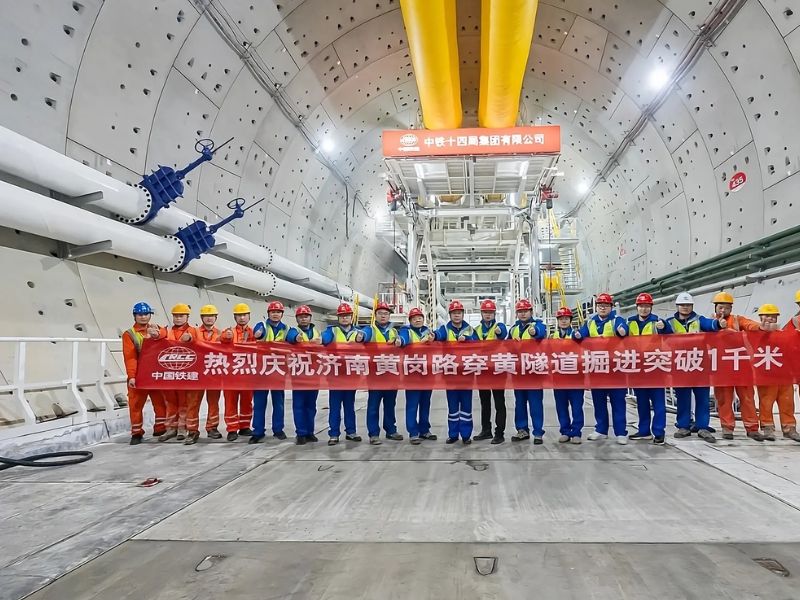
    Workers of the China 14th Bureau Group celebrate the completion of the world’s largest-diameter underwater shield tunnel
    China 14th Bureau Group

    Jinan, the capital of Shandong Province in East China and home to 9.4 million people, has made global headlines. Crews there have successfully completed the construction of the world’s largest-diameter underwater shield tunnel.

    The China Railway 14th Bureau Group is using the world’s largest tunnel boring machine to excavate a 3.6-mile (5,755 m) tunnel. While the main section is still under construction, the 2-mile (3,290 m) underwater shield segment is complete.

    At 55.8 feet (17 meters) in diameter, it’s the largest tunnel of its kind, compared to the Channel Tunnel’s 25-foot (7.6 meters) public rail tunnels.

    The Jinan Huanggang tunnel will have six lanes in a double-decker design and a 60 km/h (37 mph) speed limit. This vital north-south passage will cross China’s Yellow River, boosting connectivity between Jinan and an economically transformative region.

    Jinan Tunnel Sets Speed Record with 110-Day Completion of Underwater Shielding Section

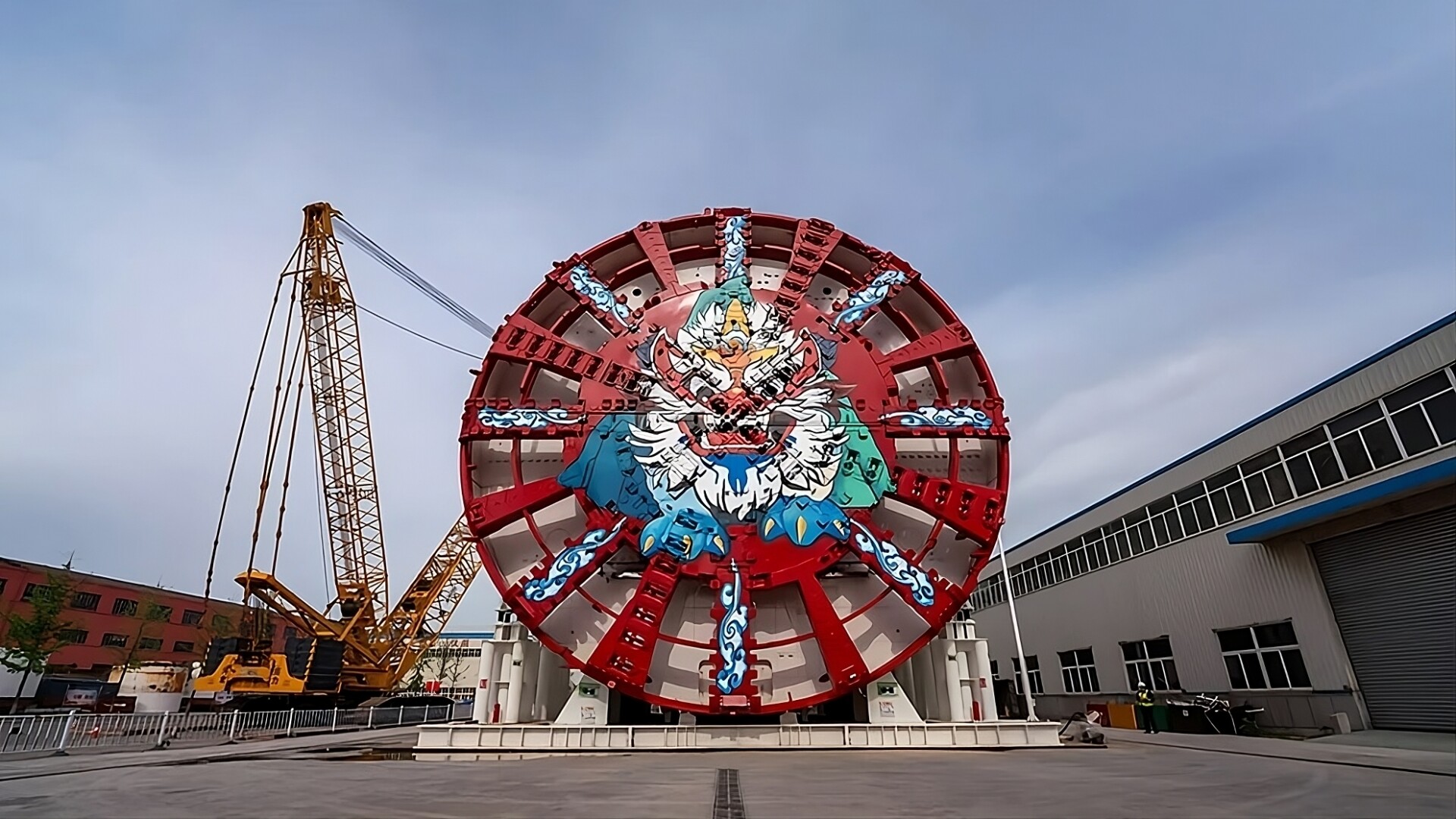
    The massive 17.5-meter diameter excavation face of the Shanhe boring machine
    Herrenknecht

    In addition to its world-record size, the 14th Bureau Group also set a record for the speed of construction. Crews began tunneling on September 1, 2024, and completed the underwater shielding section in just 110 days. The Shanhe shield machine achieved a daily advancement rate of 52.5 to 59 feet (16 to 18 meters), setting a new record for 17-meter-class shield construction.

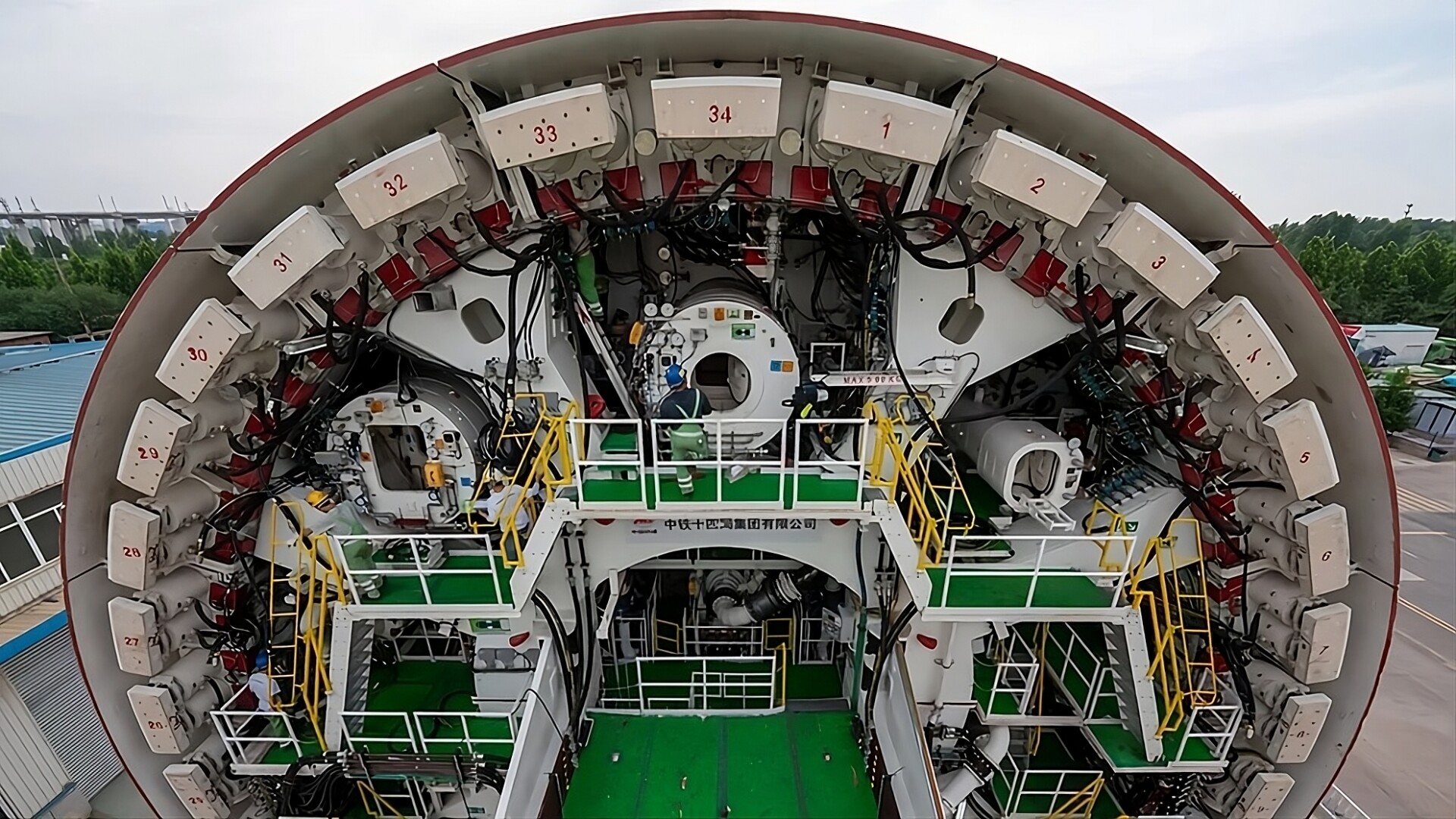
    The tunnel boring machine, a Herrenknecht “Shanhe” Shield Machine, has a 57.4-foot (17.5-meter) excavation diameter—about five stories tall. Powered by a 7,510 hp (5,600 kW) motor, it delivers an astounding 25,827,209 lb-ft (35,017 kNm) of torque. Designed to withstand up to 7.5 bar of pressure, it can also manage 15 bar in the excavation chamber with the help of a specialized air cushion that maintains stability.

    The TBM’s cutting wheel is equipped with a flushing system to prevent clogging, and a telescopic camera system monitors the cutting bits and tunnel face. This setup reduces the need for time-consuming and dangerous hyperbaric interventions.

    The multi-story back side of the colossal Herrenknecht machine, where workers clamber about making sure operations run smoothly
    Herrenknecht

    The Jinan Huanggang Road Yellow River Crossing Tunnel is expected to be completed in late 2025.


    Read Original Article: New Atlas

    Read More: The Magnetic North Pole Has Shifted to a New Location