
Picture being fully conscious in a hospital bed, yet unable to move or signal to those around you. This condition, known as “covert consciousness,” affects many individuals with severe brain injuries. A recent Communications Medicine study found AI can detect subtle facial movements in comatose patients that doctors miss.
Hidden Awareness and the Limits of Diagnosis
Covert consciousness was first identified in 2006, when an unresponsive woman’s brain activity mirrored that of healthy participants during imagined tasks. In 2022, researchers found about one in four seemingly unresponsive patients showed hidden awareness. Neuroimaging is rarely used, as it is time-consuming and specialized; doctors instead rely on behavioral checks like eye opening, following commands, or reacting to sound.
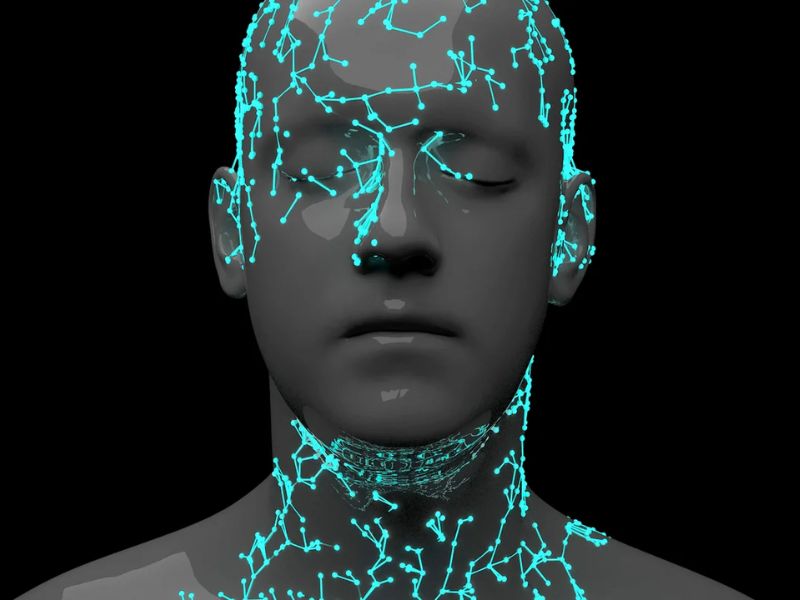
To find a simpler way to measure consciousness, Stony Brook neuroscientist Sima Mofakham and her team developed SeeMe, an AI tool that analyzes subtle facial movements from video. In 37 comatose patients, SeeMe detected eye and mouth responses several days—on average 4.1 and 8.3—before doctors did, even identifying attempts invisible to clinicians in five cases.
Early Signs and Prognostic Potential
“Patients often make subtle movements before larger, more noticeable ones,” explains Mofakham. The findings suggest that some individuals may show signs of consciousness days before doctors recognize them. Those with more frequent and pronounced facial movements also tended to have better recovery outcomes, pointing to the potential of this technology in predicting prognosis.
Detecting awareness earlier carries important clinical weight, notes Jan Claassen, a Columbia University neurologist not involved in the study. Recognizing consciousness can inform critical decisions for doctors and families, ranging from palliative approaches to aggressive treatments. “Every day matters” in these situations, Claassen says. Early detection could also enable rehabilitation to begin sooner, which past research shows leads to greater gains in motor function.
Uneven Recoveries and Hidden Awareness
Recovery of consciousness after brain injury is typically uneven and unpredictable. “It’s like a flickering light bulb—it doesn’t just switch on,” Claassen explains. The study followed patients for six months but suggests that some long-term care patients presumed unresponsive may still show hidden signs of awareness detectable with SeeMe or advanced imaging. “We need to test this,” Mofakham says. “There’s a real chance.”
Looking ahead, her team plans to explore whether patients can respond to yes-or-no questions through specific facial movements. “That has serious ethical implications,” Mofakham says, since patients who can’t communicate can’t participate in their own care decisions.
“This research opens a pathway for dialogue with them.”
Read the original article on: Scientific American
Read more: The Largest Object in the Asteroid Belt May Have Hosted Life in the Past