Tag: Doctors

  • Doctors Warn of Rising Ketamine-Linked Health Issues Among Young People

    Doctors Warn of Rising Ketamine-Linked Health Issues Among Young People

    Urology departments in England and Wales have observed a rise in hospital admissions for bladder inflammation among 16- to 24-year-olds linked to ketamine use.
    Image Credits: Ketamine abuse can cause painful bladder damage. (Sebastian Kaulitzki/Science Photo Library/Getty Images)

    Urology departments in England and Wales have observed a rise in hospital admissions for bladder inflammation among 16- to 24-year-olds linked to ketamine use.

    This trend seems to reflect a broader increase in ketamine consumption, with the number of young people and adults seeking treatment for ketamine abuse last year rising sharply compared to previous years.

    Ketamine’s Impact on the Bladder

    Ketamine misuse can significantly affect the bladder, leading to symptoms such as frequent urination, nighttime urination, sudden urges, leakage, inflammation, bladder or lower back pain, and blood in the urine.

    These effects can be severe, disrupt daily life, and in some cases, may cause lasting damage.

    Image Credits: When ketamine by-products stay in contact with the urinary tract for a long time, they irritate and damage the tissue. (e-crow/iStock/Getty Images Plus)

    Ketamine was originally approved in 1970 for use as a human anesthetic. More recently, research has indicated that low doses of ketamine may have antidepressant properties.

    However, recreational use of ketamine has been increasing.

    As a dissociative drug, it can make users feel disconnected from themselves and their environment. It also produces hallucinogenic, stimulant, and pain-relieving effects, typically lasting one to two hours.

    People usually take ketamine by snorting or smoking the powder, injecting the liquid form, or mixing it into drinks. Snorting generally leads to stronger effects and more pronounced symptoms than ingesting it orally.

    People who use ketamine can build up a tolerance rapidly, requiring larger doses to achieve the same effects. This likely happens because the body and brain adapt, becoming more efficient at metabolizing the drug.

    Bladder Injury

    Regular use of high doses of ketamine can lead to serious harm to the bladder, urinary system, and kidneys. In extreme cases, surgical removal of the bladder may be necessary.

    The earliest documented cases of ketamine-related bladder damage were reported in Canada in 2007, involving nine recreational users who experienced severe bladder issues and blood in their urine. A later, larger study in Hong Kong observed similar problems in 59 individuals who had used ketamine for over three months.

    Like all drugs, ketamine is processed by the body, broken down, and eventually eliminated through the urine.

    Understanding Ketamine’s Effects on Bladder Health

    When ketamine is metabolized, it produces substances that can seriously harm the bladder. Prolonged contact of these by-products with the urinary tract irritates and damages the tissues.

    The bladder is affected first because it stores urine the longest. Over time, the ureters (the tubes connecting the kidneys to the bladder) and the kidneys may also become damaged.

    Chronic use can cause the bladder to shrink and stiffen, leading to severe urinary symptoms. The ureters may narrow and twist, sometimes taking on a “walking stick” shape, which can cause urine to back up into the kidneys, a condition known as hydronephrosis.

    Cell Damage and Overactive Bladder from Ketamine

    Ketamine also raises oxidative stress, harming cells and causing bladder cells to die. This disrupts the bladder’s protective lining, making it more permeable and highly sensitive.

    These changes can lead to an overactive and painful bladder, often causing intense urges to urinate and urinary incontinence.

    Bladder damage from ketamine develops gradually in stages.

    In the first stage, the bladder becomes inflamed. This damage is often reversible by stopping ketamine and using medications such as anti-inflammatories, pain relievers, or prescription drugs that reduce urgency and support healing of the bladder lining.

    In the second stage, the bladder may shrink or become stiff. Treatment is similar to the first stage, but may also include a bladder instillation—a procedure in which a catheter delivers medication directly into the bladder. This medication coats the inner lining, helping to restore its protective layer and reduce inflammation.

    Botulinum toxin injections can also be used to relax the bladder and reduce pain and urgency. However, stopping ketamine use is crucial to prevent further damage.

    In the final stage, permanent harm can occur to both the bladder and kidneys. If the kidneys become affected over time, this may lead to kidney failure. Treatments such as dialysis—which filters waste and excess fluid from the blood—or even surgery may be needed to restore kidney and urinary function.

    Although ketamine has been classified as a Class B drug since 2014, it remains cheap and easy to obtain, costing as little as £3 per gram in some areas of the UK. Increasing awareness of ketamine’s health risks is vital to help prevent these serious complications.


    Read the original article on: Sciencealert

    Read more: New Research Reveals a Way to Reactivate T Cells That Destroy Cancer
  • AI Detects Coma Awareness Earlier Than Doctors

    AI Detects Coma Awareness Earlier Than Doctors

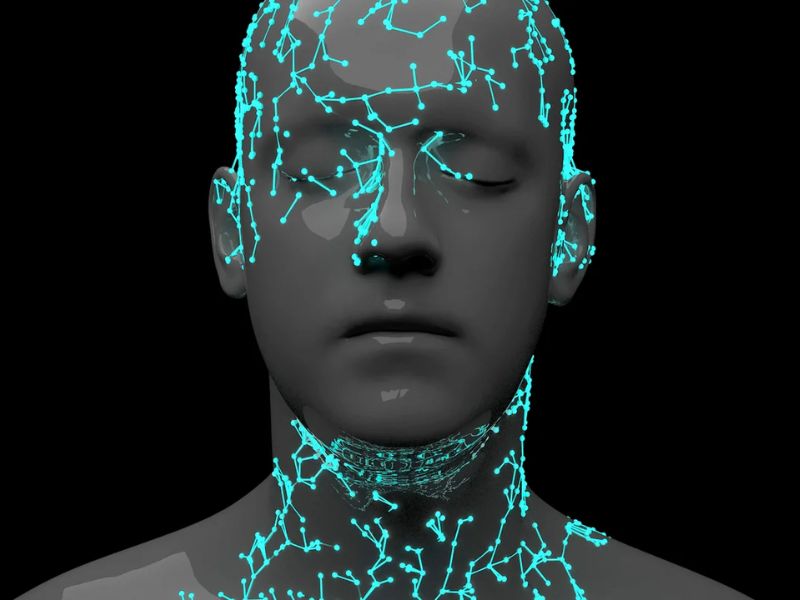
    Picture being fully conscious in a hospital bed, yet unable to move or signal to those around you. This condition, known as “covert consciousness,” affects many individuals with severe brain injuries. A recent Communications Medicine study found AI can detect subtle facial movements in comatose patients that doctors miss.
    Image Credits: Design Cells/Science Source

    Picture being fully conscious in a hospital bed, yet unable to move or signal to those around you. This condition, known as “covert consciousness,” affects many individuals with severe brain injuries. A recent Communications Medicine study found AI can detect subtle facial movements in comatose patients that doctors miss.

    Hidden Awareness and the Limits of Diagnosis

    Covert consciousness was first identified in 2006, when an unresponsive woman’s brain activity mirrored that of healthy participants during imagined tasks. In 2022, researchers found about one in four seemingly unresponsive patients showed hidden awareness. Neuroimaging is rarely used, as it is time-consuming and specialized; doctors instead rely on behavioral checks like eye opening, following commands, or reacting to sound.

    To find a simpler way to measure consciousness, Stony Brook neuroscientist Sima Mofakham and her team developed SeeMe, an AI tool that analyzes subtle facial movements from video. In 37 comatose patients, SeeMe detected eye and mouth responses several days—on average 4.1 and 8.3—before doctors did, even identifying attempts invisible to clinicians in five cases.

    Early Signs and Prognostic Potential

    Patients often make subtle movements before larger, more noticeable ones,” explains Mofakham. The findings suggest that some individuals may show signs of consciousness days before doctors recognize them. Those with more frequent and pronounced facial movements also tended to have better recovery outcomes, pointing to the potential of this technology in predicting prognosis.

    Detecting awareness earlier carries important clinical weight, notes Jan Claassen, a Columbia University neurologist not involved in the study. Recognizing consciousness can inform critical decisions for doctors and families, ranging from palliative approaches to aggressive treatments. “Every day matters” in these situations, Claassen says. Early detection could also enable rehabilitation to begin sooner, which past research shows leads to greater gains in motor function.

    Uneven Recoveries and Hidden Awareness

    Recovery of consciousness after brain injury is typically uneven and unpredictable. “It’s like a flickering light bulb—it doesn’t just switch on,” Claassen explains. The study followed patients for six months but suggests that some long-term care patients presumed unresponsive may still show hidden signs of awareness detectable with SeeMe or advanced imaging. “We need to test this,” Mofakham says. “There’s a real chance.

    Looking ahead, her team plans to explore whether patients can respond to yes-or-no questions through specific facial movements. “That has serious ethical implications,” Mofakham says, since patients who can’t communicate can’t participate in their own care decisions.
    This research opens a pathway for dialogue with them.


    Read the original article on: Scientific American

    Read more: The Largest Object in the Asteroid Belt May Have Hosted Life in the Past

  • Doctors Detect Indicators Of Parkinson’s Disease By Inspecting The Inner Ear

    Doctors Detect Indicators Of Parkinson’s Disease By Inspecting The Inner Ear

    Detecting Parkinson's Disease early is crucial for slowing its progression and enhancing a patient’s quality of life. A new test, using only a small earwax sample, aims to do just that.
    Analysis of ear wax to detect Parkinson’s Disease would be a cheap, non-invasive way to detect the condition in its early stages
    Image Credits: Depositphotos

    Detecting Parkinson’s Disease early is crucial for slowing its progression and enhancing a patient’s quality of life. A new test, using only a small earwax sample, aims to do just that.

    Parkinson’s affects around 10 million people worldwide, yet doctors still lack a definitive method to diagnose it in its early stages. Current approaches rely on assessments of cognitive and motor functions, which can be imprecise and subject to bias. Other methods involve imaging to exclude other conditions or observing how patients respond to Parkinson’s medications—sometimes prescribed even when the diagnosis is uncertain.

    New Biomarker Breakthroughs Offer Hope for Early Parkinson’s Detection

    Progress in diagnosing Parkinson’s is steadily advancing. Earlier this year, we highlighted research suggesting that a simple eye exam could help detect the disease in its early stages.

    Another promising method focuses on how Parkinson’s affects sebum—the oily substance produced by our skin. In 2021, researchers identified 10 biomarkers that showed significant differences in people with the disease by analyzing sebum collected through non-invasive skin swabs. With this data, they were able to differentiate between individuals with and without Parkinson’s with 85% accuracy.

    Aware that environmental exposure constantly alters the skin’s chemical makeup but still seeing sebum as a promising Parkinson’s indicator, a team of researchers from several Chinese universities and institutes focused on a more protected source of sebum: ear wax. Ear wax, unlike skin secretions, stays protected from external influences and more accurately reflects sebum composition.

    AI and Ear Wax Analysis Achieve 94% Accuracy in Detecting Parkinson’s

    In their study, the team collected ear wax samples from 209 adults—108 of whom had Parkinson’s. Using gas chromatography and mass spectrometry, they identified four volatile organic compounds (VOCs) that were significantly reduced in individuals with the disease. They then trained an AI system equipped with scent-detection capabilities on this data. After training, the system was able to distinguish between Parkinson’s and non-Parkinson’s patients with 94% accuracy.

    According to the researchers, this highly successful test could offer doctors a low-cost, non-invasive method for early detection of Parkinson’s Disease. However, they emphasize that further studies are necessary.

    “This approach was tested in a small-scale, single-center study in China,” explains study co-author Hao Dong. “The next phase involves conducting additional research across various stages of the disease, in multiple research centers, and among diverse ethnic groups to assess whether the method holds broader practical value.”


    Read the original article on: New Atlas

    Read more: Your Heart Health Declines After Only Three Nights of Poor Sleep

  • Doctors Used first Personalized Gene-editing Therapy on Baby

    Doctors Used first Personalized Gene-editing Therapy on Baby

    A team of doctors and scientists has successfully treated a rare genetic disorder using the first personalized gene-editing therapy. The results, published in The New England Journal of Medicine, were accompanied by an editorial from a former FDA gene-therapy regulator.
    Image Credits: Pixabay

    A team of doctors and scientists has successfully treated a rare genetic disorder using the first personalized gene-editing therapy. The results, published in The New England Journal of Medicine, were accompanied by an editorial from a former FDA gene-therapy regulator.

    The patient in this landmark case was KJ, an infant diagnosed with CPS1 deficiency—a condition with a roughly 50% fatality rate in the first week of life.

    CRISPR-Based Therapy Offers Hope for Devastating Genetic Disorder

    Those who survive often face serious neurological damage, cognitive and developmental impairments, and may require liver transplants. KJ’s medical team created a personalized gene-editing therapy using CRISPR, a tool for altering human DNA.

    Years of federally funded medical research enabled KJ’s successful gene repair, drawing on advances like CRISPR technology and human genome sequencing to identify the mutation.

    This gene-editing method could help treat various genetic disorders. Although the FDA approved two CRISPR-based drugs for sickle cell disease, researchers see great potential for further advances. Furthermore, ongoing advancements promise to expand the applications of this technology even more. Therefore, continued research remains crucial to unlocking its full potential.


    Read the original article on: Engadget

    Read more: Fake Books: A Summer List Of AI-Generated Titles

  • A Significant Number of Doctors are Already Integrating AI Into Medical Care

    A Significant Number of Doctors are Already Integrating AI Into Medical Care

    Credit: Pixabay

    A recent survey of approximately 1,000 UK general practitioners found that one in five doctors use generative AI tools—such as OpenAI’s ChatGPT or Google’s Gemini—to support clinical practice.

    Doctors reported using generative AI for tasks like creating documentation after appointments, assisting in clinical decision-making, and delivering patient information—such as easy-to-understand discharge summaries and treatment plans.

    The Role of AI in Transforming Healthcare

    Given the excitement surrounding AI and the current pressures on health systems, it’s unsurprising that both doctors and policymakers view AI as essential to modernizing and transforming healthcare.

    However, GenAI is a recent development that challenges our approach to patient safety, and much remains to be understood before it can be safely incorporated into routine clinical practice.

    AI applications have traditionally been designed for specific tasks. For instance, deep learning neural networks are effective in classification tasks, such as analyzing mammograms to support breast cancer screening.
    Using AI in clinical practice could pose a range of issues. (Tom Werner/DigitalVision/Getty Images)

    AI applications have traditionally been designed for specific tasks. For instance, deep learning neural networks are effective in classification tasks, such as analyzing mammograms to support breast cancer screening.

    The Versatility of Generative AI

    However, GenAI is not limited to a single, defined task. Built on foundational models, these systems have broad capabilities, allowing them to generate text, images, audio, or a mix of these. These abilities can then be tailored for various uses, such as answering questions, coding, or image creation, with potential applications limited only by the user’s creativity.

    A key challenge is that GenAI wasn’t designed with a specific purpose in mind, so safe applications in healthcare remain uncertain, making it unsuited for widespread clinical use at this time.

    Another issue with GenAI in healthcare is the well-known occurrence of “hallucinations“—outputs that are nonsensical or inaccurate responses to the input provided.

    Hallucinations in GenAI have been studied when it’s used to summarize text. One study found that various GenAI tools sometimes made incorrect connections based on the text or included information not actually present in the original content.

    These hallucinations happen because GenAI relies on probability—predicting the next likely word in a given context—rather than truly “understanding” as humans do. As a result, GenAI outputs are often plausible but not necessarily accurate.

    This reliance on plausibility over accuracy makes GenAI unsafe for regular use in medical practice right now.

    For example, a GenAI tool that listens to patient consultations and generates summary notes could allow doctors and nurses to focus more on the patient. However, the tool might also create notes based on what it “thinks” could be true.

    The Risks of Inaccurate GenAI Summaries in Healthcare

    The GenAI-generated summary could incorrectly change the frequency or severity of symptoms, add symptoms the patient never mentioned, or include details not actually discussed. Healthcare professionals would then need to carefully review these notes and rely on memory to catch any plausible-sounding but inaccurate information.

    In a traditional family doctor setting, where the GP knows the patient well, identifying inaccuracies may not be a major issue. However, in a fragmented healthcare system where patients are frequently seen by different providers, inaccuracies in patient records could lead to serious health risks, including delays, incorrect treatments, and misdiagnoses.

    The risks tied to hallucinations are considerable. However, it’s important to note that researchers and developers are actively working to minimize these occurrences.

    Another reason GenAI isn’t ready for healthcare is that patient safety relies on evaluating its interactions within specific contexts—assessing how the technology performs with people, aligns with regulations and pressures, and fits the culture and priorities of a broader health system. This systems-based view would be essential to determine whether GenAI can be used safely.

    The Adaptive Nature of Generative AI

    However, GenAI’s open-ended design makes it adaptable for uses that may be hard to anticipate. Additionally, developers continually update GenAI with new generic capabilities, which can change the tool’s behavior.

    Moreover, harm could still occur even if GenAI functions as intended, depending on the usage context.

    For instance, using GenAI chatbots for triaging could impact patients’ willingness to engage with healthcare. Those with lower digital literacy, non-native English speakers, or non-verbal patients might struggle with GenAI, potentially leading to unequal outcomes. Thus, while the technology may “work,” it could inadvertently disadvantage certain users.

    Such risks are difficult to anticipate through conventional safety analysis, which typically examines how failures may cause harm in specific situations. While GenAI and other AI tools hold promise for healthcare, widespread adoption will require more adaptable safety standards and regulatory oversight as these technologies evolve.

    Developers and regulators must also collaborate with communities using these tools to ensure they can be safely integrated into routine clinical practice.


    Read the original article on: Science Alert

    Read more: AI Rapidly Evaluates Antidepressant Efficacy