Tag: embryo

  • Researchers Create a 3D Embryo Model that Makes Blood Cells

    Researchers Create a 3D Embryo Model that Makes Blood Cells

    Image Credits:observador

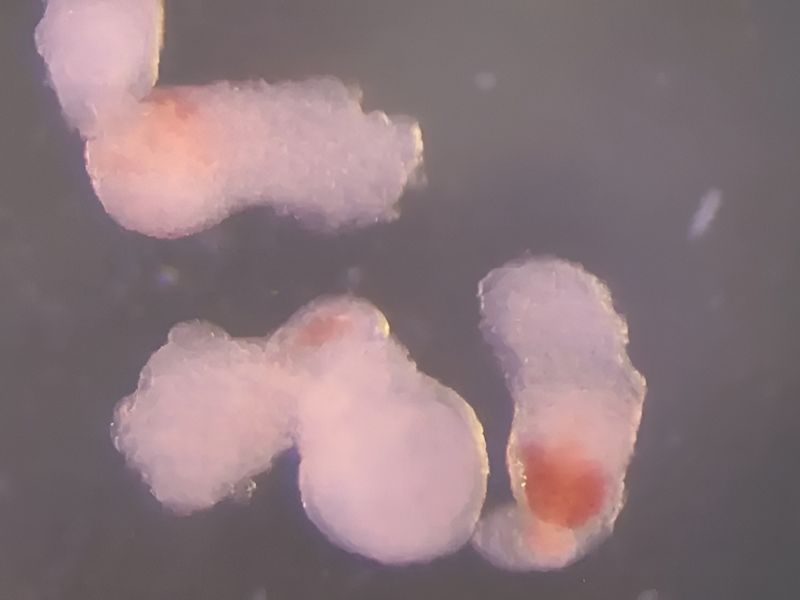
    A group of UK scientists has developed a 3D embryo model that reproduces certain aspects of early human development, including blood cell formation, EFE reported Monday.

    Our model recreates the process of human fetal blood development—the blood that circulates in a baby during pregnancy—within the lab,” explained a cell biologist from the Gurdon Institute at the University of Cambridge.

    Hematoids Offer New Insights Into Early Blood Development

    The hematoids, a 3D model, show “great potential” for advancing the understanding of how blood develops in the early stages of human growth.

    According to University of Cambridge researchers, these new structures can also mimic diseases such as leukemia and generate long-lasting blood stem cells suitable for transplants. Stem cells are unique in their ability to divide without limit.

    Published in Cell Reports, the model—designed to resemble a human embryo—recreates the cellular transformations that take place in early development, when organs and the blood system first begin to form.

    From Germ Layers to Blood Formation

    By the second day, the hematoids had organized into the three germ layers—ectoderm, mesoderm, and endoderm—fundamental for embryonic development. These layers “are key to forming all organs and tissues, including blood,” EFE reported. By day eight, cardiac cells appeared, marking the beginning of heart formation in a human embryo. On day 13, the researchers observed red blood spots in the hematoids, closely resembling the developmental stages of human embryos, according to the University of Cambridge.

    The team also devised a method showing that hematoid-derived blood stem cells can mature into various blood cell types, including immune cells such as T cells, which defend the body against infections and abnormalities.

    The university emphasized, however, that hematoids are still in the early research phase and differ significantly from real human embryos. They lack several embryonic tissues, the yolk sac that nourishes the embryo, and the placenta. Importantly, the researchers confirmed that these 3D structures cannot develop into actual embryos.


    Read the original article on: Observador Pt

    Read more: Rare Calico Lobster Creates a Buzz
  • Baby Born From 30-Year Frozen Embryo Sets Record

    Baby Born From 30-Year Frozen Embryo Sets Record

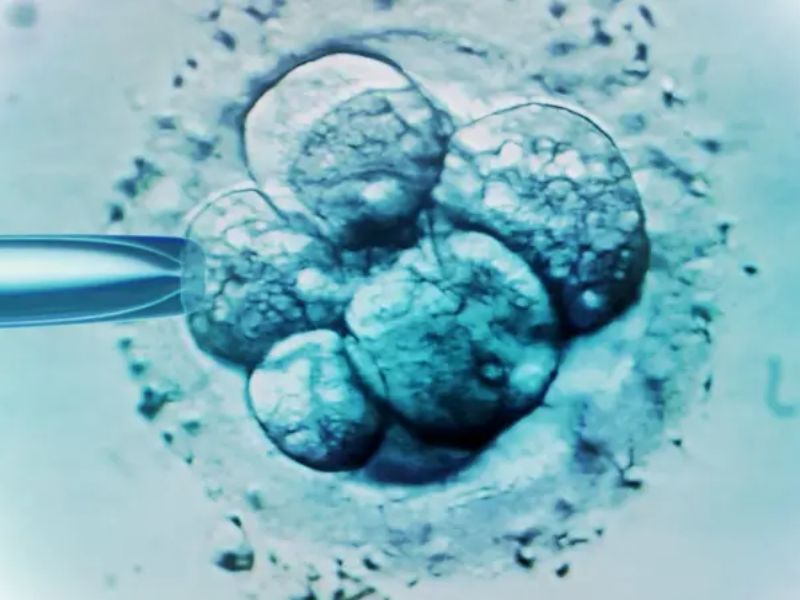
    An Ohio couple welcomed a baby boy from an embryo frozen for more than 30 years, setting what may be a new world record.
    Image Credits: Agências cristãs de adoção de embriões nos Estados Unidos consideram que seus programas estão salvando vivas (imagem de arquivo)

    An Ohio couple welcomed a baby boy from an embryo frozen for more than 30 years, setting what may be a new world record.

    Lindsey (35) and Tim Pierce (34) became parents to their son, Thaddeus Daniel Pierce, on Saturday, July 26. Speaking with MIT Technology Review, Lindsey said the experience “felt like something out of a science fiction movie.

    Oldest Frozen Embryo Leads to Record-Breaking Birth

    Experts say this is the oldest known frozen embryo to result in a successful birth, breaking the previous record set in 2022 by twins conceived from embryos frozen in 1992.

    The Pierces had struggled with infertility for seven years before choosing to adopt an embryo created in 1994 through in vitro fertilization by Linda Archerd, now 62, and her then-husband.

    After her marriage ended, Archerd chose not to discard the embryos, donate them for research, or release them anonymously. She explained that staying connected to the child mattered to her, especially so the baby could share a bond with her adult daughter.

    For years, Archerd spent thousands annually to keep the embryos in storage until she discovered Nightlight Christian Adoptions, a faith-based agency that runs the Snowflakes embryo adoption program—often described by such groups as “life-saving.”

    Donor Chooses Adoptive Couple Based on Faith and Background

    Through this program, donors can select recipients based on factors such as religion, race, and nationality. Archerd requested a married, Caucasian Christian couple within the United States, explaining to MIT Technology Review that she didn’t want the embryos to “leave the country.” In the end, she matched with Lindsey and Tim Pierce.

    The Pierces underwent the transfer at Rejoice Fertility IVF Clinic in Tennessee. Lindsey emphasized that their goal was never to set records—they simply “wanted to have a baby.”

    Although Archerd has yet to meet the newborn in person, she told MIT Technology Review she already notices similarities to her own daughter.


    Read the original article on: Bbc

    Read more: Next-Gen Wireless Tech Set to Revolutionize Mobile Connectivity