Tag: Engine

  • Russian Scientists Test a Plasma Engine that could Shrink Mars Travel to 30 Days

    Russian Scientists Test a Plasma Engine that could Shrink Mars Travel to 30 Days

    Scientists tied to Rosatom have revealed a plasma engine that could cut Earth–Mars travel to 30–60 days. The announcement has renewed discussion about the future of space exploration and whether such technology could realistically support interplanetary missions.
    Image Credits:regisandrade

    Scientists tied to Rosatom have revealed a plasma engine that could cut Earth–Mars travel to 30–60 days. The announcement has renewed discussion about the future of space exploration and whether such technology could realistically support interplanetary missions.

    Developed by engineers at the Rosatom Research Institute, the project focuses on nuclear and advanced propulsion systems. Unlike chemical rockets, the plasma engine uses energized particles for efficient, long-lasting thrust.

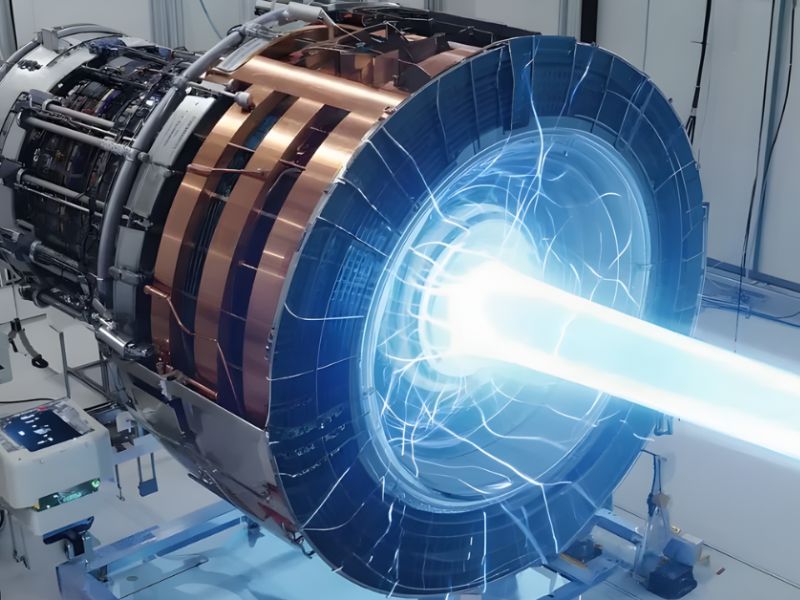
    The engine uses a plasma stream guided by electromagnetic fields, allowing continuous acceleration and much faster travel to Mars.

    Laboratory Testing Shows Promising Stability and Efficiency

    The prototype is still undergoing laboratory tests and has been examined inside vacuum chambers designed to mimic space conditions. During these trials, engineers assessed plasma stability, energy efficiency, and the ability to operate continuously. Rosatom reports that early results show stable long-term operation, a critical factor for extended missions.

    Even so, specialists caution that a 30-day trip to Mars remains a theoretical estimate. Making this engine practical requires spacecraft integration, sustained power, and solutions for radiation, heat, and crew safety.

    Power supply is another major issue. High-output plasma engines demand vast amounts of electricity, likely necessitating compact onboard nuclear reactors. Despite Russia’s nuclear expertise, such systems pose technical, safety, and political challenges for space use.

    Global Research Continues, but No Operational Missions Yet

    Analysts also note that similar propulsion concepts are being explored in countries like the United States and China, but all remain experimental. No space agency has yet completed a long-range mission—crewed or uncrewed—using high-power electric propulsion as the main drive.

    Realistically, even if the technology performs as expected, its use in human missions to Mars is unlikely before the next decade. Extensive testing in Earth orbit, uncrewed demonstration flights, and full validation of life-support and protection systems would be required first.

    The announcement reflects a trend toward faster, safer, and more efficient space travel, reducing risks and strain for astronauts.

    Overall, the claims rest on credible scientific work but are far from immediate application. The engine currently exists only as a prototype, the timelines rely on simulations, and there is no official schedule for an operational mission using this propulsion system.


    Read the original article on:Regisandrade

    Read more:A Remarkable Sodium-Ion Battery Built Around a Core of “Wood.”
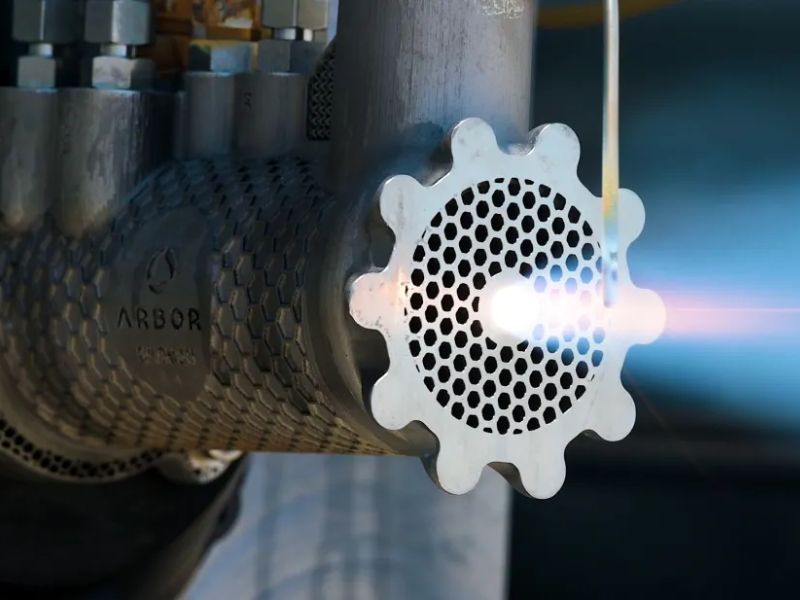
  • Frontier Is Supporting Arbor In Creating a Plant-Fueled Engine For Data Center Energy

    Frontier Is Supporting Arbor In Creating a Plant-Fueled Engine For Data Center Energy

    Frontier backed by Stripe, Google, and Meta announced Tuesday it will pay startup Arbor Energy $41 million to remove 116,000 tons of CO₂ by 2030.
    Image Credits:Arbor Energy /

    Frontier backed by Stripe, Google, and Meta announced Tuesday it will pay startup Arbor Energy $41 million to remove 116,000 tons of CO₂ by 2030.

    The funding will support Arbor’s first commercial power plant in southern Louisiana, where it will burn waste biomass to power a data center while capturing and storing the resulting emissions underground.

    “We’re effectively selling two products,” said Arbor CEO Brad Hartwig. “Carbon-free, base-load energy and net carbon removals.”

    How BiCRS Captures and Stores Carbon Efficiently

    The dual benefit comes from the underlying technology known as BiCRS—biomass carbon removal and storage.

    “One of BiCRS’s key advantages is that the capture happens naturally—plants absorb CO₂, so we just need to extract and store it,” said Hannah Bebbington, Frontier’s head of deployment, in an interview with TechCrunch.

    While burning biomass is an ancient practice, Arbor has added a futuristic twist. CEO Brad Hartwig, a former SpaceX engineer, applied rocket turbomachinery to design the power plant, expected to generate 5–10 megawatts. Hartwig said the company is working to boost that output over time.

    At the plant, waste biomass is converted into syngas. Initially planning to use a commercial gasifier, Arbor found existing models inadequate and decided to build its own. The custom gasifier uses supercritical CO₂—sourced from the plant itself—to help break down the biomass and release hydrogen and carbon monoxide.

    Using CO₂ to Regulate High-Temperature Reactions

    The syngas and CO₂ are directed into a combustion chamber, where the syngas is burned with pure oxygen, producing heat, water vapor, and additional CO₂. Hartwig explained that the added CO₂ helps regulate temperatures to prevent damage to the chamber’s metal components.

    The resulting hot gases power a turbomachine to generate electricity. Most of the CO₂ is then captured and sent through a pipeline for permanent underground storage, while some is recycled back into the gasifier.

    Hartwig has fittingly called the system a “vegetarian rocket engine.”

    The setup captures 99% of the CO₂ produced during combustion—far more than traditional methods—and because it uses biomass, it actively removes carbon from the atmosphere.

    Assessing Viability and Sustainability

    According to Bebbington, Frontier estimates that one to five gigatons of waste biomass are available globally each year. However, not all biomass is equally viable—some must be hauled long distances, while other types are better left to naturally decompose and enrich soil.

    When evaluating carbon removal projects, “we’re careful to factor in sustainability,” Bebbington said. “We require that each ton of carbon removed clearly adheres to sustainable biomass principles.”

    Even if only one gigaton of biomass qualifies, there’s still major potential for BiCRS—and its relative, BECCS (bioenergy with carbon capture and storage)—to play a significant role in meeting future energy demands.

    Under its agreement with Frontier, Arbor will use only biomass, ensuring the plant delivers net carbon removals. Frontier had previously backed Arbor through a pre-purchase agreement.

    Although Arbor’s system can technically burn any hydrocarbon fuel, including natural gas, Hartwig said it’s designed to be fuel-flexible.

    “We want BECCS to power data centers, support industrial electrification, and strengthen the grid,” Hartwig added. “But for any new fossil-based systems, we want them to be zero-emission too—let’s capture all of those emissions.”


    Read the original article on: TechCrunch

    Read more: Honda Is Preparing To Equip Its Beginner-Friendly 250cc Bikes With The New E-Clutch System

  • BMW Powers its New R 1300 RS and R 1300 RT with its Strongest Boxer Engine

    BMW Powers its New R 1300 RS and R 1300 RT with its Strongest Boxer Engine

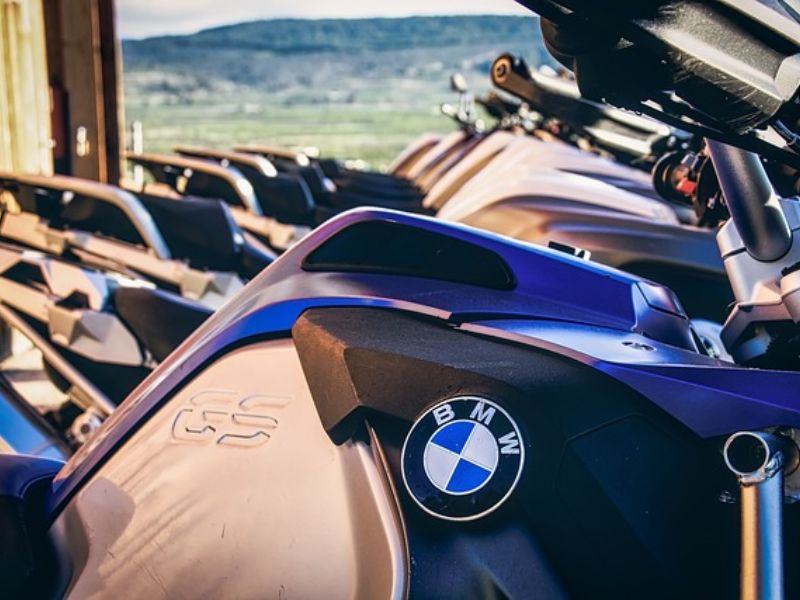
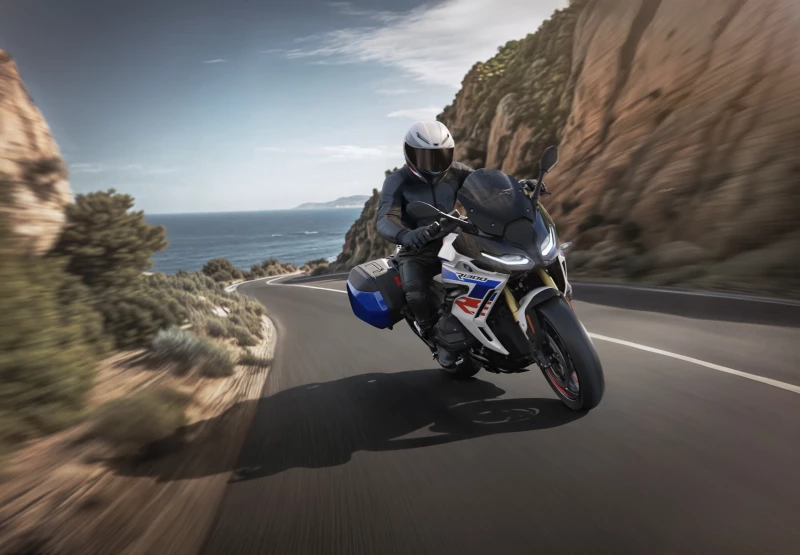
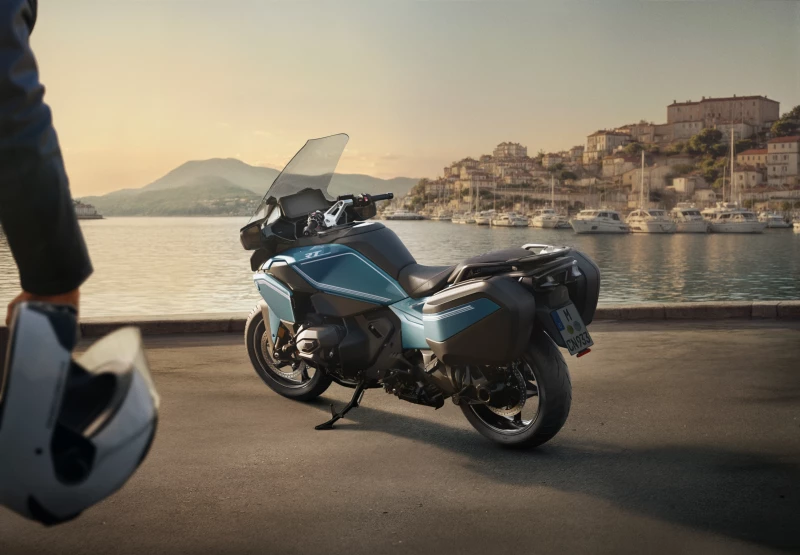
    BMW's R1300 boxer twin lineup expands with the addition of the R 1300 RS and R 1300 RT, replacing the R 1250 RS and R 1250 RT. As expected, these touring bikes come packed with plenty of features and accessories.
    Credit: Pixabay

    BMW‘s R1300 boxer twin lineup expands with the addition of the R 1300 RS and R 1300 RT, replacing the R 1250 RS and R 1250 RT. As expected, these touring bikes come packed with plenty of features and accessories.

    Both models receive major improvements over their predecessors, including a redesigned chassis and enhanced aerodynamics. The most notable update, however, is the new boxer engine, which was first introduced on the recently launched R1300 R.

    The R 1300 RS and R 1300 RT

    The R 1300 RS and R 1300 RT are purpose-built sports tourers and luxury touring bikes, respectively, expanding BMW’s 1,300cc motorcycle range. This lineup already includes the R 1300 R and the adventure-oriented R 1300 GS and R 1300 GS Adventure. Here’s what’s new on these models.

    Credit: New Atlas

    Let’s begin with the most crucial update – the engine. Like the R1300 R, the new BMW R1300 tourers feature the same 1,300cc twin-cylinder boxer engine.

    It now makes 143.5 hp at 7,750 RPM—up 9 hp—with 109.8 lb-ft of torque at 6,500 RPM, thanks in part to a revised bore and stroke of 106.5 x 73mm.”

    Top Speeds and Power Transmission on the R 1300 RS and RT

    A 6-speed gearbox with a shaft drive transmits power. BMW claims a top speed of 149.1 mph (240 km/h) for the R 1300 RS and 124.2 mph (200 km/h) for the R 1300 RT – impressive for a touring bike!

    The engine sits in a redesigned chassis that uses it as a stressed member, with a sheet steel mainframe and aluminum subframe.”. This marks a significant departure from the tubular frame used on the 1250. Additionally, the 17-inch aluminum cast wheels adopt a hollow-spoke design, cutting the weight by 3 lb (1.4 kg).

    Credit: New Atlas

    The R 1300 RS weighs 540 lb (245 kg), while the RT comes in at 619.4 lb (281 kg)—not light, but makes sense for hauling a small house.”

    The standard riding modes include Rain, Road, and Eco. For a sportier experience, the Dynamic and Dynamic Pro modes are available with the optional Riding Modes Pro package.

    MSR and Automated Shift Assistant for Smoother Performance

    Standard MSR stabilizes downshifts by easing engine braking, while ASA handles clutch and gear shifts automatically for a smoother ride.”

    Feature-wise, the R 1300 RS sports a 6.5-inch TFT with BMW’s Multi-Controller, while the RT upgrades to a 10.25-inch display. Both bikes feature all-LED lighting, including a new twin-chamber headlamp and optional Adaptive Turning Light for better cornering visibility.”

    Credit: New Atlas

    Both tourers feature the renowned Telelever Evo setup, the same suspension system found on the R1300 GS. “The RT comes with 7.1-gallon (27-liter) side cases and optional Vario boxes that expand to 8.7 gallons (33 liters). Additional top boxes offer 10.3 and 14.2 gallons (39 and 54 liters), with the larger featuring a heated pillion back pad.

    An optional radar system with a front sensor above the LED headlamp enables features like Dynamic and Active Cruise Control, Front Collision Warning, Lane Change Warning, and Rear End Collision Warning.”

    These bikes pack so much technology that listing all the hardware would make me sound like a full-on tech enthusiast.” “It’s worth noting that both tourers feature the renowned Telelever Evo setup, the same system used on the R1300 GS.” Impressive!

    Credit: New Atlas

    In terms of color options, the BMW R 1300 RS will come in Triple Black for all models, Racing Blue metallic for the base model, Lightwhite Uni for the Performance variant, and Brooklyn Grey metallic for the premium Option 719 Cuyamaca edition. “The R 1300 RT comes in four distinct trims—Basic, Impulse, Triple Black, and Option 719 Camargue—giving riders a range of styles to choose from.”


    Read the original article on: New Atlas

    Read more: Integrated Engine-Motor Drive Retrofits Pure EVs Into Hybrids

  • A Water-Injected 2.0-Liter Hydrogen Turbo-Four Engine Generates 410 hp.

    A Water-Injected 2.0-Liter Hydrogen Turbo-Four Engine Generates 410 hp.

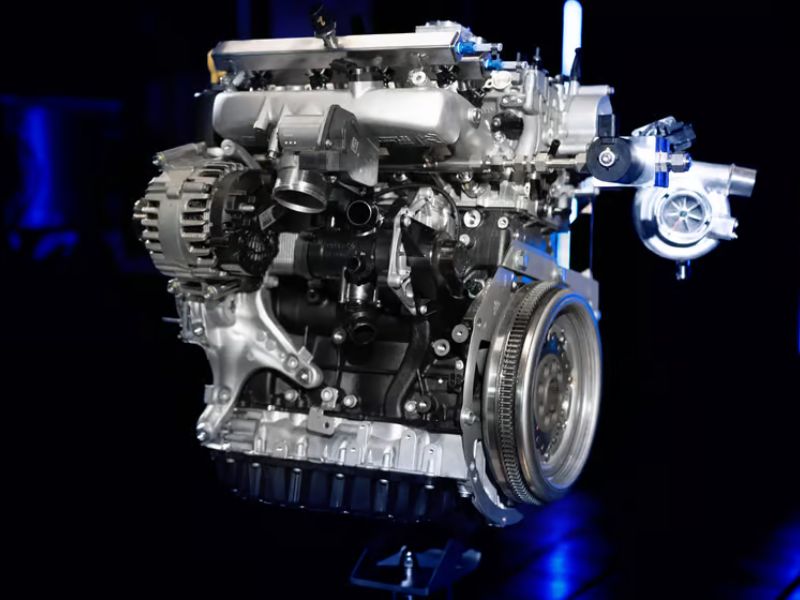
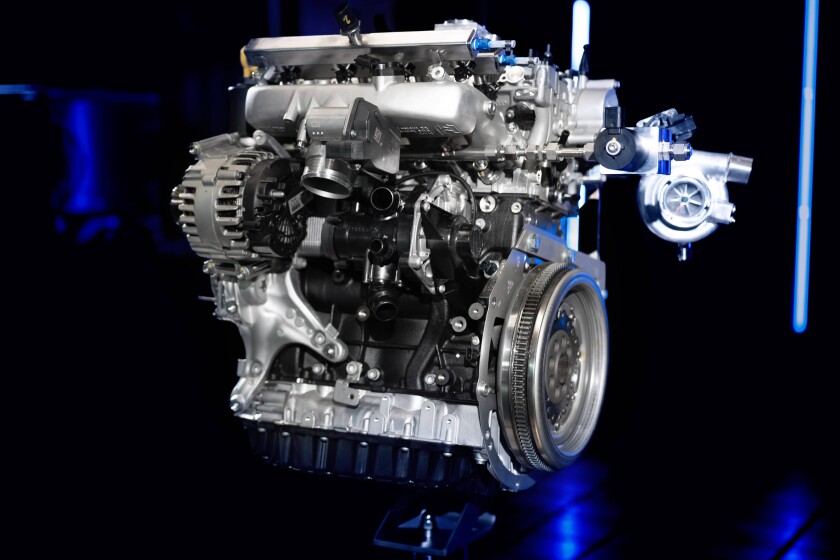
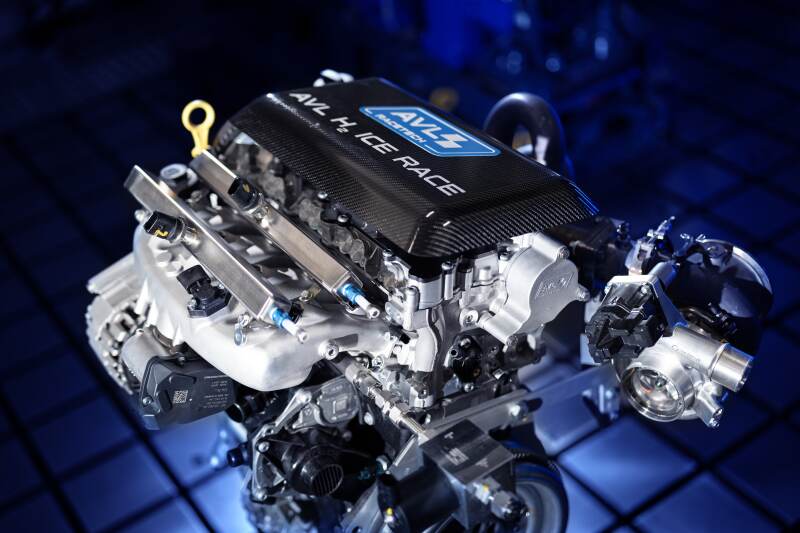
    Earlier this month, the Austrian mobility technology firm AVL had reason to celebrate as it verified simulations demonstrating its prototype 2.0-liter turbo hydrogen race engine achieving over 200 horsepower per liter. AVL employs a water-injection system in conjunction with the turbocharger to enhance combustion safety and power output, and this approach has proven to be highly effective.
    After verifying output simulations over 200 hp-per-liter, AVL will next install the H2 engine into a car for track testing
    AVL

    Earlier this month, the Austrian mobility technology firm AVL had reason to celebrate as it verified simulations demonstrating its prototype 2.0-liter turbo hydrogen race engine achieving over 200 horsepower per liter. AVL employs a water-injection system in conjunction with the turbocharger to enhance combustion safety and power output, and this approach has proven to be highly effective.

    While much attention in the automotive world has been focused on hydrogen fuel cell-electric powertrains, hydrogen combustion engines are gradually gaining more attention and consideration. Even in the context of motorsports, where the lack of hydrogen fueling infrastructure on public roads isn’t a concern, these engines still face their own challenges.

    “Performance Challenges in Conventional Hydrogen Internal Combustion Engines (ICE)”

    AVL highlights that the conventional hydrogen internal combustion engine (ICE) tends to exhibit reduced performance due to lean burn, which involves a high air-to-fuel ratio. While lean burn can offer advantages such as enhanced fuel efficiency and reduced emissions, it also results in diminished power output, a challenge that becomes especially problematic in the context of a race engine.

    AVL Racetech uses water injection and turbocharging to get a higher output from its hydrogen four-cylinder 
    AVL

    In the previous year, when AVL unveiled its hydrogen racing engine project within AVL Racetech, they revealed that the engine’s design incorporated a water injection system aimed at increasing power. The innovative PFI water injection system injects water into the engine’s intake air, preventing early ignition and adjusting the air-fuel ratio from a lean burn to a stoichiometric level. The air is supplied through a wastegate turbocharging system.

    “AVL’s Innovative Solution: Enhanced Power Output in Hydrogen ICE”

    AVL’s configuration effectively addresses the challenges of lean burn and its associated low power output, resulting in a hydrogen internal combustion engine (ICE) that delivers greater horsepower. Testing this month on the prototype 2.0-liter turbo four-cylinder engine confirmed the impressive figures previously projected by AVL. The engine now generates 410 horsepower (302 kW) at 6,500 rpm and a total of 369 lb-ft (500 Nm) of torque between 3,000 and 4,000 rpm. AVL has previously emphasized that achieving an output of approximately 201 horsepower per liter (150 kW per liter) would position the engine competitively in contemporary, closely aligned with production race categories.

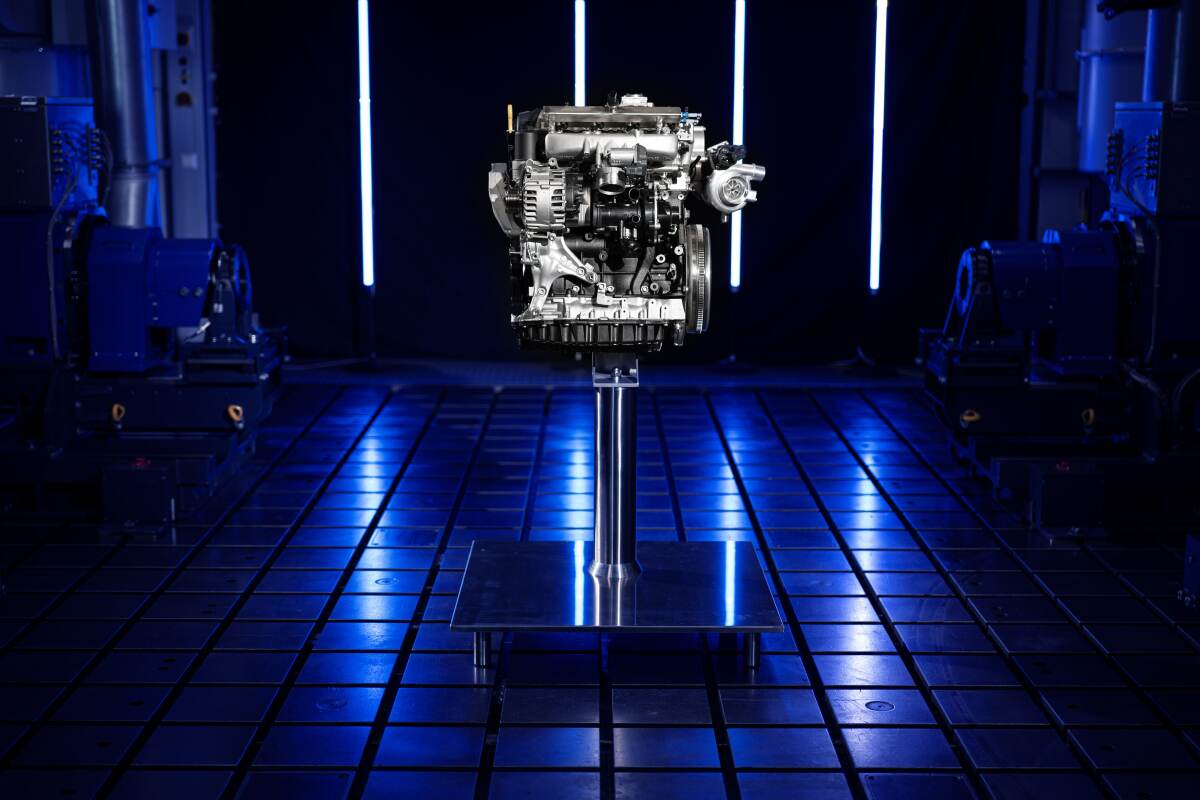
    AVL Racetech takes the next step with its 2.0-liter turbo hydrogen racing engine
    AVL

    The outcomes obtained from our H2 racing engine validate our capability to offer a highly competitive solution using this technology,” expressed Ellen Lohr, the director of motorsport at AVL, following the testing. “AVL Racetech’s aim is to guide motorsport towards a sustainable future, and with the development of our inaugural racing engine bearing our name, we are one step closer to realizing this vision.”

    “The Emissions and Economic Considerations in Hydrogen Combustion for Motorsport”

    Hydrogen combustion, while not emitting carbon, does release nitrous oxides (NOx), especially at stoichiometric levels. Lean-burn engines aid in reducing these emissions. While a hydrogen fuel cell is a cleaner, zero-emission alternative, AVL believes that a hydrogen combustion engine will ultimately be more cost-effective for motorsport teams due to the smoother transition from gasoline ICEs. Moreover, it retains the mechanical sound and the familiar sensation of traditional motorsport.

    AVL’s next phase will involve testing the 2.0-liter H2 turbo engine in an actual race car on the track.


    Read th original article on: New Atlas

    Read more: GAC’s Groundbreaking Ammonia-Powered Engine: A Glimpse into the Future of Automotive Propulsion