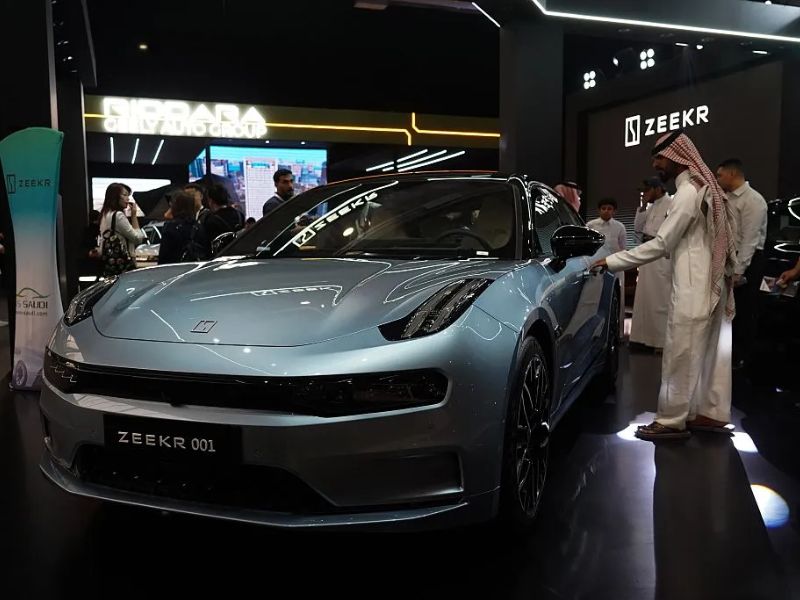
Geely Auto is looking to delist its premium EV brand Zeekr from the New York Stock Exchange just a year after its initial public offering, according to Zeekr’s regulatory filings.
The move comes as the Trump administration considers removing Chinese firms from U.S. stock markets, intensifying an ongoing trade dispute marked by escalating tariffs between the two nations.
Geely Offers $6.5B Deal to Take Zeekr Private, Proposes Premium Buyout or Share Swap for ADS Holders
On Tuesday, Geely proposed buying Zeekr American Depository Receipts (ADS) at $25.66 each—or $2.566 per ordinary share—representing a 14% premium over Monday’s closing price.
The offer, which values Zeekr at $6.5 billion, also gives ADS holders the option to receive 12.3 newly issued Geely shares per ADS instead.
Beyond avoiding potential geopolitical complications, Geely stands to benefit significantly from taking Zeekr private with minimal downside. Since Geely already controls 65.7% of Zeekr through its founder Li Shufu, it would need to spend only around $2.2 billion to acquire the remaining shares.
This move would allow Geely to shield Zeekr from the volatility of the public market, providing stability in the highly competitive EV space while safeguarding its stake.
Zeekr Delivers Over 125,000 Vehicles in Early 2025 Despite Pending Q1 Financial Results
Although Zeekr has yet to release its first-quarter financials, the company reported delivering 125,250 vehicles under the Zeekr and Lynk & Co brands during the first four months of 2025.
Zeekr is collaborating with autonomous vehicle firm Waymo to develop a custom-designed robotaxi intended for widespread rollout in the U.S. While neither company has stated whether Geely’s plan to take Zeekr private would impact their partnership, Waymo recently announced it will begin integrating its self-driving technology into Zeekr vehicles at its new facility in Arizona later this year.
The Type 00 sure has an eye-catching design – and it appears even more so out on the road Jaguar
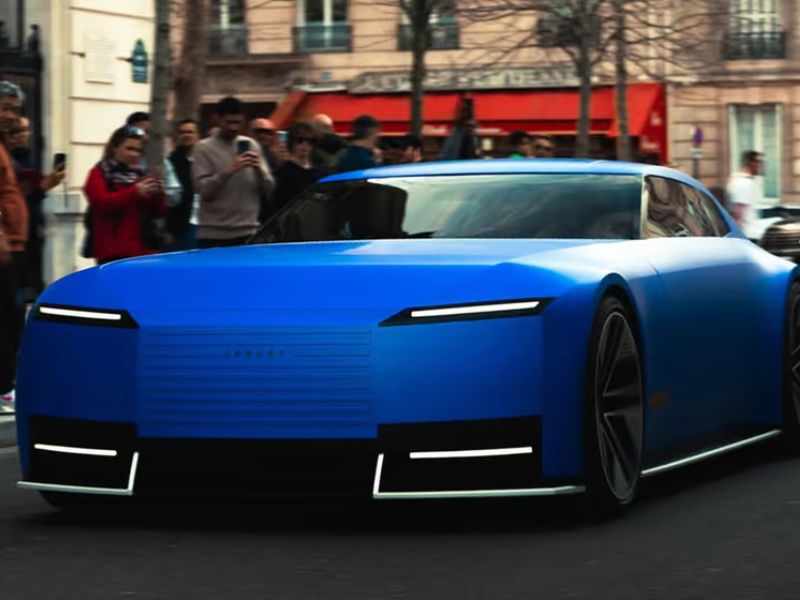
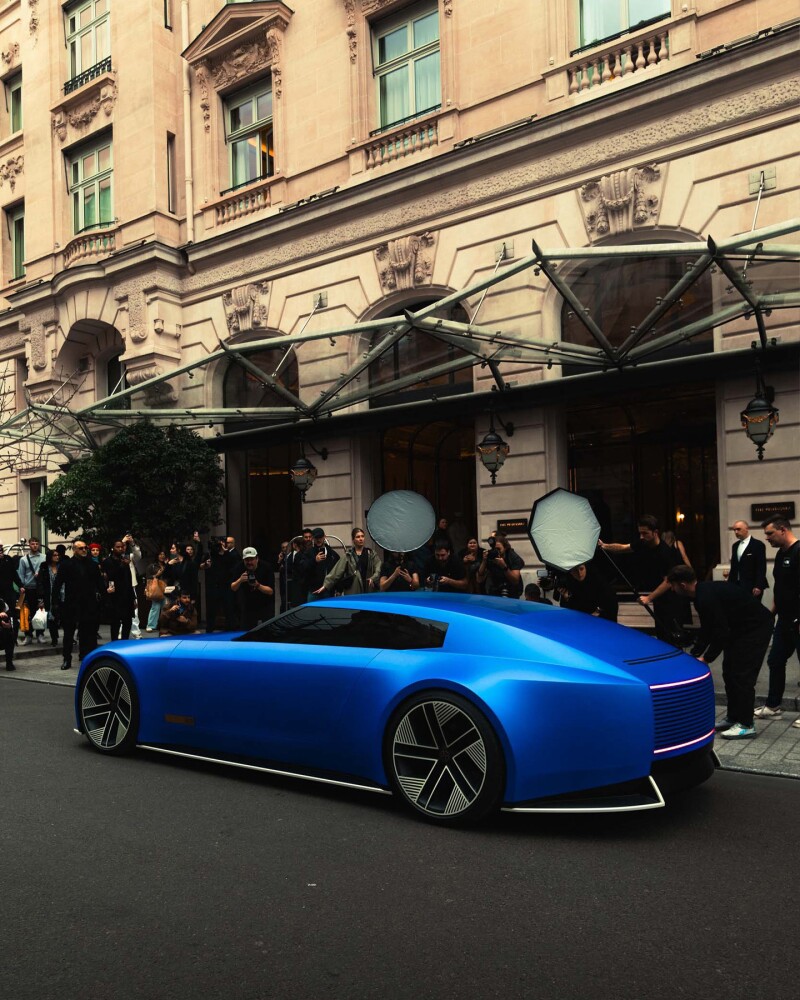
Whether you love it or hate it, Jaguar has successfully sparked conversation as it redefines its brand. Its latest move in that direction is debuting the bold Type 00 EV concept on the streets of Paris for the first time—accompanied by actor Barry Keoghan.
Type 00 EV Hits the Streets
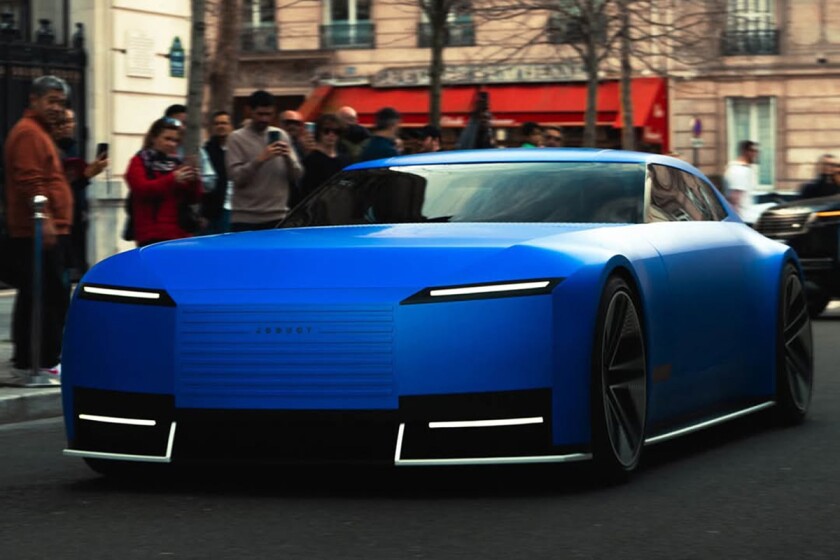
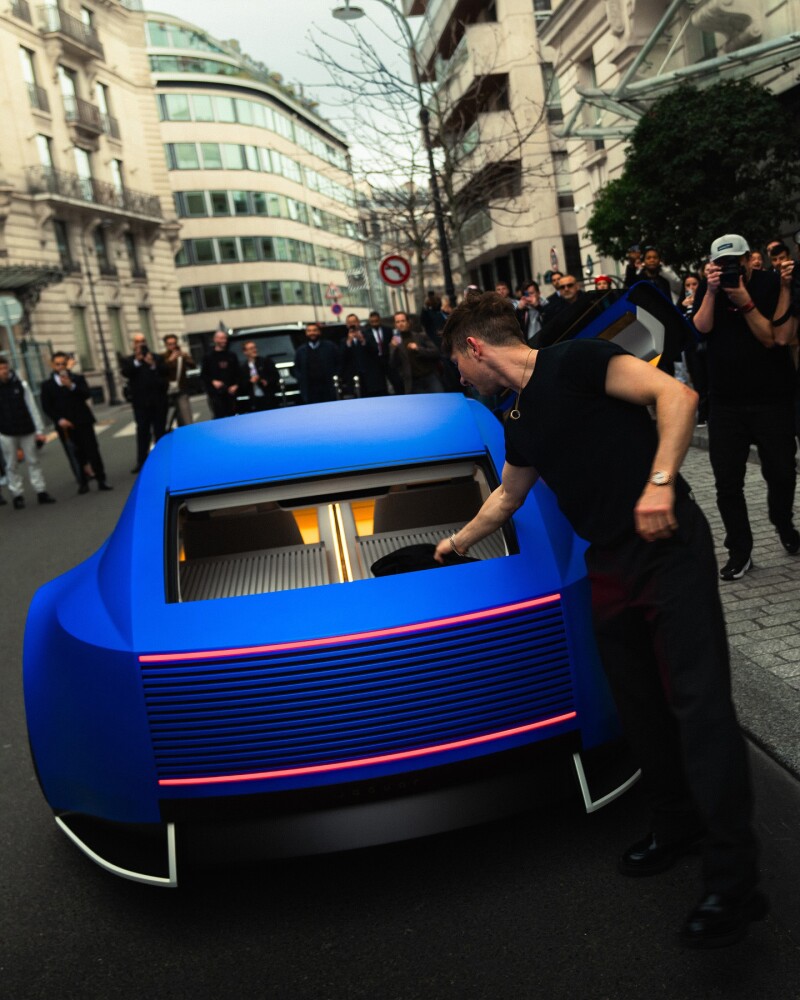
We’ve seen the Type 00 in renders, on stage, at exclusive events, and in studio photos—but seeing it in the real world is a whole different experience. Here are some shots of the car on the road, showcasing its bold proportions and striking matte finish.
The concept car’s flowing shape, long lines, and smooth finish make for a striking look Jaguar
Here, it is showing off its practicality with some luggage space:
Somehow, there’s a boot/trunk in this design-forward two-seater Jaguar
Even in unfiltered footage, it has an otherworldly presence—whether that’s a good or bad thing depends on your perspective.
Exclusive from Paris! Jaguar Type 00 – The Supercar of the Future
If you’re still interested, Jaguar has another sleek clip to check out.
Jaguar’s new design language may not appeal to everyone, but I appreciate its bold leap in a completely different direction. Despite concerns about the brand’s transformation, the reality is that Jaguar wasn’t selling in high volumes anyway—global sales fell from over 180,000 units annually in 2018-2019 to less than 67,000 in 2023-2024.
Perhaps redefining its audience with a striking, unconventional design is a worthwhile move, especially when nothing else on the market looks quite like it. And to be fair, the upcoming production four-door GT currently in testing doesn’t seem too extreme.
The Type 00’s butterfly doors are perfect for movie star photo ops Jaguar
Jaguar is gearing up to launch a new lineup of EVs next year, beginning with the previously mentioned sedan. Priced at over $165,000, it promises an impressive 430-mile (692 km) range. If it generates as much buzz as this concept, Jaguar might just have a real shot at a comeback.
Electric-vehicle owners across a wide region, from Chicago to northern Texas, have experienced a challenging week due to freezing temperatures, resulting in decreased driving range and prolonged waits at charging stations.
In Oak Brook, Illinois, close to Chicago, television reporters discovered Teslas running low on battery while queuing for charging plugs at a Supercharger station. The temperature had dropped to a frigid minus 9 Fahrenheit (-23 Celsius).
In the vicinity of Ann Arbor, Michigan, Teslas were connected to six out of eight charging stations amid strong winds and a temperature of 7 degrees Fahrenheit (minus 14 Celsius). One driver was on the brink of running out of battery.
The impact of cold weather on electric vehicles is widely recognized, particularly in subzero temperatures across the nation’s mid-section. Research indicates that the range loss can range from 10% to 36%.
Extreme cold temperatures not only reduce the efficiency of electric vehicle ranges but also impede charging speed. Tesla owners near Chicago reported to journalists that their cars wouldn’t charge at all in these harsh conditions.
While experts acknowledge the challenges that cold weather poses for EVs, they assert that with careful planning and minor adjustments, owners should be able to travel nearly as usual.
What´s the problem?
In the internal structure of EV batteries, lithium ions move through a liquid electrolyte to generate electricity. However, in cold temperatures, their movement slows down, resulting in reduced energy release and diminished range, ultimately leading to faster battery depletion.
Conversely, in colder temperatures, the sluggish movement of electrons hinders the battery’s ability to accept as much electricity from a charging plug, leading to a slowdown in the charging process.
In freezing temperatures, batteries must attain a sufficient warmth to facilitate electron movement, especially crucial at fast-charging stations like Tesla’s, where an even higher temperature is required.
Neil Dasgupta, associate professor of mechanical and materials science engineering at the University of Michigan, explains, “Pretty much anything that’s a chemical substance slows down when you get to a low temperature. That’s just something that nature has given us, and we have to deal with that.”
At a Supercharger station in Pittsfield Township, Michigan, near Ann Arbor, Ankita Bansal’s Tesla had only 7% of its charge remaining. Despite plugging in, the car wouldn’t accept electricity; instead, the display indicated the battery was heating up. Once reaching the required temperature, it would take an hour and 50 minutes to achieve a full charge, as per the display.
Expressing concern, Bansal, a University of Michigan graduate student, remarked, “I have a long way to go,” emphasizing the need to reach a full charge as she lacks a charging station at home.
How to make it work
Bruce Westlake, president of the Eastern Michigan Electric Vehicle Association, noted that the majority of EVs are designed to initiate battery warming if the driver informs the vehicle’s navigation system about an upcoming trip to the charging station.
Westlake, who owns two Teslas, mentioned that individuals facing charging issues often lack experience with EVs and may not be familiar with the process of “preconditioning” their batteries to enhance charging capabilities.
“They’re just learning,” he said. Acknowledging a learning curve, Westlake mentioned, “And Tesla isn’t very good at explaining some things.” A comment from Tesla was sought, but no response was received at the time of the report.
Westlake explained that in extremely cold temperatures, it can take around half an hour to warm the battery for charging readiness. While preconditioning the battery may result in a slight range reduction, typically only a few miles are affected, according to him.
Having owned her Tesla for just a week, Bansal was initially unaware of the preconditioning process before charging. However, she has now learned about it.
Kim Burney’s Tesla Model 3 Charges Up After a Frosty Morning Trip to the Dentist
Kim Burney’s Tesla Model 3, parked a few stalls away from Bansal’s, was charging slightly slower than usual in the frigid temperatures. After an extended trip to her dentist in Ann Arbor earlier that morning, Burney aimed to secure close to a full charge for the remaining travels of the day.
To expedite the charging process, Burney informed her car about the upcoming visit to the charging station. As a result, the vehicle was prepared and ready for charging by the time she arrived and plugged in.
Echoing Westlake’s sentiment, Burney emphasized the importance of planning ahead for EV drivers, especially in cold weather. She mentioned that the car provides information about charging stations and remaining range, advising, “The more you drive it, the more you’re comfortable knowing how far you can go and how much to charge it.”
In chilly conditions, Burney experiences a drop of around 15% to 20% in her battery range, but the decrease becomes significantly more pronounced during severe cold snaps, like the one this week.
The future of charging
In the near future, automakers are expected to develop improved methods to safeguard battery life and enhance warming for charging, as stated by Dasgupta. Additionally, ongoing developments include new battery chemistries designed to be more resilient in cold weather.
Dasgupta explained that in the short term, with the increasing adoption of EVs by mainstream consumers and the entry of more automakers into the market, models utilizing current lithium-ion chemistry will be designed to cater to colder climates. In certain instances, there might be a slight sacrifice in overall range to achieve improved cold-weather performance.
Significant investments are being made in new battery technology that exhibits superior performance in cold conditions. These advancements, initially applied in military, aerospace, and undersea sectors, are expected to transition into electric vehicles, according to Dasgupta.
He encouraged being an EV driver in a cold-weather climate, expressing optimism and excitement about the future, assuring that it would only improve from that point onward.
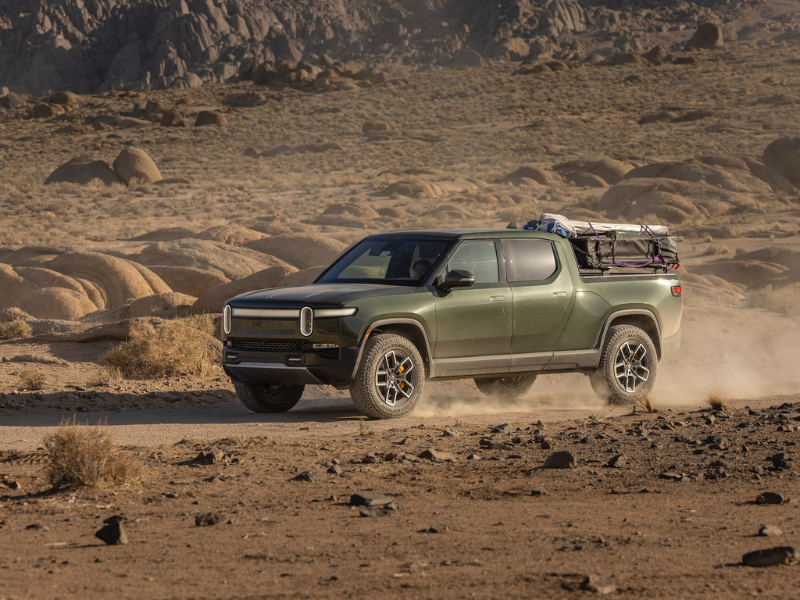
Rivian recalls 12,212 electric vehicles (EVs) because of a loose bolt that can impact drivers’ capability to control the vehicle (CNBC reported). The recall impacts almost every EV Rivian has manufactured this year. It covers the carmaker’s complete lineup, encompassing 2022 R1T pickup trucks, R1S SUVs, and the electric delivery vans (EDVs) Rivian is manufacturing for Amazon. The automaker created 14,317 vehicles in the first three quarters of 2022 and delivered over 12,000.
According to a notice filed with the National Highway Traffic Safety Administration (NHTSA), the fastener attaching the front upper control arm and steering knuckle might not have been “sufficiently torqued.” potentially resulting in separation, “causing a loss of vehicle control and increasing the risk of a crash”. The safety report states drivers with faulty EVs might notice vibration, substantial noise, harshness from the front suspension, and a difference in steering performance.
“It’s important not to minimize the potential risks involved and why we are volunteering to conduct this recall,” Rivian CEO RJ Scaringe wrote in an e-mail to customers seen by CNBC. “In rare circumstances, the nut could loosen fully. I want to reiterate that this is extremely rare, but it does reinforce why we are acting with such urgency and caution.”
After seven reports associated with the problem, Rivian announced the recall, none of which included injuries. The EV manufacturer states it will correctly fasten the steering knuckle bolts in the vehicles impacted by the recall at no added price.
This is Rivian’s second recall this year, with the firm recalling around 500 R1T electric pickups in May because of a defective airbag system that could malfunction and not deactivate when identifying a child in the front passenger seat.
Originally published by: The Verge
We use cookies on our website to give you the most relevant experience by remembering your preferences and repeat visits. By clicking “Accept All”, you consent to the use of ALL the cookies. However, you may visit "Cookie Settings" to provide a controlled consent.
This website uses cookies to improve your experience while you navigate through the website. Out of these, the cookies that are categorized as necessary are stored on your browser as they are essential for the working of basic functionalities of the website. We also use third-party cookies that help us analyze and understand how you use this website. These cookies will be stored in your browser only with your consent. You also have the option to opt-out of these cookies. But opting out of some of these cookies may affect your browsing experience.
Necessary cookies are absolutely essential for the website to function properly. These cookies ensure basic functionalities and security features of the website, anonymously.
Cookie
Duration
Description
cookielawinfo-checkbox-analytics
11 months
This cookie is set by GDPR Cookie Consent plugin. The cookie is used to store the user consent for the cookies in the category "Analytics".
cookielawinfo-checkbox-functional
11 months
The cookie is set by GDPR cookie consent to record the user consent for the cookies in the category "Functional".
cookielawinfo-checkbox-necessary
11 months
This cookie is set by GDPR Cookie Consent plugin. The cookies is used to store the user consent for the cookies in the category "Necessary".
cookielawinfo-checkbox-others
11 months
This cookie is set by GDPR Cookie Consent plugin. The cookie is used to store the user consent for the cookies in the category "Other.
cookielawinfo-checkbox-performance
11 months
This cookie is set by GDPR Cookie Consent plugin. The cookie is used to store the user consent for the cookies in the category "Performance".
viewed_cookie_policy
11 months
The cookie is set by the GDPR Cookie Consent plugin and is used to store whether or not user has consented to the use of cookies. It does not store any personal data.
Functional cookies help to perform certain functionalities like sharing the content of the website on social media platforms, collect feedbacks, and other third-party features.
Performance cookies are used to understand and analyze the key performance indexes of the website which helps in delivering a better user experience for the visitors.
Analytical cookies are used to understand how visitors interact with the website. These cookies help provide information on metrics the number of visitors, bounce rate, traffic source, etc.
Advertisement cookies are used to provide visitors with relevant ads and marketing campaigns. These cookies track visitors across websites and collect information to provide customized ads.