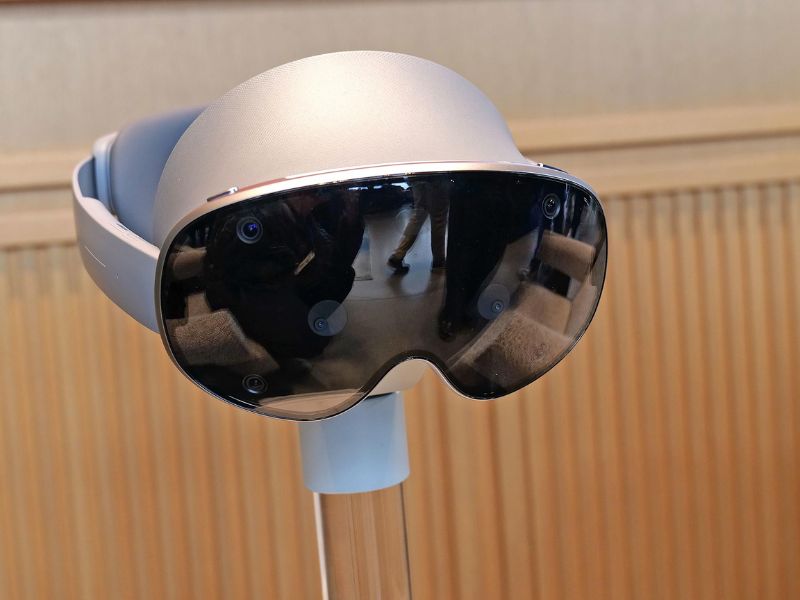
The Samsung Galaxy XR is built to highlight Android XR, Google’s new AR/VR platform. Unlike rival mixed reality headsets, Google says the Galaxy XR will face few app restrictions. A Google spokesperson told Engadget that “almost all Android apps will automatically be available without requiring extra development work.”
Google and Samsung want apps made for spatial experiences, but most existing Android apps—even phone ones—will be “Android XR compatible” at launch.
Seamless Integration
These apps will run in floating spatial panels that can be repositioned within the virtual environment. Google’s Android XR guidelines say apps will support eye and hand tracking plus traditional inputs. The apps will function and appear as they would on a smartphone or tablet. Google notes that apps with fixed sizes will display accordingly, while resizable apps can be adjusted within XR. Importantly, these apps won’t run in compatibility mode or appear letterboxed.
Apps needing unavailable features, like GPS, won’t be supported. Apps optimized for large screens or built as adaptive apps will perform better in XR.
Adaptive Design Powers Google’s Developer-Friendly XR
Google says adaptive design is becoming the new standard, a shift that began with Android 16. A spokesperson explained that many size-restricting APIs will be ignored on larger screens, including XR headsets, as Google aims to ensure Android apps feel fluid and responsive across all devices, from phones to in-car systems to XR experiences.
Apple took a similar, though more restricted, approach with the launch of visionOS and the Vision Pro, allowing developers to list their iOS and iPadOS apps in the visionOS App Store. However, the results were mixed, with relatively few native visionOS apps available. While apps built specifically for a device always offer a better experience, Google seems to have given Android developers a somewhat easier path. And with the Galaxy XR expected to cost less than the Vision Pro, it could attract a larger user base—giving developers more incentive to build for the platform.
Read the original article on: Engadget
Read more: Overworking Harms Health More than Excessive Drinking