Tag: Genetics

  • Why Can Some People Function on Less Sleep? Genetics May Hold the Key

    Why Can Some People Function on Less Sleep? Genetics May Hold the Key

    Ever wonder why some people wake up refreshed after just a few hours of sleep, while others can’t function without a full eight?
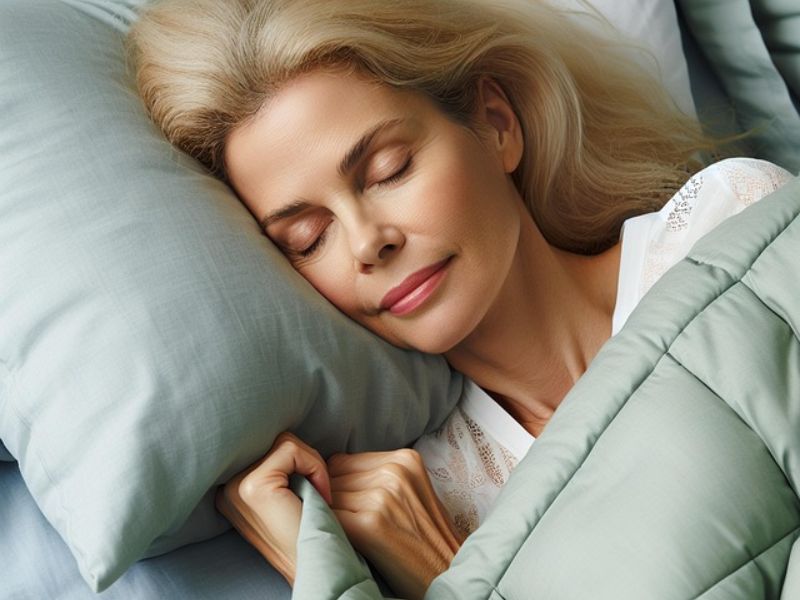
    Image Credit: Pixabay

    Ever wonder why some people wake up refreshed after just a few hours of sleep, while others can’t function without a full eight?

    Take former British Prime Minister Margaret Thatcher—she famously slept only four hours a night, working late and rising early without missing a beat.

    For the average person, though, that kind of routine would be a struggle. Most of us would feel sluggish, have trouble concentrating, and turn to caffeine or sugar just to get through the day.

    So what explains this difference? It’s a question that’s intrigued researchers for years. Here’s what science has uncovered so far.

    There’s a rare group of people known as natural short sleepers who need only four to six hours of sleep per night—and thrive on it throughout their lives.

    Thriving on Less Sleep Without the Consequences

    Unlike most people, they don’t feel fatigued, don’t rely on naps, and don’t experience the usual side effects of sleep deprivation. This unique ability is called the natural short sleep phenotype—a biological trait that enables them to gain the full benefits of sleep in less time.

    In 2010, scientists identified genetic mutations linked to this phenomenon. These individuals carry uncommon gene variants that appear to make their sleep more efficient.

    A 2025 study highlighted a woman in her 70s with one such mutation. Despite consistently sleeping just six hours a night, she remained in excellent physical health and mentally sharp—clearly adapted to a shorter sleep cycle.

    Researchers are still exploring how prevalent these gene variants are and why they develop.

    Chronic Sleep Deprivation Masquerading as a Rare Trait

    But here’s the reality: most people who believe they’re natural short sleepers are actually just chronically sleep-deprived. Their limited sleep often stems from demanding work schedules, social obligations, or the mindset that less sleep equals greater productivity or toughness.

    In today’s hustle culture, it’s not unusual to hear people proudly claim they get by on just a few hours of sleep. However, for the average person, this isn’t sustainable.

    Over time, insufficient sleep leads to what’s known as “sleep debt”—a cumulative toll that can cause poor focus, irritability, brief involuntary naps (micro-sleeps), decreased performance, and serious long-term health risks.

    Studies have linked chronic short sleep to higher chances of obesity, diabetes, high blood pressure, and cardiovascular conditions like heart disease and stroke.

    To compensate for weekday sleep loss, many people attempt to “catch up” on rest over the weekend.

    This strategy can help recover some short-term sleep debt. Studies indicate that adding an extra one to two hours of sleep on weekends or taking naps when possible may ease some of the harmful effects of limited sleep.

    Still, it’s not a complete solution. Weekend recovery sleep and naps don’t always fully erase accumulated sleep debt, and the effectiveness of this approach is still debated among scientists.

    In fact, a recent large-scale study found that weekend catch-up sleep may not counteract the cardiovascular risks tied to chronic sleep deprivation.

    How Disrupting Your Sleep Schedule Can Backfire

    Additionally, major shifts in sleep patterns—like sleeping in significantly on weekends—can throw off your internal body clock. This often makes it harder to fall asleep on Sunday night, leaving you less rested as the new workweek begins.

    Growing research shows that repeated disruptions to sleep timing may have a greater impact on overall health and longevity than sleep duration alone.

    In the end, while occasional catch-up sleep can provide some relief, it’s no replacement for maintaining consistent, high-quality sleep throughout the week. Still, achieving this kind of regularity can be especially tough for those with irregular schedules, such as shift workers.

    Was She a True Short Sleeper or Just Catching Up on Rest?

    It’s difficult to know for sure. Some accounts suggest she may have taken naps in the back of a car between meetings, which could indicate she was actually sleep-deprived and making up for lost rest whenever possible.

    Regardless of whether someone is a natural short sleeper, many other factors can influence how much sleep a person needs. Age and underlying health conditions, for instance, play a significant role.

    Older adults often experience shifts in their circadian rhythms and may have more disrupted sleep due to issues like arthritis or heart disease.

    Ultimately, sleep needs vary widely between individuals. While a small number of people can truly thrive on less, most of us require seven to nine hours per night to function optimally. If you find yourself routinely cutting sleep short and relying on weekends to recover, it may be time to adjust your habits. Sleep isn’t optional—it’s a biological essential.

    —Kelly Sansom, Research Associate, Flinders University & Murdoch University; Peter Eastwood, Deputy Vice Chancellor, Research and Innovation, Murdoch University (via The Conversation)


    Read the original article on: Science Alert

    Read more: Having Sex Before Going to Sleep Can Promote Better Rest
  • Genetics Not the Answer to Magpie Intelligence

    Genetics Not the Answer to Magpie Intelligence

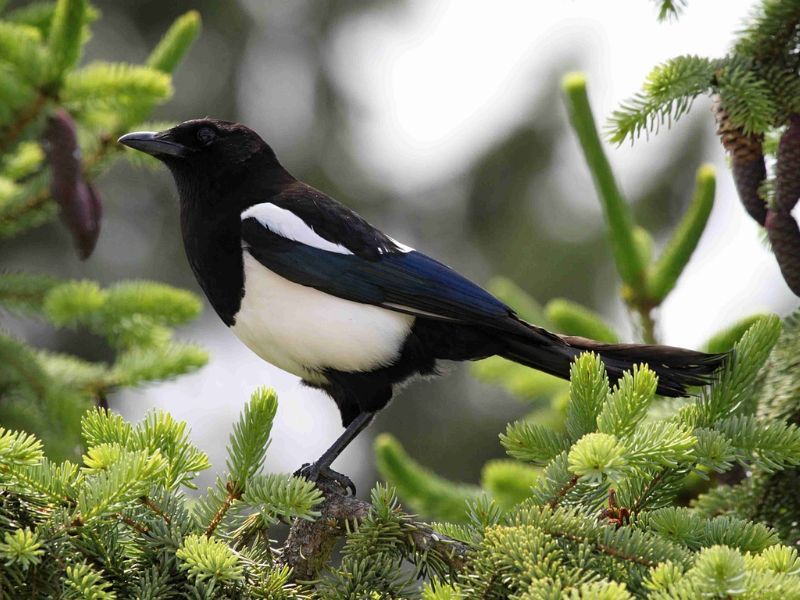
    If you've had the opportunity to interact with Australia's renowned magpies, you're aware of their remarkable intelligence. With their distinctive black and white feathers, melodious calls, and intricate social interactions, magpies exhibit a level of avian cleverness that captivates both bird enthusiasts and researchers.
    Credit: Pixaobay

    If you’ve had the opportunity to interact with Australia’s renowned magpies, you’re aware of their remarkable intelligence. With their distinctive black and white feathers, melodious calls, and intricate social interactions, magpies exhibit a level of avian cleverness that captivates both bird enthusiasts and researchers.

    However, what factors contribute to the success of these intelligent birds? Are their keen cognitive abilities inherent, predetermined by their genetic composition? Or are the smarts of magpies primarily shaped by their surroundings and social interactions?

    A recent study published in Royal Society Open Science delves into the ongoing “nature versus nurture” debate, particularly concerning avian intelligence.

    Larger social gatherings result in more intelligent birds

    Our research centered on Western Australian magpies, which differ from their eastern counterparts by residing in large, cooperative social communities year-round. We conducted a learning ability test on young fledglings, as well as their mothers.

    We crafted wooden “puzzle boards” featuring holes covered by lids of various colors. Underneath one lid per board, we concealed a delectable food reward. Each bird was individually tested to prevent them from simply mimicking their peers.

    Through trial and error, the magpies had to discern which color corresponded to the food prize. Mastery of the puzzle was achieved when the birds consistently selected the rewarded color in 10 out of 12 consecutive attempts.

    We evaluated fledglings at 100, 200, and 300 days after leaving the nest. While their puzzle-solving abilities improved with age, the cognitive performance of young magpies exhibited minimal correlation with the problem-solving skills of their mothers.

    Associative learning array with color combinations presented to fledglings at (a) 100, (b) 200 and (c) 300 days post-fledging. Each fledgling is randomly assigned a color shade as the rewarded well at each testing period. Credit: Royal Society Open Science (2024). DOI: 10.1098/rsos.231399

    Rather than genetics or maternal influence, the primary determinant of fledglings’ learning speed in selecting the correct color was the size of their social circle. Those raised in larger groups demonstrated significantly quicker mastery of the test compared to those from smaller social groups.

    Fledglings residing in groups of ten or more birds required approximately a dozen attempts to consistently identify the rewarded color. Conversely, those raised in groups of three needed over 30 attempts to establish the connection between color and food.

    The Impact of Social Environment on Cognitive Development

    Why Living in Larger Social Groups Enhances Cognitive Abilities

    The mental demands faced by social animals, such as recognizing group members and managing relationships within a complex social structure, likely contribute to the cognitive benefits observed in larger social groups.

    Magpies demonstrate the ability to recognize and remember humans, indicating their capacity for social cognition even in the wild.

    Young magpies in larger groups receive more mental exercise by navigating complex social dynamics, which may enhance their problem-solving abilities.

    These findings challenge the notion that intelligence is solely determined by genetic inheritance, emphasizing the role of environmental factors, particularly during early development.

    While our study focused on Australian magpies, its implications could apply to other socially adept and intelligent species.


    Read the original article on: Phys org

    Read more: Heat Waves Harm Bird Reproduction in Farms, Research Shows

  • Doppelgangers Share Similar Genetics and Habits

    Doppelgangers Share Similar Genetics and Habits

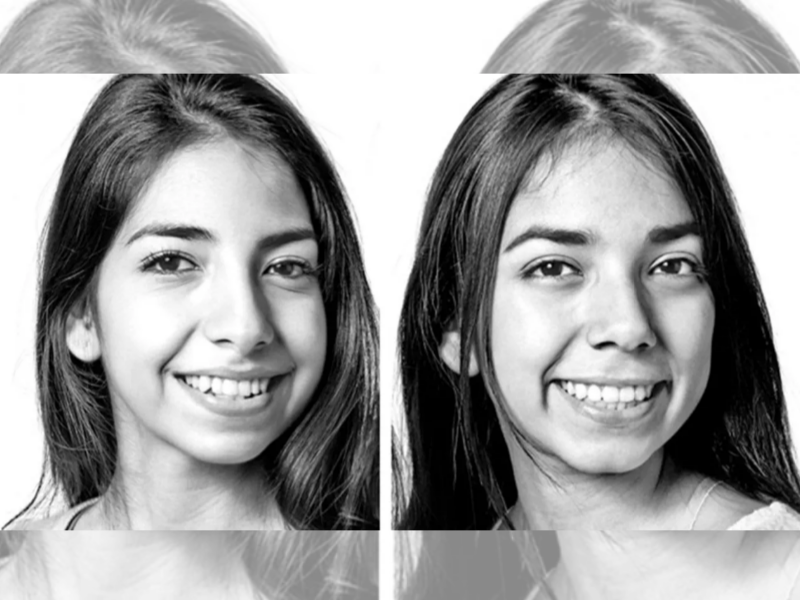
    Credit: Joshi et al., Cell Reports, 2022

    A new study by researchers in Spain reveals that human “look-alikes” who have comparable face features also tend to share many genetic resemblances, as well as also share certain lifestyle attributes.

    The research, released in the journal Cell Reports, gives some insight into the molecular genetic mechanisms that add to building of the face. The authors state these findings could become applied to forensics, by enabling predictions of facial structure from DNA.

    The experiment

    Ricky Joshi of the Josep Carreras Leukemia Study Institute in Barcelona as well as his coworkers collected headshots of 32 couples of unconnected look-alikes from the pictures of Canadian artist François Brunelle, who has been collecting photos of lookalikes since 1999.

    Joshi as well as his coworkers used three different face recognition algorithms to evaluate the photos to establish the similarities between each pair. Twenty-five of the pairs were categorized as being “very similar” by a minimum of two of the algorithms, and fifty percent were matched by all three, with scores similar to those of identical twins. They then contacted all of the people in the photographs that they had chosen as well as asked them to complete a questionnaire regarding their lifestyle and to send a sample of saliva.

    The researchers extracted DNA from the saliva examples and examined it in three different methods: They (1) compared each participant’s genome by mapping more than 4.3 million genetic variants called single nucleotide polymorphisms (SNPs); (2) took a look at the participants’ “epigenomes” by comparing over 850,000 DNA alteration sites; as well as (3) utilized RNA sequencing to compare the participants’ microbiomes.

    Look alikes, act alikes

    The analyses revealed that 9 of the 16 very comparable couples shared over 19,200 SNPs in more than 3,700 genes, and that these resemblances were not because of any shared ancestry. By contrast, there was very little similarity in their epigenomes as well as microbiomes. Furthermore, these “ultra look-alikes” also shared physical characteristics such as weight and height, as well as habits and habits like smoking as well as educational level, suggesting that the common genetic variants impact not just physical look however also way of living.

    The research is limited by the small size of the sample, which is also not representative of the world’s population. Thirteen of the look-alike couples were of European descent, and the rest 3 were East Asian, South Asian, and Hispanic. Still, it offers proof that those who look alike also act alike.


    Read the original article on Big Think.

    Read more: Quasicrystal developed during accidental electrical discharge.

  • Genome Study Finds Unexpected Variation in a Fundamental RNA Gene

    Genome Study Finds Unexpected Variation in a Fundamental RNA Gene

    A genome study carried out by Johns Hopkins Kimmel Cancer Center scientists to search for variants in a gene thought about an essential building block for microscopic structures that manufacture proteins took a shocking twist.

    Human ribosomal RNA (rRNA) genes are essential for constructing ribosomes or mechanisms that translate proteins. The study findings, to be released in the Feb. 2 issue of the journal RNA, showed that these genes were thought to be similar among people -; instead differed dramatically based upon an individual’s geographic ancestry. Specifically, high variants were found on a segment called 28S rRNA, a crucial part of the protein-translating ribosome.

    Genome study

    The team, led by Marikki Laiho, M.D., Ph.D., director of molecular radiation sciences in the Department of Radiation Oncology and Molecular Radiation Sciences, veered from their regular research study emphasis on establishing brand-new molecules that could be potentially helpful in the treatment of cancer cells to explore a basic biology concept they wanted to understand much better.

    They had developed cancer drugs that target the synthesis of ribosomal rRNAs, a unique procedure that drives cancer cells development. Without these, cancer cells can not increase. The team questioned if the rRNA gene itself was altered in cancers and how that can affect their targeting approach. Despite the value of this gene, there has been no definitive reference sequence published to date.

    Unexpected heterogeneity of ribosomal RNA genes in human populations revealed by genome studies suggests potential variation in protein translation by the ribosomes.
    Unexpected heterogeneity of ribosomal RNA genes in human populations revealed by genome studies suggests potential variation in protein translation by the ribosomes. Credit: Wenjun Fan, Ph.D.

    How was the study conducted?

    Team members set out to take a bioinformatics approach to rRNA genetics sequences, using high-performance computers at the Maryland Advanced Research Computing Center, a joint venture managed by Johns Hopkins University and the University of Maryland. To start charting cancer cells alterations, they needed to understand whether variants existed in the human populace. The rRNA gene sequence was considered “untouchable,” approximately essential that it appeared unlikely to have many variations.

    “Nevertheless, when we began that analysis, we very promptly understood that the cancer genomes were highly aberrant,” Laiho states. “For us to comprehend whether that aberration is real-; meaning that it changes in certain cancers -; we needed to understand better what a typical human gene looks like.”

    Next off, they utilized whole-genome sequencing data from the 1000 Genomes Project (a worldwide human genetics database) to examine variants in 2,504 individuals from 26 populations. They determined 3,791 variant placements on the rRNA gene. This included 470 alternative positions seen on 28S rRNA. The majority of these variations were situated on lengthy sticking-out folds of the rRNA that vary among types. These stand for positions of diversity and are potentially under continual evolution.

    The study reveals something unexpected

    “The analysis results were beyond our imagination. We saw perfect preservation of sequences over vast swaths of the gene, and after that, very variable sites in the specific locations that we anticipated to be unaltered. This suggests that the manner alternative rRNAs are developed into the ribosomes could bring about possible changes in just how the ribosome work.”, said Marikki Laiho, M.D., Ph.D., supervisor of molecular radiation sciences, Department of Radiation Oncology and Molecular Radiation Sciences

    Most of the variants observed were set apart by population. For example, some variants were much more frequent among African or Asian people versus American or European people, and the other way around. This raises the possibility that a few of the versions are ancient, ancestry-dependent, yet have been kept in modern populations, Laiho says.

    “It’s premature to hypothesize what these variants suggest; however, what is remarkable is that the population conserves them, and this indicates their retention is in some way crucial,” she says.

    The study discoveries suggest a requirement to functionally analyze how the 28S rRNA variants influence ribosome functions, which can consequently aid bring about even more targeted therapies for cancer or various other illnesses, Laiho claims.


    Originaly published in Johns Hopkins Medicine.

    Related “Advanced Cryo-EM Exposes Viral RNA Duplication Complex Structure in “Game-Changing” Detail”