Tag: Glass

  • Can Glass Replace Bone? Chinese Scientists 3D-Print Bone-like Bioglass

    Can Glass Replace Bone? Chinese Scientists 3D-Print Bone-like Bioglass

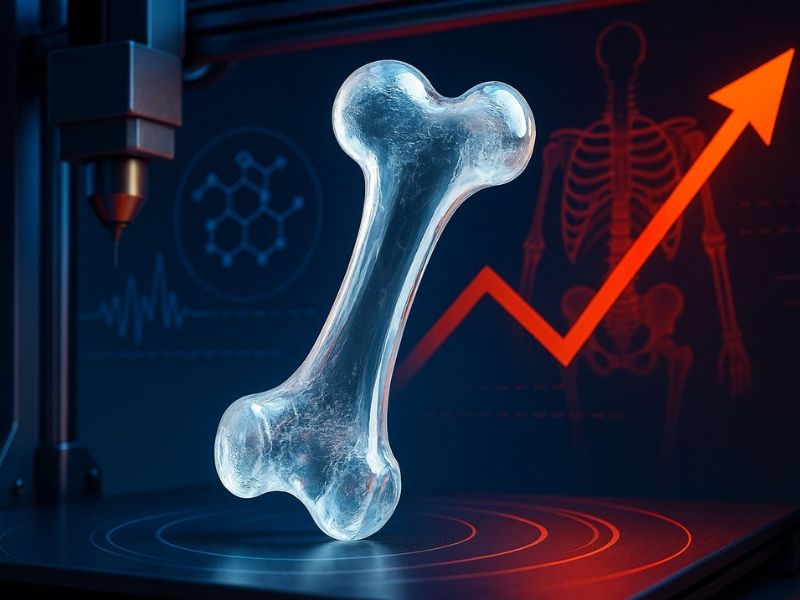
    Chinese researchers have developed 3D-printed bioglass that matches bone strength, supports cell survival for weeks, and could transform customized dental implants.
    Image Credits:Cientistas chineses criam biovidro em 3D que imita a força dos ossos, sustenta células por oito semanas e promete revolucionar implantes dentários.

    Chinese researchers have developed 3D-printed bioglass that matches bone strength, supports cell survival for weeks, and could transform customized dental implants.

    Glass is rarely thought of as a replacement for human bone, but Chinese scientists suggest it may be possible. They have created a bioactive, 3D-printable glass that replicates bone strength. Tests showed it supports cell growth longer than conventional glass and performs nearly as well as materials currently used in dental implants.

    How Glass Mirrors Bone

    Glass and bone have a key trait in common: they withstand compression more effectively than tension. This shared property has inspired new and ambitious research.

    Silica, the primary component of glass, becomes easily shapeable when molten, allowing implants to be formed to precisely match damaged skeletal areas.

    However, a major challenge remained: conventional glass 3D-printing methods rely on toxic plastic additives and temperatures exceeding 2,000°F, making them impractical for medical applications where safety and affordability are critical.

    The team led by Jianru Xiao, Tao Chen, and Huanan Wang pursued a safer approach by blending silica particles with calcium and phosphate ions—both known to encourage bone cell growth.

    Printing Without Toxic Additives

    The resulting mixture formed a printable gel that solidified at 690°C, eliminating the need for toxic additives used in traditional methods.

    To evaluate its performance, the researchers tested three materials: the new bioglass, standard silica glass, and a commercial dental bone substitute, using them to repair skull defects in rabbits.

    Although the commercial material triggered quicker early growth, the bioglass proved more durable. After eight weeks, many bone cells remained firmly bonded to the bioglass framework, while ordinary glass showed little to no cell attachment.

    The breakthrough extended beyond medicine to the manufacturing process itself. The researchers emphasized the technical advantages of their approach.

    Challenges of Conventional 3D Printing

    Traditional ceramic and glass 3D printing relies on organic binders and extremely high temperatures, driving up costs, reducing bioactivity, and posing potential toxic hazards.

    In contrast, the team used inorganic colloidal gels composed of silica nanospheres that bind through electrostatic attraction. This method enabled the creation of strong, additive-free structures, completed using relatively low heat via low-temperature sintering.

    The results were notable: the material achieved a compression modulus of about 2.3 MPa—enough to support bone. It also retained self-healing properties, improving print stability and precision.

    Promoting Real Bone Growth

    After sintering at 600°C, the printed structures remained stable, bioactive, and capable of promoting new bone growth in real-world tests.

    The researchers claim their approach opens the door to personalized, cost-effective, and high-performance implants.

    The ‘green’ inorganic 3D printing method allowed affordable production of bioglass bone substitutes while maintaining bioactivity, enhancing bone formation and integration in vivo,” the authors explained.

    They also noted that the technique could be applied beyond medicine, including in energy and machinery industries.

    The complete study appeared in the journal ACS Nano.


    Read the original article on:Clickpetroleoegas

    Read more:Astronauts Splash down on Earth after a Space Station Medical Evacuation
  • Scientists Developed Water- and Chemical-Free Self-Cleaning Glass

    Scientists Developed Water- and Chemical-Free Self-Cleaning Glass

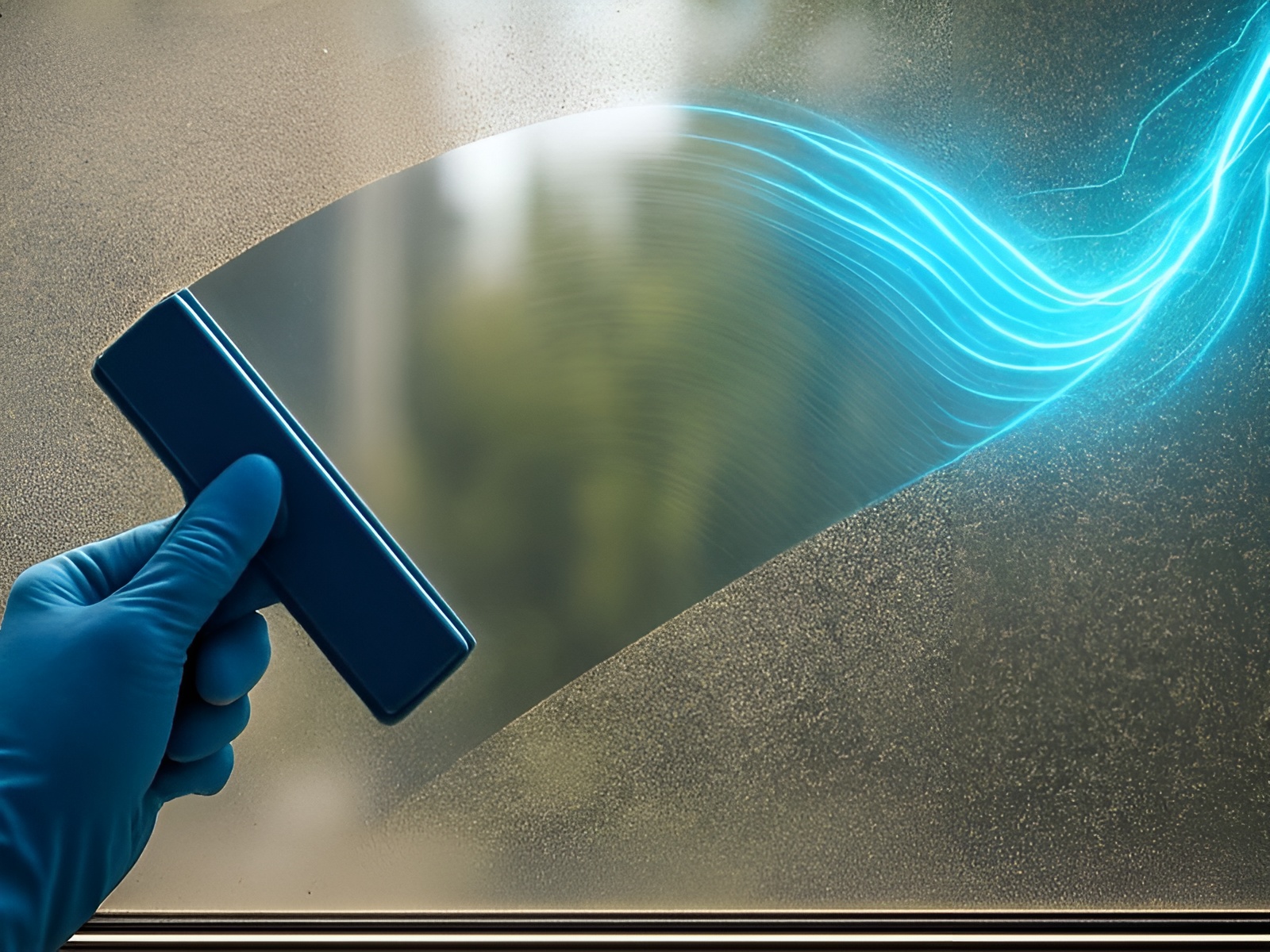
    Chinese scientists developed electromagnetic glass that repels dirt without water or chemicals. Detailed in a recent Advanced Science publication, the technology could greatly improve the efficiency of solar panels and building windows.
    Image Credits:diarioeconomico

    Chinese scientists developed electromagnetic glass that repels dirt without water or chemicals. Detailed in a recent Advanced Science publication, the technology could greatly improve the efficiency of solar panels and building windows.

    The glass uses anomalous lateral transport to control charged particle movement precisely.

    The system uses ITO electrodes and a thin PET layer to prevent discharge and protect the glass.

    Design Drives Dust Away Without Reducing Visibility

    As reported by the Zap Aeiou portal, the design actively drives airborne particles off the glass surface without affecting visibility.

    Laboratory testing showed the system could remove up to 95.34 g/m² of contaminants in just ten seconds, while preserving optical clarity, with only a 1.6% decrease in visible light transmission.

    This breakthrough is particularly important for dry regions, where dust buildup can cut solar panel output by as much as 50%.

    Electromagnetic Glass Restores Solar Efficiency in Dusty Conditions

    Using electromagnetic technology, the glass was able to restore up to 94.3% of the energy lost to dirt, maintaining efficiency above 89% even when tested with authentic desert dust.

    Beyond lowering water use for cleaning, the material could remove the need for manual upkeep in difficult locations, leading to reduced costs and less structural degradation.

    Its possible uses include glass building facades and electronic devices that depend on consistently clean surfaces.

    The researchers say the glass retains its optical quality, essential for residential and industrial use.

    Safety is ensured by the dielectric layer, which prevents electrical risks and helps limit long-term material wear.


    Read the original article on: Diario economico

    Read more: China Unveiled an AI Humanoid Robot for Traffic Control

  • Glass Beads Retain Nutrients and Prevent Water Pollution

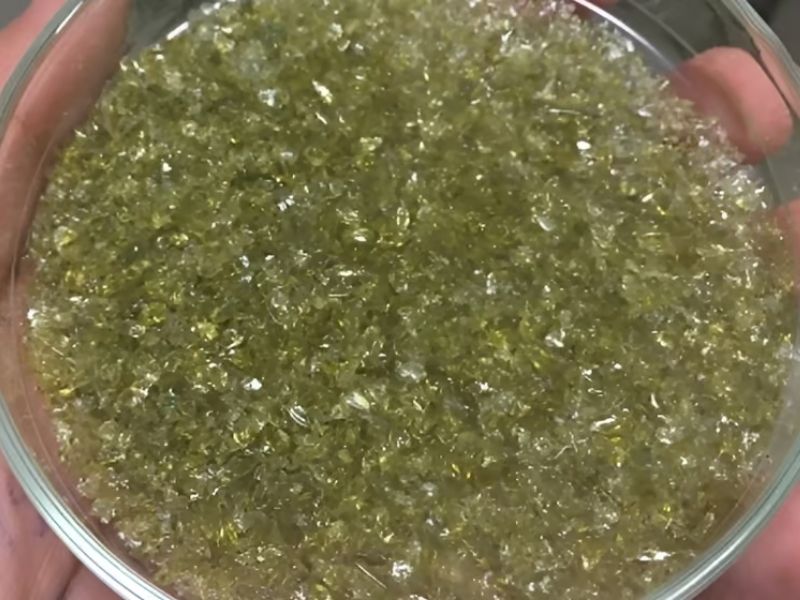
    Glass Beads Retain Nutrients and Prevent Water Pollution

    The oxide glass beads are fortified with nutrients such as phosphorus, calcium, and potassium
    Adapted from ACS Agricultural Science & Technology, 2025, DOI: 10.1021/acsagscitech.4c00243

    Tiny glass fertilizer beads could keep nutrients in the soil and out of the water

    Agricultural fertilizers are a major source of pollution, as chemicals leach out of the soil and contaminate the environment. Scientists are now working on a possible solution to this problem by developing a sustained-release fertilizer made of tiny glass beads.

    Challenges of Conventional Fertilizers

    Farmers usually apply conventional fertilizers to the soil in liquid, powder, or granular form.

    Whichever the case, the substance often doesn’t have enough time to release all of its nutrients before it either leaches into the groundwater or evaporates into the atmosphere. The former leads to water pollution and toxic events like algae blooms, while the latter results in greenhouse gases such as nitrous oxide.

    Furthermore, because much of the fertilizer’s nutrients don’t reach plant roots in a single application, farmers must apply the fertilizer multiple times to achieve full effectiveness. Not only does this task release even more pollutants into the environment, but it also adds extra work and costs for the farmers themselves.

    This is where the tiny glass beads come in.

    The Glass Beads Solution

    Developed by a team of Brazilian scientists, the beads start with a solid, water-soluble glass containing common fertilizer nutrients such as phosphorus, calcium, and potassium. The team then grinds this glass into particles ranging from 0.85 to 2 millimeters in size (for reference, sand grains range from about 0.1 to 2 mm). The idea is that as these particles dissolve in moist soil, they gradually release the nutrients.

    In greenhouse tests, the researchers fertilized plots of Palisade grass just once with either the glass beads or a liquid fertilizer containing the same nutrients in the same amounts. They then cut and harvested all of these plots 45 days later, followed by four additional harvests every 30 days, allowing the grass to grow back between each harvest.

    Although both fertilizer types resulted in an initial growth boost right after application, the bead-fertilized plots ultimately produced about 70% more biomass over the five harvests.

    Safety and Effectiveness of Glass Beads

    Importantly, the beads were harmlessly absorbed by the soil as they dissolved. In ecotoxicity tests on lettuce and onion seeds, the glass particles did not affect germination rates or cell health compared to traditional fertilizers.

    Finally, as an added bonus, the beads may also help plants grow by aerating their roots. The scientists were inspired by a previous study in which recycled bottle glass particles helped oxygenate plant roots while maintaining optimal moisture levels.


    Read the original article on: New Atlas

    Read more: Glasses With Fly-inspired Eyes Could Help The Visually Impaired Regain Clear Vision

  • Discovering the Technology To Create Unbreakable Compound Glass Screens

    Discovering the Technology To Create Unbreakable Compound Glass Screens

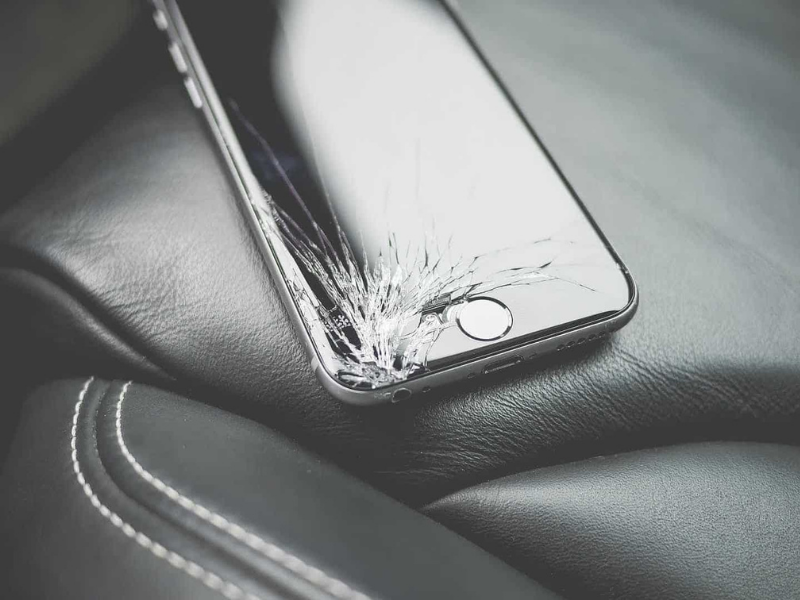
    The University of Queensland has made a groundbreaking advancement in producing composite glass, potentially eliminating the issue of cracked phone screens.

    However, Led by Dr. Jingwei Hou, Professor Lianzhou Wang, and Professor Vicki Chen, an international team of researchers has developed a method for creating next-generation composite glass for various applications, including LED lighting, smart device screens, televisions, and computer monitors.

    In fact, this breakthrough opens the door to manufacturing unbreakable glass screens with exceptional image quality. Dr. Hou emphasized that this discovery represents a significant leap forward in perovskite nanocrystal technology, as it was previously limited to lab environments with extremely low humidity levels.

    Luminating composite glass. Credit: The University of Queensland

    According to Dr. Hou, the nanocrystals used in the research, known as lead-halide perovskites, have the remarkable ability to harness sunlight and convert it into sustainable energy. This feature makes them highly promising for applications such as affordable and high-efficiency solar cells and advanced lighting solutions.

    Dr. Hou

    However Dr. Hou emphasized that these nanocrystals are incredibly sensitive to various environmental factors, including light, heat, air, and even water vapor in the atmosphere. Exposure to such elements can quickly degrade the performance of the devices.

    In fact, to address this challenge, the team of chemical engineers and materials researchers has developed a process to encapsulate or bind the nanocrystals within porous glass. However, this procedure plays a crucial role in stabilizing the materials, enhancing their efficiency, and preventing the release of harmful lead ions from the composite.

    Composite glass performance benchmarking in dry room facilities at Australian Institute for Bioengineering and Nantechnology (AIBN) at the University of Queensland. Credit: The University of Queensland

    In fact Dr. Hou expressed that the newly developed technology has the potential for scalability and offers numerous possibilities for applications.

    QLED

    Dr. Hou asserted that the current state-of-the-art technology in terms of picture display and performance is represented by QLED or quantum dot light-emitting diode screens.

    The research conducted by the team will allow for further advancements in nanocrystal technology, resulting in exceptional picture quality and durability.

    Professor Vicky Chen enthusiastically described this development as an exciting breakthrough.

    UQ research teams on this technology (from left to right: Professor Lianzhou Wang, Dr. Rijia Lin, Dr. Peng Chen, Dr. Jingwei Hou, Professor Vicki Chen, Dr. Zhiliang Wang, and Ms. Xuemei Li). Credit: The University of Queensland

    Professor Chen highlighted that the team’s efforts are focused not only on enhancing the durability of nanocrystals but also on fine-tuning their optoelectronic properties, resulting in outstanding light emission efficiency and highly desirable white light LEDs.

    To conclude, this research breakthrough signifies the advent of a new era in nanocrystal-glass compounds, with immense potential for energy conversion and catalytic applications.


    Originally published by scitechdaily.com

    Reference: “Liquid-phase sintering of lead halide perovskites and metal-organic framework glasses” by Jingwei Hou, Peng Chen, Atul Shukla, Andraž Krajnc, Tiesheng Wang, Xuemei Li, Rana Doasa, Luiz H. G. Tizei, Bun Chan, Duncan N. Johnstone, Rijia Lin, Tobias U. Schülli, Isaac Martens, Dominique Appadoo, Mark S’ Ari, Zhiliang Wang, Tong Wei, Shih-Chun Lo, Mingyuan Lu, Shichun Li, Ebinazar B. Namdas, Gregor Mali, Anthony K. Cheetham, Sean M. Collins, Vicki Chen, Lianzhou Wang and Thomas D. Bennett, 29 October 2021, Science.
    DOI: 10.1126/science.abf4460

    Read more: Detecting Organic Compounds Using Visible Light