Image Credits: Honda
Honda’s e-clutch, first unveiled in 2023, is a clever innovation that has already been integrated into the current CBR650R and CB650R models in the U.S. Now, Honda plans to extend this technology to its entry-level bikes—and for good reason.
Expanding Accessibility
The e-clutch helps new riders by enabling them to shift gears without manually operating the clutch. It essentially bridges the gap between standard manual transmissions and semi- or fully automatic motorcycles.
Now, Honda plans to equip the CL250 scrambler and Rebel 250 cruiser with the same technology—both models debuted earlier this year. While these bikes are currently exclusive to the Japanese market, the move suggests Honda’s broader plan to gradually roll out the e-clutch system across its entire motorcycle lineup.
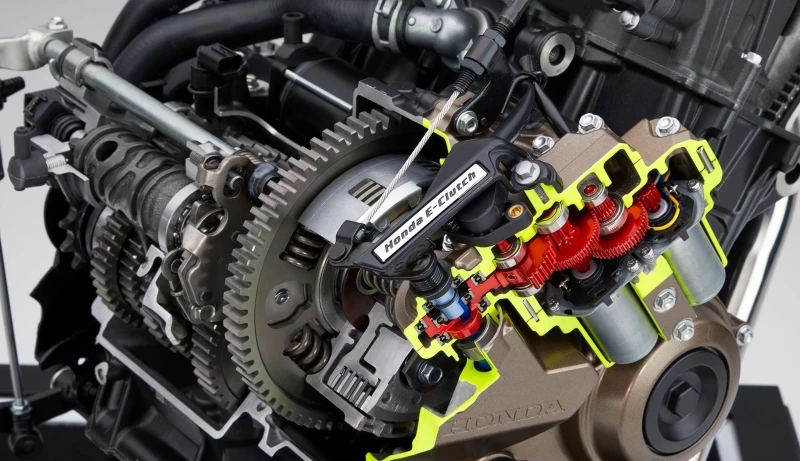
Image Credits: Honda
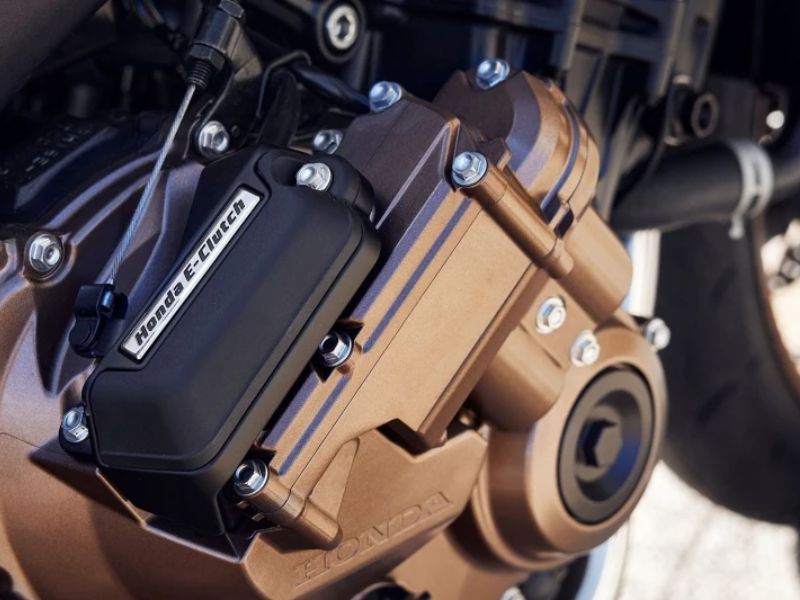
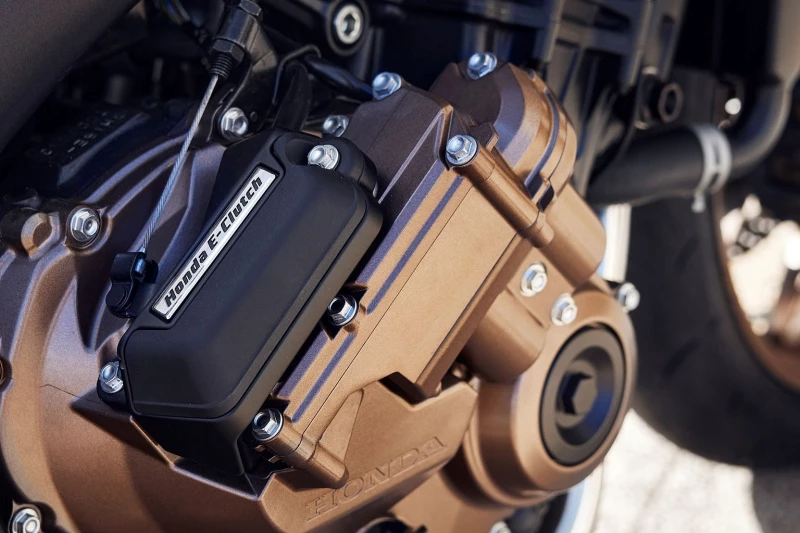
So how does the e-clutch work? It uses sensors and a motor to automatically manage the ideal half-clutch engagement, letting riders shift gears more smoothly and with less effort. Unlike other semi-automatic systems, the e-clutch eliminates the need to use the clutch lever entirely—even during braking or coming to a stop.
E-Clutch Easily Adapts to Existing Engine Platforms
What makes this technology so adaptable is Honda’s ability to retrofit it onto existing engines. Although it adds a bit of extra weight (around 6.6 pounds on the Rebel 250), the overall ride quality remains largely unaffected.
It’s worth noting that Honda’s 249cc SOHC single-cylinder engine forms the backbone of many models in both the Japanese and global markets, including the U.S. Variants like the Rebel 300, CB300R, CRF300L, CRF300LS, and CRF300L Rally use a slightly larger 286cc version of the same engine, achieved by increasing the stroke from 55 mm to 63 mm.
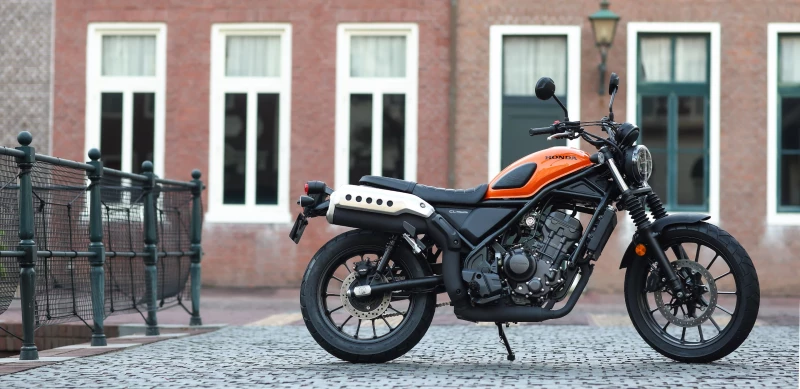
Image Credits: Honda
This suggests Honda could soon outfit all of these bikes with the e-clutch system. More importantly, adding the e-clutch likely won’t push the retail price up by much.
Affordable Upgrade
Take the Rebel 250 in Japan, for example—its e-clutch version costs only about $325 more than the standard model, a reasonable increase given the added convenience. So, if Honda brings this tech to its entry-level lineup in Western markets, it probably won’t take a big toll on your wallet.
Since both the CL250 and Rebel 250 are beginner-friendly bikes designed for easy handling and comfortable ergonomics, the upgrade makes perfect sense. It spares riders from constantly balancing the clutch and throttle in situations like stop-and-go traffic, pulling away from a stop, or braking. And once you’re on the move, it essentially works like a quickshifter for both upshifts and downshifts. Pretty slick.
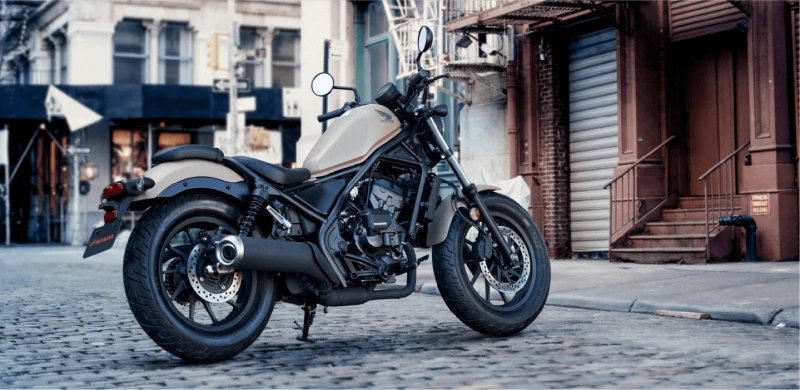
Image Credits: Honda
Read the original article on: New Atlas
Read more: YASA Ramps Up Production Of Compact, High-Performance Axial Flux Motors