
From Halloween candy to Thanksgiving pies and holiday cookies, the end of the year is filled with chances to indulge in sugar.
But what actually happens in your mouth during the first minutes and hours after eating those treats?
While most people know that excessive sugar can lead to cavities—or tooth damage—you may be less aware that bacteria immediately start feeding on those sugars to form a sticky layer called plaque on your teeth as soon as you take that first bite.
We are a team of microbiologists who research how oral bacteria lead to tooth decay. Here’s what occurs in your mouth the instant sugar enters—and how you can safeguard your teeth.
A Drop In pH
Within seconds of taking your first bite or sip of something sweet, the bacteria living in your mouth begin feeding on those sugars to grow and reproduce. As they convert sugar into energy, they generate significant amounts of acid.
Consequently, within just a minute or two of consuming sugary foods or drinks, your mouth’s acidity rises to levels capable of dissolving enamel—the mineral layer that covers and protects your teeth.

Fortunately, saliva helps protect your teeth before these acids can begin eroding their surface. It rinses away leftover sugars and neutralizes the acids in your mouth.
Your mouth also hosts other bacteria that compete with cavity-causing microbes for nutrients and space, keeping them in check and bringing acidity back to safe levels for your teeth.
However, regularly consuming sugary foods and drinks can give harmful bacteria such a boost that neither saliva nor beneficial bacteria can counteract.
An Attack on Tooth Enamel
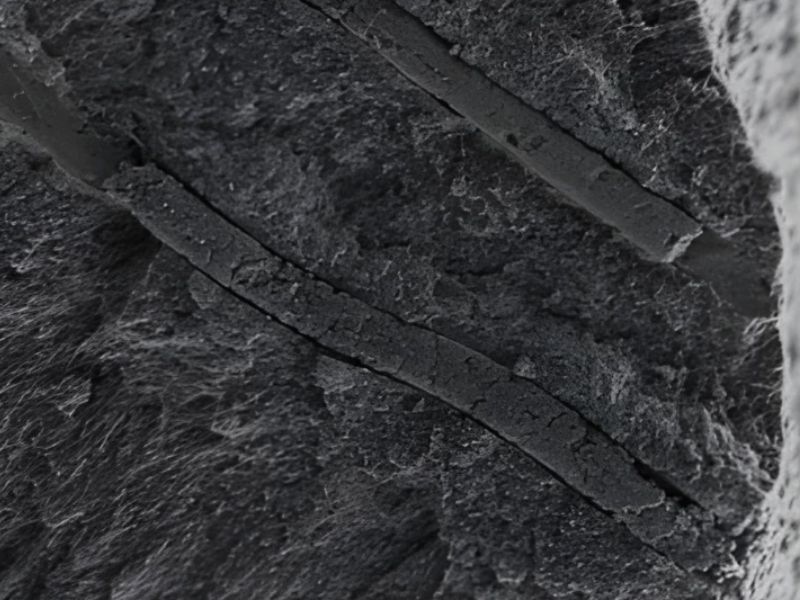
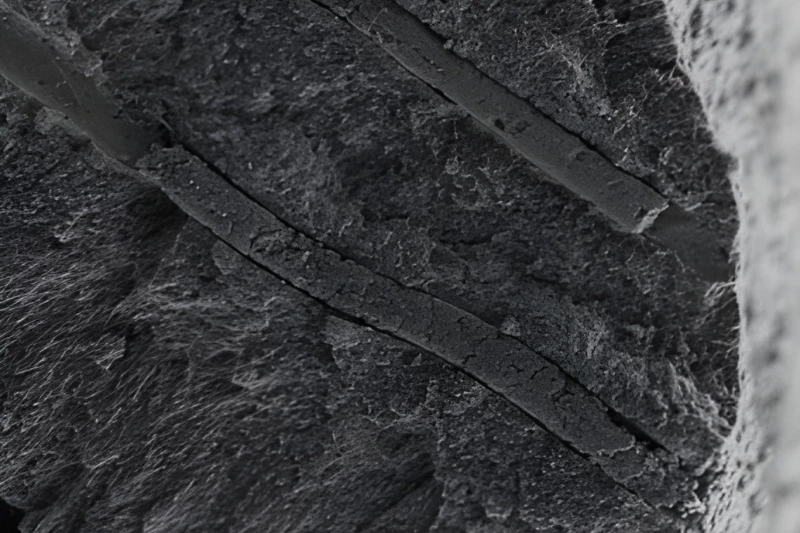
Cavity-causing bacteria also feed on sugars to create a sticky coating called a biofilm, which clings to the teeth like a protective fortress. Biofilms are difficult to remove without physical action, such as regular brushing or professional dental cleaning.
Additionally, biofilms create a physical barrier that limits what can pass through, preventing saliva from effectively neutralizing acid. To make matters worse, cavity-causing bacteria thrive in these acidic conditions, while the beneficial bacteria that combat them cannot survive.
Within these protective biofilms, cavity-causing bacteria continue to multiply, maintaining high acidity in the mouth and causing further mineral loss from the teeth until a cavity becomes noticeable or causes pain.
Ways to Safeguard Your Teeth from Sugar
Before enjoying your next sweet treat, there are several steps you can take to keep cavity-causing bacteria under control and protect your teeth.
Start by limiting the amount of sugar you consume and try to eat sugary foods or drinks with a meal. The extra saliva produced during eating helps rinse away sugars and neutralize acids in your mouth.
Also, avoid frequent snacking on sweets or sugary beverages, especially those containing table sugar or high-fructose corn syrup. Constant exposure to sugar keeps your mouth more acidic for longer periods.
Finally, brush your teeth regularly, particularly after meals, to remove as much plaque as possible, and floss daily to reach areas your toothbrush can’t access.
Read the original article on: Sciencealert