Tag: Natural

  • Scientists Create Synthetic Neurons that Function like Natural ones

    Scientists Create Synthetic Neurons that Function like Natural ones

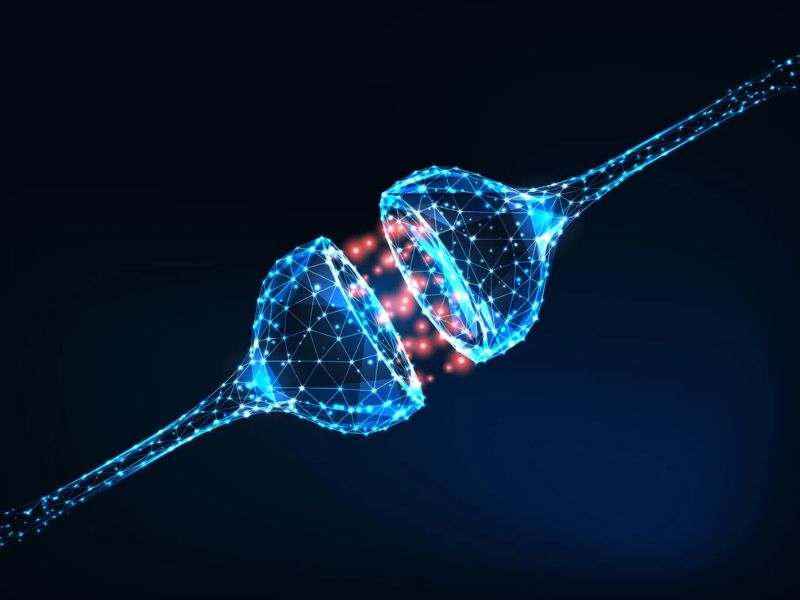
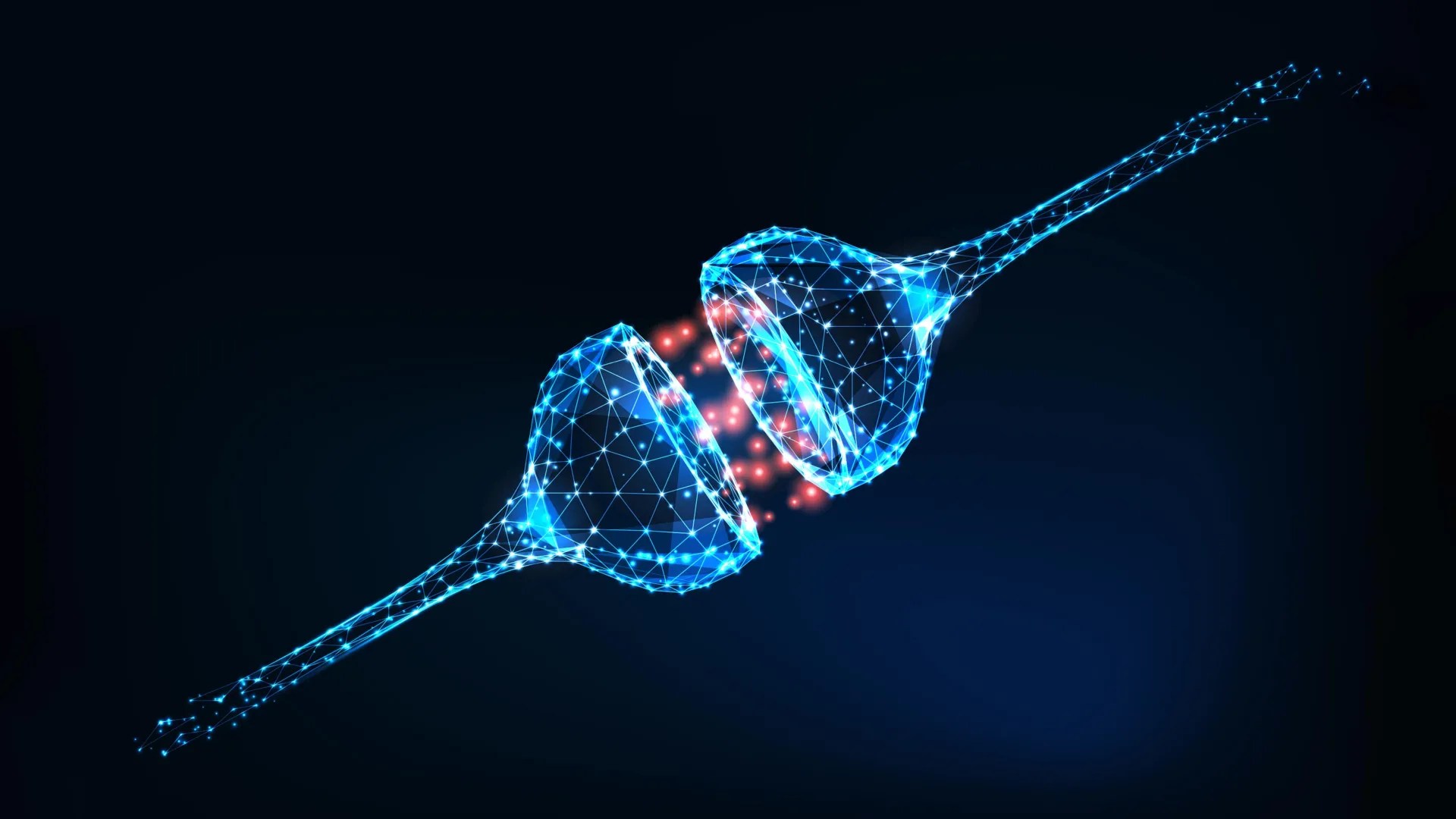
    Engineers at the University of Massachusetts Amherst have created an artificial neuron whose electrical behavior closely mirrors that of natural brain cells. This breakthrough expands on their previous work with protein nanowires derived from electricity-generating bacteria. The technique could one day let computers match the energy efficiency of living systems and connect with biological tissue.
    Image Credits:UMass engineers built living-inspired neurons from bacteria that could power the next generation of brain-like, energy-efficient technology. Credit: Shutterstock

    Engineers at the University of Massachusetts Amherst have created an artificial neuron whose electrical behavior closely mirrors that of natural brain cells. This breakthrough expands on their previous work with protein nanowires derived from electricity-generating bacteria. The technique could one day let computers match the energy efficiency of living systems and connect with biological tissue.

    Our brain processes huge amounts of information while using very little power,” says Shuai Fu, lead author of the Nature Communications study.

    The Brain’s Unmatched Electrical Efficiency

    The human body demonstrates exceptional electrical efficiency — over a hundred times greater than that of standard computer circuits. The brain alone houses billions of neurons, specialized cells that transmit and receive electrical impulses throughout the body. Writing a story uses about 20 watts in the human brain, while a large language model may need over a megawatt.

    Engineers have long sought energy-efficient artificial neurons, but matching biological voltage levels proved difficult. “Earlier designs used ten times more voltage and a hundred times more power than ours,” says Jun Yao, noting they couldn’t link with living neurons.

    Our neurons operate at just 0.1 volts — roughly the same as those in the human body,” Yao notes.

    Fu and Yao’s low-voltage neuron opens up possibilities for a wide range of applications, from bio-inspired computing architectures that mimic the brain’s energy efficiency to electronic devices capable of communicating directly with the body.

    Low-Voltage Neurons Simplify Wearable Sensors

    Today’s wearable electronic sensors are relatively bulky and inefficient,” Yao says. “Each time they detect a body signal, it must be amplified for computer processing.”. That extra amplification step increases both power use and circuit complexity. Devices built with our low-voltage neurons could eliminate the need for amplification entirely.

    The breakthrough relies on protein nanowires from Geobacter sulfurreducens, a bacterium that generates electricity. Yao’s team has used these nanowires to power small electronics, detect diseases, and even harvest energy from the air.


    Read the original article on: Sciencedaily

    Read more: A Study Suggests Gray Hair may Help Protect the Body from Cancer
  • A Bioengineered Tooth Grows in Place, Resembling a Natural one in Look and Feel

    A Bioengineered Tooth Grows in Place, Resembling a Natural one in Look and Feel

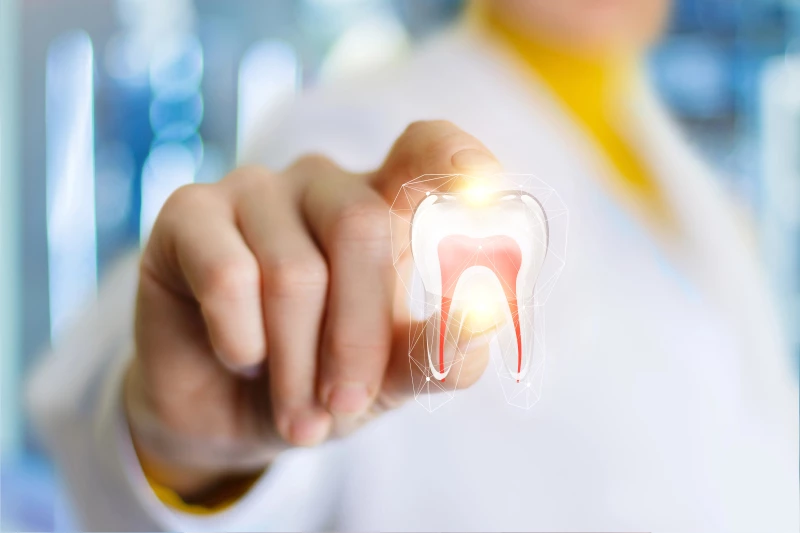
    Dental implants may resemble real teeth, but they aren't true replacements in terms of structure or function. Now, researchers have created a groundbreaking new implant that integrates with the gum tissue and connects with existing nerves, closely imitating a natural tooth's appearance and performance. Even better, the procedure is simpler and less invasive—no bone drilling is necessary.
    Image Credits: New Atlas

    Dental implants may resemble real teeth, but they aren’t true replacements in terms of structure or function. Now, researchers have created a groundbreaking new implant that integrates with the gum tissue and connects with existing nerves, closely imitating a natural tooth’s appearance and performance. Even better, the procedure is simpler and less invasive—no bone drilling is necessary.

    Researchers from Tufts University’s School of Dental Medicine and School of Medicine have created a so-called “smart” implant—an artificial tooth with a biodegradable outer coating that holds stem cells and a specialized protein designed to prompt those cells to develop into nerve tissue.

    Lack of Sensory Feedback Sets Implants Apart from Natural Teeth

    Soft tissue filled with nerves connects natural teeth to the jawbone, allowing us to sense pressure and texture and helping us regulate chewing and speaking,” explained senior author Jake Jinkun Chen, professor of periodontology at the School of Dental Medicine. “Traditional implants don’t provide that kind of sensory feedback.

    Conventional implants consist of ceramic crowns attached to titanium screw-like posts embedded in the jawbone. Although designed for long-term tooth replacement, the procedure can cause localized trauma—such as nerve damage—and the implants will always feel artificial compared to real teeth.

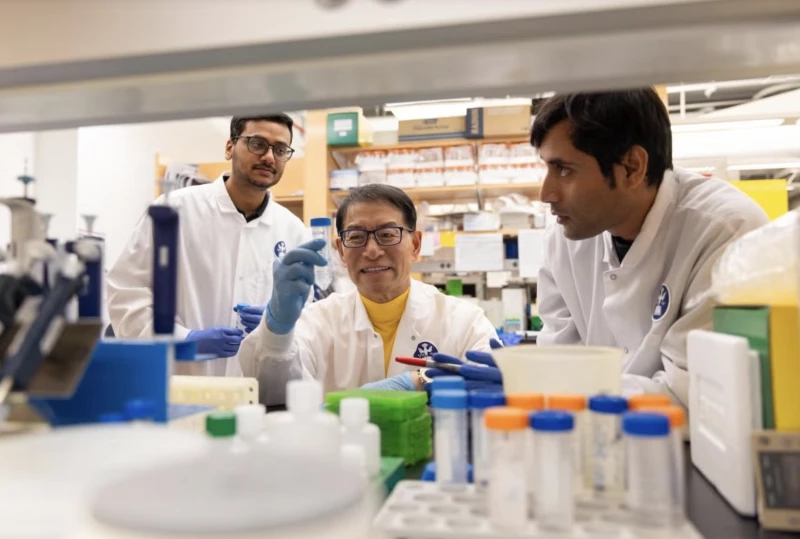
    Image Credits:Study co-authors Subhashis Ghosh, Jake Jinkun Chen, and Siddhartha Das (from left)
    Jenna Schad

    This new technology also avoids the complex surgical process typical of traditional implants. Initially smaller than the tooth it’s replacing, the implant features a coating of rubber nanofibers that expand as the material breaks down, anchoring the implant within the soft tissue of the socket rather than the bone. Over time, it grows to fully occupy the space.

    Soft Tissue Integration Marks a Shift from Traditional Bone Fusion

    Imaging showed a clear gap between the implant and the bone, indicating that integration occurred through soft tissue rather than the usual bone fusion,” noted Chen.

    As the body heals, the implant actively reconnects with nearby nerves, restoring the mouth-to-brain signaling typically lost after the removal of a natural tooth. This allows the artificial tooth to mimic real ones, detecting sensations such as texture and temperature and contributing to speech.

    A Breakthrough with Potential Beyond Dentistry

    This new implant, used with a minimally invasive procedure, actively reestablishes nerve connections, allowing it to ‘communicate’ with the brain much like a natural tooth,” said Chen. “This advancement could also revolutionize other types of bone implants, including those used in hip replacements or fracture repairs.

    Although still in early development, the implant has been successfully tested in rodents, where it proved biocompatible and functioned like a natural tooth six weeks post-surgery. The next step for researchers is to study the rodents’ brain activity to determine how effectively the implant’s new nerve connections integrate with existing neural pathways.

    Future phases will involve testing the implant on larger animal models, followed by clinical trials in humans.

    Despite some progress in bone regeneration—particularly in Japan—scientists have yet to find a way for humans to naturally regrow lost or extracted teeth.


    Read the original article on: New Atlas

    Read more:First-ever Tooth-regrowing Drug to be Administered to Humans in September