
Tesla has officially begun offering driverless rides in Model Y SUVs in Austin, marking a major milestone a decade after CEO Elon Musk first pledged to launch autonomous ride services—many of which failed to materialize until now.
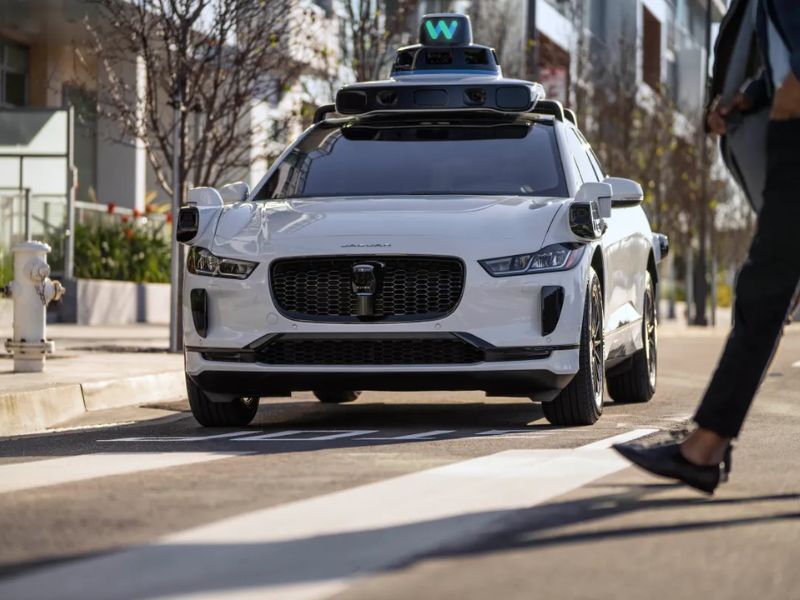
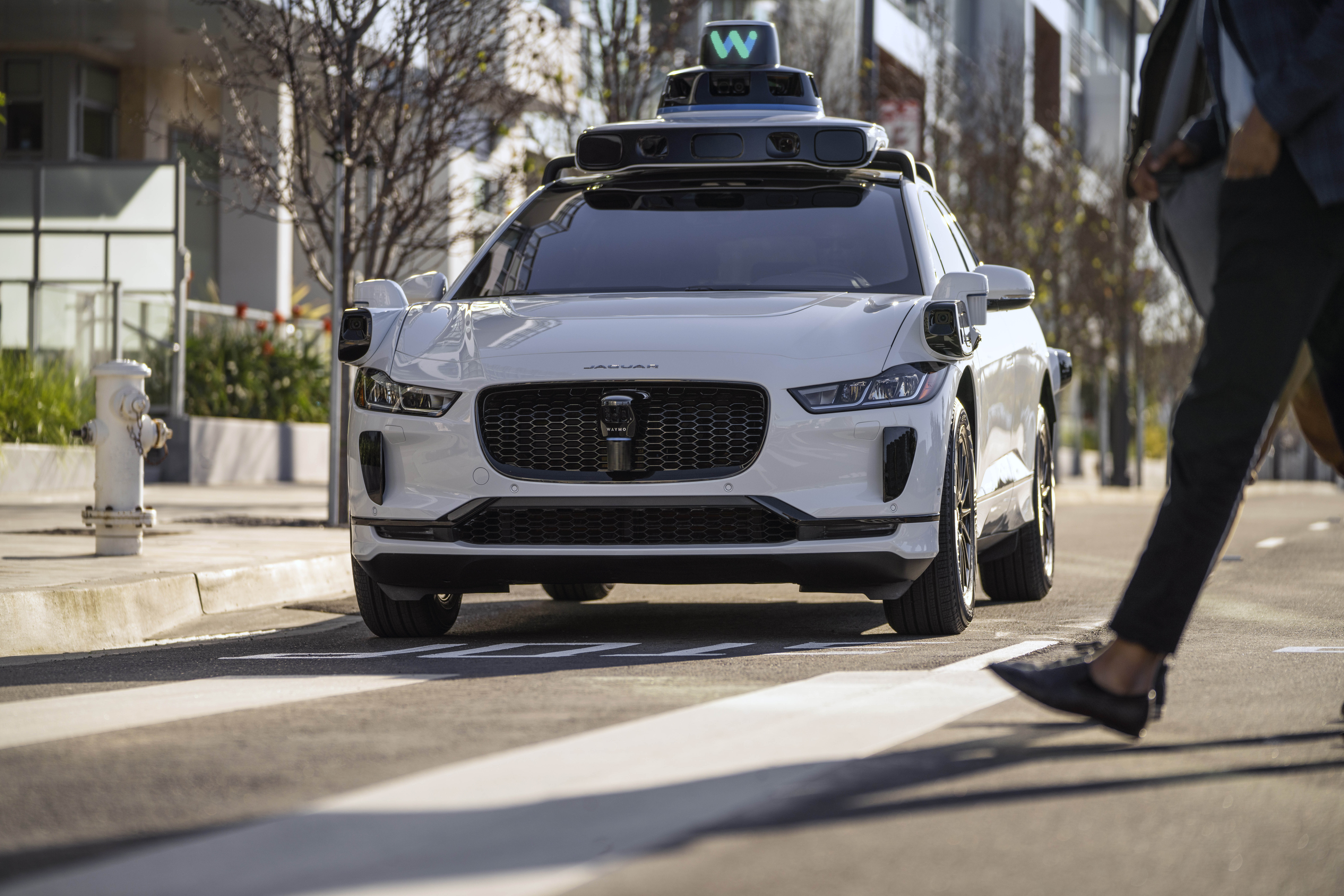
This limited rollout will serve as the first significant test of Musk’s strategy to achieve full autonomy using only cameras and end-to-end AI, setting Tesla apart from competitors like Waymo, which use a mix of sensors and mapping.
Tesla Quietly Launches $4.20 Robotaxi Rides in Austin, Inviting Select Supporters via X
On Sunday, social media videos and local sources confirmed the launch, revealing that rides are available for a flat $4.20 fee. Tesla had quietly sent early-access invites to select users in the past week, allowing them to download a new robotaxi app and start using the service. The total number of participants remains unknown, though many seem to be active Tesla advocates on Musk’s social platform, X.
Tesla also launched a robotaxi information page on June 22, outlining service hours—daily from 6 a.m. to midnight—with operations potentially halted during bad weather. Each ride will include a Tesla employee in the front passenger seat acting as a “safety monitor.”
The page provides basic rider guidance, such as how to download the app or report lost items, but lacks the detailed transparency Waymo typically offers.
For now, the service is limited to a small fleet of around 10 Model Y vehicles operating in a specific area of South Austin. This matches reports from Ed Niedermeyer, a Tesla critic and co-host of The Autonocast, who is in Austin observing the pilot program.
Neidermeyer discovered what seems to be Tesla’s robotaxi staging area—a plain, tree-lined parking lot near Oltorf Street in South Austin. On the day before the launch, he observed several driverless Model Y vehicles, each with a Tesla employee in the driver’s seat, entering and exiting the lot. Additional Model Ys, many bearing manufacturer plates, were also parked there.
Tesla Robotaxi Abruptly Brakes Near Police, Raising Questions About Vehicle Behavior
The following morning, he spotted Tesla-branded Model Y robotaxis departing from the same location—this time with employees sitting in the front passenger seat. One vehicle, which hadn’t yet picked up a passenger, abruptly braked twice, including once in the middle of an intersection. The reason for the sudden stops is unclear, but a video reviewed by TechCrunch and later posted on YouTube shows both incidents happened as the Tesla passed by nearby police vehicles parked along the roadside.
Before the launch, Elon Musk offered only scattered details about Tesla’s robotaxi service through interviews and posts on X. Most of what’s known has come from devoted supporters, not official channels.
Tesla has also worked to limit public disclosure. The company tried to block TechCrunch and Reuters from obtaining records from TxDOT and the city of Austin, citing trade secrets and confidential business information.
A key feature of the rollout is the use of a human “safety monitor” in the front passenger seat. Their role remains vague, though they may have emergency override capabilities. Unlike rivals like Waymo and Cruise, who placed safety drivers behind the wheel during testing, Tesla is using this setup during public operations.
Tesla Launches Robotaxi Service with Model Y SUVs and New “Unsupervised” FSD, Camera Use Limited
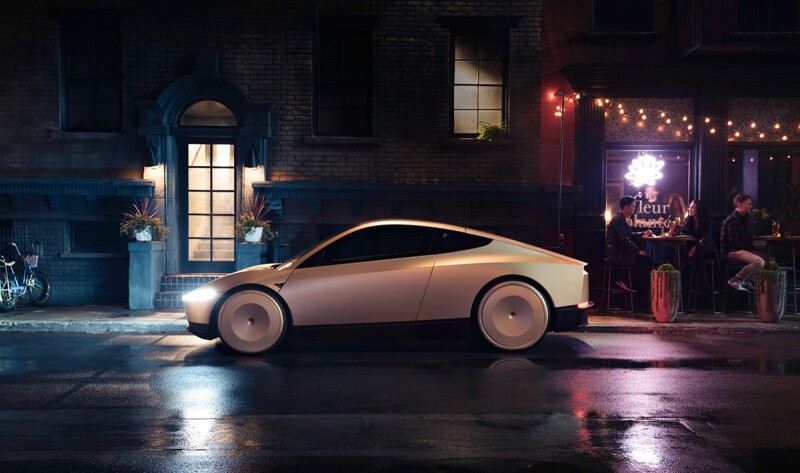
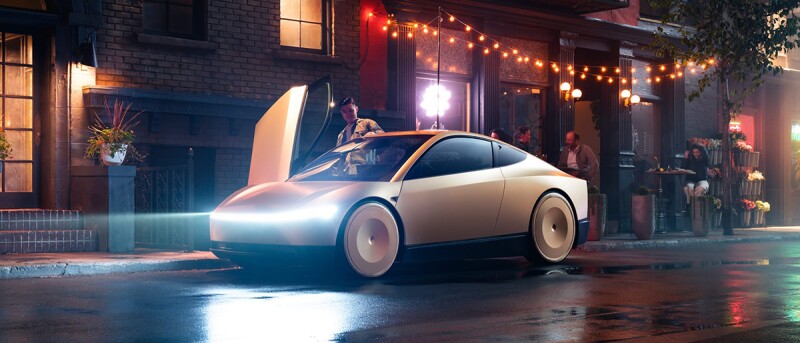
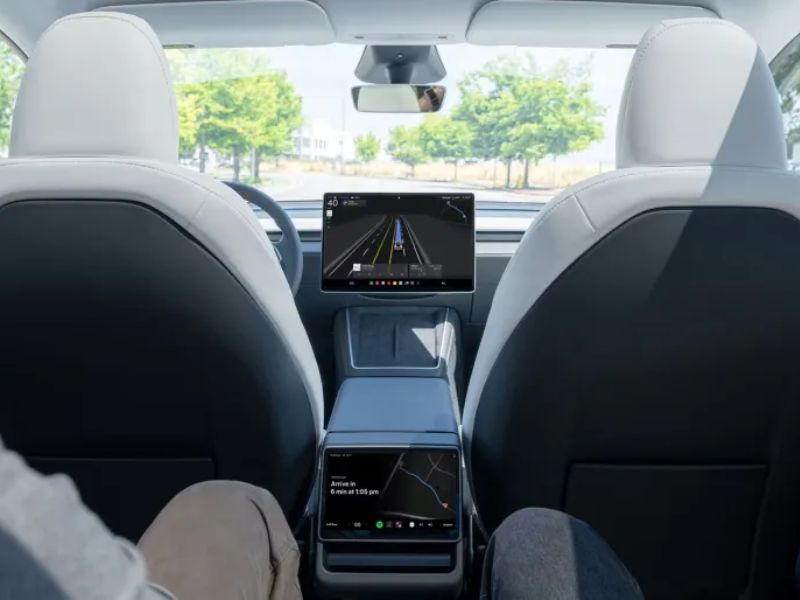
The robotaxi fleet consists of 2025 Model Y SUVs running a new “unsupervised” Full Self-Driving software—not the “Cybercabs” unveiled in late 2024. Tesla’s in-cabin camera is off by default and will only activate during emergencies or post-ride diagnostics.
Early riders are encouraged to document their experience but face suspension if they share content showing rule violations like smoking, drinking, or misuse of the service.
Tesla executives celebrated the launch on X, with Musk calling it the result of a decade of work. Despite the fanfare, at least one rider required remote assistance during a trip, though they later reported a smooth experience overall.
Read the original article on: TechCrunch
Read more: Tesla Submits New Robotaxi Trademark Applications Following Stalled Earlier Effort