Tag: Scans

  • 10,000 Brain Scans Explain How Aging Impairs Memory

    10,000 Brain Scans Explain How Aging Impairs Memory

    Episodic memory—the ability to remember personal experiences and past events—tends to weaken with age. While this decline is well documented, the underlying mechanisms have long been unclear. A recent study helps shed light on how and why this process occurs.
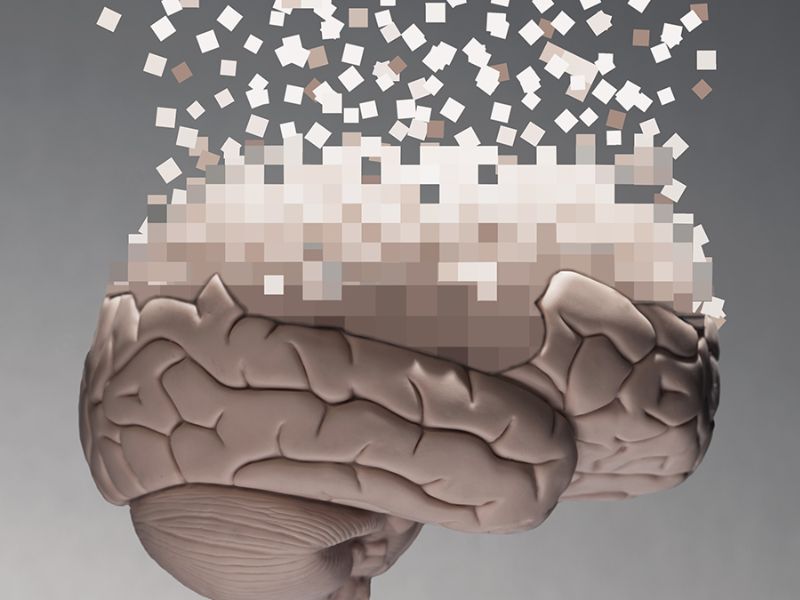
    Image Credits:(PM Images/Stone/Getty Images)

    Episodic memory—the ability to remember personal experiences and past events—tends to weaken with age. While this decline is well documented, the underlying mechanisms have long been unclear. A recent study helps shed light on how and why this process occurs.

    A team at the University of Oslo studied whether age-related memory loss is universal or influenced by individual risk factors like the APOE ε4 gene.

    A Massive, Multi-Cohort Research Effort

    Their analysis was notable for its scale. The researchers analyzed data from 3,737 healthy adults, including 10,343 MRI scans and 13,460 memory tests from multiple long-term studies.

    By pooling data from dozens of cohorts, researchers have created the most detailed view yet of how age-related brain changes affect memory, says neurologist Alvaro Pascual-Leone.

    Image Credits:The researchers looked for links between brain structural changes and memory decline. (Vidal-Piñeiro et al., Nat. Commun., 2025)

    The findings revealed a nuanced pattern. Although the hippocampus—a region crucial for learning and memory—played a prominent role, as anticipated, declines in memory could not be attributed to changes in any single brain region alone.

    Decreases in brain tissue volume were associated with poorer episodic memory, a predictable result, but this relationship varied considerably. The link became more pronounced with advancing age, particularly after 60, and was strongest among individuals experiencing faster-than-average brain shrinkage.

    The Impact of APOE ε4 on Brain Shrinkage and Memory

    Participants carrying the APOE ε4 gene showed a more rapid reduction in brain tissue volume and a steeper decline in memory than others, though the overall progression followed a similar course.

    According to Alvaro Pascual-Leone, cognitive and memory decline are not merely inevitable outcomes of aging, but reflect a combination of individual susceptibility and age-related biological processes that facilitate neurodegeneration and disease.

    The results generate new questions while also providing important insights. Overall, they suggest memory decline is closely linked to aging, with brain changes becoming increasingly important over time.

    The findings also carry implications for efforts to slow or prevent memory loss. Effective treatments will likely need to address multiple brain regions and may offer the greatest benefit if introduced early. Encouragingly, the same therapies may work for people with or without the APOE ε4 gene due to shared underlying biology.

    Memory Decline Is Shaped by Multiple Interacting Factors

    Evidence is mounting that memory loss later in life is shaped by a range of interacting factors within broader cognitive functioning. As researchers deepen their understanding of these influences, opportunities to manage and mitigate decline improve.

    Alvaro Pascual-Leone notes that memory decline reflects broad, long-term brain vulnerability rather than a single region or gene, and understanding this could help identify at-risk individuals and develop targeted strategies to preserve cognitive health.


    Read the original article on: Sciencealert

    Read more:Russian Scientists Test a Plasma Engine that could Shrink Mars Travel to 30 Days
  • Brain Scans May Assist in Regaining Movement After Paralysis

    Brain Scans May Assist in Regaining Movement After Paralysis

    A brain cap paired with intelligent algorithms could potentially allow paralyzed patients to translate their thoughts into movement—without the need for surgery.
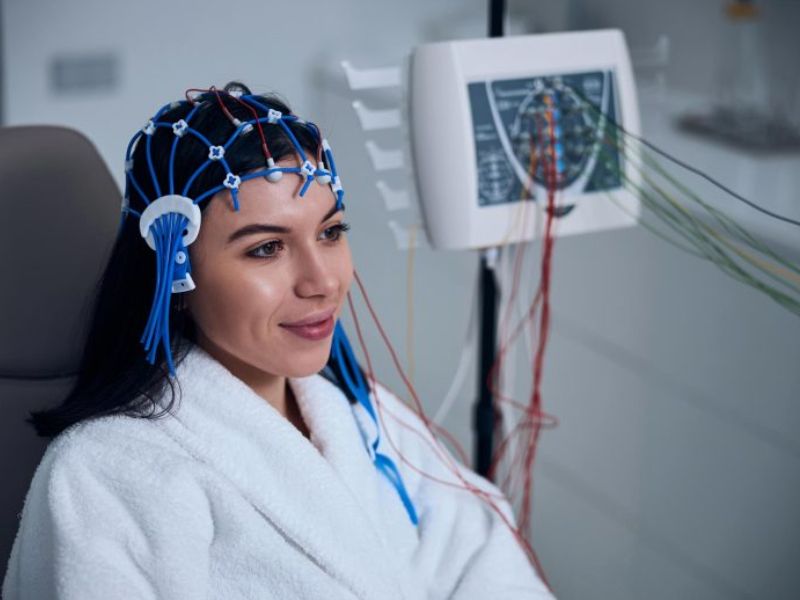
    Researchers are testing whether simple EEG headsets can read the brain’s “move” signals and send them past spinal cord injuries to restore movement. The technology isn’t perfect yet, but it may offer a safer, noninvasive path toward walking again. Image Credits: Shutterstock

    A brain cap paired with intelligent algorithms could potentially allow paralyzed patients to translate their thoughts into movement—without the need for surgery.

    Individuals with spinal cord injuries frequently lose partial or full movement in their arms or legs. Often, the nerves in the limbs remain functional, and the brain still generates normal signals. The issue lies in the spinal cord injury, which disrupts communication between the brain and body.

    Scientists are now investigating methods to restore these signals without directly repairing the spinal cord.

    Decoding Movement Intent Through Brain Scans

    In a study published today (January 20) in APL Bioengineering by AIP Publishing, researchers from universities in Italy and Switzerland investigated whether electroencephalography (EEG) could connect brain activity to limb movement. They explored whether this noninvasive technology could detect the brain’s movement signals and make them functional again.

    When a person tries to move a paralyzed limb, the brain still generates the same electrical patterns as it would for normal movement. If these signals can be captured and interpreted, they could be relayed to a spinal cord stimulator, which might then activate the nerves controlling that limb.

    Scientists in Italy and Switzerland are exploring a new way to help people with spinal cord injuries move again—without brain surgery. Their idea is to use EEG headsets, which read brain activity from the scalp, to capture the signals the brain still sends when someone tries to move a paralyzed limb. Image Credits: Toni et al.

    Reasons to Avoid Brain Implants

    Much of the previous work in this area has used surgically implanted electrodes to directly capture movement-related brain signals. While effective, the researchers aimed to determine if EEG could provide a safer option.

    EEG systems consist of caps with multiple electrodes that record brain activity from the scalp. Though they may seem complex, the team notes they carry far less risk than inserting hardware into the brain or spinal cord.

    “Implants can lead to infections and require additional surgery,” explained author Laura Toni. “We wanted to see if that risk could be avoided.”

    Signals from an EEG monitoring device could be used to send brain signals to a spinal cord stimulator, helping paralyzed patients control their limbs more effectively. Image Credits: Laura Toni

    Challenges of EEG Technology

    Detecting movement signals with EEG comes with major technical challenges. Since the electrodes rest on the scalp, they struggle to pick up activity from deeper brain regions, making some movements harder to read than others.

    Signals for arm and hand movements are easier to capture because they originate near the brain’s surface. In contrast, signals for leg and foot movements are more difficult to decode since they arise from deeper, more central areas.

    “The brain controls lower limb movements mainly in the central region, while upper limb movements are closer to the surface,” explained Toni. “This makes it easier to map and decode signals from the upper limbs than from the lower ones.”

    Using Machine Learning to Interpret Brain Signals

    To interpret the limited EEG data, the researchers applied a machine learning algorithm capable of handling small, complex datasets. During experiments, participants wore EEG caps while trying to perform simple movements. The team captured the resulting brain activity and trained the algorithm to organize and classify the signals.

    The system could consistently detect when a person intended to move versus when they did not, but it had difficulty differentiating between specific types of movements.

    Next Steps

    The researchers believe their method can be enhanced through further development. Future efforts will aim to improve the algorithm’s ability to recognize specific actions like standing, walking, or climbing, and to investigate how these decoded signals might trigger implanted stimulators in patients recovering from injury.

    If successful, this approach could bring noninvasive brain scanning closer to enabling people with spinal cord injuries to regain functional movement.


    Read the original article on: SciTechDaily

    Read more: AI Glasses Help the Visually Impaired Navigate Safely