Tag: Uber

  • Uber Is Making a New Attempt at Drone Delivery

    Uber Is Making a New Attempt at Drone Delivery

    Image Credits:Flytrex / Flytrex

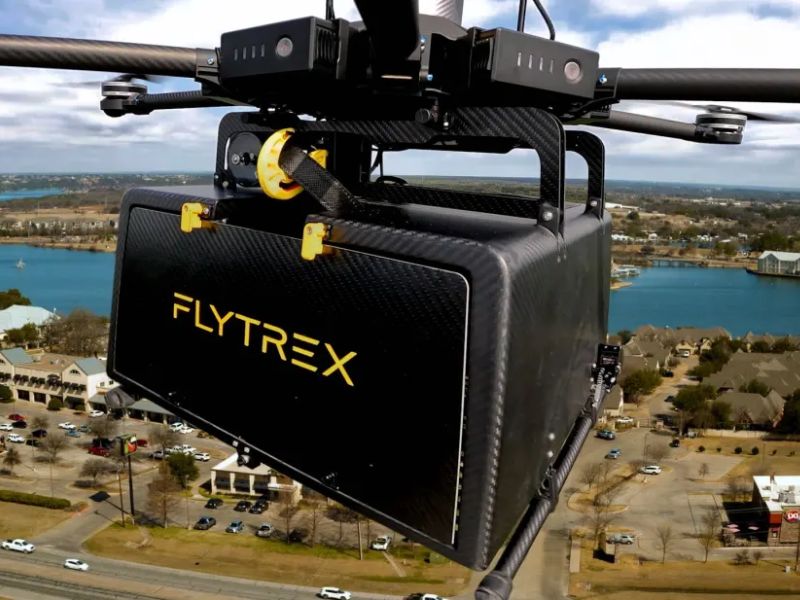
    By the end of the year, Uber plans to pilot drone deliveries for Uber Eats in select U.S. markets through a new partnership with Israeli startup Flytrex. As part of the collaboration, Uber will also make a minor investment in Flytrex, though it told Bloomberg News the amount is not significant.

    Strategic Partnerships Replace In-House Tech Development

    The agreement marks a significant step as Uber doubles down on its strategy to integrate advanced transportation technologies—many of which it initially pursued through in-house development. After scaling back its internal autonomous vehicle division in recent years, the company has shifted toward strategic partnerships with established leaders in the field.

    Notably, Uber has teamed up with companies like Waymo to offer self-driving ride services in select markets, including Atlanta, signaling a renewed push to bring autonomous mobility into the mainstream. In parallel, Uber is also looking skyward: the company has announced plans to introduce electric air taxis on its platform within the next few years, positioning itself at the forefront of the emerging urban air mobility sector.

    These initiatives underscore Uber’s broader ambition to evolve beyond traditional ride-hailing and become a multi-modal transportation platform powered by cutting-edge technology.

    Drone Deliveries Take Flight Again as Regulations Loosen and New Partners Emerge

    Uber first experimented with drone food deliveries back in 2019, but the idea was abandoned due to strict drone regulations. The company eventually sold its “Elevate” aviation division to air taxi firm Joby.

    Now, with regulations around new aircraft technologies easing, companies like Zipline are pushing to make drone delivery more common. Flytrex, which also partners with Uber Eats rival DoorDash, claims to have completed “over 200,000 deliveries” across the U.S.


    Read the original article on: Tech Crunch
    Read more: Meta Unveils the Smart Glasses of Your Dreams

  • Uber Invests Millions in Lucid and Nuro for Premium Robotaxis

    Uber Invests Millions in Lucid and Nuro for Premium Robotaxis

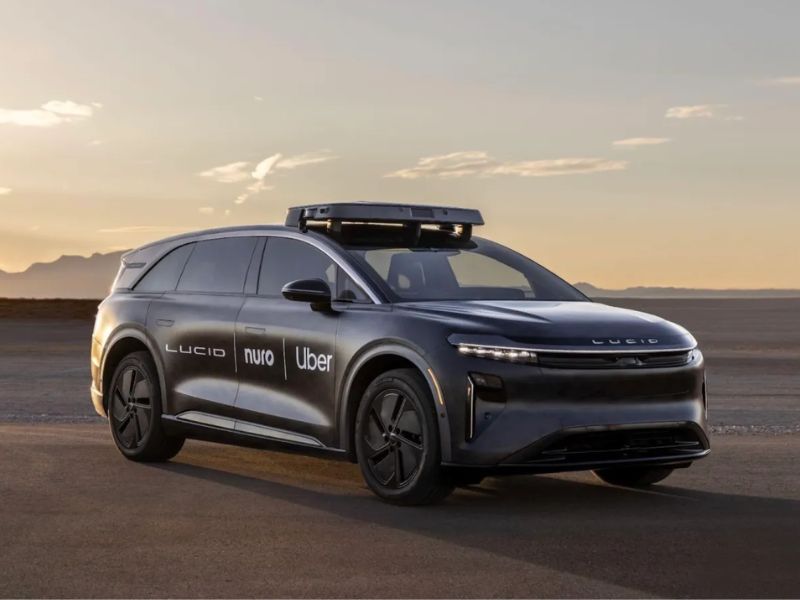
    Uber is pouring hundreds of millions into EV maker Lucid and self-driving tech startup Nuro to launch a premium robotaxi service.
    Image Credits: Techcrunch

    Uber is pouring hundreds of millions into EV maker Lucid and self-driving tech startup Nuro to launch a premium robotaxi service.

    As part of the deal, Uber will invest $300 million in Lucid and buy at least 20,000 Gravity SUVs over six years. Uber and its partners will operate vehicles equipped with Nuro’s self-driving tech, launching service in a major U.S. city next year.

    Production of the custom Lucid Gravity models is set to begin in late 2026. Uber is also investing a larger, undisclosed sum—described as a “multi-hundred-million dollar” figure—into Nuro.

    The partnership took about a year to finalize, Nuro co-founder and president Dave Ferguson told TechCrunch.

    Uber Took a Deep Dive Before Choosing Nuro as Robotaxi Partner

    That likely speaks to the depth of the deal,” he said, noting that Uber was serious about making a major investment in a robotaxi program and evaluated nearly every autonomous vehicle company before deciding.

    We were excited to ultimately be the partner they selected,” Ferguson added.

    Ferguson noted that engineers at Lucid and Nuro have already made headway on the project, including testing a prototype autonomous vehicle on a closed track at Nuro’s proving grounds in Las Vegas.

    He said Lucid’s Gravity SUVs are ideal since they have the hardware redundancies required for Level 3 automation.

    Lucid’s Built-In Redundancies Smooth the Path to Level 4 Autonomy

    The final product, however, will be a Level 4 vehicle, capable of fully autonomous driving under certain conditions without any human input. Ferguson added that the built-in redundancies made it “almost a delight” to integrate Nuro’s self-driving technology into the Gravity SUVs.

    In the past two years, Uber has partnered with AV tech firms to explore various real-world self-driving applications. The company now works with more than 18 partners worldwide across ride-hailing, delivery, and freight. This year, Uber announced partnerships with May Mobility, Volkswagen, and Chinese AV firms Momenta, WeRide, and Baidu.

    Uber’s most prominent U.S. partnership is with Waymo, currently operating “Waymo on Uber” services in Austin and Atlanta.

    This latest deal highlights the scale of Uber’s financial commitment to gaining a strong foothold—and potentially a leadership role—in the rapidly evolving autonomous vehicle industry.

    The deal validates Nuro, which has raised over $2 billion since 2016. Originally, Nuro focused on building a fleet of low-speed delivery robots using its autonomous driving technology. After burning cash and facing funding challenges, the company laid off staff in 2022 and 2023.

    Last year, Nuro shifted to licensing its autonomous tech, dropping its delivery bots to focus on automakers and mobility providers. This move, the company said, extended its financial runway from 1.5 to 3.5 years.

    Still, Nuro needed a major licensing deal to prove the strategy was working. According to Ferguson, the Uber partnership—and others reportedly in development—shows that the pivot is beginning to pay off.


    Read the original article on: Techcrunch

    Read more:SpaceX to Launch Amazon’s Kuiper Satellites Despite Rivalry

  • Uber Leads Atlanta’s Autonomous Transport Market

    Uber Leads Atlanta’s Autonomous Transport Market

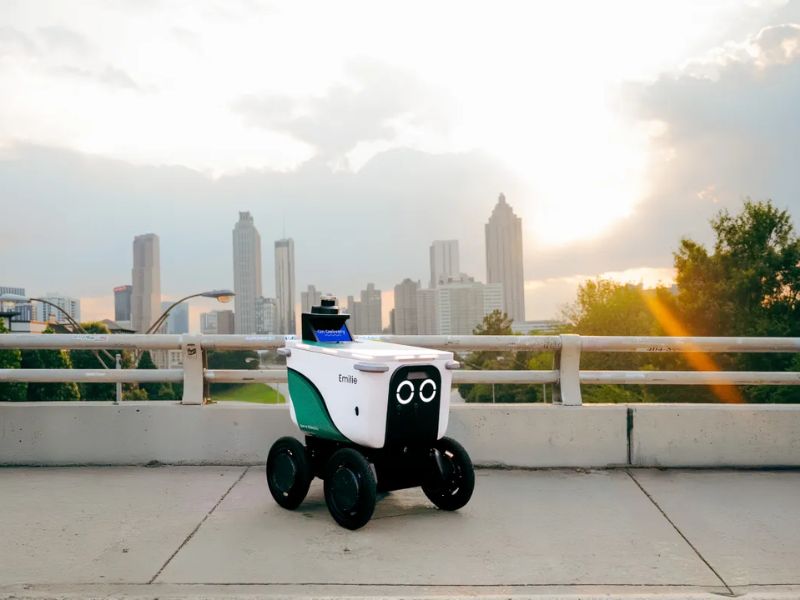
    Uber Eats customers in Atlanta now have the option to receive their meals via sidewalk delivery robots, following the Thursday rollout by Serve Robotics. This launch comes just two days after Uber and Waymo introduced a commercial robotaxi service in the city.
    Image Credits:Techcrunch

    Uber Eats customers in Atlanta now have the option to receive their meals via sidewalk delivery robots, following the Thursday rollout by Serve Robotics. This launch comes just two days after Uber and Waymo introduced a commercial robotaxi service in the city.

    Serve Robotics, which spun out from Uber in 2021 and went public last year, is one of 18 autonomous vehicle companies that Uber has partnered with to gain a head start in consumer-facing autonomy. Uber reports that its platform now supports an annual run rate of 1.5 million autonomous rides and deliveries.

    Serve Targets Urban Expansion with Atlanta as Fourth Launch City

    Atlanta becomes the fourth city where Serve has launched commercially with Uber, after previous debuts in Los Angeles, Miami, and Dallas–Fort Worth. While many competitors focus on scaling operations on college campuses, Serve is concentrating solely on dense urban areas. CEO Ali Kashani explained to TechCrunch that city sidewalks present greater technical challenges but also offer higher revenue opportunities.

    Serve hasn’t revealed how many robots it deployed for the Atlanta launch. However, the company aims to scale from its current fleet of around 100 robots in Los Angeles to 2,000 across several U.S. cities by the end of 2025.

    Robot Deliveries Now Available Across Metro Atlanta, with More Areas to Come

    According to a Serve spokesperson, Uber Eats customers across metro Atlanta—including Midtown, Old Fourth Ward, and Downtown—can now receive robot-delivered orders, with future plans to expand coverage. Uber says the service will operate daily from 9 a.m. to 10 p.m.

    Restaurants participating in the Atlanta rollout include Rreal Tacos, Ponko Chicken, and Shake Shack.


    Read the original article on:Techcrunch

    Read more:LinkedIn CEO says AI Writing Tool fell Short of Expectations

  • Uber Launches a Simplified Account For Older Adults

    Uber Launches a Simplified Account For Older Adults

    Uber has introduced a new account option called Senior Accounts, designed specifically for older users. These accounts focus on a more user-friendly experience, offering features such as ride updates for family members, saved destinations, and the ability to pay using a relative’s card.
    Image Cretdits: Pexels

    Uber has introduced a new account option called Senior Accounts, designed specifically for older users. These accounts focus on a more user-friendly experience, offering features such as ride updates for family members, saved destinations, and the ability to pay using a relative’s card.

    Simplified Interface Designed for Easy Use and Better Accessibility

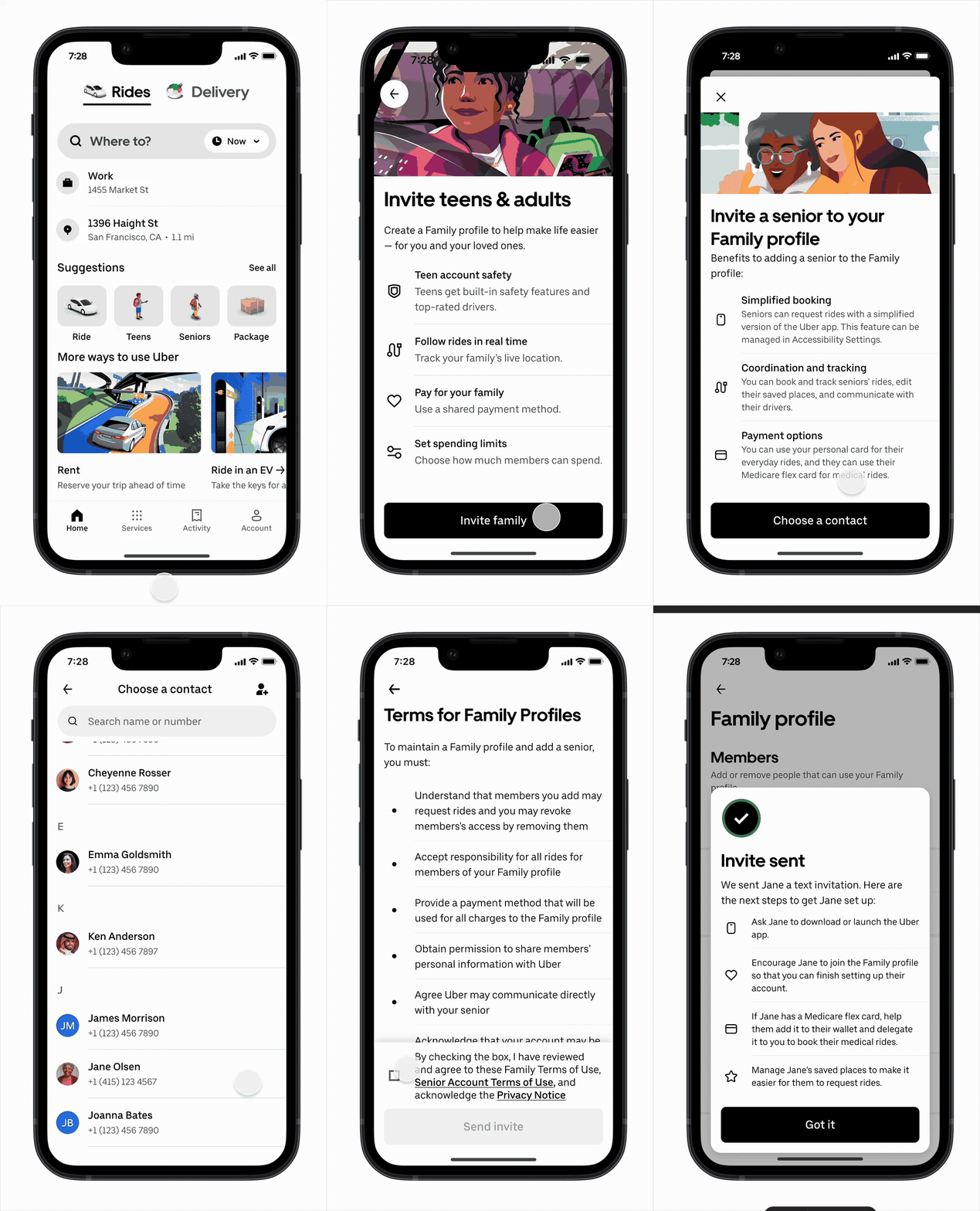
    According to Uber, Senior Accounts offer a simplified and user-friendly interface tailored to the needs of older adults. The redesigned experience features larger text and icons to improve readability, as well as cleaner, less cluttered screens that make navigation more intuitive. This streamlined mode is intended to reduce confusion and make it easier for seniors to request rides independently.

    Users can activate this senior-friendly interface through the app’s accessibility settings, allowing them to customize their experience based on individual comfort and visual needs.

    Image Credits: Uber

    Family Accounts Now Support Senior Riders with Enhanced Management Features

    Users in the U.S. can now include older adults in their family account by accessing the “Family” section under the Accounts tab. Family account managers can link their own payment methods, update saved destinations, book rides on behalf of older adults, and communicate with drivers during trips. Members of the family group can also track the rides of senior users.

    Uber also noted that senior users can use their Medicare Flex card to cover eligible medical transportation costs. Uber stated that it intends to expand Senior Accounts globally, although it hasn’t announced a timeline for the international rollout.

    The company previously introduced teen accounts in a few cities in the U.S. in 2023 before gradually expanding the feature to additional regions and countries.


    Read the original article on: TechCrunch

    Read more: Uber’s Big Data Ride: Transforming Transportation

  • Uber’s Big Data Ride: Transforming Transportation

    Uber’s Big Data Ride: Transforming Transportation

    Credit: Canvas

    Crowdsourcing a Taxi Revolution

    Uber revolutionized the way people hail rides by leveraging Big Data. Traditional taxis relied on street hails and phone bookings, often leading to long waits and inefficiencies. Uber, on the other hand, connects riders and drivers instantly through its app. By analyzing GPS data, trip history, and driver availability, Uber matches users with the nearest ride within seconds.

    Every trip generates valuable data, which is continuously processed to improve route efficiency, minimize wait times, and enhance the overall user experience. Real-time tracking also allows for transparent pricing and estimated arrival times, making the system more reliable and user-friendly.

    Surge Pricing and Beyond

    Ever noticed that fares spike during rush hour, bad weather, or major events? That’s Uber’s surge pricing at work. This dynamic pricing model increases fares when demand is high, incentivizing more drivers to hit the road. While some riders complain about higher costs, the system helps balance supply and demand, ensuring that rides remain available when they’re needed most.

    Beyond surge pricing, Uber uses machine learning to refine route suggestions, predict peak demand times, and optimize driver positioning. Services like UberPool take this efficiency a step further by pairing riders with similar destinations, reducing both costs and traffic congestion.

    The Future of City Travel

    Uber isn’t just a ride-hailing service; it’s a data powerhouse shaping the future of urban mobility. Former CEO Travis Kalanick once claimed Uber could cut London’s congestion by a third by using smarter routing and shared rides. This vision extends beyond cars—the company has experimented with electric bikes, scooters, and even flying taxis as part of its broader mobility strategy.

    Big Data is also helping cities plan better transportation systems. By sharing anonymized trip data with urban planners, Uber assists in designing more efficient public transit routes, reducing bottlenecks, and improving city infrastructure.

    Conclusion

    Uber’s data-driven approach has disrupted the traditional taxi industry, making transportation more efficient, flexible, and responsive to demand. With advanced analytics, predictive modeling, and innovative services, Uber continues to reshape how people move in cities worldwide. Whether through ride-sharing, AI-driven pricing, or future transport innovations, Uber is steering the way toward a smarter, data-powered future for urban mobility.


    Read also Walmart’s Secret Weapon: Real-Time Data