Tesla
Tesla has concluded its 2025 fiscal year earnings call, revealing that its profits nearly halved compared to the previous year. The company reported a GAAP net income of $3.8 billion, down from $7.1 billion in 2024, marking a 46% decrease. Yikes.
From Electric Cars to Full Autonomy with AI and Robotics
That’s a tough situation for any automaker, but Tesla is confident it knows the way forward. The company is shifting its focus from purely electric vehicle production to a broader goal: achieving full autonomy through AI and robotics.
Optimists drive this strategy, believing that these technologies will lower costs for goods and services while becoming increasingly widespread and valuable.
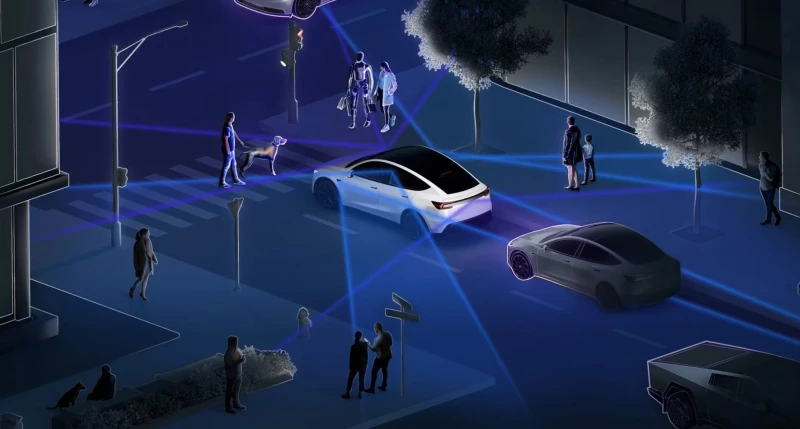
Signs of this shift are already emerging. For Tesla owners, one immediate change is coming soon: CEO Elon Musk announced that Tesla will stop selling the Full Self-Driving (FSD) suite—currently offering mostly Level 2 driving assistance—as a one-time purchase. Starting February 14, Tesla will offer it only via a monthly subscription, initially likely matching the current $99/month or $999/year pricing, though the company could raise the cost as it adds new features.
Tesla
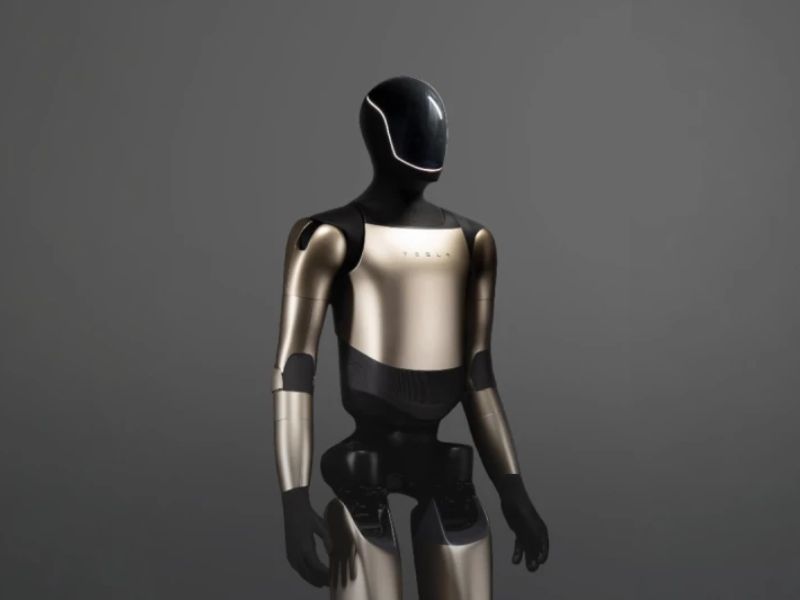
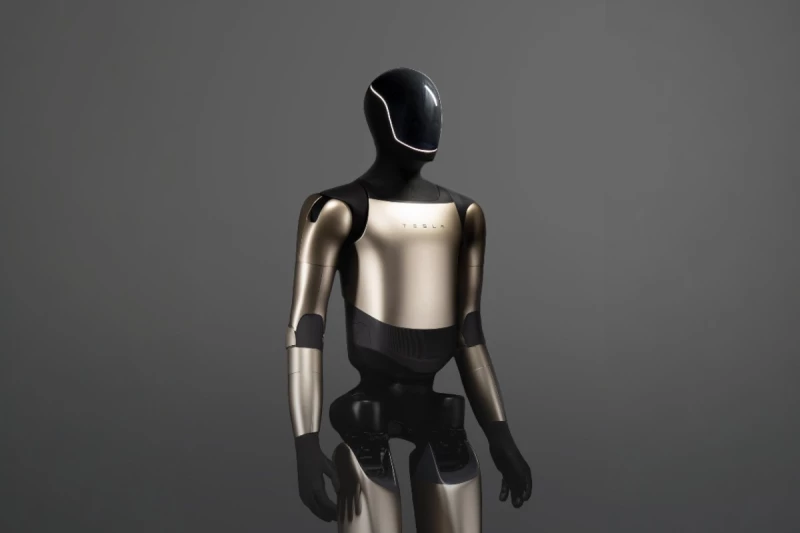
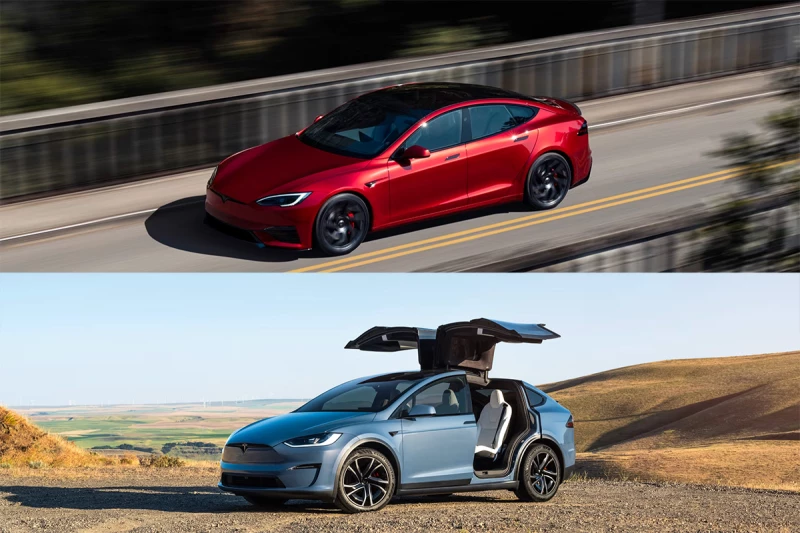
Next, Tesla is discontinuing the Model S luxury sedan and Model X crossover—both roughly $100,000—what Musk called an “honorable discharge”—to fully prioritize autonomous technology. Tesla will repurpose the Fremont, California, factory—previously used to produce these vehicles—into a dedicated facility for the Optimus humanoid robot.
Tesla
Tesla Ends Production of Aging Sedans and SUVs
It’s a significant move, but also somewhat expected. These older models have been on the market for over a decade, and by 2025, their sales had fallen to less than a third of the newer Model 3 and Model Y. If you’re interested, take one of the remaining vehicles now. Tesla won’t produce any more, but it will continue supporting them as long as they remain operational.
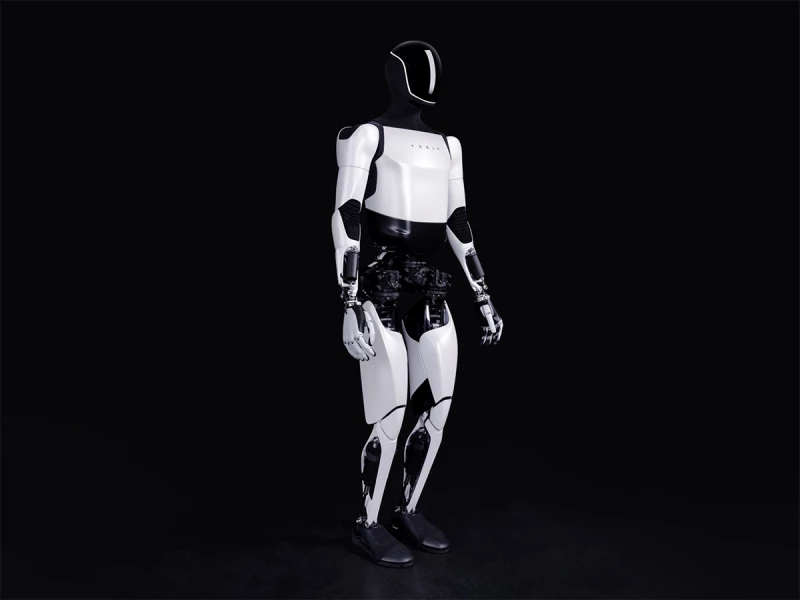
On the robotics side, Tesla has showcased the Optimus in various development stages over the past few years, but it still hasn’t wowed audiences. At a Tesla event in October 2024, the robots appeared to walk, talk with attendees, and even make drinks—but it was later revealed they were entirely controlled remotely by humans.
Tesla
While companies promote these bipedal robots as capable of doing household chores, carrying up to 45 pounds (20 kg), helping factory workers, and even eventually going to space, they are still far from ready for widespread use
Tesla’s Robot Revolution
Tesla plans to reach an annual production capacity of one million Optimus units at the Fremont factory, with significant output expected by the end of 2026 and sales beginning in 2027. Meeting this goal—and hitting Musk’s $30,000 target price—will be a major challenge.
On another front, Tesla is preparing to produce the Cybercab, a two-seater robotaxi with no steering wheel. The company debuted the concept in 2024 and plans to start production this year. The company is currently in the tooling stage, with Musk previously indicating production would begin in April. In the meantime, Tesla is testing self-driving taxi services using modified Model Ys in Austin, Texas, so the system will have some real-world miles under its belt by the time the Cybercab launches.
Read the original article on: New Atlas
Read more: Skeptical About Robots in your Living Room? A new Friendly Humanoid Aims to Win You Over