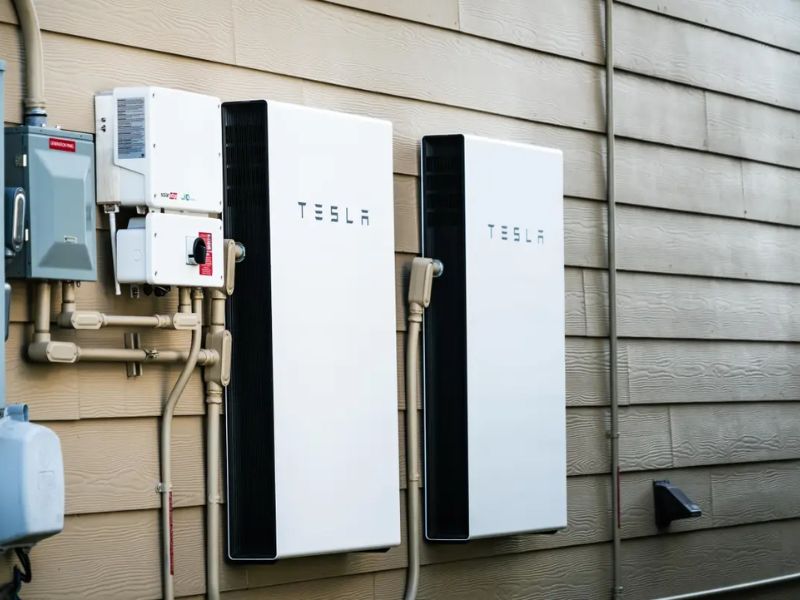

Even Tesla’s energy storage unit—once a rare bright spot—is now feeling the pressure of the company’s broader struggles.
For the second quarter in a row, installations of its Powerwall and Megapack systems have declined. Tesla reported 9.6 gigawatt-hours of energy storage deployed in Q2, down from 10.4 GWh in Q1.
The division reached its highest point in late 2024, with 11 GWh installed in just three months. That year, Tesla delivered a total of 31.4 GWh in energy storage products.
After Years of Steady Growth, Tesla’s Energy Division Faces a Potential Slowdown in 2025
Until recently, this sector had shown steady growth, with combined revenue from storage and solar jumping from $2 billion in 2020 to $10.1 billion in 2024. But with a rocky start to 2025, that growth streak may be nearing its end.
In contrast, the overall energy storage market has been on the rise. According to analysts at Wood Mackenzie, new installations reached a record high in Q1—the latest period with available data—marking a 57% increase compared to the same time last year.
Growth in Energy Storage Faces Threats from Tariffs and Legislative Rollbacks Targeting Clean Energy Incentives
However, this momentum may not last. The industry now faces headwinds from upcoming tariffs on Chinese imports and the potential fallout from a Trump-supported reconciliation bill being negotiated in Congress. Republican lawmakers are pushing to dismantle major components of the Inflation Reduction Act.
While the bill may preserve tax credits for battery storage projects, new restrictions targeting parts or materials sourced from foreign entities of concern (FEOC) could make those incentives difficult to access. That’s a major hurdle, as most battery minerals are currently refined or processed in China.
Read the original article on: TechCrunch
Read more: Tesla Debuts Robotaxi Service in Austin, Raising High Hopes and Lingering Concerns