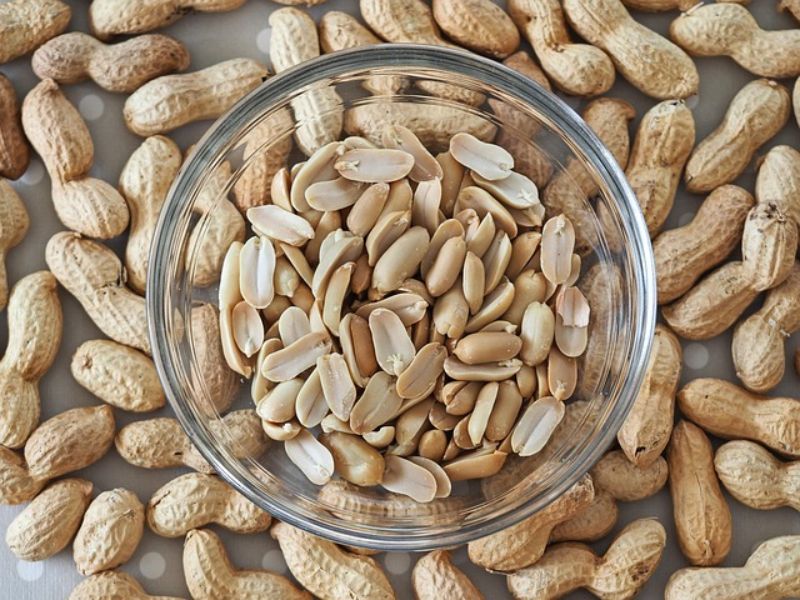

A widely used asthma drug might help prevent deadly food allergy reactions, according to a multi-year study by Northwestern University researchers. They discovered a previously unknown biological trigger for anaphylaxis—the severe allergic reaction often caused by foods like milk, eggs, peanuts, shellfish, and wheat.
Asthma Drug Zileuton Shows Promise for Treating Food Allergies; Human Trials Underway
This breakthrough offers hope to millions worldwide who live with food allergies, which currently have no cure. In the U.S., nearly 1 in 10 people are affected. The results have been confirmed in mice, and human trial data is expected soon.
So, how does it work? The key is Zileuton, an FDA-approved asthma medication that blocks the production of inflammatory molecules called leukotrienes. By reducing these molecules, the drug eases asthma symptoms like airway inflammation and tightening, which can cause breathing difficulties and coughing.
To trace the roots of this discovery, researchers at Northwestern started a genetic screening project a few years ago. They bred mice over generations to find genes tied to food allergy risk.
Through this research, they discovered that a gene named DPEP1 plays a key role in controlling anaphylaxis—a common allergic reaction that can cause symptoms ranging from mild to life-threatening, including a dangerous drop in blood pressure. Here’s a quick three-minute refresher on anaphylaxis from 2008:
With this discovery, the researchers used Zileuton to block the pathway linked to the DPEP1 gene. As a result, mice that were once highly prone to food-triggered anaphylaxis showed almost no allergic reactions.
Zileuton Reversed Severe Allergic Reactions in 95% of Mice, Study Finds
In the study, the mice were given peanut extract shortly after receiving a dose of Zileuton and then observed for allergic reactions. “Following Zileuton treatment, 95% of the mice showed virtually no signs of anaphylaxis,” said Dr. Adam Williams, co-author of the study published in Science. “Their risk flipped from 95% susceptible to 95% protected.”
The research also sheds light on why some individuals test positive for food allergies through blood tests—by detecting allergy-related antibodies—yet experience no symptoms when they actually consume those foods.
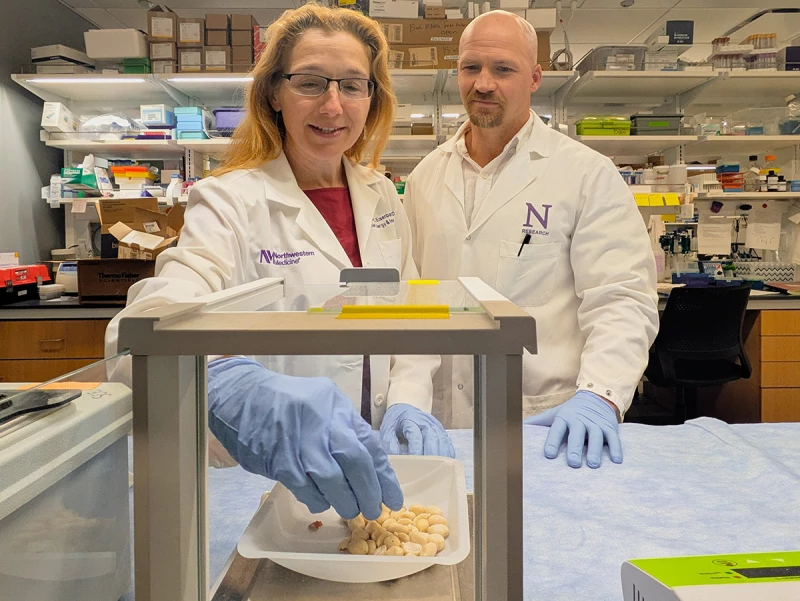
Northwestern University
Early Human Trials Begin to Test Zileuton’s Potential in Preventing Anaphylaxis
Last month, the research team began a small early-stage clinical trial in humans to test whether blocking this pathway with Zileuton has the same effect as it did in mice. The upcoming results could offer a promising new strategy for preventing anaphylaxis.
Laura Hoyt, a co-author of the study, emphasized the potential impact of the treatment, calling it a promising solution for a serious and unpredictable condition. “We’ve seen tragic, even fatal reactions to hidden ingredients like ground peanuts in sauces,” she said. “For parents sending kids to birthday parties or for travelers with no control over meals, this could offer vital protection.”
Read the original article on: New Atlas
Read more: Maternal Vitamin D May Shape Children’s Later Learning