Shanmukh Peddi, Debayan Dasgupta
Dealing with hypersensitive teeth can be a real nuisance, causing pain when eating or drinking anything hot, cold, sweet, or acidic. Researchers are now developing tiny “robots” that actively seal the microscopic channels in teeth, offering lasting relief from sensitivity.
Building on earlier work, CeNSE scientists are developing “CalBots”—400-nanometer magnetic nanoparticles infused with a calcium-silicate bioceramic.
Guided by magnets, CalBots navigate dentin tubules to reach nerve endings deep within the tooth
Researchers apply CalBots to the tooth surface and guide them into tiny fluid-filled channels—called tubules—using an external magnetic field. These tubules run through the dentin layer of the tooth and connect directly to nerve endings in the pulp.
Under normal conditions, the tooth’s enamel seals these tubules, preventing contact with substances in the mouth. But when enamel wears away, hot, cold, sweet, or acidic foods can enter the tubules, causing fluid movement that stimulates nerve endings and results in pain.
While desensitizing toothpastes can offer temporary relief, CalBots aim for a lasting solution. The bioceramic forms a cement-like barrier 300–500 micrometers deep, mimicking enamel and blocking irritants.
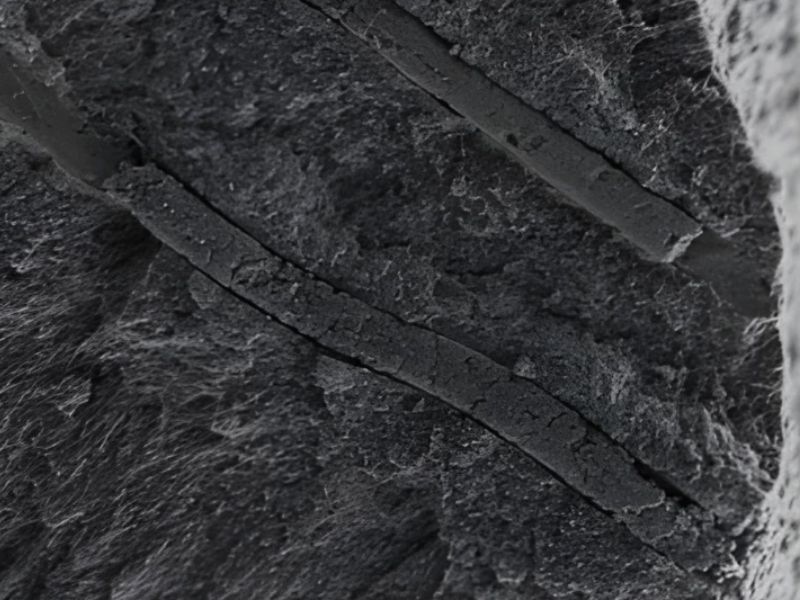
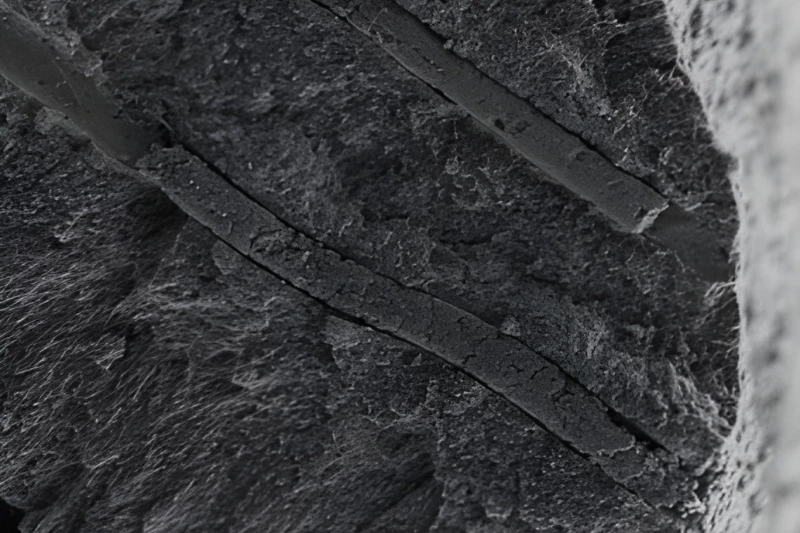
Initial tests on extracted human teeth and mice show CalBots effectively seal tubules and reduce tooth sensitivity within minutes
The researchers first tested this approach on human teeth extracted for medical reasons. In just 20 minutes, CalBots formed stable plugs in tooth tubules. Treated mice with tooth sensitivity began drinking cold water again, showing promising results.
“This is a powerful example of the potential of nanorobotics and the major role they could play in the future of healthcare,” says Prof. Ambarish Ghosh of CeNSE, a corresponding author of the study. “We’re looking forward to advancing this technology toward clinical application.”
The CalBot technology is being brought to market by Theranautilus, a spinoff company, and the research has been detailed in a recent publication in the journal Advanced Science.
Read the original article on: New Atlas
Read more: Hubble Network Plans Satellite Upgrade for Global Bluetooth Coverage