Andreas Schmitz/TUM
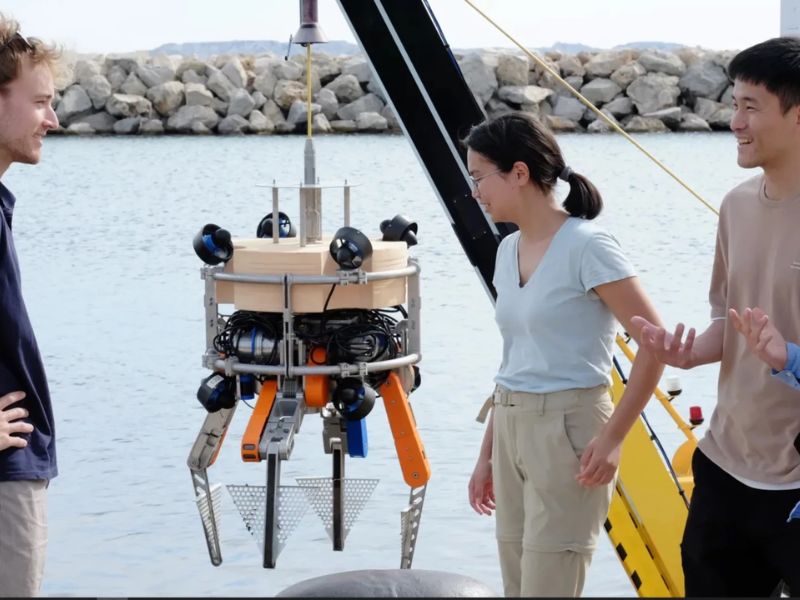
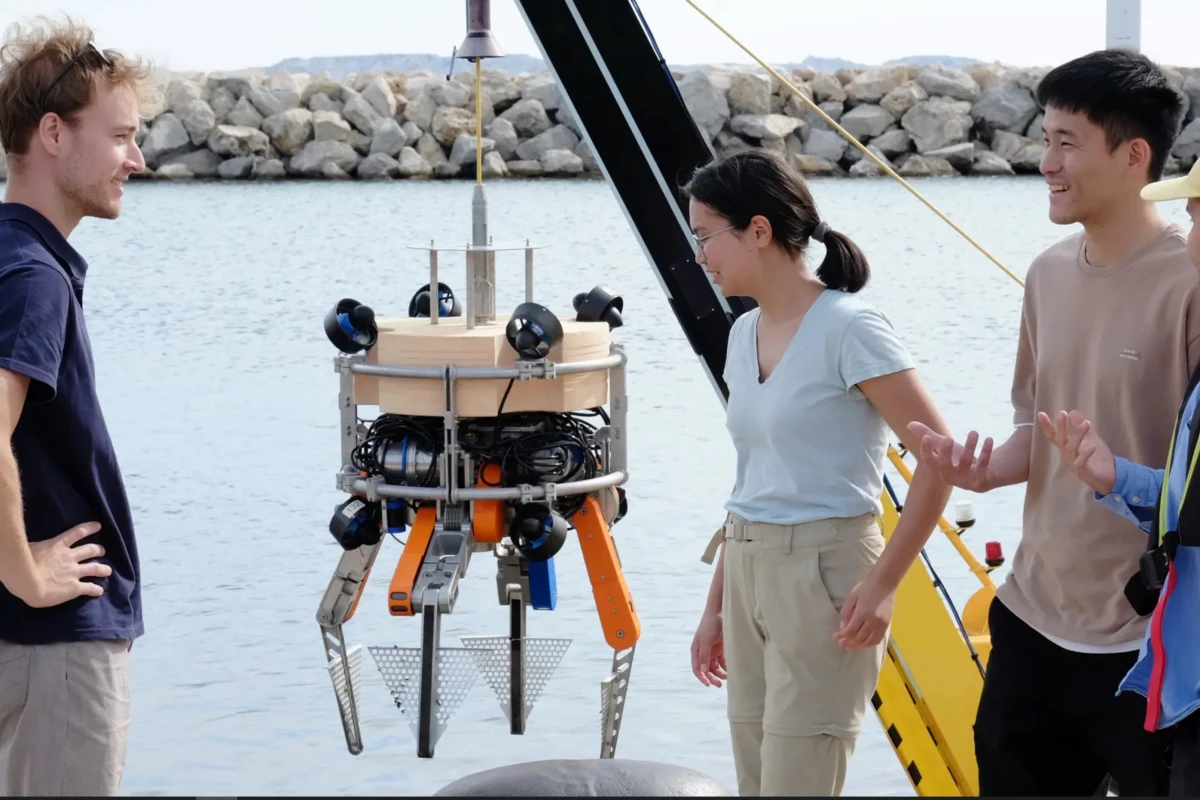
Picture an oversized arcade claw machine—only instead of toys, it picks up the waste littering the seafloor. That’s what an autonomous robot has been doing recently in Marseille.
We humans generate a lot of waste, much of which gets dumped on land or into the sea, often ignored once it’s out of sight. This careless disposal causes major environmental damage, while cleanup is difficult and costly.
Tackling the Trash That Sinks
Many initiatives have focused on collecting floating debris like plastic from rivers and oceans, but what about the garbage that sinks? The EU-funded SEACLEAR project set out to address this, creating autonomous robot crews to clean the seafloor.
Partners include Fraunhofer CML, TU Delft, and universities in Dubrovnik, Cluj-Napoca, and Munich. The underwater gripper robot now retrieving trash in the Port of Marseille comes from the Munich team.
In phase two of SEACLEAR, the bot’s four claws can grip with 4,000 newtons and lift objects up to 250 kg.
When a gentler touch is needed, onboard sensors adjust the pressure so the robot lifts plastic buckets without breaking them and glass bottles without shattering.
Tethered for Power, Control, and Heavy Lifting
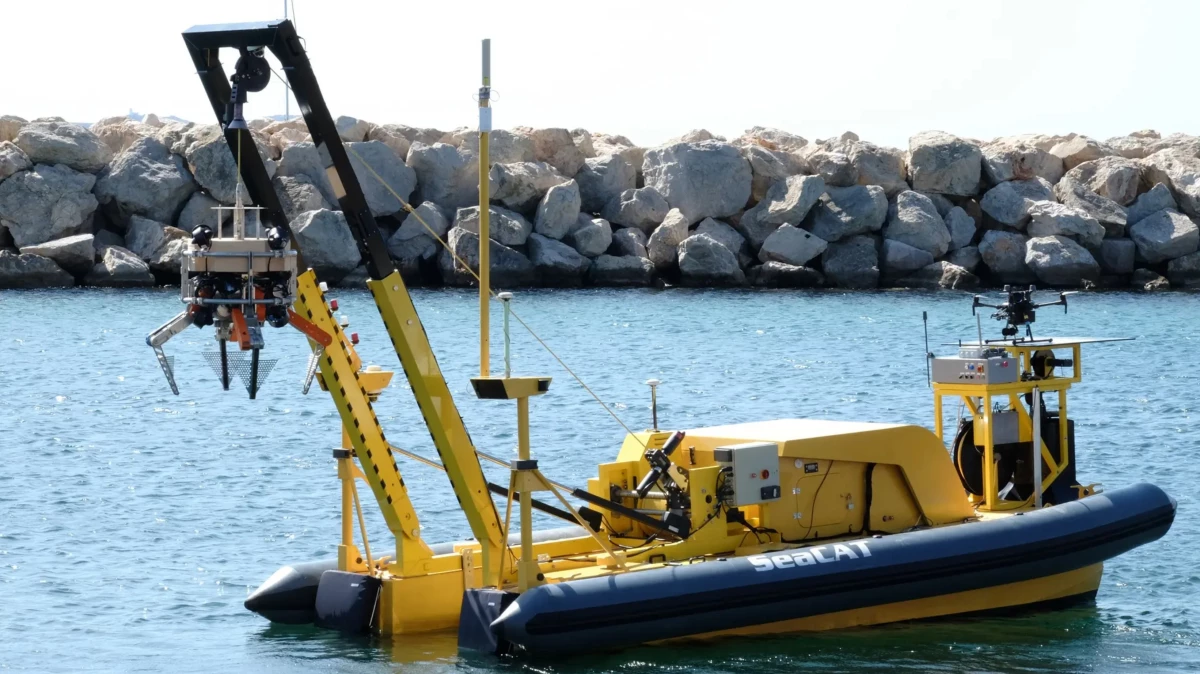
Powered by eight propellers, the robot navigates underwater on its own but remains tethered. The cable supplies energy and data, while also enabling the robot to lift heavy debris out of the water and onto a support vessel for disposal.The team opted against onboard batteries, as charging would restrict operating time.
Andreas Schmitz/TUM
Using sonar, a vision camera, and AI, the robot identifies seabed debris and where to grip. To train it, the SEACLEAR team contributed 7,000+ test images of items from nets to bicycles, tires, and car seats. The team then modeled these objects in 3D for recognition..
Towards a Fully Autonomous Seafloor Cleanup System
The project’s long-term goal is a fully autonomous cleanup system. An unmanned service vessel would first map the seabed with ultrasonic waves, followed by a search robot conducting detailed scans. The data guides the gripper bot, while an autonomous dinghy serves as the collection point.
SEACLEAR 2 is ongoing, paving the way for robotic fleets to handle large-scale seafloor cleanup. Dr. Stefan Sosnowski from TUM shares more about the gripper bot in the video below.
Read the original article on: New Atlas
Read more:Research Uncovers Brain Mechanism That Heals the Body During Sleep