Category: Agriculture

  • Cost-Effective, Efficient Soil Health Assessment for Large-Scale Use

    Cost-Effective, Efficient Soil Health Assessment for Large-Scale Use

    Cost-Effective, Efficient Soil Health Assessment for Large-Scale Use
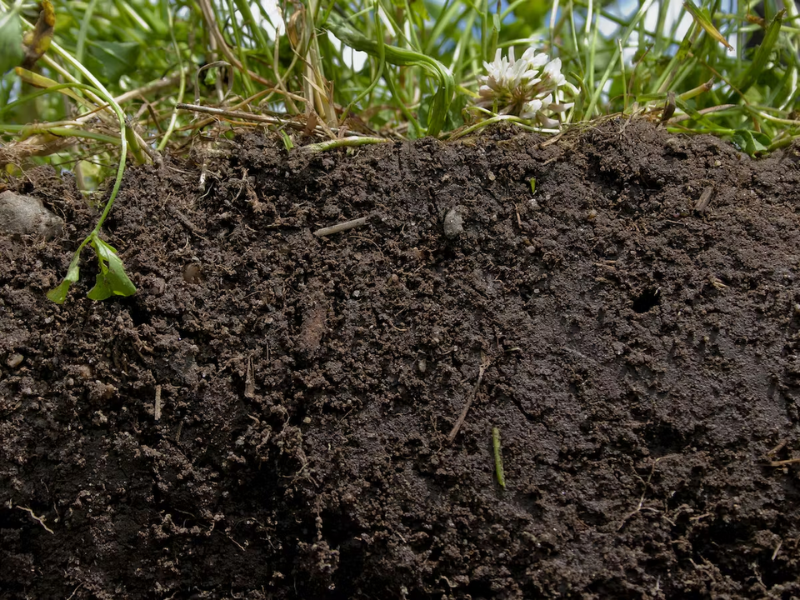
    Credit: theconversation

    Cost-Effective, Efficient Soil Health Assessment for Large-Scale Use. Describing the significance of soil as essential would be an understatement. It plays a crucial role as the medium for food production, carbon sequestration, reducing atmospheric CO2, and hosting vast biodiversity, including antibiotic-producing bacteria. Soil is fundamental for life on Earth.

    Cost-Effective, Efficient Soil Health Assessment for Large-Scale Use: New method about cost-effective Soil

    Researchers at UConn are developing a cost-effective method to assess soil health on a large scale. This project aims to quantify soil functions and measure the success of conservation practices, especially for climate-resilient agriculture.

    The goal is to understand a soil’s ability to support food production and other vital ecosystem functions while ensuring carbon storage and reducing greenhouse gas emissions. The findings will aid in the development of sustainable agricultural practices in the face of climate change.

    Soil organic matter

    Soil organic matter acts as a sponge, affecting water movement and microbial decomposition, making soil health assessment complex. Common methods involve CO2 burst testing, but Gan’s team simplified the process using CO2 monitors.

    They built a high-throughput platform to measure multiple samples simultaneously. This innovative approach allows for a better understanding of soil dynamics and resilience to drought. The team found that more disturbed soils had lower CO2 bursts and less water retention compared to less disturbed soils, highlighting the importance of soil management practices.

    Gan’s research shows that least-disturbed areas have higher microbial respiration and better water retention. Although they have more total carbon, a higher proportion is stable, which is beneficial for long-term ecosystem functions.

    The new platform proves reliable and allows for low-cost soil health assessments, helping to understand soil interventions’ implications and manage nitrogen fertilizer applications for reduced greenhouse gas emissions. Managing soil effectively can significantly impact climate change, as even a small change in soil carbon content can lead to substantial CO2 emissions.

    Cost-Effective, Efficient Soil Health Assessment for Large-Scale Use: The Soil cultivation

    Soil cultivation in agriculture has released over 100 billion tons of carbon into the atmosphere, exacerbating carbon loss from soil. Conservation practices like using cover crops and reduced tillage can help restore soil organic matter and carbon.

    However, soil carbon sequestration has limitations, and even full restoration would offset only one decade of current CO2 emissions from the fossil fuel industry. Despite this, building soil organic matter remains crucial for soil functions like nutrient cycling, water regulation, and biodiversity.

    By developing cost-effective methods to quantify these functions, researchers aim to raise awareness of soil health and promote soil health-promoting practices. The fate of soil as a renewable resource depends on human actions.


    Read the original article on phys.

    Read more: Technological Innovation and Investment: The Key to Achieving Net-Zero Agriculture.
  • Genome Editing Used to Create Disease-Resistant Rice

    Genome Editing Used to Create Disease-Resistant Rice

    A recent study published in the journal Nature on June 14 reports that a group of scientists, including researchers from the University of California, Davis, and an international team, have successfully utilized the genome-editing tool CRISPR-Cas to develop rice plants that are resistant to diseases.
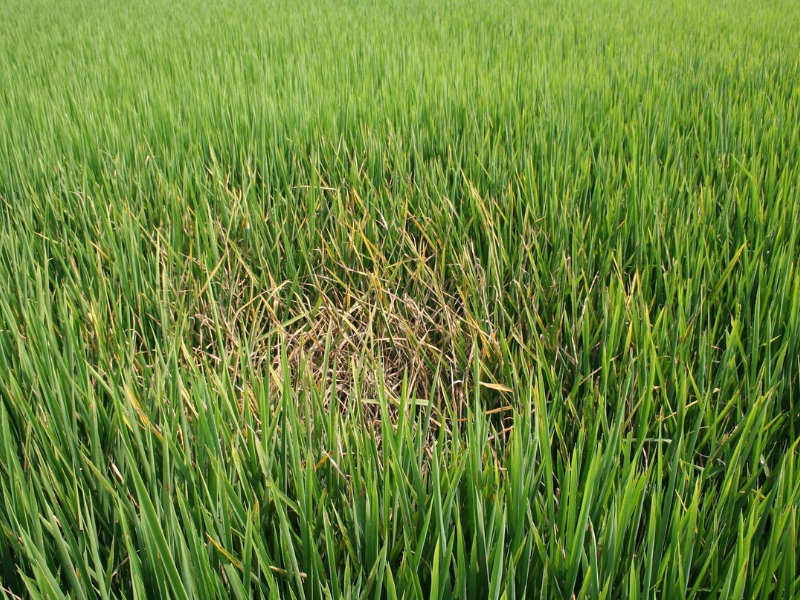
    Rice blast in a California rice crop. US and Chinese researchers used CRISPR genome editing to create a high-yielding rice variety resistant to this major fungal pest. Credit: UCANR.

    A recent study published in the journal Nature on June 14 reports that a group of scientists, including researchers from the University of California, Davis, and an international team, have successfully utilized the genome-editing tool CRISPR-Cas to develop rice plants that are resistant to diseases.

    In a recent study published in Nature, it was revealed that researchers, including those from the University of California, Davis, and an international team, have successfully used genome editing with CRISPR-Cas to create disease-resistant rice plants.

    Unearthing a Promising Leaf Mutant for Agricultural Advancements

    The study’s co-lead author, Guotian Li, made an initial breakthrough while working as a postdoctoral scholar in Pamela Ronald’s lab at UC Davis. During his research, Li came across a mutant strain, referred to as a lesion mimic mutant, which displayed dark patches on its leaves. Ronald, who is also a co-lead author and a Distinguished Professor in the Department of Plant Pathology and the Genome Center, emphasized the importance of Li’s discovery in improving the gene’s potential for practical use by farmers.

    The origins of this breakthrough can be traced back to Ronald’s lab, where a collection of 3,200 distinct rice strains were created and sequenced, each containing various mutations. Among these strains, Guotian identified one that exhibited resistance to bacterial infection, in addition to the dark patches. However, this particular strain had an extremely small size and low yields.

    Ronald explained that while “lesion mimic” mutants have been identified in the past, their practical utility to farmers has been limited due to their low productivity.

    Harnessing CRISPR-Cas for Disease-Resistant Crop Evolution

    The new rice variety, developed by modifying a recently discovered gene, demonstrated both high yields and resistance to the fungal infection responsible for the severe rice disease known as rice blast. This is significant as rice is a vital crop that provides sustenance for approximately half of the global population.

    The study’s co-lead author, Guotian Li, made an initial breakthrough while working as a postdoctoral scholar in Pamela Ronald’s lab at UC Davis. During his research, Li came across a mutant strain, referred to as a lesion mimic mutant, which displayed dark patches on its leaves.


    Read The Original Article on PHYS.

    Read More: The Healthiest Rice! White or Brown? From a Nutrition Scientist Perspective.

  • Floating Farm, a New Concept of Sustainability

    Floating Farm, a New Concept of Sustainability

    THIS FLOATING FARM TURNS SALTY SEAWATER INTO NUTRIENTS FOR AGRICULTURE & IMPROVES MARINE ENVIRONMENT.
    This floating farm transforms salty sea water into nutrients for agriculture and improves the marine environment! Credit: disenoyucatan.

    A New Concept of Green Preservation

    Floating Farm is a concept that involves the development of a sustainable farm on a floating platform. The idea behind the concept is to use the available space in water bodies such as lakes, rivers, and seas, to create new areas for agriculture.

    The floating farm can be designed to accommodate various types of crops, such as vegetables, fruits, and grains. It can also incorporate aquaculture systems to rear fish and other seafood. The farm is self-sustaining and operates using renewable energy sources such as wind and solar power. The water used for irrigation is sourced from the surrounding water bodies, and the floating farm also has a system to treat the wastewater before returning it to the environment.

    The need for a floating farm? One out of every four freight trucks on the road at any given time is transporting food to urban settings. If these trucks stopped running, as they often do during natural disasters, it’s estimated that grocery stores located in cities would run out of food in just three days.

    The floating farm concept has many potential benefits, including increasing food production without using more land, reducing the transportation of food, and minimizing the environmental impact of agriculture. Additionally, floating farms can help provide food in areas with limited arable land, such as coastal cities.

    Although still in the experimental stage, several prototypes have been developed in different parts of the world. With further research and development, floating farms could become an essential part of sustainable agriculture in the future.

    Farmers in Bangladesh are adjusting to extreme weather and floods by using floating seed beds or ‘floating farms’. The UN’s Food and Agricultural Organization declared Bangladesh’s floating farms method as a globally important agricultural heritage system in December 2015.

    Prototypes of Floating Farm

    There are a few prototypes of floating farms that have been developed around the world. Here are a few examples:

    Floating Farm Rotterdam

    This is a three-story high floating farm located in the Merwehaven harbor in Rotterdam, the Netherlands. It is designed to produce 800 liters of milk per day using 40 cows. The farm is self-sustaining and operates using solar panels, rainwater collection, and a manure processing system.

    Nemo’s Garden

    This is an underwater farm located in Noli, Italy. The farm consists of six biospheres anchored to the seafloor. The biospheres are made of plastic and filled with air, allowing plants to grow inside. The system uses solar panels to power the lights and a desalination system to provide freshwater.

    Ocean Farm 1

    This is a salmon farm located off the coast of Norway. The farm is designed to produce 1.5 million salmon per year and is operated by the Norwegian seafood company, SalMar. The farm is powered by wind turbines and has a waste management system that processes the fish waste into fertilizer.

    Ecofloat

    was designed by the Spanish architecture firm, Forward Thinking Architecture. The farm is designed to be self-sustaining and to use renewable energy sources such as wind and solar power. It would be capable of producing various types of crops, including vegetables, fruits, and grains, as well as raising fish and other seafood.

    We only have few prototypes of floating farms developed. As the concept continues to evolve, we can expect to see more innovative and sustainable designs in the future.


    Read more: Bangladesh Develops Innovations to Fight Climate Change.

  • The Healthiest Rice! White or Brown? From a Nutrition Scientist Perspective.

    The Healthiest Rice! White or Brown? From a Nutrition Scientist Perspective.

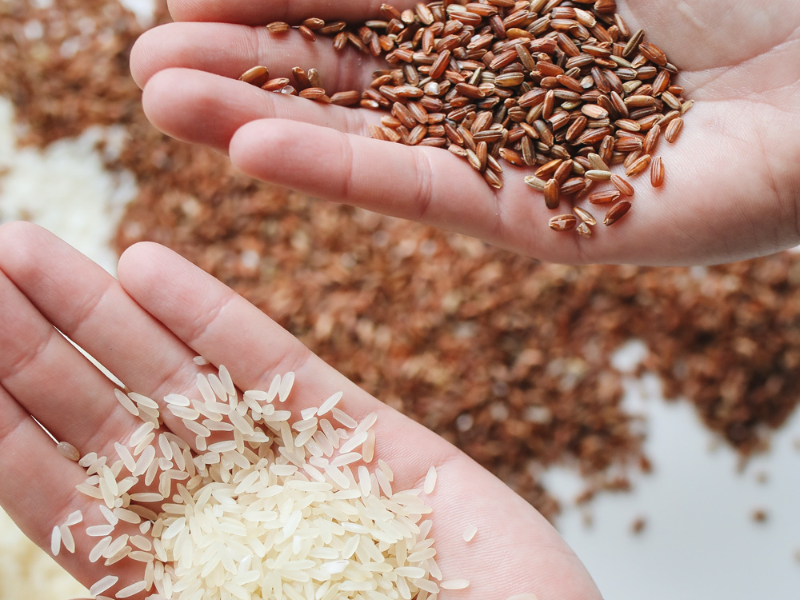
    White and Brown Rice.
    White and Brown Rice. Credit: Pexels

    Rice is the number three most produced agricultural crop in the world. Only losing for sugarcane and corn. The major producers of rice are placed in Asia, having China producing 28% of the world’s rice before 2020.Rice is demanded globally since 8,000 BC. It is a huge part of everyday meals. The consumption of rice is facing many controversies these days. Now, what could be a nutrition scientist’s perspective on the question of the “healthiest” rice option? White or Brown Rice?

    What is the healthiest rice?

    The issue of identifying the “most nutritious rice” often involves comparing white rice and brown rice. Although one is typically preferred over the other, determining the best option ultimately hinges on your dietary needs and preferences.

    Indeed, brown rice contains more fiber, fat, and slightly higher protein content than white rice due to its processing method. Whole grains consist of three components: the germ, bran, and endosperm. Brown rice comprises all of these parts, whereas manufacturers remove the germ and bran from white rice. If you desire to increase your fiber intake, brown rice is a fantastic option to consider. In real life, all rice is good for us. According to Kera Nyemb-Diop, a nutrition expert, the query about the “most beneficial rice” stems from a culture of exclusion and unhealthy dietary practices.

    “If rice was the only food we were eating, it would make sense (to ask that) because we’re interested in having a balance of nutrients and fiber, so, of course, I would say brown rice is more complete,” says Nyemb-Diop .“But when you look at the reality, people eat meals.”

    Rice is commonly consumed along with a source of protein and vegetables, rather than on its own, thus forming part of a wholesome and well-balanced meal. If you prefer not to eat brown rice due to its taste, you can still create a high-fiber meal by pairing white rice with a variety of vegetables that are rich in fiber. According to Nyemb-Diop, it’s recommended to incorporate various types of rice into your diet, including white or brown rice, basmati rice, arborio rice, jasmine rice, or any other varieties.

    The conventional wisdom is that brown rice is much healthier than white rice. But is it really true? White rice is more popular, but brown rice contains more nutrients and fiber because it is a whole grain. However, there are also a few problems with brown rice.

    Is white rice healthy?

    Certainly, white grain is beneficial for health. The cereal is a rich source of several essential minerals such as magnesium, phosphorus, manganese, selenium, and iron. Additionally, it also contains folic acid, thiamin, and niacin. Nyemb-Diop argues that the perception of white grain as the “less healthy” option is indicative of a more significant issue with how we define and understand health. White grain is a staple food in many cultures, and it is consumed more frequently than brown grain . Moreover, more than 50% of the global population regards rice as a primary food source.

    How to incorporate rice into your life in a healthy way

    Eat what you enjoy. Nyemb-Diop recommends that if you enjoy eating brown grain , go ahead and consume it, but if you don’t, don’t feel obliged to eat it. Introducing any type of rice into your diet is beneficial in terms of nutrition. Additionally, prioritizing the enjoyment of food is a great approach to fostering a positive connection with food and your body.

    In recent years, cauliflower and broccoli rice, which are vegetables chopped into cereal-like pieces, have gained popularity as low-carb alternatives to rice. Incorporating cauliflower or broccoli rice into your meals is an excellent way to increase your vegetable intake, especially since only one in 10 adults consume the recommended daily serving of vegetables. However, this does not imply that you must substitute rice with cauliflower or broccoli rice.


    Original Article on USA TODAY

    Reference: USA TODAY

  • Water Quality Can Be Forecasted Using Machine Learning

    Water Quality Can Be Forecasted Using Machine Learning

    A study has shown the potential of machine learning to forecast the water quality index and this may be important for water management.
    Water, a vital substance for human life/ Credit: pexels.com

    A study published in the International Journal of Sustainable Agricultural Management and Informatics has shown the potential of machine learning to forecast the water quality index, which could have significant implications for water management in both drinking water and agricultural applications.

    Water pollution, a concern of recent times

    The decline in water quality has become a matter of concern in recent times, with a growing focus on its effects on human health and agricultural output. Currently, the improper discharge of untreated sewage causing pollution in rivers and coastal waters is a significant environmental concern. In contrast, the matter of water security in agriculture remains a topic of importance.

    Water quality is evaluated based on several factors: acidity and alkalinity, pH level, turbidity, dissolved oxygen, nitrate concentration, temperature, and fecal bacteria. To manage and regulate pollution is essential to create efficient techniques for predicting water quality.

    Machine learning in favor of water quality

    At the Higher Institute for Applied Sciences and Technology (HIAST) in Damascus, Syria, Ahmad Debow, Samaah Shweikani, and Kadan Aljoumaa have designed 4-stacked LSTM models for the anticipation of WQI.

    A 4-stacked LSTM (Long Short-Term Memory) refers to a recurrent neural network capable of identifying long-term data patterns that change over time. After analyzing the data, such models can make projections regarding future alterations in that data. By placing four LSTM layers sequentially, the model can more effectively detect subtle patterns in the data.

    The team employed various algorithms to arrange the data and select relevant features for analysis, such as K-NN (K nearest neighbors) and annual mean. K-NN is a widely recognized algorithm in machine learning used for classification and regression purposes.

    It is a non-parametric algorithm that does not presume any specific characteristics about the underlying data distribution. The fundamental concept behind K-NN is to categorize new data points by assessing their similarity with the closest neighbors in the training dataset.


    The team’s accomplishment in reproducing established data through these models is encouraging for real-world projections and has the potential to contribute to water management initiatives significantly.

    By utilizing the forecasts made by these models, it should be possible to implement more preemptive measures to reduce pollution in the water supply for human consumption and agricultural purposes.

    By utilizing the forecasts made by these models, it should be possible to implement more preemptive measures to reduce pollution in the water supply for human consumption and agricultural purposes.


    Read the original article on PHYS

    Read More: Research Sheds New Light on the Benefits of Water Fluoridation to Children

  • Eliminating Bats After a Rabies Outbreak is a Poor Method Of Preventing Livestock Loss

    Eliminating Bats After a Rabies Outbreak is a Poor Method Of Preventing Livestock Loss

    A group of biologists from the University of Glasgow, working with colleagues from different Institutes in the nation of Peru, found that eliminating bat colonies after an outbreak of cattle rabies is not an efficient way to stop the spread of the disease.
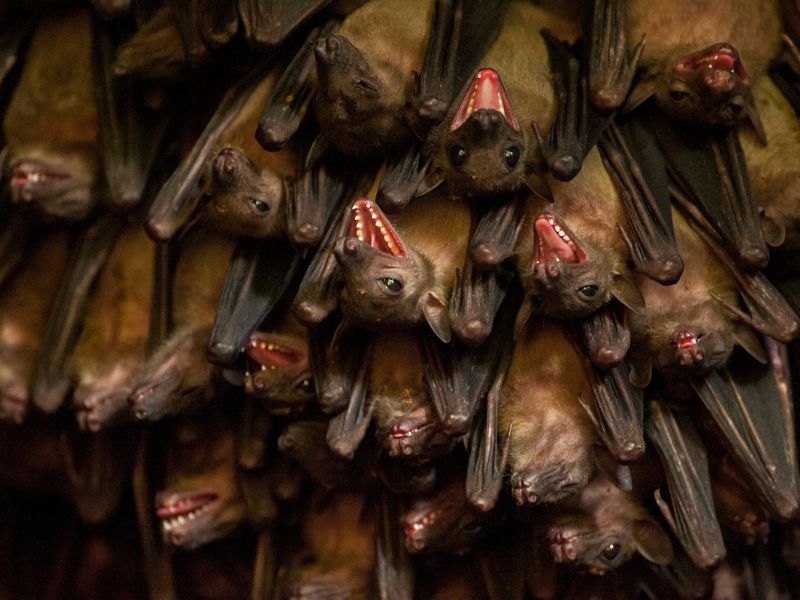
    Credit: https://www.joelsartore.com/wp-content/uploads/stock/ANI014/ANI014-00062.jpg

    A group of biologists from the University of Glasgow, working with colleagues from different Institutes in the nation of Peru, found that eliminating bat colonies after an outbreak of cattle rabies is not an efficient way to stop the spread of the disease.

    In their research, published in the journal Science Advances, the team analyzed infection rates and directed viral genome sequencing to better understand spread of rabies from bats to livestock.

    Vampire bat, the main cause of rabies outbreak in cattle

    Cattle ranchers and other livestock managers in South America have long struggled with periodic outbreaks of rabies.

    It is believed that the main cause of rabies outbreaks in cattle is vampire bats, although there is also a variety of beings that it is spread.

    Helpless domesticated animals become easy prey for these bats, thus being their source of food. The wounds caused by them after the attack can sometimes promote skin infections. But what actually poses the greatest danger are the diseases they carry.

    Throughout the ages, vampiricides have been handled in two ways, before or during outbreaks. Neither form has been strictly tested for effectiveness. In this new path, the scientists sought to study whether the killing of bat colonies using vampiricides is an effective way of mitigating rabies outbreaks.

    The first step taken was to analyze the infection rates of several cattle herds in Peru. They then directed the genome sequencing of rabies viruses collected from infected cows on site. The two surveys took place over a two-year period.

    Bat bite on cow, showing dried blood.
    Bat bite on cow, showing dried blood. Credit: Daniel Streicker, University of Glasgow.

    The investigators did not find a measurable decrease in infections in livestock (that is, compared to herds from locations where culling was not performed) when ranchers performed culling activities on bats after finding infections in their herds. They even found evidence that infection rates rose. However, they found decreases in infection rates when farmers sacrificed bats before discovering infections in their flocks.

    Search results

    The group of researchers suggests that the application of vampiricides after the onset of an outbreak causes bats to abandon their colony. This will carry them to start to frequent other means in search of housing. When this occurs, they reduce disease transmission among bats. However, increase rates in cattle, as infected bats go on to infect several cows before dying.


    Read the original article on PHYS.

    Read More: Why Do Bat Viruses Keep Contaminating People?