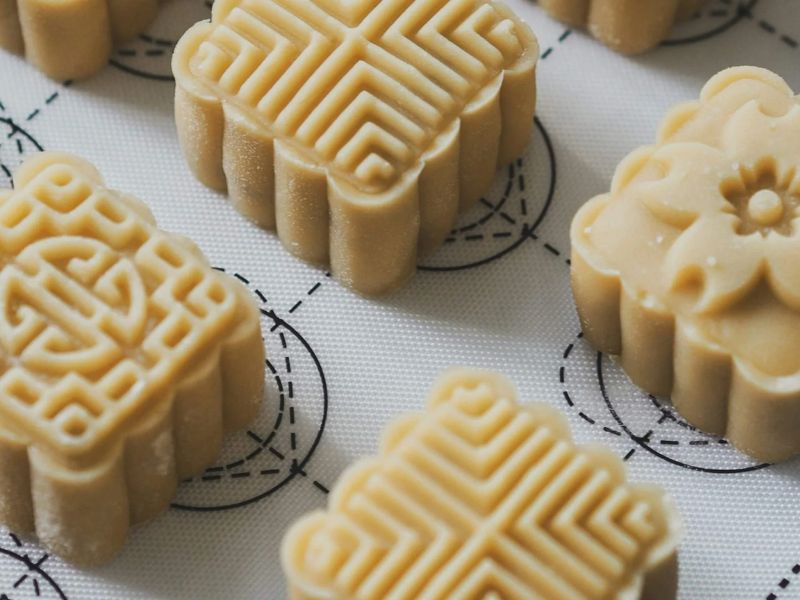

Italy is emerging as a leader in technological innovation through the development of 3D-printed food. At ENEA’s research laboratory in Oricola, scientists are converting plant cells and food waste into so-called “edible inks,” which are then used to produce nutrient-rich cereal bars, confectionery, and small honey spheres.
Main features of the technology:
- Sustainability: The method removes the need for farmland and significantly cuts down on resource waste.
- Preservation: The printing process retains the key nutrients found in the original ingredients.
- Applications: The technology is designed for use in extreme environments, including disaster relief areas, war zones, and space exploration.
- Customization: It enables the production of tailored diets for individuals with specific nutritional needs or restrictions.
Cell-Based Cultivation in Controlled Environments
The approach centers on cultivating cells in carefully controlled conditions. Silvia Massa, head of ENEA’s Agriculture 4.0 laboratory, explains that the aim is not to grow an entire plant, but to extract and multiply its cells within a gel that mimics soil. “The focus is not on cultivating the plant itself, but its cells,” she notes.
Beyond improving production efficiency, the technology also opens the door to precision nutrition. By modifying the composition of the “ink,” specific amounts of proteins and vitamins can be tailored to meet individual dietary requirements.
Acceptance of this innovation is also on the rise. Research carried out by the Italian laboratory found that about 60% of participants would be open to eating food created through 3D printing technology.
Read the original article on: Revistaplaneta
Read more:Scientists Develop the Inaugural Model of Artificial Brain Tissue