

A recent clinical trial indicates that magnesium supplements may encourage the growth of gut bacteria capable of slowing colon cancer development – though the effect appears to depend on an individual’s sex and genetic makeup.
Colorectal cancer remains a global burden
While increased colonoscopy screening has helped reduce colorectal cancer rates, the disease still ranks as the third most common cancer worldwide and the second leading cause of cancer-related deaths.
Researchers at Vanderbilt University Medical Center (VUMC) have now shown through a clinical trial that magnesium supplementation promotes gut microbes linked to reduced colorectal cancer risk.
Magnesium, vitamin D, and microbial benefits
“Our earlier work demonstrated that magnesium intake raised blood vitamin D levels when those levels were deficient,” explained Qi Dai, MD, PhD, professor of medicine at VUMC and senior author of the study. “This new trial shows that magnesium also boosts gut bacteria capable of producing vitamin D directly in the intestines, independent of sunlight, while helping to locally block colorectal cancer growth.”

Depositphotos
Since the body mainly synthesizes vitamin D from sunlight and relies on it for bone strength and overall health, researchers have long associated its deficiency with colorectal cancer. In this randomized, double-blind trial, they assigned 240 participants with a history of colorectal polyps—a known risk factor—to receive either personalized magnesium supplements or a placebo for 12 weeks. They tailored the magnesium glycinate dose to each participant’s calcium-to-magnesium ratio, typically about 2:1.
Focus on key bacteria and genetics
Samples of stool, blood, rectal swabs, and tissue were collected before and after the intervention. Researchers focused on two bacteria, Carnobacterium maltaromaticum and Faecalibacterium prausnitzii, both shown in mouse studies to synthesize vitamin D and reduce tumor development. They also examined whether genetic variants in the TRPM7 gene – a key regulator of magnesium in cells – influenced outcomes.
Those without a TRPM7 missense variant (normal TRPM7 function) responded best: magnesium increased C. maltaromaticum and, to a lesser extent, F. prausnitzii. The strongest effects were observed in women, suggesting a possible hormonal influence. By contrast, participants with the TRPM7 variant (Thr1482Ile) sometimes showed reduced bacterial levels. Interestingly, changes in bacteria did not fully explain shifts in vitamin D, implying that magnesium may act through both microbiome-related and independent pathways.
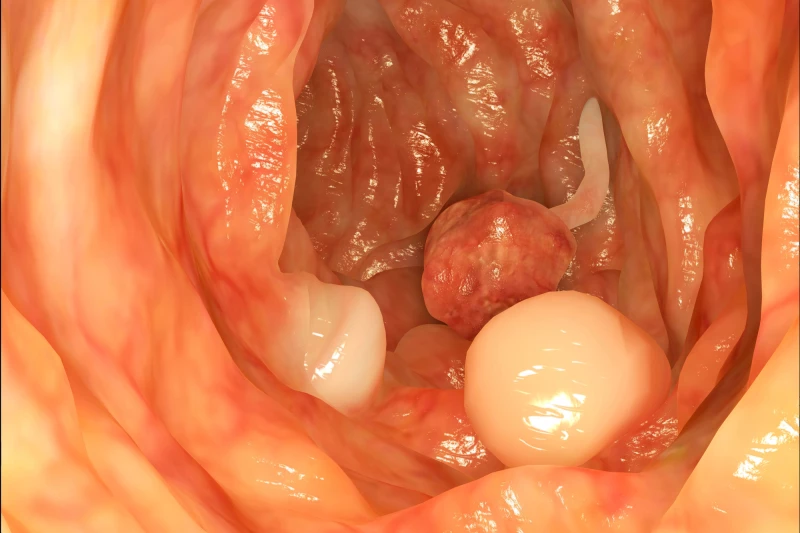
Depositphotos
Follow-up colonoscopies provided additional insights. Researchers found that high levels of F. prausnitzii in rectal tissue nearly tripled the risk of developing new polyps, while elevated C. maltaromaticum levels reduced the risk of serrated polyps by about 85%. The latter finding was only marginally significant, so it remains tentative. Stool samples, meanwhile, showed no consistent association between bacterial levels and polyp risk.
Limitations of the study
The study presents some caveats: statistical correction erased the significance of the F. prausnitzii finding, researchers did not identify specific bacterial strains, and the results may not generalize beyond the mostly older, White participants from Tennessee.Moreover, the trial lasted only 12 weeks, leaving long-term effects uncertain.
Still, the evidence suggests magnesium supplementation could be a preventive tool against colorectal cancer, especially for women and those without certain TRPM7 mutations.This points toward a potential “precision nutrition” approach, where genetic testing actively identifies the individuals most likely to benefit – though researchers must conduct more studies before turning this into clinical advice.
Read the original article on: New Atlas
Read more: One Capsule, Timed Doses: New Pill Releases Medication in Stages