

Javier Miranda on Unsplash
Here’s some uplifting news: the Earth’s ozone shield is on the mend. In 2024, the seasonal gap in the stratosphere measured smaller than during the years 2020 through 2023.
A step toward full protection
This signals progress toward restoring full ozone coverage, which protects us from the Sun’s damaging ultraviolet radiation. The World Meteorological Organization (WMO), a UN body that monitors ozone depletion, attributes the improvement to decades of international collaboration in curbing harmful emissions.
On September 16, the WMO released a bulletin marking 40 years since the Vienna Convention, an agreement initially signed in 1980 that laid the foundation for global research and action on the ozone layer. The effort gained momentum with the Montreal Protocol of 1987, under which nations committed to phasing out ozone-depleting chemicals.
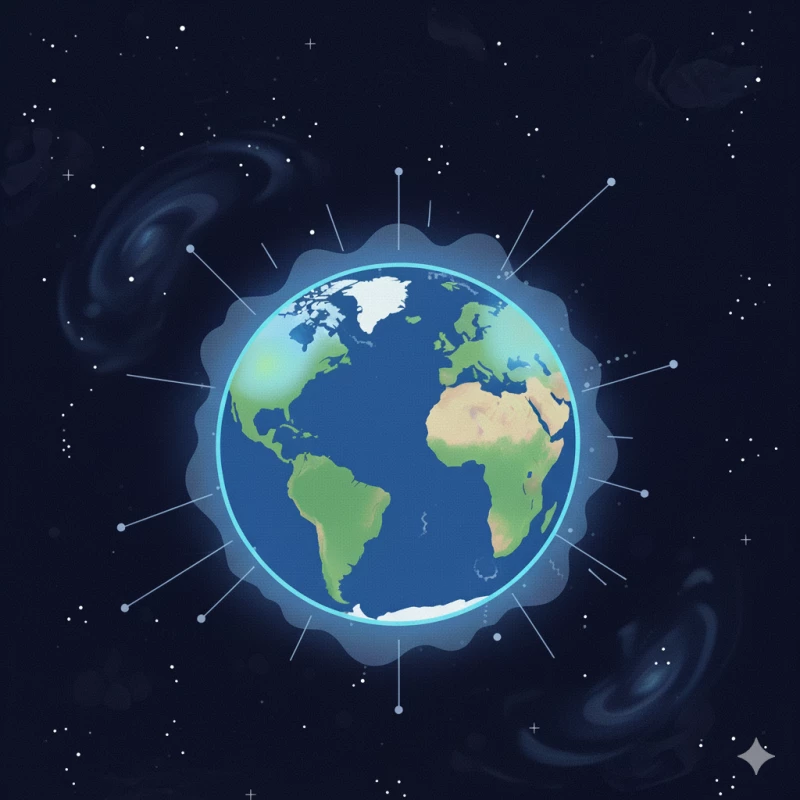
Image generated using Google Gemini 2.5 Flash
Thanks to that treaty, more than 99% of substances such as chlorofluorocarbons (CFCs)—once common in refrigeration, air conditioning, and aerosols—have been eliminated. If these efforts continue, the ozone layer could return to 1980s levels by mid-century, cutting risks of skin cancer, cataracts, and ecological harm caused by excess UV radiation.
A milestone in Antarctica
Notably, the 2024 Antarctic ozone hole was less severe than the 1990–2020 average, a milestone achievement for the planet.

USEPA Environmental Protection Agency
The report also points to progress in climate protection. The Kigali Amendment of 2016, an extension of the Montreal Protocol, is driving a global phase-out of hydrofluorocarbons (HFCs). While HFCs don’t damage ozone directly, they are potent greenhouse gases. With 164 nations now on board, the agreement could prevent up to 0.5 °C of warming by 2100.
Based on its 2022 assessment, the WMO projects that ozone will return to pre-hole conditions by 2066 over Antarctica, 2045 in the Arctic, and around 2040 elsewhere. The next review, due in 2026, will show whether continued international cooperation is strong enough to keep those targets within reach.
Read the original article on: New Atlas
Read more: Climate Change’s Earliest Detectable Sign Emerged 130 Years Ago


