
A groundbreaking compound, evenamide, has been shown to calm overactive brain circuits in animal models of schizophrenia, leading to improvements in memory, social behaviors, and dopamine regulation—offering hope for treating symptoms that existing antipsychotics fail to address.
A Complex Disorder with Multiple Symptom Types
Schizophrenia presents a complex mix of positive symptoms (such as hallucinations and delusions), negative symptoms (like social withdrawal and loss of pleasure), and cognitive issues (including memory and decision-making problems). While current antipsychotics can help manage positive symptoms, they often do little for negative or cognitive ones, and some patients develop resistance to these drugs.
In preclinical tests, evenamide improved all three symptom categories—positive, negative, and cognitive—suggesting a broader therapeutic reach. “This study indicates that evenamide holds strong potential for addressing multiple aspects of schizophrenia,” said Anthony Grace, PhD, professor of neuroscience, psychiatry, and psychology at the University of Pittsburgh.
Traditional antipsychotics work by blocking type 2 dopamine (D2) receptors, which reduces the effects of excessive dopamine activity in the brain—commonly linked to positive symptoms. While effective for hallucinations and delusions, this approach rarely improves cognitive or negative symptoms and can cause side effects such as stiffness, tremors, or hormonal changes.
A New Approach Targeting the Hippocampus
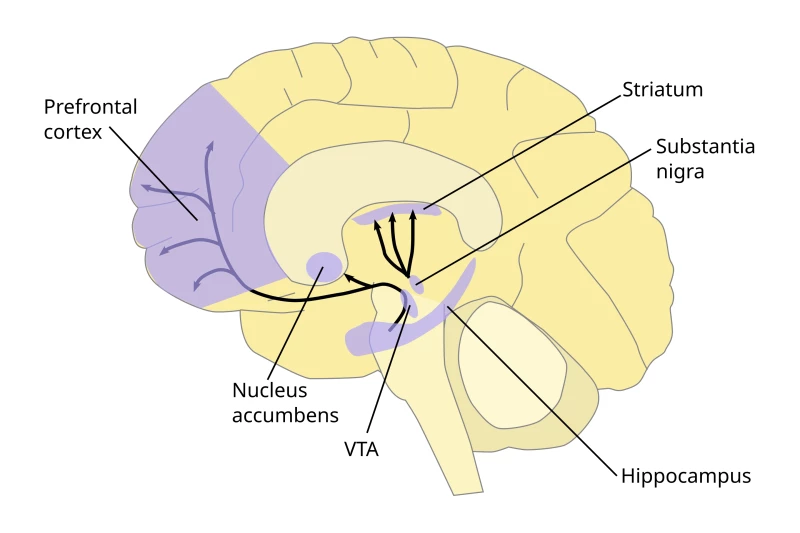
Researchers at Newron Pharmaceuticals, an Italy-based company specializing in central nervous system therapies, took a different route. They targeted the hippocampus, a brain region that can become hyperactive in schizophrenia due to the loss of inhibitory GABA neurons.
Evenamide, the first drug of its kind, selectively reduces the overactivity of certain neurons—especially in the hippocampus—by blocking voltage-gated sodium channels that enable electrical signaling. Unlike broader-acting drugs, it calms only the neurons firing excessively, leaving normal brain activity intact. “Evenamide uniquely addresses the hippocampal overactivity seen in schizophrenia without the side effects of D2 receptor blockade,” Grace explained, noting its benefits in behavioral symptoms neglected by standard treatments.
Wikimedia Commons/Quasihuman
Using the MAM rat model—a well-established mimic of schizophrenia—researchers administered single doses of evenamide either into the abdominal cavity or directly into the ventral hippocampus. The drug normalized dopamine neuron activity, reduced overactive hippocampal pyramidal neurons, restored memory in both sexes, and improved social interaction in males. Females showed no social deficits to correct, so no change was observed there.

Fernando @cferdophotography on Unsplash
Grace noted that the memory benefits suggest evenamide could enhance cognitive function in patients, potentially improving their daily lives. “D2-based antipsychotics don’t address cognitive impairments, which remain a major burden for patients,” he said.
Looking Ahead to Clinical Trials
The study examined only short-term dosing and left some sex-specific effects unexplained, but the findings align with earlier clinical trial results.Ravi Anand, Newron’s Chief Medical Officer, stated that the data support the likelihood of success in the company’s ongoing Phase III program, potentially introducing a new treatment paradigm for schizophrenia.
Read the original article on: New Atlas
Read more: Viral Traces Found in Brain Lining of Individuals With Schizophrenia