
Tag: Batteries

  • This Durable Phone Lets you Swap Batteries Without Powering off

    This Durable Phone Lets you Swap Batteries Without Powering off

    Ulefone, already known in the rugged smartphone market, is now launching a sub-brand focused on niche innovations for users seeking distinctive devices, kicking off with an impressive flagship.
    Image Credits:The buffer battery grants you 180 seconds within which to swap out the main battery without switching off the phone
    RugOne

    Ulefone, already known in the rugged smartphone market, is now launching a sub-brand focused on niche innovations for users seeking distinctive devices, kicking off with an impressive flagship.

    RugOne launched the Xever 7 Pro last month, building a rugged phone with a unique hot-swappable 5,550 mAh battery.

    True Hot-Swap Power With Built-In Backup Battery

    Yes, hot-swappable. A built-in buffer battery lets you swap batteries for up to three minutes without powering off or interrupting apps.

    It’s a seriously impressive setup. Removable backup batteries let you carry spares, extend the phone’s life, and cut electronic waste.

    RugOne ships the 7 Pro with an extra battery and offers a smart add-on that charges spare cells. The foldable charger powers the phone at 28 W, and also serves as a desk stand and spare battery holder. On top of that, the phone supports reverse charging through its USB-C port, letting you top up accessories like earbuds.
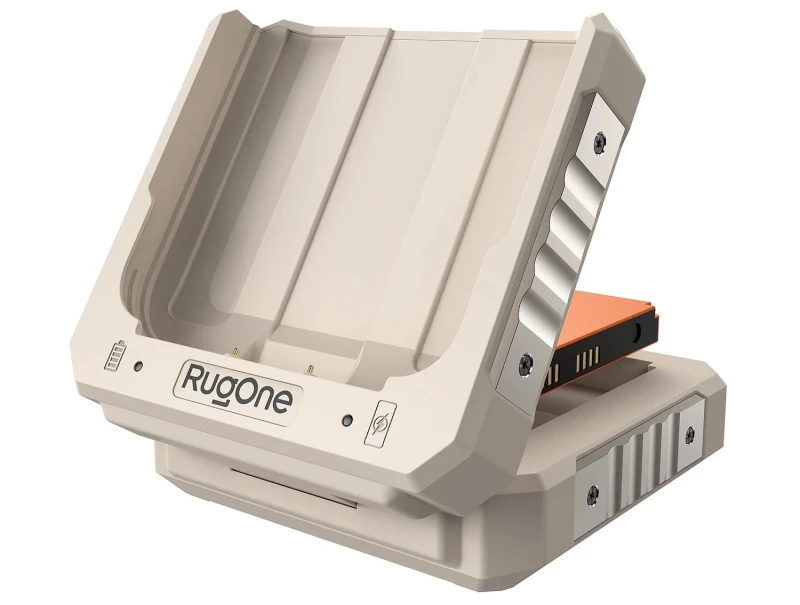
    Image Credits:This charging station can juice up a spare battery as well as the phone, and act as a dock for your desk too
    RugOne

    Beyond its battery features, RugOne built the Xever 7 Pro as serious outdoor gear, giving it IP68/IP69K dust and water resistance, MIL-STD-810H drop protection up to 2 m, and a 230-lumen flashlight with three brightness levels.
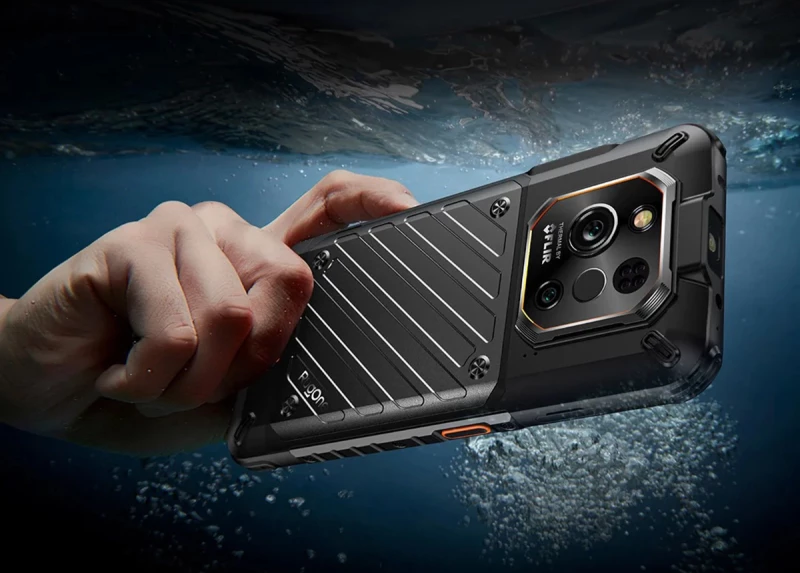
    Image Credits:The Xever 7 Pro is waterproof down to 6.5 feet, so you can use it as an action cam underwater
    RugOne

    Thermal Imaging Camera for Night and Heat Detection

    The 7 Pro also brings an extra standout feature.RugOne partnered with FLIR to add a thermal camera that detects 14 °F–842 °F (10 °C–450 °C) heat signatures, useful for spotting wildlife, tracking heat trails, and inspecting gear for fire risks.
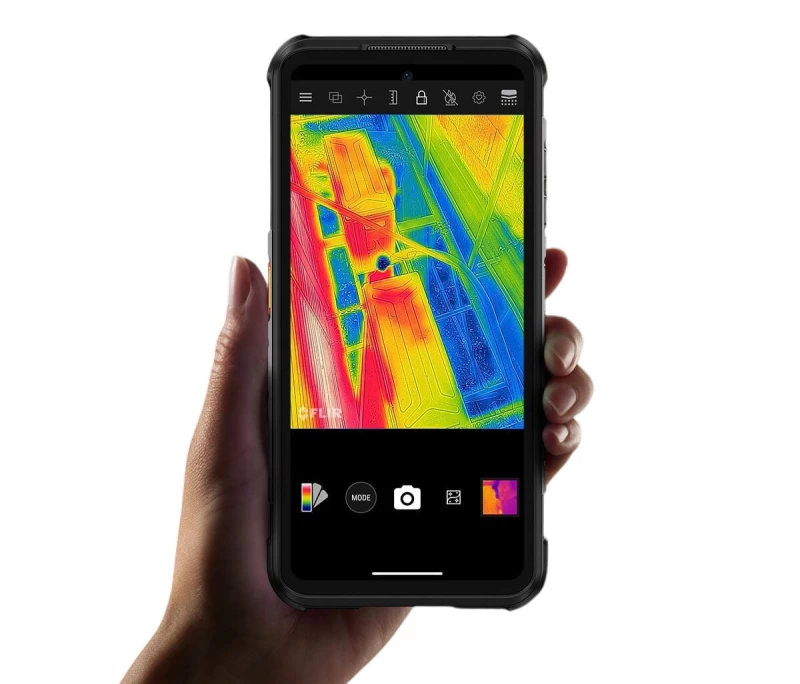
    Image Credits:What good is a rugged phone without thermal imaging? This one gets a camera system made in collaboration with FLIR
    RugOne

    It also features a 64-megapixel night-vision camera paired with four infrared LEDs, delivering clear, well-lit images in low light. The 50MP rear camera shoots underwater without extra casing, perfect for outdoor adventures.

    Image Credits:The 64-megapixel night vision camera works in tandem with four infrared LEDs for bright shots in the dark
    RugOne

    Aside from its specialty features, the 7 Pro offers solid but not class-leading hardware that should comfortably handle everyday tasks. It features an octa-core MediaTek Dimensity 7025, 12 GB RAM, 512 GB storage, and a 6.67-inch 120 Hz AMOLED display (2,200 nits) with Gorilla Glass 3, all in a rugged 11.4 oz (325 g) body.

    Software and Accessories

    Out of the box, it runs Android 15 and is slated to receive three additional OS upgrades. In the box, you’ll find a 33-W charger, a spare water-sealed rear panel to change the look, and a holder for the extra battery.

    The Xever 7 Pro is priced at US$659.99, plus shipping, through RugOne’s own store and AliExpress. For those who don’t need the thermal camera, the standard Xever 7 costs $529 and still includes the hot-swappable battery system.


    Read the original article on: Newatlas

    Read more:Why it’s Beneficial To Urinate After Sex
  • Humanoid Robot Replaces Its Own Batteries for Continuous 24/7 Operation

    Humanoid Robot Replaces Its Own Batteries for Continuous 24/7 Operation

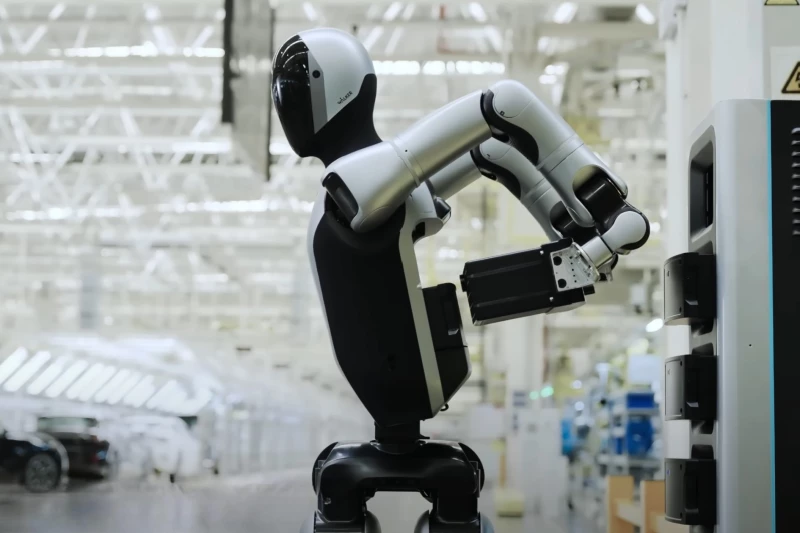
    Until now, robot workers had to stay plugged in or recharge periodically. UBTech has introduced the Walker S2 humanoid, which features dual batteries and can autonomously perform hot-swapping.
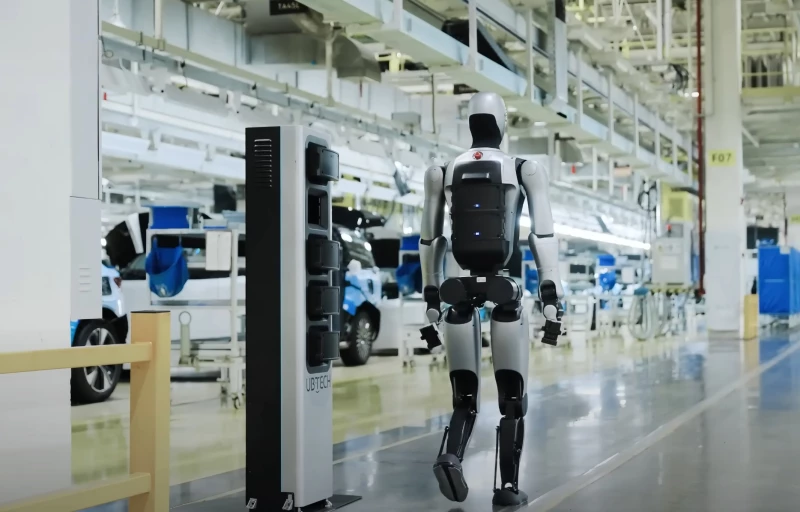
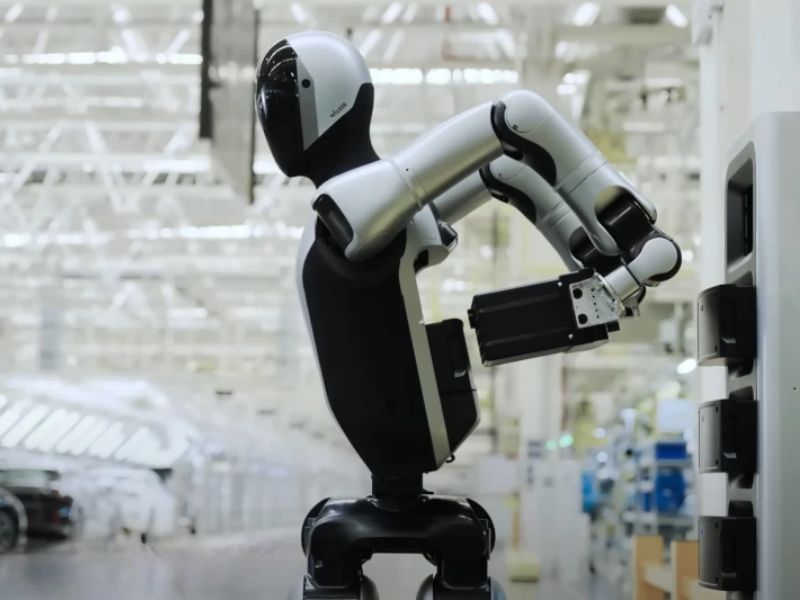
    Image Credits: The Walker S2 features a dual-battery design, and can swap out a depleted module at a strategically placed battery station
    UBTech

    Until now, robot workers had to stay plugged in or recharge periodically. UBTech has introduced the Walker S2 humanoid, which features dual batteries and can autonomously perform hot-swapping.

    Bringing Battery Swapping Convenience to Humanoid Robots

    The basic concept of battery swapping in transportation is to quickly replace a drained battery with a fully charged one, avoiding long recharge times. UBTech is now applying this same level of convenience to its humanoid robots.

    The forthcoming Walker S2 worker robot features two battery compartments located on its back. When a battery runs low, the humanoid moves to a swap station, rotates its torso, and uses built-in tools to replace it with a charged one.

    In the video, Walker S2’s hands appear swapped out for the demo, but the final version will likely combine battery tools with functional manipulators for regular tasks.

    This setup clearly enables the potential for near-continuous 24/7 operation. Factory swap stations handle recharging, so S2’s only downtime is briefly swapping batteries before returning to work.

    The swap stations can monitor the condition of each battery, allowing maintenance teams to replace any units showing signs of diminished capacity.

    So far, Shenzhen-based UBTech hasn’t released detailed information about its new humanoid, leaving much to speculation. The S2 will likely use head-mounted cameras to spot charged batteries and autonomously swap them in dynamic industrial settings.

    Human-Like Design with Functional Features for the Factory Floor

    The robot, about 170 cm tall, walks like a human and features a display under its sensor array to share status updates with coworkers. An emergency shutdown button is located on its back—just in case.

    We’ll have to wait for the official product page to get more details on specifications, pricing, and availability.


    Read the original article on: New Atlas

    Read more:Conifer’s Iron-Based Electric Motors Bypass China’s Rare Earth Monopoly

  • U.S. Data Center to use Non-foreign lithium Batteries

    U.S. Data Center to use Non-foreign lithium Batteries

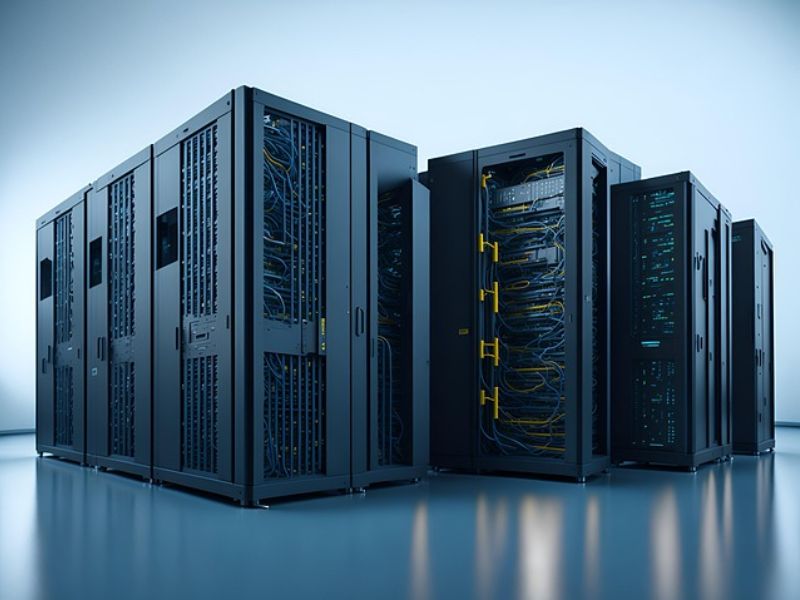
    A data center developer and a battery startup will debut a new kind of energy storage at a U.S. data center, marking the latest effort by tech firms to address the rising energy demands of artificial intelligence.
    Credit: Pixabay

    A data center developer and a battery startup will debut a new kind of energy storage at a U.S. data center, marking the latest effort by tech firms to address the rising energy demands of artificial intelligence.

    Prometheus Hyperscale and XL Batteries will install an organic flow battery at Prometheus’ one-gigawatt Wyoming data center, starting with a pilot in 2027 and expanding by 25 megawatts in 2028 and 2029. Unlike traditional batteries, organic flow batteries use pumped electrolytes—rather than lithium—to store and discharge energy.

    U.S. Data Centers Set to Consume More Electricity by 2035

    Data centers powering AI and cloud services already consume vast amounts of electricity, and demand is expected to keep rising. BloombergNEF projects that U.S. data centers will grow from using 3.5% of the nation’s electricity today to 8.6% by 2035.

    To meet rising demand, utilities and hyperscalers are exploring options like new gas plants, reactivating nuclear sites, and harnessing geothermal energy. Both conventional lithium-ion batteries and alternative flow batteries can store renewable energy to help support data center operations.

    We’re seeing limitless demand, and by demonstrating the effectiveness of our technology, we hope this is just the beginning,” said XL CEO Tom Sisto.

    A New, Cost-Effective Solution for U.S. Data Centers

    No organic flow batteries are publicly known to be in use at U.S. data centers, though undisclosed projects may exist, says Evelina Stoikou of BloombergNEF. XL’s organic flow batteries, using salt water as the electrolyte, are cheaper to produce than vanadium-based systems and don’t rely on foreign lithium. They also offer longer power duration than lithium-ion batteries, according to Sisto.

    We require batteries that match or exceed lithium’s performance without the risk of overheating for use in our data halls,” said Prometheus CEO Trenton Thornock in a statement. “XL Batteries’ organic flow technology provides a scalable, long-lasting, and non-toxic energy storage option.

    The companies did not disclose the financial details of the agreement.

    Prometheus has stated that its Wyoming data center will utilize natural gas along with carbon capture and storage, and the company has also signed a letter of intent for power with Oklo, the advanced nuclear firm supported by Sam Altman.


    Read the original article on: Techxplore

    Read more: Fusion Energy is Grappling with a Fuel Issue—But Hexium Offers a Laser-Based Fix

  • Coreshell Aims to Significantly Reduce the Cost of U.S. Made Batteries

    Coreshell Aims to Significantly Reduce the Cost of U.S. Made Batteries

    The shift to electric vehicles is largely a story centered on China. Government subsidies there have not only fueled automakers but also strengthened the entire battery supply chain. Decades of industrial policies controlling critical mineral resources have given China a dominant position, leaving American and European automakers struggling to compete.
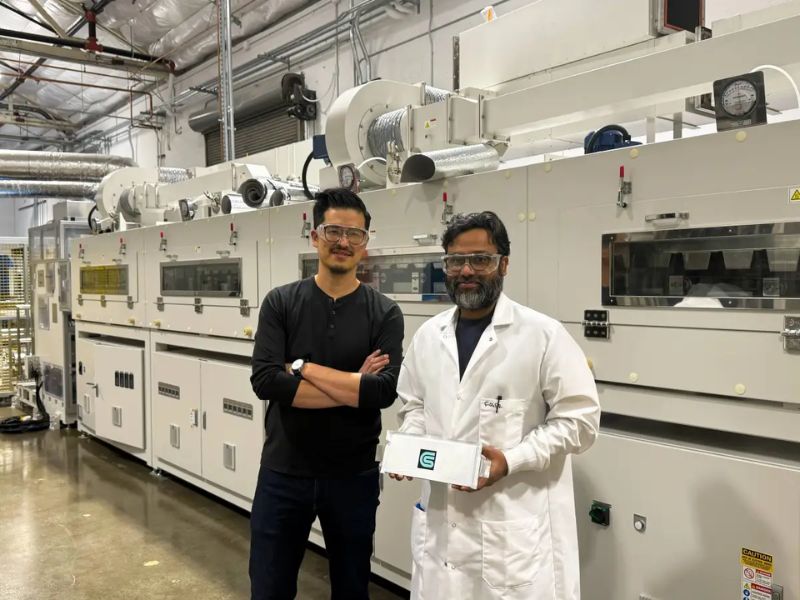
    Image Credits:Coreshell

    The shift to electric vehicles is largely a story centered on China. Government subsidies there have not only fueled automakers but also strengthened the entire battery supply chain. Decades of industrial policies controlling critical mineral resources have given China a dominant position, leaving American and European automakers struggling to compete.

    Graphite is a prime example. Every lithium-ion battery, regardless of chemistry, requires graphite for some or all of its anode, and Chinese companies produce 99% of all graphite anode materials, according to Benchmark Mineral Intelligence.

    If you try to make graphite in the U.S., it will always be more expensive than Chinese graphite. To compete in the U.S. or Europe, you need a technical edge or material differentiation,” said Jonathan Tan, co-founder and CEO of Coreshell, in an interview with TechCrunch.

    Coreshell believes it has that competitive edge. Instead of directly challenging Chinese graphite production, the company is taking an alternative approach—replacing graphite with its specially coated silicon.

    Coreshell Secures $24M in Series A2 Funding to Accelerate Silicon Anode Adoption

    To expand its reach and get samples to more automakers, Coreshell has raised $24 million in a Series A2 funding round, exclusively disclosed to TechCrunch. Ferroglobe, Coreshell’s silicon supplier, led the round, with participation from Asymmetry Ventures, Estrada Ventures, Foothill Ventures, Helios Climate Ventures, Lane Ventures, Translink Investment, Trousdale Ventures, and Zeon Ventures.

    Researchers have long considered silicon anodes a potential replacement for graphite since they store about ten times more electrons, reducing the material needed per battery cell. However, silicon tends to be brittle in batteries, making it difficult to use effectively.

    Startups like Sila and Group14 have developed methods to create more durable silicon anode materials and are now working to scale production. However, the type of silicon they use is costly to manufacture, limiting its adoption primarily to high-end automakers like Mercedes and Porsche.

    Coreshell claims it can utilize significantly cheaper metallurgical-grade silicon, which Ferroglobe has committed to supplying entirely from its U.S. operations. By applying its proprietary coating to small silicon beads, Coreshell has developed a method to stabilize the material, preventing degradation over the thousands of charge-discharge cycles an EV battery typically endures.

    Coreshell Rolls Out 60Ah Sample Batteries and Expands Capacity

    In December, the startup produced its first 60 amp-hour sample batteries for automakers and has since established a four-megawatt-hour production line to meet testing demands. CEO Jonathan Tan stated that Coreshell aims to secure agreements with major automakers within the next year.

    By leveraging metallurgical-grade silicon, Coreshell believes it can outperform Chinese graphite on both cost and efficiency. The company asserts that pairing its silicon anode with a lithium-iron-phosphate (LFP) cathode can match the performance and range of today’s graphite-anode, nickel-manganese-cobalt (NMC) cathode batteries—at a lower cost. For automakers seeking even greater range and performance, Coreshell’s silicon anode can also be combined with an NMC cathode.

    This technology enhances vehicle range across the board,” Tan said. However, he emphasized that while a 500-mile range is appealing for luxury models, the mass market requires affordable 300-mile EVs that are profitable for manufacturers. “That’s where we’re focused.”

    To enable automakers to sell EVs profitably, Tan believes a superior alternative to Chinese graphite is essential.

    Right now, China is mass-producing and flooding the market with cheap graphite,” he said. “To compete, we need an inherent technical and material advantage—something that delivers a lighter, lower-cost battery.”


    Read the original article on: TechCrunch

    Read more: 3D-Printed Fungal Battery Powered by Sugar Metabolism

  • Abandoned Mines May Be Repurposed as Gravity-Powered Batteries

    Abandoned Mines May Be Repurposed as Gravity-Powered Batteries

    Credit: Pixabay

    A gravity battery generates electricity by releasing a heavy load, converting potential energy into power when grid demand is high. When surplus energy is available, the system lifts the load back up for future use.

    A common example is pumped-storage hydroelectric systems, where water flows downhill to generate power and is pumped back up when there’s excess energy.

    In 2022, researchers at Austria’s IIASA proposed using regenerative braking in high-rise elevators to generate electricity as weighted loads move between floors, managed by autonomous robots.

    Building on this, they introduced the Underground Gravity Energy Storage (UGES) system, which uses abandoned mine shafts to store energy. Elevators in the shafts would raise and lower sand-filled containers, generating electricity through regenerative braking.

    To optimize efficiency, the system would transport sand to the bottom of the shaft when energy demand is high. Over time, as the lower storage area fills up, surplus grid energy would be used to bring sand back to the surface. Electric conveyor belts and dump trucks would handle the loading and unloading process.

    A Promising Global Energy Solution

    A diagram of the proposed Underground Gravity Energy Storage system
    Hunt, et al

    Researchers estimate that UGES could store between 7 and 70 terawatt-hours (TWh) of energy worldwide. Countries with numerous abandoned mines—such as China, India, Russia, and the US—would be prime locations for these storage plants.

    Beyond energy storage, UGES could also create new jobs in mining communities affected by closures. “When a mine shuts down, thousands of workers lose their jobs. UGES could provide employment opportunities as these mines transition to energy storage facilities,” explained Julian Hunt, IIASA’s lead researcher on the study. “Since mines already have essential infrastructure and power grid connections, the cost of implementing UGES is significantly lower.”

    Since this study was first published, Hunt has received interest from various stakeholders, including three mine owners, two investors (one of whom is a YouTube executive), and three project developers. Additionally, he is developing new gravity-based energy storage concepts and plans to publish more research later in 2025.


    Read Original Article: New Atlas

    Read More: Thermal stabilization of a conductive polymer streamlines bioelectronics manufacturing.

  • High-Performance Ni-Rich Cathode Materials for Advanced All-Solid-State Batteries

    High-Performance Ni-Rich Cathode Materials for Advanced All-Solid-State Batteries

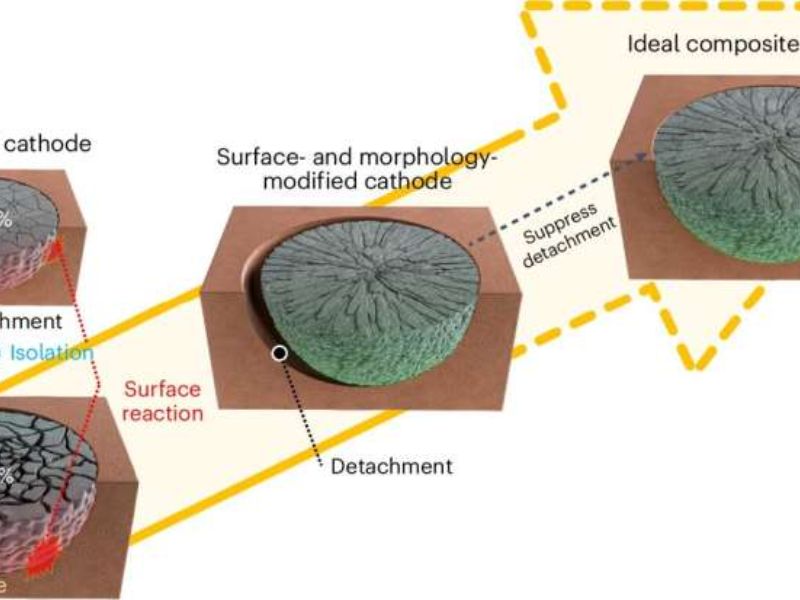
    Schematic illustration of strategies to overcome each factor of capacity fading in ASSBs. Credit: Nature Energy (2025). DOI: 10.1038/s41560-025-01726-8

    Energy researchers are continuously exploring new battery technologies to advance the electronics industry. Their goal is to develop batteries that charge faster, last longer, and offer extended overall lifespans. Among the most promising options are all-solid-state batteries (ASSBs), which could meet these demands.

    Unlike conventional lithium-ion (Li-ion) batteries that use liquid electrolytes, ASSBs rely on solid electrolytes. This design enhances safety since solid electrolytes are less likely to catch fire and allows for higher energy densities, meaning they can store more energy.

    A key component of these batteries is the cathode active material (CAM), responsible for storing and releasing lithium ions. Nickel (Ni)-rich layered materials have shown great potential as CAMs, but they also present challenges. Studies have revealed that Ni-rich cathodes contribute to capacity fading—reducing the battery’s ability to hold a charge over time. This decline results from chemical reactions at the CAM-electrolyte interface, along with structural changes like expansion, contraction, and particle disintegration.

    To better understand how Ni content affects battery degradation, researchers at Hanyang University in South Korea conducted a study published in Nature Energy. Their work led to the development of improved Ni-rich cathodes designed to enhance the performance and lifespan of ASSBs.

    “ASSBs with Ni-rich layered CAMs and sulfide solid electrolytes hold great potential as next-generation batteries due to their high energy density and safety,” wrote Nam-Yung Park, Han-Uk Lee, and their team. “However, severe capacity fading occurs due to surface degradation at the CAM-electrolyte interface and drastic lattice volume changes, leading to inner-particle isolation and CAM detachment from the electrolyte.”

    Analyzing Degradation: Investigating Ni-Rich Cathodes with Varying Compositions

    Crack formation behavior in S-Ni90 and SM-Ni90 CAMs at the charged state. Credit: Nature Energy (2025). DOI: 10.1038/s41560-025-01726-8

    To identify and quantify the factors contributing to degradation, the researchers synthesized four types of Ni-rich cathodes with varying Ni content (80–95%). These included pristine Li[NixCoyAl1−x−y]O2 cathode materials, boron-coated CAMs, Nb-doped CAMs, and CAMs that were both boron-coated and Nb-doped. They then analyzed how each variation affected the degradation process.

    Their findings revealed that in cathodes with 80% Ni, surface degradation at the CAM-electrolyte interface was the primary cause of capacity fading. However, when Ni content exceeded 85%, inner-particle isolation and CAM detachment from the electrolyte played a more significant role.

    Using these insights, the team engineered new Ni-rich CAMs with modified surfaces and structures. These materials featured columnar designs that reduced particle detachment and inner-particle isolation. When tested in a pouch-type full cell with a C/Ag anode-less electrode, the improved cathodes retained 80.2% of their initial capacity after 300 cycles.

    This study provides valuable insights into the challenges of ASSBs and offers a pathway toward more durable, high-performance batteries. These advancements could accelerate the widespread adoption of ASSBs, bringing next-generation battery technology closer to reality.


    Read Original Article: TechXplore

    Read More: Engineers develop a more efficient burner to cut methane emissions.

  • Color ePaper Display Ditches Batteries for Wireless Power

    Color ePaper Display Ditches Batteries for Wireless Power

    E Ink screens are known for being easy on the eyes and providing excellent battery life due to their minimal power consumption. However, a new display developed by Digital View operates completely without a battery, drawing power instead from an overhead Wi-Charge wireless power system.
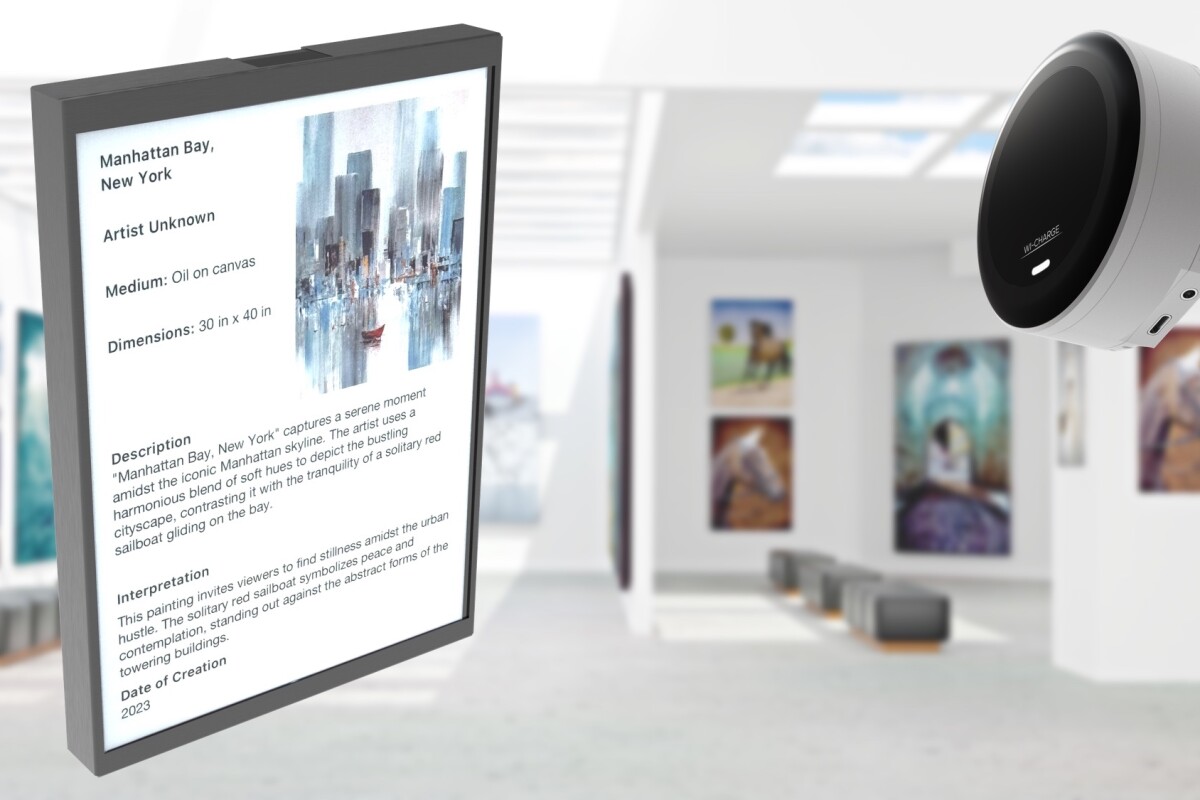
    A color E Ink display that’s updated over Wi-Fi and powered wirelessly too
    Digital View

    E Ink screens are known for being easy on the eyes and providing excellent battery life due to their minimal power consumption. However, a new display developed by Digital View operates completely without a battery, drawing power instead from an overhead Wi-Charge wireless power system.

    Before avid e-reader fans get too enthusiastic, this innovation has limited usefulness for such devices since the screens won’t refresh or turn pages outside the power transmission range.

    Nonetheless, it shows great potential for applications like advertising displays in retail settings, informational kiosks in museums and art galleries, scheduling boards at transportation hubs, and dynamic signage in meeting rooms.

    Remote Updates and Wireless Power Keep Always-On Displays Efficient

    The onboard Wi-Fi allows for remote updates to the always-on display, while an overhead Wi-Charge module wirelessly powers multiple units at once. Each display reportedly draws about 500 mW for Wi-Fi connection, image or information retrieval, and writing, though it requires much less power in standby mode.

    Content management can be undertaken remotely, and a single AirCord module can wirelessly power multiple displays
    Digital View

    AirCord Power Module Offers Infrared Wireless Charging for ESP6-13 Displays

    The product page for the ESP6-13 ePaper monitor lists the puck-shaped AirCord power transmission module as an option, but it requires prior overhead installation in the building where the displays will be used.

    According to Wi-Charge, each transmitter uses infrared technology to “beam several watts of power at distances of 30 ft or more to thumb-sized receivers” embedded in the Digital View displays.

    E Ink Spectra 6 Display

    The 13.3-inch E Ink Spectra 6 color ePaper display offers a resolution of 1,200 x 1,600 pixels and is “highly visible in normal ambient light and bright conditions, making it ideal for public signage.” Each ESP6-13 monitor features an aluminum frame and includes built-in Wi-Fi, Bluetooth, and USB-C connectivity.

    In a LinkedIn post, Wi-Charge stated, “This innovative display combines Wi-Fi connectivity with wireless power, enabling remote content management and unprecedented placement flexibility, as it requires no wires or battery replacements due to its wireless power source.”

    As is common with business-focused technologies, the company has not disclosed pricing details. Companies and institutions seeking more information should contact the company directly.


    Read the original article on: New Atlas

    Read more: Should You Switch Off Your Computer Every Night?

  • Breakthrough Solution for Cold-Resistant, High-Energy-Density Batteries

    Breakthrough Solution for Cold-Resistant, High-Energy-Density Batteries


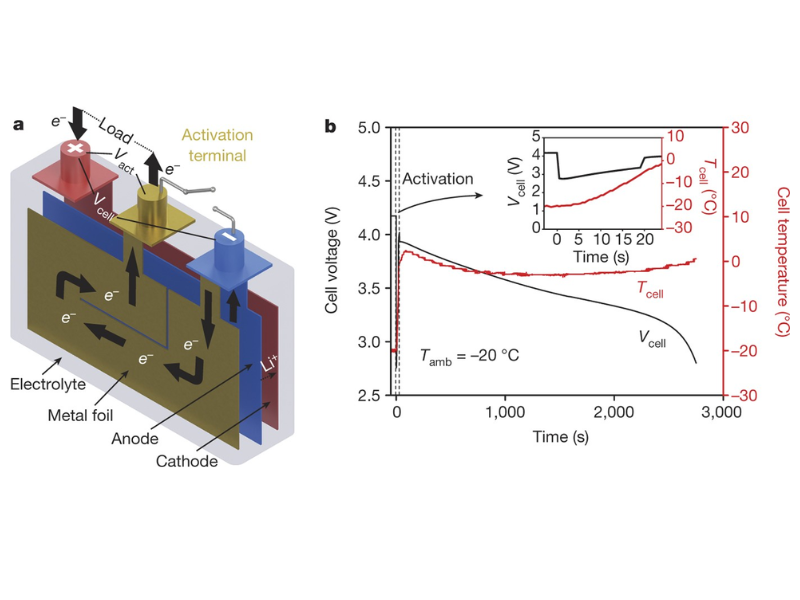
    a) Schematic: Metal foil inserted for internal heating and fast heat transfer to electrodes and electrolyte. Self-heating activated by switching off the connection between activation terminal and negative terminal. b) Evolution of cell voltage and temperature during activation at Vact = 0.4 V (inset) and subsequent 1C discharge at −20 °C. Battery temperature increases from −20 °C to 0 °C in ~20 s, enabling 1C discharge to occur at ~0 °C battery core temperature instead of ambient −20 °C. Credit: Nature

    While ubiquitous in most environments, lithium-ion batteries have long struggled in extreme cold temperatures, hindering their widespread use in applications like electric cars and aviation. However, a recent breakthrough offers promising solutions to this longstanding challenge, potentially revolutionizing various sectors.

    Overcoming Cold Temperature Challenges

    Traditionally, lithium-ion batteries exhibit reduced performance in cold climates due to slower charging rates and diminished energy storage capacity. While manageable in typical cold conditions, these limitations become more pronounced at extreme temperatures, presenting hurdles for applications like aviation, especially at high altitudes where temperatures plummet.

    Electrolytes are the primary culprit behind lithium-ion batteries cold intolerance. They struggle to maintain optimal performance across a wide temperature range. Conventional electrolytes excel in conducting lithium ions and interacting with anodes at moderate temperatures but falter as temperatures drop, compromising overall battery performance.

    The Breakthrough: FAN Electrolyte

    Professor Xiulin Fan of Zhejiang University’s pioneering team has developed a groundbreaking solution using a novel electrolyte composed of “small-sized solvents with low solvation energy.” This innovative electrolyte, dubbed FAN, demonstrates exceptional performance across varying temperatures, addressing the longstanding issue of cold-induced battery degradation.

    Demonstration batteries utilizing the FAN electrolyte exhibit remarkable ionic conductivity and charging/discharging capabilities across a temperature range spanning from -80°C to 60°C (-112°F to 140°F). Notably, at -70°C (-94°F), FAN outperforms alternative electrolytes by approximately 10,000 times, showcasing its superior cold resilience and efficiency.

    Promising Applications and Future Prospects

    The implications of this breakthrough extend beyond aviation, potentially impacting industries reliant on energy-dense batteries. Fan’s team asserts the scalability of their technology, hinting at broader applications across different metal-ion battery electrolytes. This versatility bodes well for grid operators seeking efficient energy storage solutions in colder regions, particularly during winter.

    The development of the FAN electrolyte marks a significant milestone in the pursuit of cold-resistant, high-energy-density batteries. As research progresses and this technology becomes more accessible, it promises to overcome longstanding barriers, facilitating the widespread adoption of electrification in diverse sectors.


    Read the original article on Nature.

    Read more: Engineers Develop Ultra-Fast Charging Lithium Battery.

  • Rechargeable Batteries Using Lithium-Ion Technology

    Rechargeable Batteries Using Lithium-Ion Technology

    Credit: Pixabay

    Indispensable lithium-powered rechargeable batteries enable extended usage of devices for hours or even days, packing millions of times more computing capability in your pocket than the technology that facilitated the Apollo 11 moon landing in July 1969.

    These handy technological innovations, initially brought to the commercial market in 1991 by Japanese companies Sony and Asahi Kasei, brought about a complete transformation in the world.

     Rechargeable Batteries Using Lithium-Ion Technology

    Lithium-ion batteries serve as a highly effective means of energy storage. In contrast to earlier versions, they boast a substantial energy density, allowing them to store a significant amount of energy within a compact space. Additionally, these batteries exhibit a prolonged lifespan and can undergo multiple recharge cycles. What’s even more promising is the ongoing development of next-generation lithium-ion batteries.

    Rechargeable batteries are actively contributing to the battle against climate change, particularly in the realm of powering electric vehicles. This is prompting an increasing number of countries, including Canada, the UK, the EU, China, and India, to consider prohibiting the sale of new vehicles powered by fossil fuels. In certain regions like Norway, these bans are scheduled to take effect as early as 2030.

    Big Companies 

    This comes in the wake of significant advancements in the battery industry recently unveiled by major corporations and prominent automobile manufacturers such as Samsung, Toyota, Ford, and Honda.

    A significant portion of the excitement revolves around solid-state batteries, which hold the potential for increased longevity, reduced size, faster charging times, and a higher power density. Certain companies assert their intentions to commence mass production as soon as 2024.


    Read the Original Article: DW

    Read More: Quantum batteries could recharge by redefining our understanding of time

  • Indonesia Seeks Australia’s Help in Becoming a Global EV and Battery Supplier

    Indonesia Seeks Australia’s Help in Becoming a Global EV and Battery Supplier

    Australia and Indonesia are strengthening their economic collaboration, leveraging their respective strengths in the clean energy transition. Indonesia is emerging as a manufacturer of electric vehicles and their accompanying batteries, while Australia possesses the necessary lithium reserves to support Indonesia's endeavors in this field.
    Credit: Michael Fousert/ unplash.

    Australia and Indonesia are strengthening their economic collaboration, leveraging their respective strengths in the clean energy transition. Indonesia is emerging as a manufacturer of electric vehicles and their accompanying batteries, while Australia possesses the necessary lithium reserves to support Indonesia’s endeavors in this field.

    During the visit of Indonesian President Joko “Jokowi” Widodo and Prime Minister Anthony Albanese, both leaders expressed their commitment to enhanced cooperation in the energy transition. In their joint communique on Tuesday, particular emphasis was placed on Indonesia’s endeavors to advance its electric vehicle manufacturing sector. Widodo aims to collaborate with Australia to fulfill Indonesia’s aspiration of becoming a prominent global hub for electric vehicle and battery production.

    Indonesia’s goals

    Indonesia has set ambitious goals aligned with its commitment to the Paris Agreement. By 2025, the country aims to have at least 20% of its vehicle production composed of electric vehicles, amounting to approximately 400,000 cars.

    To facilitate this transition, the Indonesian government has implemented initiatives such as the Low-Cost Green Car incentives and Low-Carbon-Emission Vehicle regulations.

    Currently, the majority of vehicles manufactured in Indonesia involve collaborations with foreign automakers. To produce electric vehicles, Indonesia has established joint ventures with Hyundai from Korea and SGMW from China.

    To support its vision, the Indonesian government envisions the Indonesia Battery Corporation (IBC) becoming a prominent hub for electric vehicle battery manufacturing. This strategy capitalizes on Indonesia’s abundant nickel reserves. However, the country faces challenges due to the scarcity of other necessary components for battery production, particularly lithium.

    Indonesia is aiming to become one of the top five global producers of electric vehicle batteries by 2040. To achieve this goal, securing access to essential minerals, including lithium, is crucial. Currently, Australia is the most attractive supplier of lithium for Indonesia due to its proximity. Australian mines are responsible for approximately half of the world’s lithium production, making it a significant player in the global market.

    Australia’s Geographical Advantage and Strategic Opportunities in Lithium Export

    While Chile and China are also important lithium suppliers (24% and 16% respectively), Australia’s geographical proximity gives it an advantage. Geopolitical changes, such as Chile’s plans to nationalize its lithium industry, and disruptions in global supply chains, including the Russia-Ukraine conflict and tensions between China and the US, further highlight the benefits of Australia exporting lithium to Indonesia.

    Although Australia is the largest producer of spodumene, a mineral rich in lithium, it has limited capacity for refining spodumene into lithium hydroxide, which is crucial for lithium-based batteries. Therefore, leveraging this resource as part of the global supply chain by collaborating with the battery and car industries in Indonesia and other countries is a logical step.

    Australia’s specialization in high value-to-weight components, such as those used in aircraft, vehicles, and medical equipment, helps overcome the challenges posed by its geographical distance from major markets. Exporting raw materials, including lithium, and importing the derivatives for producing high-value goods within Australia is a more cost-effective approach.

    Agreement on lithium achieve

    An agreement on lithium between Australia and Indonesia would have several benefits. In February 2023, the Western Australian government and the Indonesian Chamber of Commerce and Industry (KADIN) signed a memorandum of understanding (MOU) to explore partnership opportunities, particularly in the supply of critical minerals for the battery industry.

    Both countries are expected to sign an MOU to accelerate cooperation in the global battery and electric vehicle sector, as stated in the joint communique. It is crucial to view this cooperation as a broader endeavor, as an electric vehicle battery requires various components sourced from different countries, and the integration of the battery industry with the automotive industry is necessary to cater to global markets.

    The potential joint ventures between the two countries may extend to mineral processing. In Indonesia, most smelters are powered by coal, so collaboration on the energy transition should include a shift towards clean energy sources like wind, hydro, and solar power. As both countries embark on the energy transition to address climate change challenges, they should exploit the complementary aspects of their economies for mutual benefit.


    Read the original article on Tech Xplore.

    Read more: Electric Vehicles – The Reason Why Businesses Need Them.