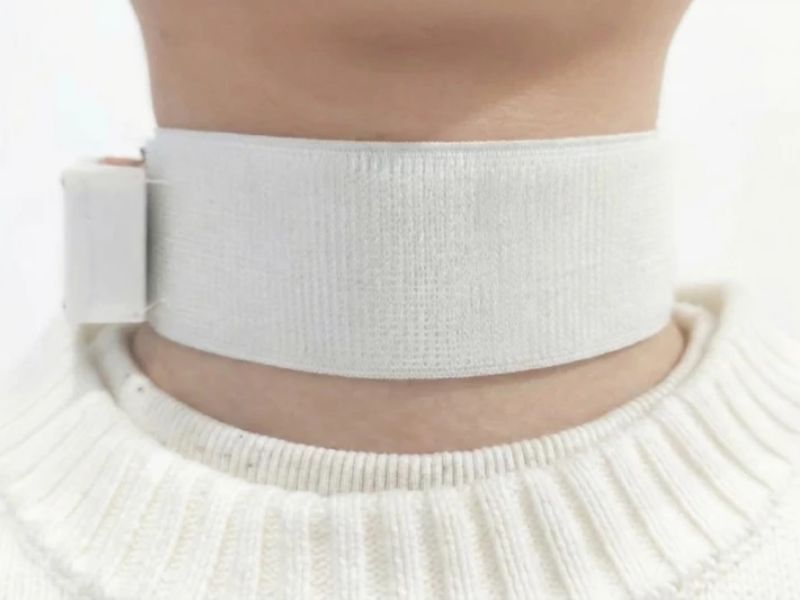
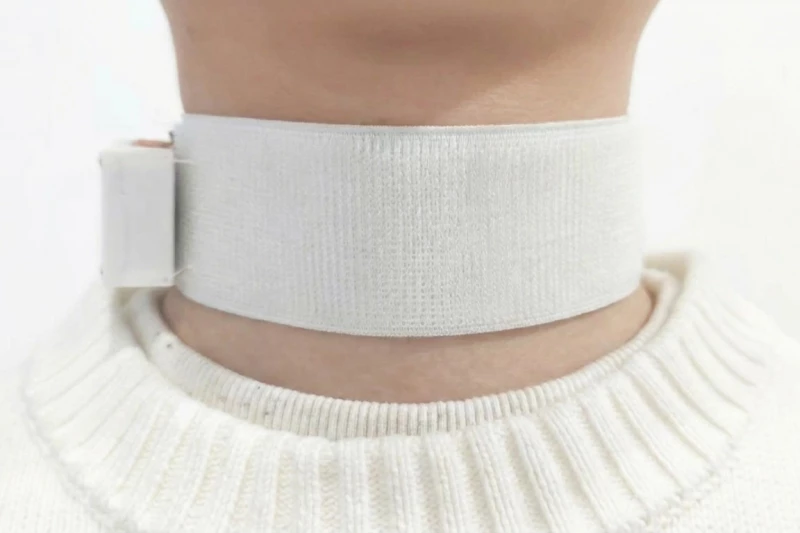
Image Credits:The Revoice device uses two AI agents to detect the wearer’s silently mouthed speech and emotional state, outputting speech via a synthetic voice module University of Cambridge
Dysarthria, a speech impairment, affects nearly half of stroke survivors, making it difficult to speak clearly or form full sentences due to weakened facial muscles and vocal cords. Recovery is often slow and frustrating, impacting quality of life during rehabilitation.
Researchers at the University of Cambridge have developed Revoice, a wearable device designed to help people with dysarthria communicate more naturally.
Bridging the Gap Between Thought and Speech After Stroke
“Stroke survivors with dysarthria know what they want to say but struggle physically because the stroke disrupts signals between the brain and throat,” says Prof. Luigi Occhipinti, a lead researcher.
Revoice reads and reconstructs signals, offering a non-invasive alternative to brain implants for temporary speech support.
Image Credits:One charge of Revoice’s battery should be good for a full day of use University of Cambridge
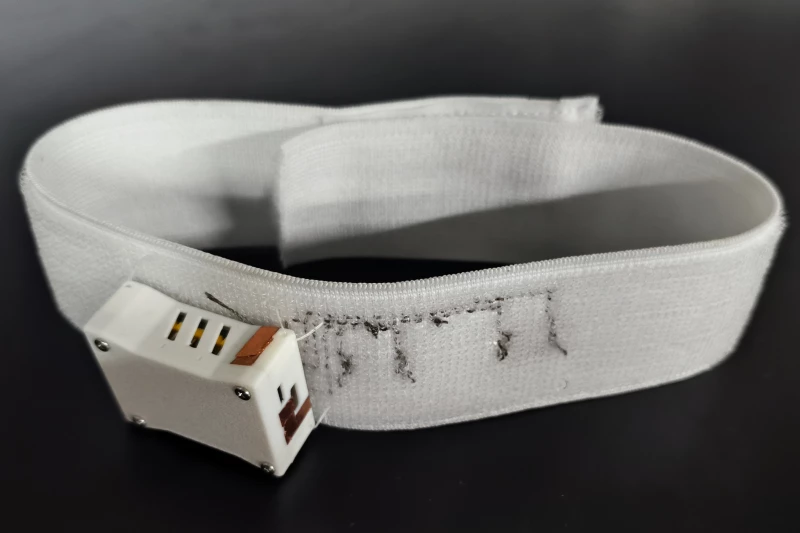
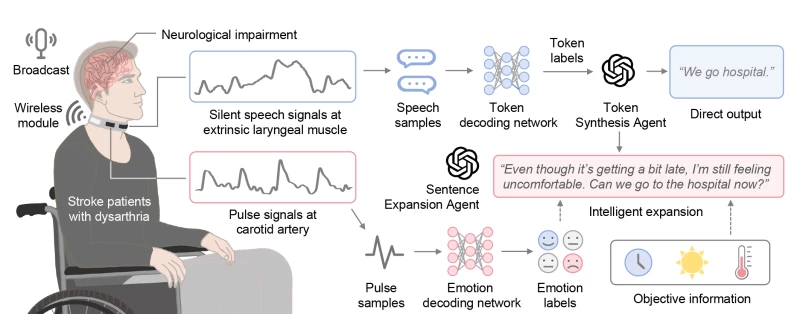
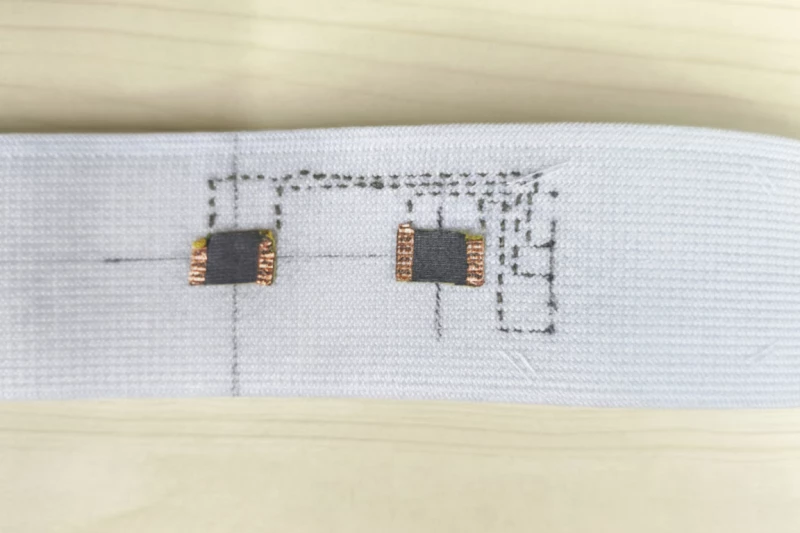
The device resembles a soft, adjustable choker equipped with textile strain sensors and a wireless circuit board. Its AI has two agents: one decodes mouthed speech and throat vibrations, the other detects emotion via neck pulse. This enables the device to generate full sentences that are both coherent and emotionally expressive.
Revoice Overcomes the Limitations of Traditional Silent-Speech Systems
Unlike earlier systems, Revoice uses AI throat sensors and a lightweight language model to instantly turn mouthed words into natural, fluent speech.
Image Credits:A diagram showing how Revoice works University of Cambridge
After testing on five stroke patients, Revoice showed low error rates and increased user satisfaction by 55%, converting silently mouthed phrases into full, fluent sentences.
The researchers suggest that Revoice could also benefit people with Parkinson’s disease or motor neuron disease.
Image Credits:Throat movements are detected via integrated strain sensors University of Cambridge
Here’s a paraphrase of your passage:
Revoice uses durable, breathable, and washable materials, making it suitable for everyday use. It runs on a 1,800-mWh battery, capable of lasting a full day on a single charge. The team must conduct further clinical testing before releasing the device commercially. If successful, the team plans to add multiple languages and more emotional expression.
The study detailing this work was recently published in Nature Communications.
Amazon has acquired AI wearables startup Bee, according to a LinkedIn post by co-founder Maria de Lourdes Zollo. Amazon told TechCrunch it acquired the company, but added that the deal still awaits finalization.
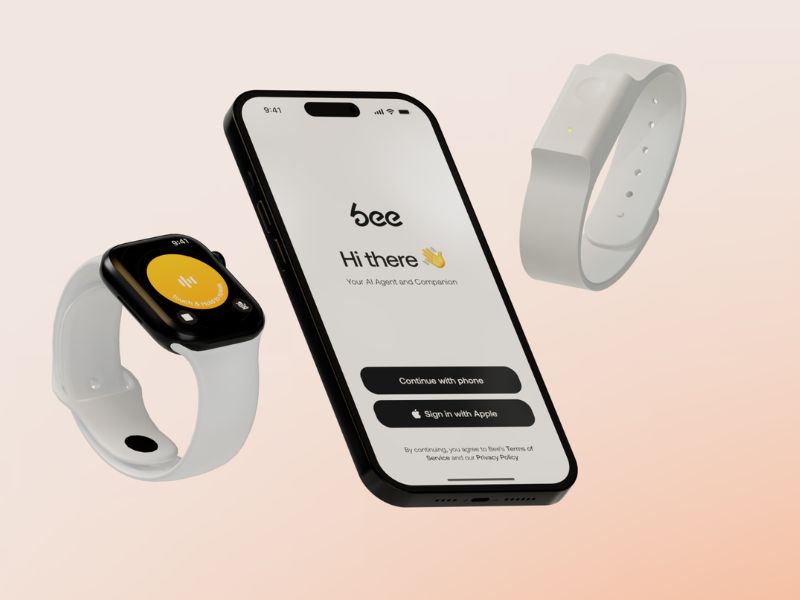
Bee, which raised $7 million last year, offers a wearable device resembling a Fitbit (sold for $49.99 with a $19 monthly subscription) and an Apple Watch app. The device continuously records audio—unless muted manually—to help generate reminders and to-do lists from conversations.
Bee Envisions a “Cloud Phone” for Seamless Access to User Accounts and Notifications
Zollo previously told TechCrunch the company aims to develop a “cloud phone,” essentially a digital reflection of the user’s smartphone, allowing the Bee device to access notifications and accounts to enable features like event reminders and messaging.
On its website, Bee describes its mission as making “personal, ambient intelligence” accessible—technology that acts more like a trusted companion than a tool, helping users remember, reflect, and navigate daily life more freely.
Companies like Rabbit and Humane AI have also ventured into AI-powered wearables but have struggled to gain traction. Bee, however, stands out with a more accessible $50 price point, appealing to consumers curious about the technology without a major financial risk—especially compared to the $499 Humane AI Pin.
An Amazon spokesperson told TechCrunch that Bee’s team members have been offered roles within Amazon.
The acquisition highlights Amazon’s growing interest in AI wearables, marking a shift from its traditional focus on voice-driven home devices like the Echo.”Meanwhile, OpenAI is building its own AI hardware, Meta is integrating AI into smart glasses, and Apple is reportedly developing AI-enabled eyewear.“
Always-On AI Wearables Spark Privacy Concerns Over Voice Data Handling
However, these always-on devices raise significant privacy and security concerns, as they continuously record ambient audio. Companies differ in how they handle voice data, including how it’s stored, processed, and potentially used for training AI models.
Bee’s current privacy policies let users delete their data at any time and clarify that the company neither saves audio recordings nor uses them for AI training. However, the app does retain information the AI learns about the user in order to function as a personal assistant.
Previously, Bee said it would only record individuals who had given verbal consent. The company is also developing features that let users set boundaries—such as specific topics or locations—where the device will automatically stop recording or learning. “Additionally, Bee plans to shift toward on-device AI processing, a move many view as a more privacy-friendly alternative to cloud-based data handling.“
It remains uncertain whether these privacy practices will change once Bee becomes part of Amazon. The tech giant has a mixed track record when it comes to user data. In the past, Amazon provided law enforcement with footage from Ring security cameras without user consent or a warrant. In 2023, Ring also settled with the Federal Trade Commission over allegations that its employees and contractors had unfettered access to customer videos.
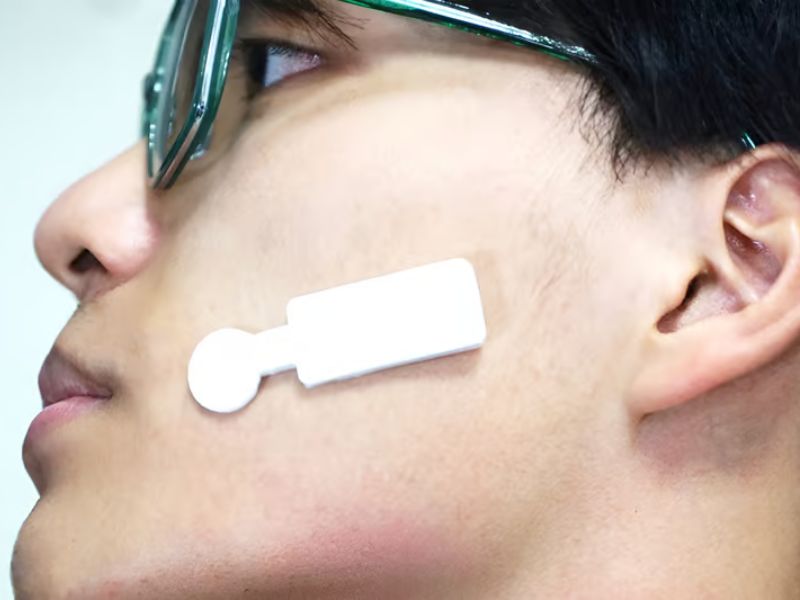
The device could be voluntarily worn by patients who realize they are at risk of conditions such as depression and anxiety Yangbo Yuan / Penn State
It’s common for patients to conceal their true feelings, either from their caregivers or even themselves. A new experimental facial “sticker” aims to help with this by detecting and transmitting information about the wearer’s emotional state.
Sensors Measure Key Physiological Data to Track Emotions
Developed by Assoc. Prof. Huanyu “Larry” Cheng and his team at Pennsylvania State University, this flexible and stretchable device uses sensors to measure mechanical strain in two directions, body temperature, humidity from sweat, and blood oxygen levels. The sensors are arranged in layers, with thin sheets of various materials separating them to prevent interference between their signals and measurements.
Other components include a printed circuit board, wireless charging coil, 5-volt battery, and Bluetooth chip. These elements are all enclosed in a waterproof silicone cover, with the entire device measuring approximately 6 cm (2.4 inches) long.
The team tested the device’s temperature- and humidity-monitoring capabilities (shown here with a US quarter-dollar coin for scale) not only on volunteers’ cheeks and foreheads but also on their arms and fingertips. Yangbo Yuan / Penn State
Once the sticker adheres to the patient’s face, its strain sensors track the skin’s movement along two axes and wirelessly send this data to an app on a connected smartphone or tablet.
AI Algorithms Accurately Identify Facial Expressions and Mood
The app uses AI-driven algorithms to interpret the wearer’s facial expression, which correlates with their mood. In laboratory trials, the system has demonstrated over 96% accuracy in identifying six common facial expressions: happiness, surprise, fear, sadness, anger, and disgust.
However, people can sometimes fake facial expressions, even unconsciously.To address this, the app also uses real-time readings from the temperature, humidity, and blood oxygen sensors. By combining these data points, the system has achieved nearly 89% accuracy in identifying true emotions triggered by watching various video clips.
Advancements Will Improve Accuracy and Remote Monitoring Capabilities
As the technology advances, we expect this accuracy to improve. Moreover, because the system processes the data in the cloud, doctors could monitor patients’ emotional well-being remotely over the internet.
The team trained the sticker’s expression-detecting algorithms on eight volunteers and then tested them on another three. Yangbo Yuan / Penn State
This approach offers a more comprehensive understanding of our emotions by analyzing multiple body signals at once,” says Cheng. “People often hide how they truly feel, which is why we’re combining facial expression analysis with other important physiological indicators, ultimately providing better mental health monitoring and support.
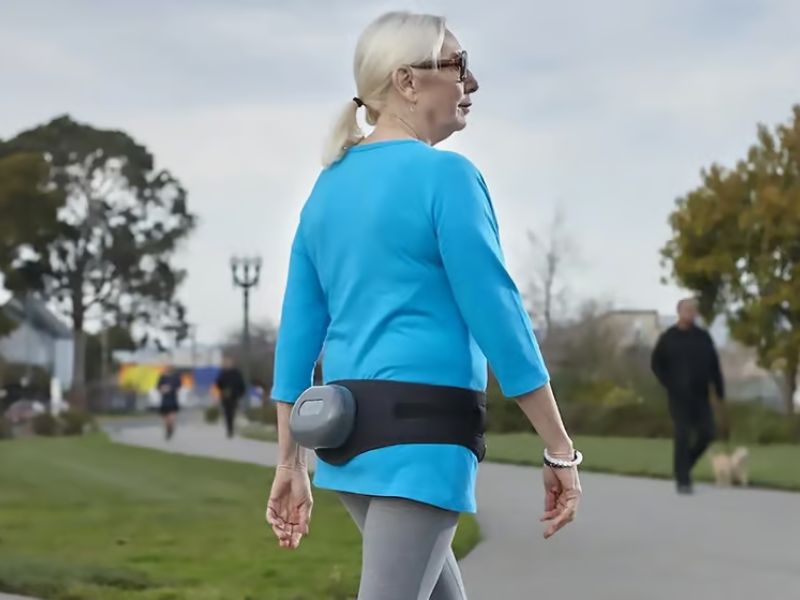
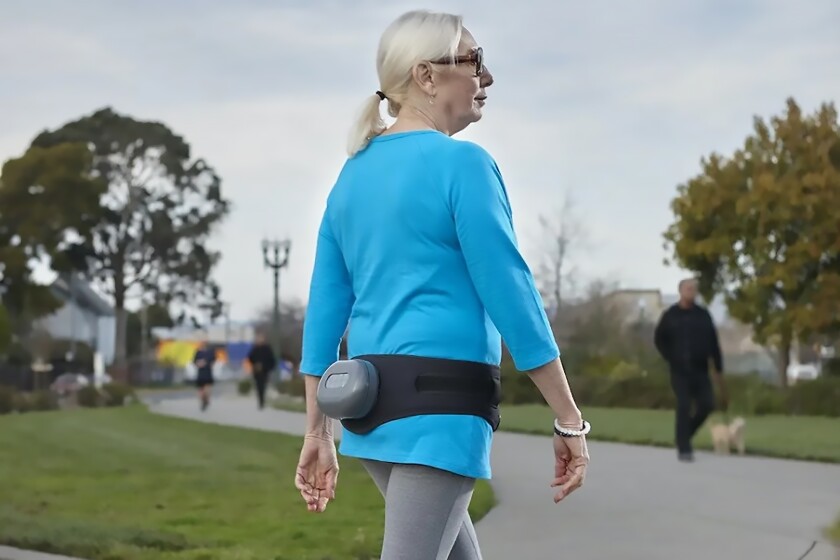
Osteoboost, a wearable device that delivers vibrations to the hips and spine to treat low bone density, has become the first medical device of its type to receive FDA approval Bone Health Technologies
The FDA has given its approval to a wearable belt, the first non-drug prescription medical device, that administers targeted vibrations to the spine and hips to treat low bone density, a precursor to osteoporosis. Proven effective in clinical trials, this innovative device provides postmenopausal women with an alternative treatment option compared to traditional vitamin and mineral supplements.
Postmenopausal women face an elevated risk of fractures due to a decline in the hormone estrogen. Estrogen plays a crucial role in preserving bone density, and its reduction can result in osteopenia or low bone density. Osteopenia, the precursor to osteoporosis, impacts 40.4% of the global population.
FDA Approves Osteoboost, a Wearable Device by Bone Health Technologies, for Osteopenia Treatment
Created by Bone Health Technologies (BHT), Osteoboost is an innovative wearable belt device designed to deliver vibrations to the lumbar spine and hips, promoting bone growth. The FDA recently granted approval for the device to treat osteopenia, marking it as the first non-drug prescription medical device to receive such recognition.
Laura Yecies, the CEO of BHT, expressed the significance of the FDA’s decision on January 18th, stating, “Today’s groundbreaking decision represents the first non-pharmacological therapy approved to treat this widespread and serious condition. With Osteoboost, we have a new treatment option – free of serious adverse events – that taps into the body’s natural mechanism to stimulate bone growth. Women’s health has been underserved for too long, making this a huge step forward for older women who have lacked effective treatment options and are seeking an effective way to protect their bone health.”
Derived from NASA technology to counteract bone loss in zero gravity, whole-body vibration therapy (WBVT) stimulates bone growth by simulating mechanical loading akin to high-impact exercise. Previous research indicates that WBVT can encourage bone growth and prevent bone loss in postmenopausal women, particularly in the hips and lumbar spine. Typically delivered via an oscillating platform, Osteoboost, an offshoot of WBVT, provides targeted, low-intensity vibrations to the hips and lumbar spine, addressing common areas susceptible to osteoporotic fractures.
FDA Approval Based on Clinical Trial Data for Osteoboost’s Efficacy in Postmenopausal Women with Low Bone Density
The FDA’s approval of Osteoboost relied on data from a clinical trial published in the Journal of the Endocrine Society. The trial involved 126 postmenopausal women with low bone density who received Osteoboost treatment five times a week for 12 months. In the sham setting, a sound was produced, but no vibration was delivered. Stratifying participants by age revealed significant differences in percent change in vertebral bone strength, particularly in the 50-to-60-year-old group.
Those in the sham group experienced a 3.4% loss in vertebral bone strength, compared to a 0.5% loss in the active group. In participants meeting the compliance criterion of three Osteoboost treatments per week, the sham group had a 2.84% loss of bone strength, while the active group only had a 0.48% loss, indicating a five times greater loss in the sham group. Additionally, Osteoboost treatment preserved the bone density of the first lumbar vertebra (L1), with the active group showing a 0.29% loss of bone mineral density (BMD) compared to a 1.97% loss in the sham group, representing a 6.8 times greater loss in the sham group.
Lead author Laura Bilek emphasized the threat to the well-being and active lifestyle of postmenopausal women due to rapid bone loss resulting from estrogen decline. While lifestyle interventions like exercise and diet offer modest benefits, Osteoboost shows promise in slowing the loss of bone density and strength, potentially filling a treatment gap.
Regulatory Milestone
The FDA employed the De Novo classification process, offering a marketing pathway for the approval of Osteoboost through Bone Health Technologies’ (BHT) request, initially before it gained Breakthrough Device designation. This approval establishes a new therapeutic class for addressing low bone density, distinct from pharmaceutical interventions. Notably, Osteoboost stands as the first therapeutic device specifically designed and approved for use in osteopenia.
Currently, aside from calcium and vitamin D supplements, there are no other available treatments for osteopenia.
David Karpf, Adjunct Clinical Professor of Endocrinology, Gerontology, and Metabolism at Stanford University School of Medicine, highlighted the lack of innovative approaches in the field of bone health. With no new agents in clinical trials for osteoporosis and a scarcity of options for women with osteopenia, the aging population necessitates novel methods to effectively prevent the decline in bone mass and strength affecting women in the perimenopause or postmenopausal stage.
We use cookies on our website to give you the most relevant experience by remembering your preferences and repeat visits. By clicking “Accept All”, you consent to the use of ALL the cookies. However, you may visit "Cookie Settings" to provide a controlled consent.
This website uses cookies to improve your experience while you navigate through the website. Out of these, the cookies that are categorized as necessary are stored on your browser as they are essential for the working of basic functionalities of the website. We also use third-party cookies that help us analyze and understand how you use this website. These cookies will be stored in your browser only with your consent. You also have the option to opt-out of these cookies. But opting out of some of these cookies may affect your browsing experience.
Necessary cookies are absolutely essential for the website to function properly. These cookies ensure basic functionalities and security features of the website, anonymously.
Cookie
Duration
Description
cookielawinfo-checkbox-analytics
11 months
This cookie is set by GDPR Cookie Consent plugin. The cookie is used to store the user consent for the cookies in the category "Analytics".
cookielawinfo-checkbox-functional
11 months
The cookie is set by GDPR cookie consent to record the user consent for the cookies in the category "Functional".
cookielawinfo-checkbox-necessary
11 months
This cookie is set by GDPR Cookie Consent plugin. The cookies is used to store the user consent for the cookies in the category "Necessary".
cookielawinfo-checkbox-others
11 months
This cookie is set by GDPR Cookie Consent plugin. The cookie is used to store the user consent for the cookies in the category "Other.
cookielawinfo-checkbox-performance
11 months
This cookie is set by GDPR Cookie Consent plugin. The cookie is used to store the user consent for the cookies in the category "Performance".
viewed_cookie_policy
11 months
The cookie is set by the GDPR Cookie Consent plugin and is used to store whether or not user has consented to the use of cookies. It does not store any personal data.
Functional cookies help to perform certain functionalities like sharing the content of the website on social media platforms, collect feedbacks, and other third-party features.
Performance cookies are used to understand and analyze the key performance indexes of the website which helps in delivering a better user experience for the visitors.
Analytical cookies are used to understand how visitors interact with the website. These cookies help provide information on metrics the number of visitors, bounce rate, traffic source, etc.
Advertisement cookies are used to provide visitors with relevant ads and marketing campaigns. These cookies track visitors across websites and collect information to provide customized ads.