Author: Marcílio Santos

  • Air Pollution Can Negatively Impact the Health of Your Lungs

    Air Pollution Can Negatively Impact the Health of Your Lungs

    Credit: Pixabay

    We encounter air pollution every day. As soon as we go outside, we breathe in pollutants from sources like smoke, dust, fossil fuel emissions, wildfires and more. In recognition of Lung Cancer Awareness Month, experts at Baylor College of Medicine highlight how air pollution harms our overall health, especially our lungs.

    Air Pollution Still Threatens Lung Health Despite Declining Smoking Rates

    It’s encouraging to see fewer people smoking, but the reality is that the air pollutants we breathe every day can still harm our lungs,” said Dr. Farrah Kheradmand, a pulmonologist and professor of medicine at Baylor.

    She explains that inhaling any type of smoke exposes your lungs to tiny inorganic particles that damage lung tissue and disrupt the immune cells working to protect you.

    Environmental pollutants don’t affect everyone the same way. Your genetic makeup can influence how your body responds to polluted air. If air pollution impacts you, you might experience symptoms like a scratchy throat, itchy eyes, difficulty breathing, or a lingering cough.

    If you start experiencing a constant cough whenever you’re outside, it’s time to contact your doctor,” Kheradmand advised.

    Dr. Elaine Symanski highlighted that long-term air pollution can lead to chronic conditions like heart disease and COPD.

    Dr. Elaine Symanski, a professor in the Center for Precision Environmental Health, noted that research shows long-term exposure to polluted air can contribute to chronic conditions such as heart disease and COPD.

    Certain groups are especially vulnerable to the health effects of air pollution, including older adults, people with a long history of smoking (about a pack a day for 20 years) who have developed chronic obstructive lung disease, and individuals with asthma at any age.

    Dr. Kristina Walker Whitworth, an associate professor in the same center, encouraged people to monitor local air quality alerts and ozone action days issued by the Houston Health Department or the National Weather Service. She added that those in high-risk groups should limit outdoor activities when these alerts are in effect.

    Kheradmand also cautioned against exercising outdoors on days with poor air quality, explaining that heavy breathing during activities like jogging increases your exposure to pollutants.


    Read the original article on: New Atlas

    Read more: ‘Brainless’ Robots That Move Together are Driven Entirely By Air
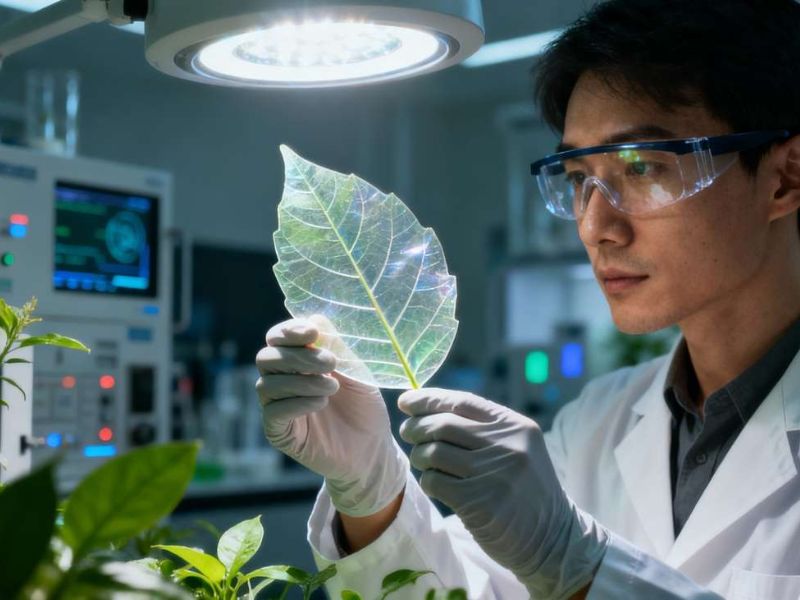
  • Scientists Create a Synthetic Leaf that Turns Pollution into Energy

    Scientists Create a Synthetic Leaf that Turns Pollution into Energy

    Modeled on natural processes, the artificial leaf harnesses sunlight and catalysts to transform CO₂ and water into energy-rich compounds like hydrogen or methanol, using advanced materials for greater efficiency than plants.
    Image Credits:catracalivre

    Modeled on natural processes, the artificial leaf harnesses sunlight and catalysts to transform CO₂ and water into energy-rich compounds like hydrogen or methanol, using advanced materials for greater efficiency than plants.

    This artificial photosynthesis process can both remove pollutants and produce usable energy, making it a highly discussed breakthrough in environmental science.

    Optimizing Materials for Scalable, Efficient Artificial Leaves

    Multiple research institutions are experimenting with various material combinations to improve efficiency and cost-effectiveness, aiming for solutions that are scalable and energy-efficient.

    Some of the most prominent projects include:

    • University of Cambridge: developed a prototype that transforms CO₂ into liquid fuel using sunlight alone.
    • Massachusetts Institute of Technology (MIT): working on versions with nickel- and cobalt-based catalysts to lower costs.
    • Canadian and Japanese research teams: investigating hybrid systems that integrate nanotechnology with synthetic biology.
    Image Credits:Vários centros de pesquisa estão testando diferentes combinações de materiais para tornar o processo mais eficiente e economicamente viável

    Despite promising results, the artificial leaf still struggles with efficiency and longevity. While many prototypes perform effectively in the lab, their performance drops in real-world conditions due to fluctuations in light and temperature.

    The key challenge is developing technology that is stable, affordable, and able to run continuously without performance decline, necessitating improvements in materials and reactor design.

    Towards a Sustainable Future with Artificial Photosynthesis

    With further development, this technology could both lower atmospheric CO₂ levels and produce clean energy, promoting a more sustainable, decentralized energy system inspired by nature. Research is advancing rapidly, bringing us closer to a future where artificial photosynthesis turns pollution into a renewable resource.


    Read the original article on: Catracalivre

    Read more: ‘Brainless’ Robots That Move Together are Driven Entirely By Air

  • Odor Tech Nears a Breakthrough

    Odor Tech Nears a Breakthrough

    A new Nature review highlights olfactory chips—tiny devices that can sniff like a human nose, or even better. The researchers say the real key to cracking this tech is neuromorphic architecture, which mimics how our brains process smells. If it pans out, we could soon have machines that match our own scent-detecting superpowers.
    Image Credits:Artpartner-images/Getty Images

    A new Nature review highlights olfactory chips—tiny devices that can sniff like a human nose, or even better. The researchers say the real key to cracking this tech is neuromorphic architecture, which mimics how our brains process smells. If it pans out, we could soon have machines that match our own scent-detecting superpowers.

    Crazy to think about, right? The human nose is kind of an unsung hero—it can pick up roughly a trillion different odors, even at super low concentrations, all while using next to no energy. Compare that to the power-hungry lab sensors we’ve got now, and, yeah… our noses are seriously next-level.

    The Challenge of Replicating Nature’s Nose

    Dogs and bees can detect scents, but replicating the human nose in artificial sensors remains a major challenge, unlike advanced camera light sensors.

    To develop a true “electronic nose,” researchers are increasingly exploring neuromorphic computing. This approach mimics the nose, using sensor networks to identify odors via activity patterns rather than single signals.

    Image Credits:This wonderfully silly graphic really lets you know what an e-nose is all about. Credit: Genia Brodsky and Noam Sobel (The Weizmann Institute)

    Earlier this year, a Korean team revealed a prototype olfactory neuron, citing demand for mobile gas sensors—likely more for detecting garlic breath than metabolic issues.

    The potential applications extend far beyond personal hygiene. Beyond gas detection, an e-nose could monitor food freshness and aid medical diagnostics by detecting infection-related odors.

    The Next Frontier of Scent Technology

    The Nature review also mentions “emotional communication” as a possible future application, suggesting devices that can detect or convey mood through scent.

    Ultimately, a functional e-nose approaching the sensitivity of the human nose would transform both industry and consumer technology. Beyond matching humans, it could exceed them—detecting toxic gases, spotting hidden biological threats, and boosting medical diagnostics.

    The researchers conclude that future progress will depend on biohybrid materials and brain-inspired architectures and algorithms—areas of active and promising research.


    Read the original article on: Extreme Tech

    Read more: New Blood Type Discovered After 50 Years

  • New Blood Type Discovered After 50 Years

    New Blood Type Discovered After 50 Years

    In 1972, a pregnant woman’s blood sample puzzled scientists when it lacked a surface molecule present on all known red blood cells.
    Image Credits: Pixabay

    In 1972, a pregnant woman’s blood sample puzzled scientists when it lacked a surface molecule present on all known red blood cells.

    Over 50 years later, UK and Israeli researchers identified a new human blood group, published in 2024.

    A Breakthrough Decades in the Making

    This milestone crowns years of collaboration,” said NHS hematologist Louise Tilley, who dedicated nearly two decades to solving the mystery. “It allows us to provide better care for rare but significant patients.

    Watch the video below for a summary of their discovery:

    Most people know the ABO and Rh systems, but many other blood groups exist, defined by different proteins and sugars on red blood cells.

    Our bodies use these antigen molecules, among other functions, as identification markers to distinguish between our own cells and potentially harmful foreign ones.

    Blood type (or blood group) is determined, in part, by the ABO blood group antigens present on red blood cells. Antibodies in our blood plasma detect when a foreign antigen marker is present. (InvictaHOG/Public Domain/Wikimedia Commons)

    If these markers don’t align during a blood transfusion, the procedure meant to save a life can trigger severe reactions or even be deadly.

    Researchers discovered most major blood groups in the early 20th century.

    Discoveries Few and Far Between

    Researchers have recently identified blood groups like the Er system in 2022, found in only a few individuals — just like this newly discovered group.

    Tilley explained that studying such rare genetic cases made the research challenging.”

    Image Credits:Transfusion reactions can be severe. (baseimage/Canva)

    Earlier studies showed that over 99.9% of people have the AnWj antigen missing from the 1972 patient’s blood. Researchers linked it to a myelin and lymphocyte protein and named it the MAL blood group.

    People with mutations in both MAL gene copies have an AnWj-negative blood type, like the 1972 patient. Yet, Tilley’s team found three AnWj-negative cases without the mutation, suggesting some blood disorders can suppress the antigen.

    Unraveling the Mystery of the MAL Protein

    MAL is a small, complex protein that was hard to identify, requiring multiple investigations to confirm,” said Tim Satchwell of the University of the West of England.

    After decades of research, scientists confirmed the gene by adding a normal MAL gene to AnWj-negative cells, restoring the antigen.

    The MAL protein is known to help maintain cell membrane stability and support cellular transport. Earlier studies also revealed that the AnWj antigen is absent in newborns but develops shortly after birth.

    A Shared Mutation Without Other Health Effects

    All AnWj-negative patients in the study shared the same mutation, but researchers found no link to other cellular abnormalities or diseases.

    With MAL mutation markers identified, doctors can tell if an AnWj-negative type is inherited or caused by suppression, possibly signaling another condition.

    Understanding rare blood variations is vital for better care and saving lives.


    Read the original article on:Sciencealert

    Read more: A Study says Gossiping may Improve Well-Being

  • Swiss Smart Socks Help Diabetics Regain Sensation in Their Feet

    Swiss Smart Socks Help Diabetics Regain Sensation in Their Feet

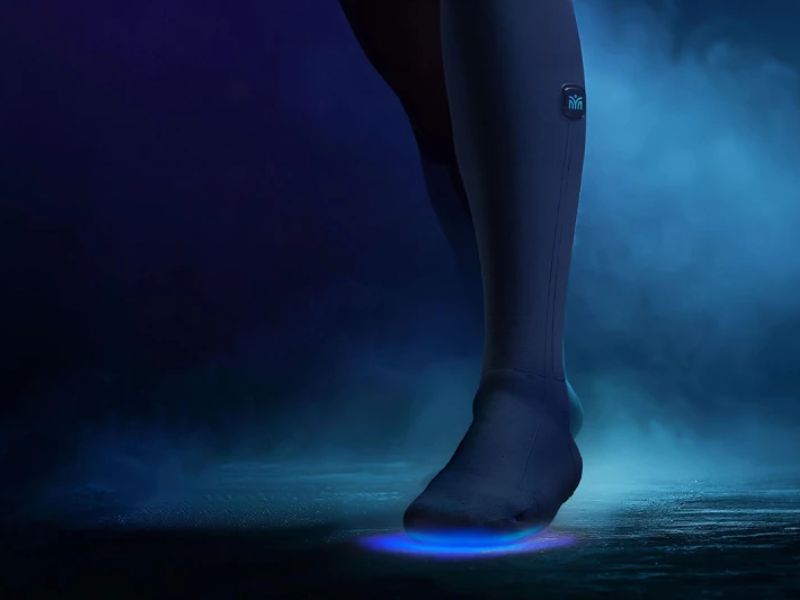
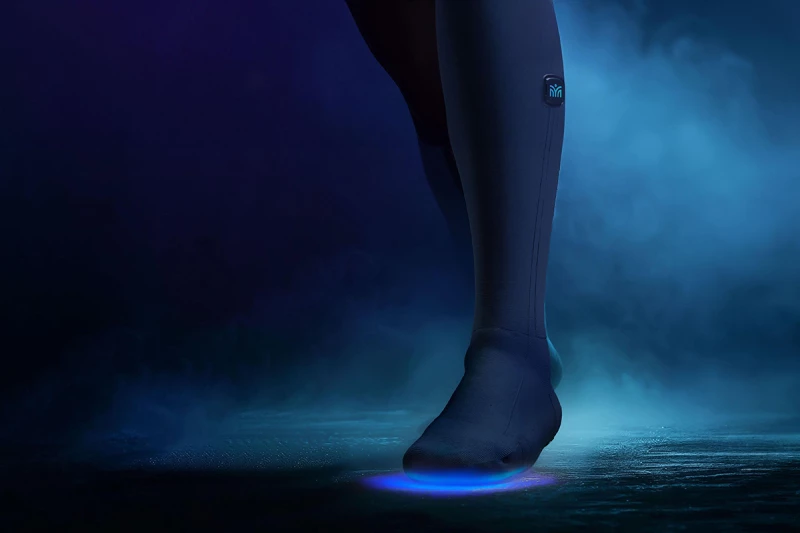
    The Leia smart sock includes pressure sensors, an AI processor, and nerve stimulating electrodes to help restore sensation in the feet
    Mynerva

    Swiss researchers have embedded multiple chips and sensors into socks designed to assist people living with severe diabetic symptoms, such as chronic pain and loss of feeling in their feet.

    The Leia smart sock delivers personalized therapy through gentle, non-invasive electrical pulses that stimulate targeted nerve fibers, helping to restore sensation in the feet. This approach could reduce reliance on the powerful painkillers often prescribed for diabetic neuropathy while improving balance and confidence in movement.

    How Diabetic Neuropathy Steals Mobility and Confidence

    Roughly half of the world’s 560 million diabetes patients experience diabetic neuropathy, a condition where nerve damage in the calves blocks sensory signals from the feet to the brain. This loss of sensation can make walking difficult and increase the likelihood of falls. Having witnessed it in some of my own family members, I remember how it often discouraged them from walking altogether, drastically limiting their mobility.

    The Leia sock is individually calibrated to each foot for personalized therapyMichel Büchel / ETH Zurich

    Smart Textiles and AI Combine to Help Diabetics Regain Sensation

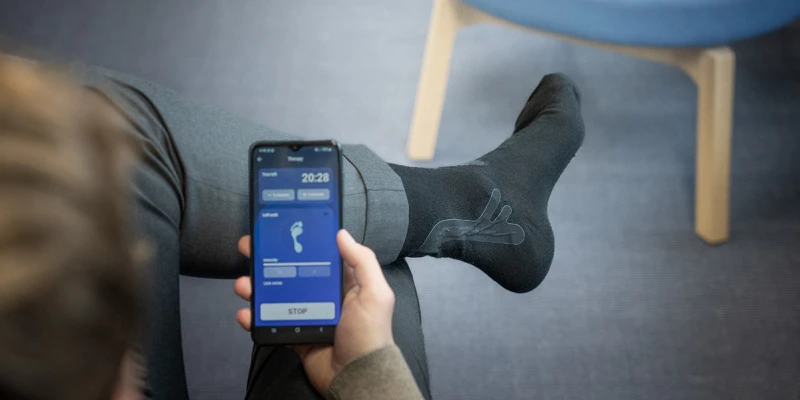
    Over the past five years, researchers at Mynerva, a spinoff from ETH Zurich, have been developing a solution that combines smart textiles with AI technology. The Leia sock is equipped with pressure sensors on its sole that track how pressure is distributed during walking. A compact onboard computer, located in the sock’s shaft, translates this data into electrical signals. These signals are then transmitted through electrodes woven into the fabric to stimulate healthy nerve areas, enabling users to once again sense the ground beneath their feet while easing neuropathic pain.

    The AI processor in the sock shaft receives data from the pressure sensors in the sole and converts that to electrical signals
    Mynerva

    Restoring Balance and Confidence with Every Step

    This technology helps wearers detect pressure points with every step, providing a greater sense of stability while walking. Enhanced sensory feedback from the nerve stimulation may also reduce the risk of missteps and accidental falls. You can see the technology in action below.

    Smart socks that alleviate pain

    Long-Term Trials Ahead to Test Leia’s Real-World Impact

    Leia has not yet reached the market. In the coming months, the team plans to conduct a long-term study to assess whether the smart sock can improve patients’ gait enough to prevent complications such as foot ulcers and potentially restore some nerve function. Since the device is intended for everyday wear, extensive testing will help evaluate how well each sock performs and endures over time.

    Mynerva says the Leia sock is intended for daily use, and the company is in the process of applying for FDA approval
    Mynerva

    However, Mynerva has secured an award to fund the patent filings for the Leia smart sock and to support its FDA approval process for commercialization, setting the stage for a soft launch in 2027. If successful, this innovation could make walking significantly easier for people living with diabetes in the near future.

    You can learn more about the Leia sock and sign up for updates on the device through Mynerva’s official website.


    Read the original article on: https://newatlas.com/diabetes/smart-socks-diabetics-feel-feet/

    Read more: How Smartphones are Revealing the True Patterns of Urban Movement

  • China Discovered Something Remarkable on the Moon’s Far Side

    China Discovered Something Remarkable on the Moon’s Far Side

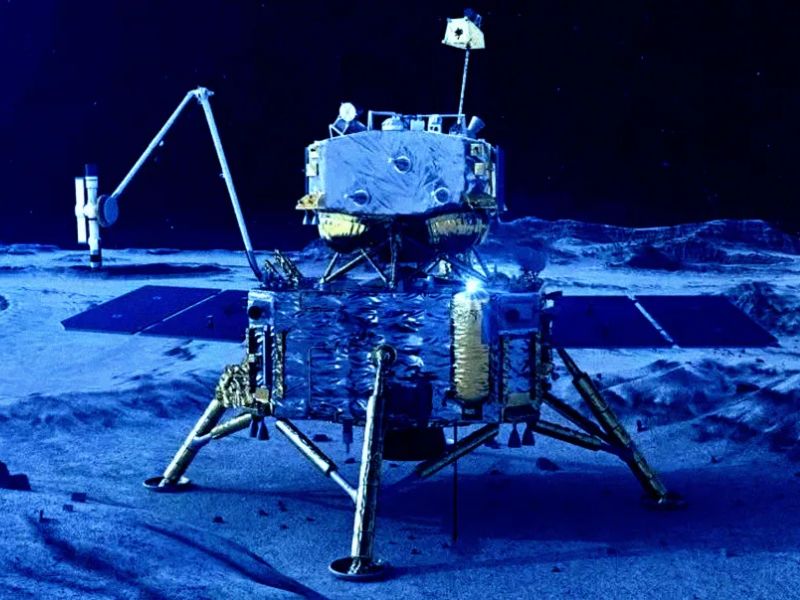
    China’s Chang’e-6 mission — the first to bring back samples from the Moon’s far side — made an intriguing discovery last year.
    Image Credits:CNSA

    China’s Chang’e-6 mission — the first to bring back samples from the Moon’s far side — made an intriguing discovery last year.

    After examining the lunar samples returned in June, scientists found fragments of CI chondrite — a rare, water-rich meteorite seldom surviving Earth’s atmosphere, ScienceAlert reports.

    This marks the first detection of CI chondrite on the Moon, indicating that volatile-rich asteroids — known for their high porosity and hydrated minerals that can make up around 20% of their mass — are capable of reaching the lunar surface intact.

    The Significance of the CI Chondrite Discovery

    Because of their fragile, porous structure, such meteorites typically disintegrate upon impact or while entering an atmosphere. The Chinese Academy of Sciences reports that CI chondrites make up under one percent of Earth’s meteorites, making this lunar find especially notable.

    Given the rarity of CI chondrites on Earth, our approach offers a valuable way to reassess chondrite distribution in the inner solar system,” the team wrote in PNAS.

    The Chang’e-6 samples were collected from the South Pole-Aitken Basin — one of the largest known impact craters in the solar system.

    Unusual Isotope Ratios Found in Lunar Olivine

    Using advanced microscopy and spectrometry, the scientists detected unusual isotope ratios in samples of olivine, a silicate mineral commonly found in volcanic rocks and meteorites.

    These isotope signatures matched those of a CI chondrite asteroid that likely struck the Moon, melted upon impact, and then solidified — effectively preserving its material, as reported by ScienceAlert.

    According to the researchers, the meteorite may have originated in the outer solar system, showing that such material can survive its journey inward toward the Sun.

    Their analysis also suggests that these types of asteroids are far more abundant on the Moon than previously believed, potentially making up as much as 30% of the material gathered by the Chang’e-6 mission.

    Unlocking the Moon’s Water Secrets

    Coauthor Lin Mang says the discovery may reveal how water arrived and spread across the Moon.

    The findings support theories that carbonaceous asteroids brought water to Earth through ancient impacts.


    Read the original article on: futurism

    Read more: Japanese Scientists Developed Tech to Record and View Dreams

  • Sake to the Stars: Japan Prepares to Launch its Lunar Brewing Experiment

    Sake to the Stars: Japan Prepares to Launch its Lunar Brewing Experiment

    The goal is to make lunar meals more convivial with space sake
    Mitsubishi Heavy Industries

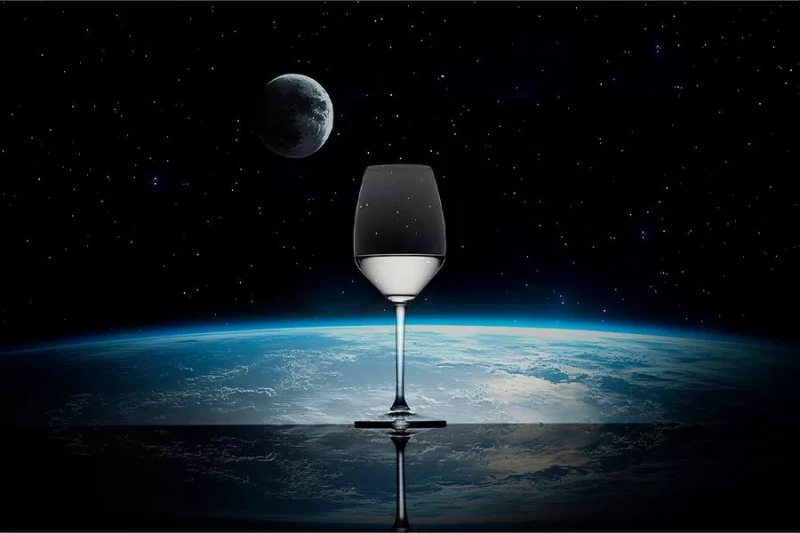
    They’re not serving sushi on the Moon—at least not yet—but when that day comes, Mitsubishi Heavy Industries and DASSAI want sake to be part of the menu. To move toward that goal, the two companies are launching a rice fermentation experiment aboard the International Space Station (ISS).

    One long-running joke of the Space Race was how unappetizing astronaut meals were during their journeys to the Moon. No matter how heroic the mission, it was hard to stay enthusiastic while eating dehydrated applesauce, gelatin-coated chicken sandwich cubes, rehydrated shrimp cocktail, and Tang.

    The Ongoing Challenge of Eating Well in Orbit

    While such fare might suffice for a two-week lunar mission, it could easily spark discontent on longer trips—a lesson that pushed NASA and other space agencies to upgrade space cuisine. Even so, food aboard the ISS still resembles a series of boxed lunches paired with lukewarm coffee rather than futuristic fine dining.

    As plans advance for permanent lunar bases and crewed missions to Mars, the role of food becomes far more critical. Beyond maintaining morale, astronauts will need meals made from ingredients that can be grown locally—on the Moon itself.

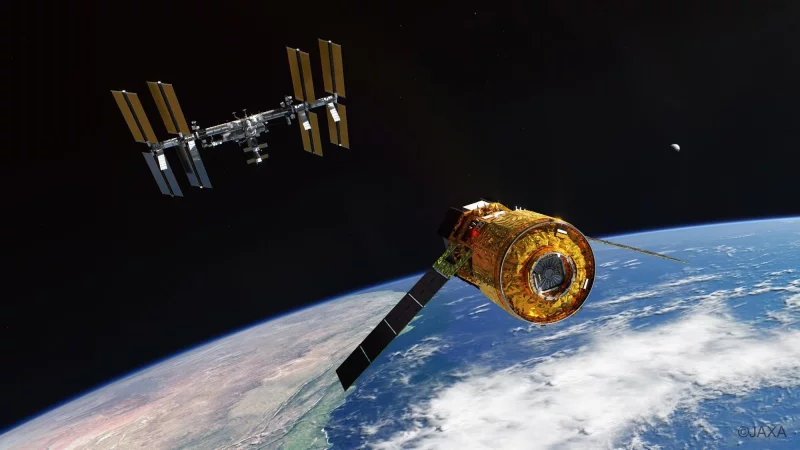
    The sake experiment will be delivered to the ISS aboard the HTV-X cargo ship
    JAXA

    Naturally, astronauts can’t live on bread alone—they’ll want something to drink as well. To that end, Mitsubishi, DASSAI, and the Aichi Industrial Technology Institute aim to bring Japan’s national beverage, sake, into space to make life beyond Earth a little more enjoyable. However, transporting sake to a lunar base would be prohibitively expensive, so the logical next step is to learn how to brew it 400,000 kilometers away on the Moon.

    Brewing Japan’s Signature Sake Under Lunar Conditions

    Enter the DASSAI MOON Project, an initiative designed to explore whether it’s possible to brew sake under lunar conditions using rice shipped from Earth and water extracted from lunar ice. It sounds simple, but sake brewing is an intricate process that depends heavily on fluid dynamics—which behave quite differently under the Moon’s low gravity.

    To study this, DASSAI MOON will launch on October 21 aboard JAXA’s first HTV-X cargo resupply vehicle to the International Space Station. The experiment’s setup—an automated closed system with a fermentation chamber and a centrifuge to mimic lunar gravity—will be installed in the Cell Biology Experiment Facility-Light (CBEF-L) inside Japan’s Kibō module.

    A Delicate Dance of Fermentation

    Without diving too deeply into the science, sake production is particularly complex. Although technically classified as a beer, it uses a process called parallel multiple fermentation, where starches convert into sugars and sugars into alcohol simultaneously through the work of specialized fungus and yeast.

    The experiment will run for about two weeks, producing around 520 grams (18.3 ounces) of fermented mash, which will then be frozen and sent back to Earth. Once home, part of the mash will be refined into a limited 100-milliliter (3.5-ounce) bottle of DASSAI MOON – Made in Space sake, to be sold for ¥110 million (about US$720,000), with proceeds supporting Japan’s space research. The rest of the mash will be used for scientific study.

    The only question now is whether this will inspire a new kind of space race—one to brew lunar versions of IPAs, lagers, and stouts. Hopefully, though, they’ll skip the overly hopped, fruit-filled varieties that defy all good brewing sense.


    Read the original article on: New Atlas

    Read more: Moonquakes Could Pose Serious Risks to Future Lunar Bases

  • Scientists Create Artificial Cloud to Advance Rain Research

    Scientists Create Artificial Cloud to Advance Rain Research

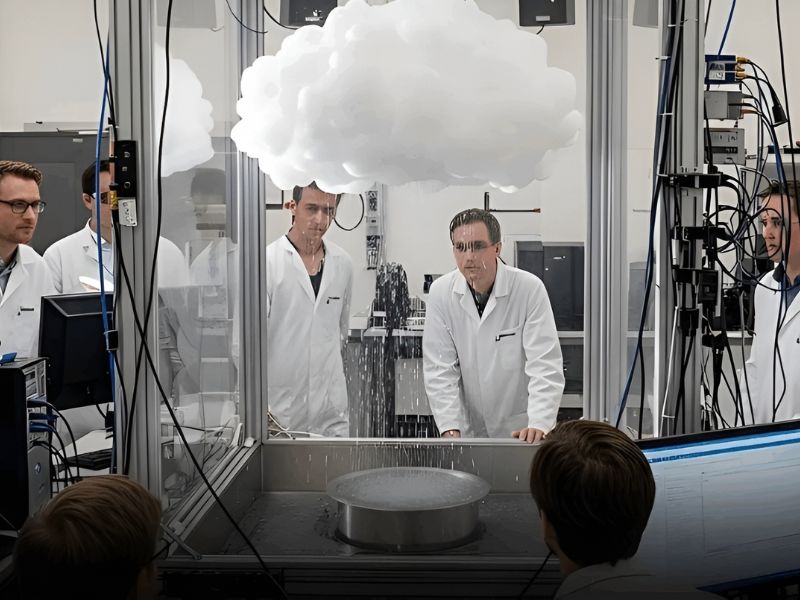
    Dutch scientists created an artificial cloud in a glass chamber to study rain formation and explore uses in climatology and drought prevention.
    Image Credits: Pesquisas de chuvas artificiais continuam avançando – créditos: divulgação


    Dutch scientists created an artificial cloud in a glass chamber to study rain formation and explore uses in climatology and drought prevention.

    Miniature Cloud Experiment Replicates the Water Cycle

    Researchers simulated condensation conditions on a small scale until droplets combined and fell as raindrops. This scaled-down version of a natural process successfully replicated part of the water cycle, fundamental to life on Earth.

    Such studies enable more precise and reliable insights into complex atmospheric processes. Through this simulation, researchers can track the stages of condensation, examine how different types of clouds form, and explore the role of suspended particles in the process.

    Artificial Rain Technology Holds Promise for Agriculture and Climate Solutions

    Beyond scientific progress, the technology driving artificial rain may offer practical benefits. Possible applications include aiding agriculture in drought-prone regions and supporting strategies to tackle climate change. The experiment enables studies on how pollutants affect clouds and weather, guiding better environmental policies.

    Though experimental, creating rain in a lab shows how curiosity and innovation can drive discoveries, offering new ways to understand and manage climate-shaping phenomena.


    Read the original article on: Diario de Minas

    Read more: Scientists Create a Skin-Like Bandage that Heals Wounds in 24 Hours

  • The First Quantum Computer Constructed with Silicon Chip Technology

    The First Quantum Computer Constructed with Silicon Chip Technology

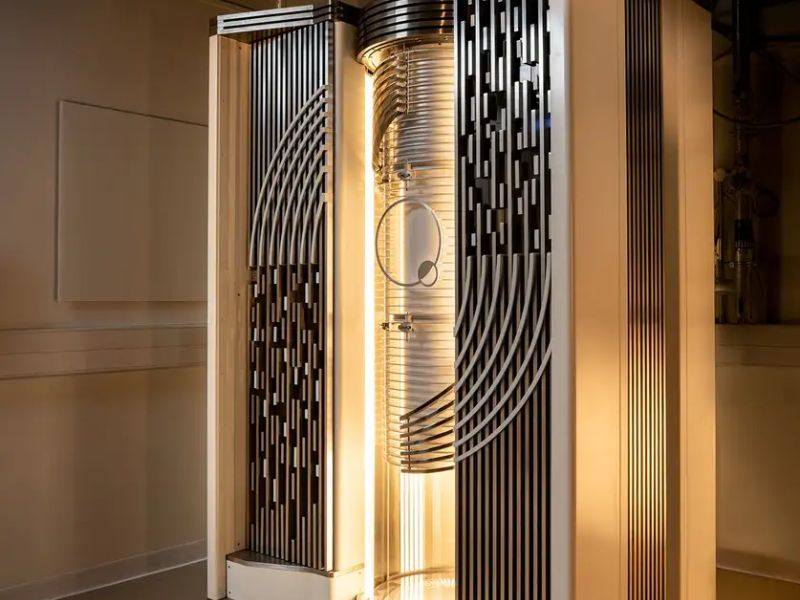
    Quantum Motion has developed a machine that is now housed at the National Quantum Computing Centre (NQCC) in Oxfordshire. Researchers there will explore its potential for solving real-world challenges, such as drug discovery.
    Image Credits: Christy Nunns and Quantum Motion

    Quantum Motion has developed a machine that is now housed at the National Quantum Computing Centre (NQCC) in Oxfordshire. Researchers there will explore its potential for solving real-world challenges, such as drug discovery.

    A Comprehensive Quantum Computing System Built on Scalable Silicon CMOS Technology

    A full-stack quantum computer is an all-in-one system integrating a Quantum Processing Unit (QPU), user interface, and control stack compatible with standard quantum software.

    By using standard silicon CMOS (Complementary Metal-Oxide-Semiconductor) technology—the same material used in global semiconductor manufacturing—Quantum Motion’s quantum computers have the potential to be scaled up for mass production more easily.

    Founded in 2017 by Professors John Morton (UCL) and Simon Benjamin (Oxford), the company now has over 100 employees. Its headquarters are in London, with additional teams based in the US, Australia, and Spain. To date, it has secured more than £62 million through equity and grant funding.

    Silicon-Based Quantum Computing Celebrated as a Major Milestone by Experts and UK Officials

    Professor Morton, now CTO, said: “The system delivered to the UK’s National Quantum Computing Centre marks the arrival of silicon-based quantum computing.”

    UK Science Minister Lord Vallance stated: “The National Quantum Computing Centre provides a one-of-a-kind environment for innovators to test emerging quantum technologies.”

    He added that Quantum Motion’s new quantum computer moves the technology closer to commercial use, with potential to transform healthcare and clean energy.

    Harnessing Atomic-Scale Physics to Revolutionize Computing and Problem-Solving

    Quantum computers use physics at atomic and subatomic levels, giving them powerful abilities to simulate and understand nature.

    They could surpass today’s top supercomputers, quickly performing complex tasks like discovering new materials, medicines, and aiding climate change efforts.

    James Palles-Dimmock, CEO of Quantum Motion, said, “This is the defining moment for silicon-based quantum computing. Today’s announcement demonstrates that engineers can build a reliable, functional quantum computer using the world’s most scalable, mass-producible technology.

    Dr. Michael Cuthbert, NQCC Director, said, “The NQCC advances UK quantum capabilities by evaluating hardware from top global companies.” The successful installation of Quantum Motion’s system represents a significant milestone in our quantum computing testbeds program. Our team begins testing the system to better understand its real-world silicon-based applications.


    Read the original article on: UCL NEWS

    Read more: China Launches World-First Quantum Computer Into Space

  • Student Designs a Bra that Unlocks Only with a Partner’s Fingerprint, and it Goes Viral

    Student Designs a Bra that Unlocks Only with a Partner’s Fingerprint, and it Goes Viral

    The Japanese are always racing ahead in technology, but a recent invention not only went viral — it also stirred controversy on social media.
    Image Credits: correio24horas

    The Japanese are always racing ahead in technology, but a recent invention not only went viral — it also stirred controversy on social media.

    A unique prototype by Japanese student Yūki Aizawa, known online as ZAWAWOEKS, has attracted global attention. He designed a bra that unlocks solely with the wearer’s partner’s fingerprint, clearly aimed at women.

    The clasp integrates a biometric sensor, ensuring that only the registered fingerprint can release it.

    A “Fantasy Invention” Exploring Technology, Intimacy, and Relationships

    The creator emphasizes that the project has no commercial purpose. Aizawa described it as a “fantasy invention,” part of a series of playful gadgets exploring intimacy, privacy, and the role of technology in relationships, which often face ups and downs.

    Reactions online, however, ranged from humor to criticism. One user asked, “Will there be a version for men, or will only women remain men’s property?” Another called it “a modern chastity belt.” Others added, “Great, make a male version — actually, don’t invent anything else, we’re not objects.”


    Read the original article on: Correio 24horas

    Read more:Luxury Brand Montblanc Writes a New Chapter With Elegant Premium E-note