A former SpaceX security manager with access to classified U.S. government programs is suing the company and a senior employee, alleging discrimination, sexual harassment, and retaliation.
Jenna Shumway, promoted to senior contractor program security officer after joining SpaceX in 2022, also claims that Daniel Collins—a former Defense Department official brought on to oversee security compliance for the company’s government projects—broke top secret protocols and hid the violations from federal authorities.
Attorneys representing Shumway, Collins, and SpaceX did not immediately respond to TechCrunch’s request for comment.
Collins Linked to Federal Probes Over SpaceX Security Lapses
Collins previously made headlines in December 2024 when The New York Times reported that SpaceX was under federal investigation for lax security practices. According to the report, Collins discouraged reporting security clearance breaches and permitted executives without proper authorization to attend classified meetings. These and other concerns reportedly led to at least three federal investigations into the company’s security protocols.
Shumway’s lawsuit claims she was denied the opportunity to apply for the director role that was ultimately given to Collins. After he became her supervisor in spring 2024, her work environment allegedly deteriorated significantly. The complaint accuses Collins of initiating a pattern of harassment, gradually removing her responsibilities over several months, and culminating in her termination in October 2024.
Allegations of Widespread Misconduct Toward Female Employees
According to the complaint, Collins’ alleged harassment also targeted other female employees. The misconduct included blocking women from performing essential security duties—potentially setting them up for noncompliance—staring at one employee’s chest during a meeting, and making inappropriate remarks, such as asking a subordinate if she wanted to “get s–tty together” over drinks.
The lawsuit claims that Shumway and other women repeatedly reported Collins to SpaceX’s human resources department. However, the company allegedly failed to act on the complaints, offering only the advice to avoid being alone with him. Shumway is seeking unspecified damages.
This isn’t the first time SpaceX has faced legal action over allegations of fostering sexual discrimination. Earlier lawsuits have described comparable patterns of bias against women and a workplace culture that tolerated gender-based harassment. The company is also under investigation by both the California Civil Rights Department and the National Labor Relations Board for related issues.
Shumway’s lawsuit was initially filed in late May in Los Angeles County Superior Court and was transferred to federal court on June 30 at SpaceX’s request. It is now being handled in the U.S. District Court for the Central District of California under case number 2:22-cv-05959.
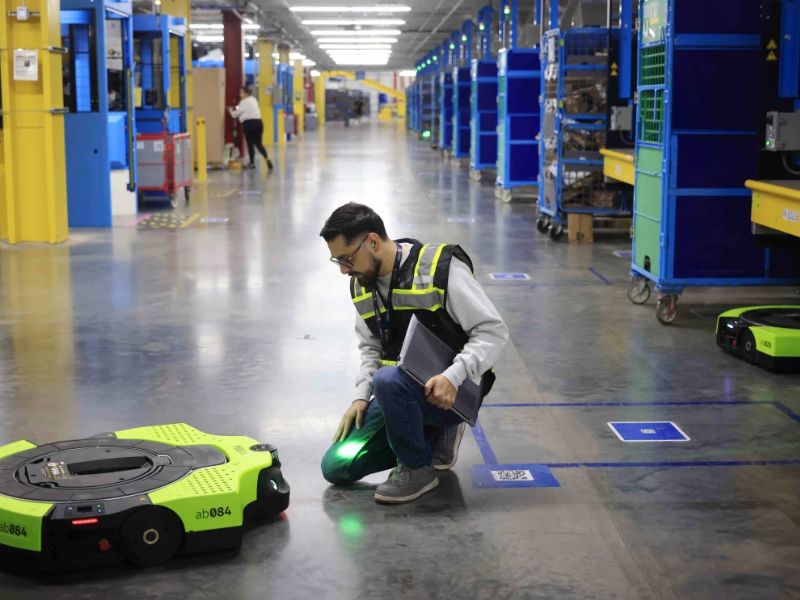
After 13 years of integrating robots into its warehouses, Amazon has hit a major milestone: it now operates 1 million robots across its facilities, the company announced Monday. The one millionth unit was recently deployed at a fulfillment center in Japan.
Robots Now Support 75% of Amazon Deliveries
This achievement moves Amazon closer to another key benchmark — reaching parity between the number of robots and human workers in its warehouse network, according to The Wall Street Journal. The WSJ also noted that robots now assist with 75% of Amazon’s global deliveries.
TechCrunch has contacted Amazon for additional details.
Amazon also revealed a new generative AI model called DeepFleet, designed to optimize the movements of its warehouse robots. According to the company, DeepFleet will boost the fleet’s operational speed by 10% by streamlining route coordination.
SageMaker Powers Development of Amazon’s Warehouse AI
The model was developed using Amazon SageMaker, the company’s cloud-based AI development platform, and was trained on internal warehouse and inventory data.
Reaching the one million robot milestone reflects more than just scale — Amazon has been steadily advancing its robotic systems, introducing enhanced features and newer models over time.
In May, Amazon introduced its newest robot, Vulcan, featuring two specialized arms — one for moving inventory and another equipped with a camera and suction cup to pick up items. Amazon says Vulcan stands out for its ability to “feel” the objects it handles, thanks to a built-in sense of touch.
Amazon Launches Robot-Heavy Fulfillment Centers
Back in October 2024, Amazon announced plans for next-generation fulfillment centers designed to house ten times more robots than current facilities, while still employing human workers. The first of these advanced centers opened soon after in Shreveport, Louisiana, near the Texas border.
Amazon began expanding its robotics operations in 2012, following its acquisition of Kiva Systems.
“Sharjah has commissioned Zaha Hadid Architects (ZHA) to design a brand-new city in the UAE.” Named Khalid Bin Sultan City, it will reshape the arid desert terrain with a central, oasis-inspired park.
“BEEAH is developing Khalid Bin Sultan City near its ZHA-designed headquarters, with the city’s flowing forms echoing the building’s dune-like shape.“
Desert-Inspired Design with a Multi-Neighborhood Vision
“ZHA says the design builds on its iconic HQ, drawing on wind-shaped desert dunes to form a multi-centered layout.” This layout includes seven unique residential neighborhoods connected by shaded pathways and lively streets.
At the city’s core, a 2-kilometer (1.24-mile) shaded linear park winds through the development. Its width shifts along the route, forming distinct green pockets for various activities, each offering a unique and immersive experience.
Image Credits:The Khalid Bin Sultan City will feature a pedestrian-focused layout with lots of greenery and water features Tegmark
Key details like the city’s final size and population have yet to be revealed, but it’s confirmed that the seven neighborhoods will center around public spaces and feature housing, offices, retail, places of worship, and other essential urban amenities. Renderings depict green roofs, native vegetation, and water features aimed at softening the harsh desert climate.
Sustainable, Walkable City Powered by Green Technology
The city will prioritize walkability and public transit, with renewable energy contributing to its power supply and recycled water used for irrigation.
The project aligns with similar initiatives in nearby Dubai, which is working to become a more walkable city, while neighboring Saudi Arabia pursues even more ambitious developments, such as the JEC Tower and The Line.
There’s no confirmed timeline for the project’s completion yet.
Tech companies promote smartwatch features like heart rate, oxygen level, fitness, and sleep tracking as useful tools for health-conscious users.
What if smartwatch features went beyond detecting health issues and could actually help prevent major health crises like pandemics?
Smartwatches Can Detect Infections Within Hours—Before Symptoms Show
Recent research shows that smartwatch sensors and health apps can accurately identify infections—such as COVID-19 or the flu—within just 12 hours of exposure, even before symptoms appear.
The study found that early alerts from smartwatches could reduce transmission risk by nearly 50%, encouraging potentially infected individuals to isolate before they unknowingly spread illness.
Smartwatches Detect Subtle Physiological Changes Ahead of Symptoms
“Before symptoms appear, the body shows subtle changes—like rising temperature or disrupted sleep—that smartwatches can detect,” said Dr. Martial Ndeffo-Mbah, assistant professor at Texas A&M.
If widely adopted, smartwatches could help stop pandemics before they start by alerting users to take early precautions—such as getting tested—when they detect early signs of illness.
Early Detection Is Critical, as Many Infections Spread Before Symptoms Appear
“CDC data shows most people delay treatment until days after symptoms appear, even though it works best earlier,” said Dr. Ndeffo-Mbah. “People without symptoms spread up to 44% of COVID-19 cases.”
Smartwatches could personalize the threat of infection, encouraging more people to take steps like isolation and testing seriously—boosting the effectiveness of existing health protocols.
Smartwatch Alerts Could Encourage Better Compliance With Health Guidelines
“COVID-19 guidelines included isolating after exposure, but many ignore that if they feel fine,” Ndeffo noted. “A smartwatch could detect early signs of illness in real time with high accuracy, giving users stronger reasons to follow those protocols.”
He noted that while the study focused on COVID-19 and flu, smartwatches could also detect early signs of other illnesses like RSV through subtle body changes.
Testing remains a crucial tool in controlling disease spread, as people are more likely to take action once they receive a diagnosis. However, even when people have widespread access to quality tests, many still use them inefficiently.
“People widely adopted at-home COVID-19 test kits, which greatly benefits public health,” said Dr. Martial Ndeffo-Mbah. “The issue is how people use them—they often test only when they feel sick or before travel, and usually just once. That’s not frequent enough to catch infections early.”
Smartwatches could play a key role in spotting infections sooner, prompting individuals to test and seek treatment earlier.
Early Treatment Is Key for Protecting High-Risk Individuals
“Early treatment can prevent severe symptoms, which is especially important for those who are high-risk or immunocompromised,” Ndeffo added.
One major challenge in public health is encouraging widespread participation in disease-prevention measures.
“If you wake up tired, you probably won’t consider getting a COVID-19 or flu test, especially if it’s inconvenient,” said Dr. Ndeffo-Mbah. “We’re working on ways for smartwatches to give users clearer signals that prompt them to reduce contact or get tested.” The goal is to reach individuals who might otherwise skip testing.
While researchers and developers continue to scale up smartwatch use for disease prevention, they still need to advance the technology further.
“Researchers are advancing the science and public health modeling, while tech developers are refining the tools,” Ndeffo explained. “Because this technology holds such promise, we’re working hard to get it right.”
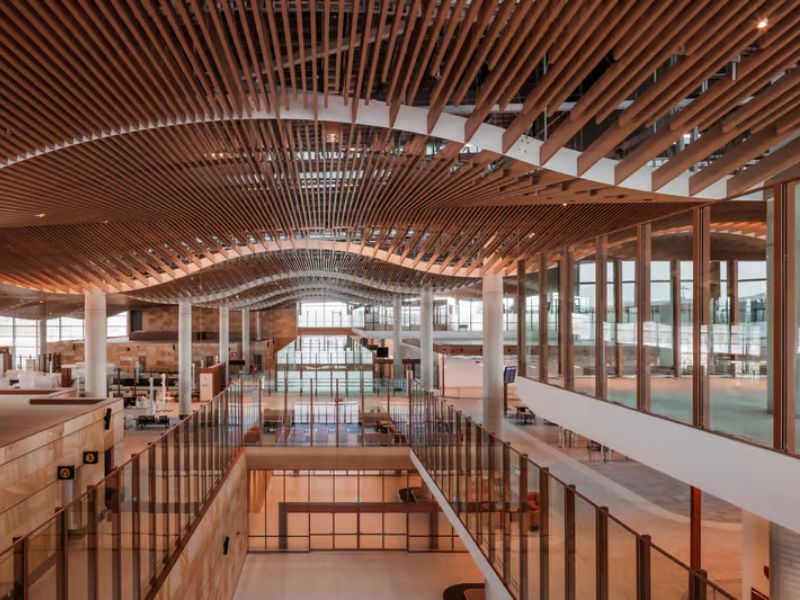
Top architects have completed a new Sydney airport with sustainable features and a sculpted ceiling that casts calming, dappled light inside.
COX Architecture, Zaha Hadid Architects, Multiplex, and Woods Bagot teamed up to design Western Sydney International Airport. Although their roles remain unclear, the sleek wood-and-glass exterior echoes Woods Bagot’s style more than Zaha Hadid’s signature curves.
Design Inspired by Nature and Australian Light
The building draws inspiration from the natural landscape, with daylight playing a central role in its design. Its flowing, sculptural ceiling is crafted to mimic the way sunlight filters through eucalyptus bark.
“The ‘Great Australian Light’ was central to our design,” says David Holm of COX Architecture. “We used it to guide movement and mood, creating a calm, clear space that leaves a strong first impression of Australia.”
Image Credits:The Western Sydney International Airport is a collaboration between COX Architecture, Zaha Hadid Architects, Multiplex, and Woods Bagot Brett Boardman
The project took 9 million work hours and over 2,000 workers. The terminal stretches across 13.5 football fields, with designers prioritizing smooth, intuitive travel.
Energy Efficiency at the Core of the Design
While not fully sustainable, the terminal includes energy-saving features like a low-carbon aluminum ceiling and 8,848 solar panels to cut external power use.
Crews poured 79,500 tonnes of concrete, using an on-site plant to cut truck traffic and fuel use. They also installed a large rainwater tank to supply water for mechanical systems, landscaping, and other needs.
Crews finished the main terminal but are still working on lounges and retail, with the airport set to open in 2026.
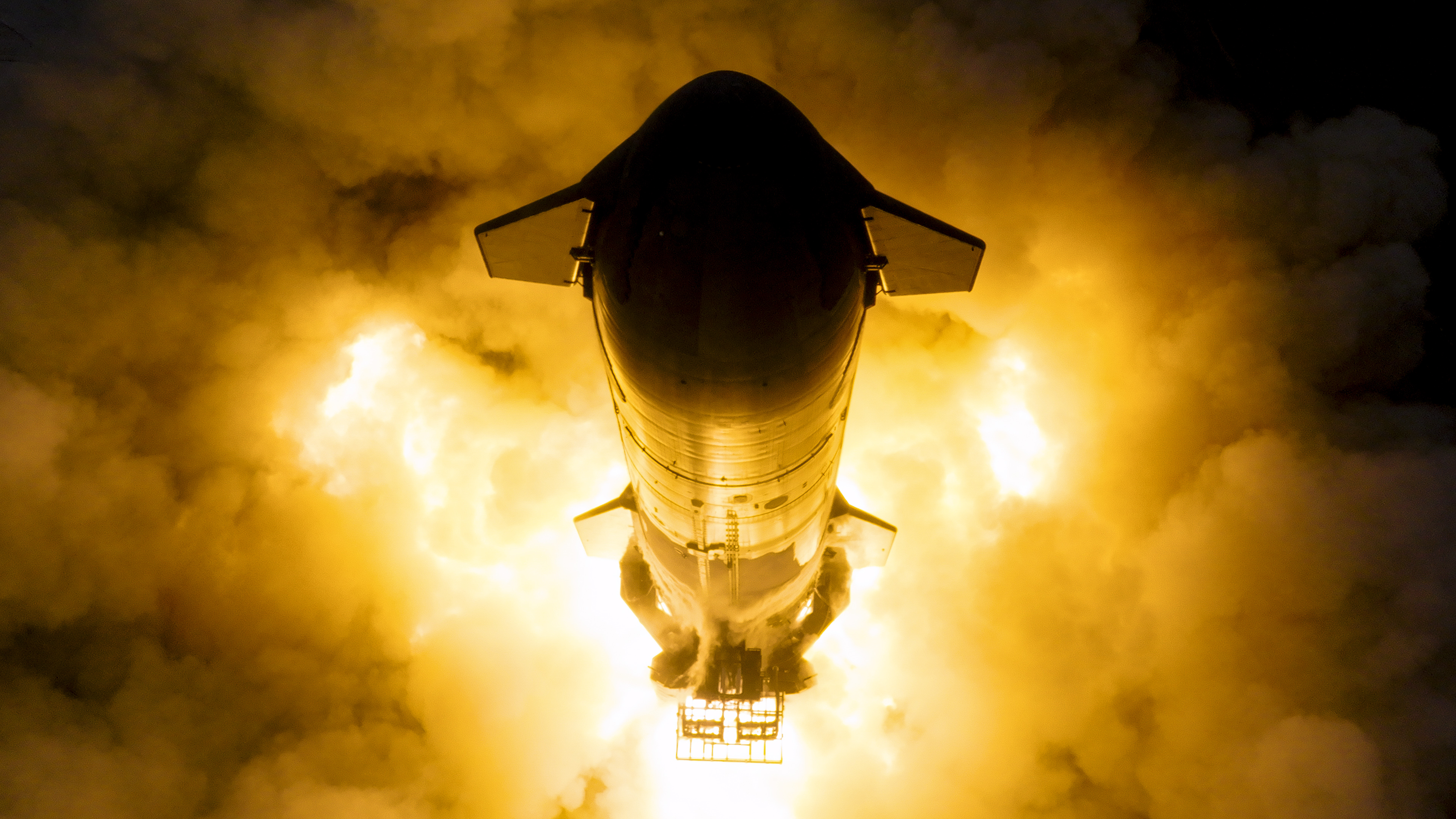
One of SpaceX’s Starship launch vehicles exploded during a test late Wednesday night in Texas, as the company was preparing for its tenth test flight of the powerful rocket system.
SpaceX Confirms Safety of Personnel, Cause of Explosion Still Unknown
In a statement on X, SpaceX confirmed that “all personnel are safe and accounted for,” and assured that “there are no hazards to residents in surrounding communities.” The company has not yet disclosed the cause of the explosion.
It’s currently unclear how this incident might affect the timeline for Starship’s development. According to a recent FAA advisory, the tenth test flight could have taken place as early as June 29.
May Test Flight Reached New Heights but Failed to Deploy Starlink Payload
Although the rocket flew farther in May than in earlier tests, it still fell short of a key milestone: deploying the dummy Starlink satellites onboard — a vital part of SpaceX’s broader plan to expand its satellite internet network using the massive rocket.
Musk has continued to assert that SpaceX is aiming to launch a Starship mission to Mars by 2026, giving it a “50/50” chance during a company update in May. He also revealed that SpaceX is working on a larger “Version 3” of Starship, which he believes could take flight as soon as this year.
With the U.S. deadline looming for TikTok to sell its operations, a new decentralized social media app called Own launched its public beta on Tuesday.
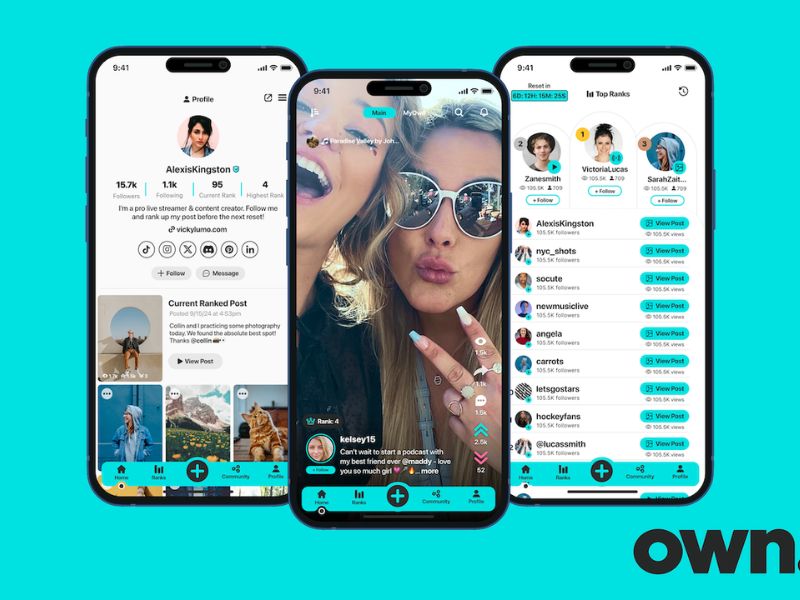
Positioning itself as a TikTok alternative, Own offers a swipeable feed that supports short videos, text, and images, along with familiar features like direct messaging.
Blockchain-Powered Monetization with No Barriers to Entry
What sets Own apart is its use of blockchain and a token-based economy. Creators can earn revenue through engagement without needing a minimum number of followers or posts.
“Amir Kaltak (CEO) and Katia Zaitsev (COO), who previously co-founded the web3 company Lexit, teamed up with Sarah Mick (CCO)—known for her work at Tinder and Bumble—to create the app.“
Key features include the tradeable $OWN Token, which rewards creators based on engagement, and the use of the Base Layer 2 blockchain to ensure content security and ownership.
Image Credits:Own.App
Kaltak sees this as a breakthrough for creators, particularly because they can earn tokens no matter where they are based.
Unlocking Global Earning Potential for Creators
“Major social platforms often block creators around the world from monetizing simply because of where they live.” Own changes that by creating a system that offers equal earning opportunities for creators everywhere,” he told TechCrunch.
“Kaltak explains that Own uses part of its cash revenue to buy back $OWN Tokens from exchanges and distribute them to creators.” “Our approach tokenizes the creator economy to ensure fair rewards for creators, while also generating steady buy-side demand for the token—supporting long-term value and sustainability,” he said.
Token Rewards Gain Traction Beyond the U.S.
Rewarding creators with tokens is becoming increasingly common, especially outside the U.S. For example, Chingari, a short-form video platform in India, has gained over 180 million users by adopting a similar model.
Own also supports additional monetization options, including tipping, brand sponsorships, and sales through its built-in Own Shop (comparable to TikTok Shop).
The app claims creators can earn up to 50% more than on rival platforms. In tipping, Own takes a 20% cut compared to TikTok’s 50%. For sponsorships, creators keep 90% of the revenue, and with Own Shop, they retain 95%, leaving just 5% for the platform.
Monetization features, including token rewards, are expected to go live in the third quarter (July to September). Own Shop, the platform’s commerce feature, is slated to launch in beta between October and December.
Another potential income source for creators is content licensing. “The blockchain verifies each piece of content’s ownership and origin, allowing creators to license their work while keeping their rights.“For instance, they can sell usage rights to brands for marketing purposes and retain 90% of the revenue, with Own taking a 10% commission.
The app also introduces a ranking system where users can vote content up or down using arrows, similar to Reddit. Posts with more upvotes help creators rise on the leaderboard, increasing their visibility and reach.
Redefining Social Media with Fairness, Ownership, and Creator Support
“True content ownership, user control, global pay equity, equal chances for virality, and the ability to form meaningful connections are all essential to fixing what’s broken in today’s social media,” Mick told TechCrunch. “If platforms don’t provide stronger support and set higher standards for creators, they end up letting down both the creators and their dedicated audiences.”
Own is now free to download on both the App Store and Google Play, with the company reporting a waitlist of nearly 40,000 users.
So far, the startup has secured over $5 million in funding from Sarah Mick, Michael Terpin (Transform Ventures), Saba Capital, Base Spin Capital, and Stoka Global.
At this week’s Worldwide Developers Conference (WWDC 25), Apple revealed plans to enhance app discovery on the App Store using AI technology.
During a session on App Store Connect updates, Apple introduced “App Store Tags” — descriptive labels that showcase key features and functions of an app.
AI-Generated Tags with Human Oversight
Apple’s large language models will first create these tags using sources like app metadata, and human reviewers will then vet them before adding them to apps on the App Store.
Apple users will soon be able to use the new tags to search for apps on the App Store, where the tags will appear alongside categories on the search page and within search results.
Enhancing App Discovery for Users and Insights for Developers
According to Apple, these tags highlight details often buried in app descriptions, categories, metadata, or screenshots. They help users find apps with the features they need and give developers clearer insight into how users discover their apps.
Currently, users discover apps through various App Store features, such as editorial content on the Today tab, curated collections, browsing categories, or using search. Apple also displays ads across the App Store, including the Today tab, Search tab, product pages, and search results.
With the new tags, tapping on one will take users to a dedicated page showing a curated list of apps and games with similar features—expanding on the existing “You Might Also Like” recommendations found at the bottom of app listings.
While the tags are initially generated by AI and reviewed by humans, developers will ultimately have control over which tags appear on their app listings. Through a new information page in App Store Connect, developers can manage or remove tags they don’t want displayed on their app’s product page.
Apple Uses AI to Summarize App Reviews and Improve App Store Experience
Apple is already leveraging AI to enhance the App Store experience—for example, by summarizing app reviews into concise paragraphs.
Tags are just one part of broader improvements coming to the App Store. Developers will soon be able to create custom product pages tied to specific search keywords. Additional updates include enhanced “nutrition labels” for apps, a new five-tier age rating system, and expanded use of offer codes for consumables, non-consumables, and non-renewing subscriptions.
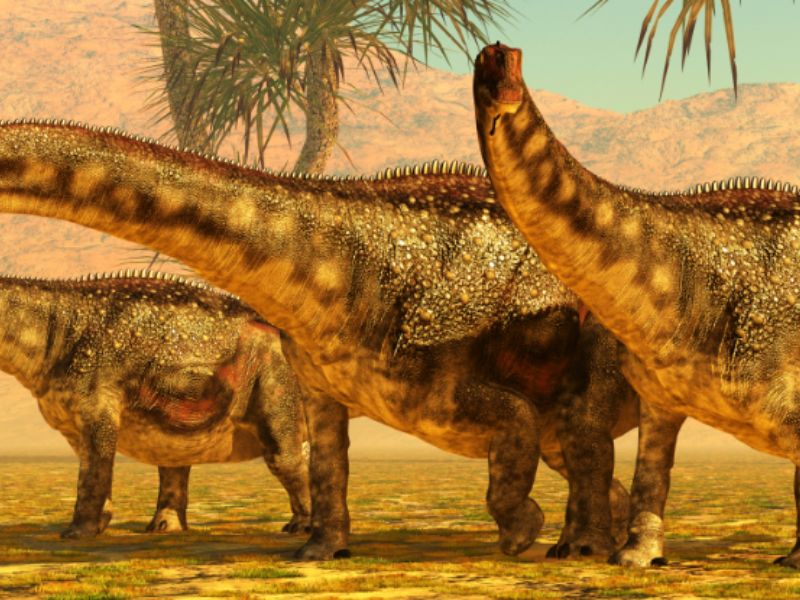
Since the late 1800s, sauropod dinosaurs—like Brontosaurus and Brachiosaurus—have been widely accepted as plant-eaters. Yet until recently, no direct evidence, such as fossilized stomach contents, had confirmed this.
A Rare Glimpse Into a Sauropod’s Diet
I was part of a paleontology team working in outback Queensland, Australia, where we discovered “Judy,” an extraordinary sauropod fossil containing the preserved remains of its last meal.
In a new Current Biology paper, we detail these gut contents and report that Judy is not only the most complete sauropod ever found in Australia but also the first with fossilized skin.
Thanks to its exceptional preservation, Judy offers new insight into how these massive creatures fed.
Sauropods’ Reign and Extinction
Sauropod dinosaurs dominated Earth for 130 million years until their extinction 66 million years ago.
Since the 1870s, sauropods have been widely accepted as plant-eaters. It’s difficult to imagine these massive creatures eating anything but vegetation.
Their simple teeth weren’t suited for tearing meat or breaking bones. With small brains and slow movements, they likely lacked the speed or intelligence to hunt prey effectively.
To maintain their enormous size, sauropods would have needed to feed frequently, relying on a consistent and plentiful food source—plants.
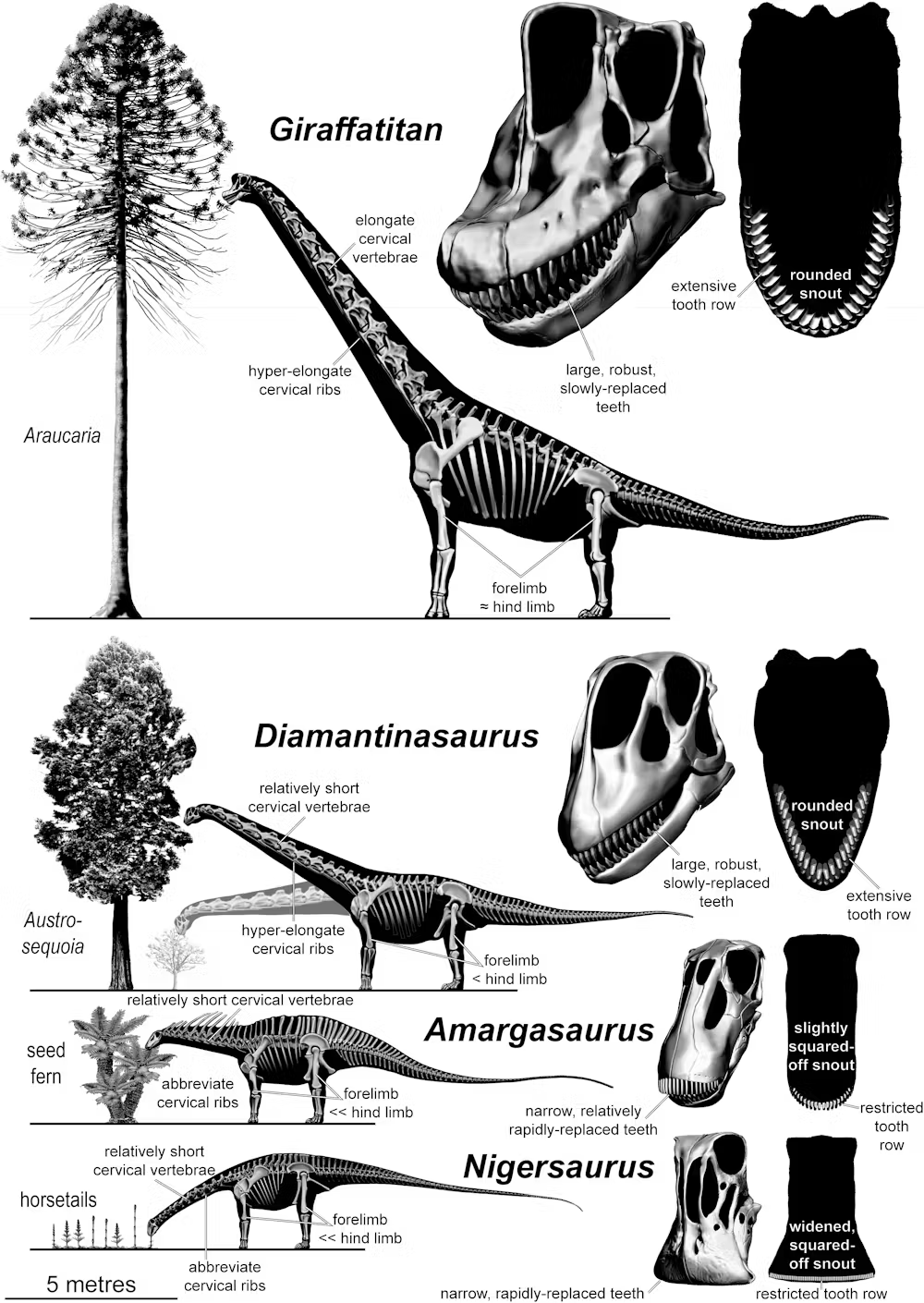
Image Credits:Sauropods showed great variety in overall size, skull and tooth row shape, tooth shape and replacement rate, neck length and flexibility, and relative limb proportions. These features and others have been used to infer the feeding heights of different sauropods. (Travis Tischler & Tayla Croxford/Poropat et al., Current Biology, 2025)
While sauropods shared a generally uniform body structure—large, four-legged, and long-necked—they displayed notable differences upon closer examination.
How Sauropods Differed in Form and Function
Some sauropods had squared snouts with small, fast-replacing teeth limited to the front of the mouth, while others featured rounded snouts and sturdier teeth that extended further back along the jaw. Neck length and flexibility also varied widely—some necks stretched up to 15 meters. Additionally, a few species had shoulders that rose higher than their hips.
Their overall size differed as well—some were noticeably smaller than others. These physical traits would have influenced how high each species could feed and which types of vegetation they could access.
Image Credits:Small portion of Judy’s skin, showing approximately hexagonal scales covered in tiny lumps (termed papillae). Scale bar in centimetres. (Poropat et al., Current Biology, 2025)
Sauropod discoveries are increasingly common in outback Queensland, largely due to the efforts of the Australian Age of Dinosaurs Museum in Winton.
In 2017, I assisted the museum in uncovering a sauropod estimated to be around 95 million years old, later nicknamed Judy in honor of the museum’s co-founder, Judy Elliott.
Australia’s Most Complete Sauropod with Preserved Skin and Stomach Contents
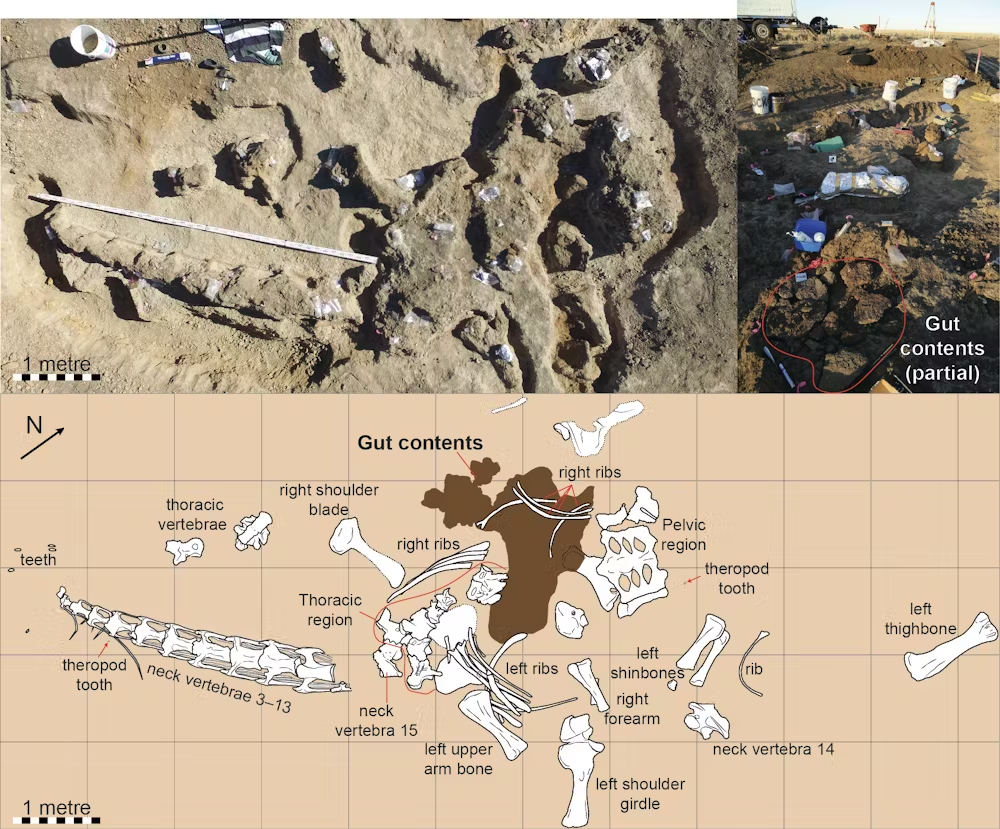
It quickly became clear that this was a remarkable find. Not only is Judy the most complete sauropod skeleton and the first with fossilized skin ever discovered in Australia, but her abdominal area also contained an unusual rock layer—about two square meters in size and averaging ten centimeters thick—densely packed with fossilized plant material.
The presence of this plant-rich layer solely within Judy’s abdominal area, pressed against the inner side of her fossilized skin, led us to ask—had we uncovered the remnants of Judy’s final meal or meals?
If that were the case, we realized we were dealing with something truly unique: the first-ever discovery of sauropod stomach contents.
Image Credits:Bird’s eye view of the Judy site, showing how her bones and gut contents were found. Some parts of her body seem to have been moved out of position after she died by predatory dinosaurs, as shown by the presence of a few theropod teeth on site. (Winton Shire Council/Australian Age of Dinosaurs/Poropat et al., Current Biology, 2025)
A Rare Specimen of Diamantinasaurus matildae
By analyzing Judy’s skeleton—carefully extracted from the surrounding rock by museum volunteers—we identified her as Diamantinasaurus matildae.
These techniques allowed us to digitally reconstruct the plant material—preserved as voids in the rock—without damaging the fossils.
Analyzing the Composition of Judy’s Final Meal
We carefully removed and analyzed small samples of the gut contents, along with fragments of skin and surrounding rock, to determine their chemical composition.
The results showed that the gut contents had fossilized through microbial activity in an acidic environment—possibly stomach acids—with the minerals likely coming from the breakdown of Judy’s own body tissues.
Image Credits:Some of the many plant fossils found within Judy’s gut contents, including conifer bracts (B) and a seed fern seed pod (C). Scale bars = 1 centimetre. (Poropat et al., Current Biology, 2025)
Judy’s gut contents confirm that sauropods consumed plant material with minimal chewing, relying heavily on gut microbes for digestion.
Crucially, the analysis reveals that just before her death, Judy ate conifer bracts (from relatives of today’s monkey puzzle trees and redwoods), seed pods from now-extinct seed ferns, and leaves from angiosperms, or flowering plants.
At the time, conifers—much like today—would have been tall trees, suggesting Judy fed high off the ground. In contrast, flowering plants during the mid-Cretaceous were mostly low-lying, indicating she grazed at varying heights.
However, since Judy wasn’t fully grown at the time of her death, the angiosperm remains suggest she also fed closer to the ground. This points to the possibility that some sauropods’ diets shifted slightly as they matured. Still, they remained committed plant-eaters throughout their lives.
Judy’s preserved skin and stomach contents are now on display at the Australian Age of Dinosaurs Museum in Winton. While I’m not sure how I’d feel about my final meal being on public view after death, I think I’d be okay with it—if it advanced science.
Researchers from Tohoku University, in collaboration with NASA, conducted a study predicting the end of life on Earth in the year 1,000,002,021. Using supercomputers, they simulated the Sun’s behavior over billions of years and concluded that the gradual increase in solar radiation will make the planet uninhabitable.
As the Sun ages, it will expand, emitting more heat and compromising Earth’s atmosphere. This process will lead to the evaporation of the oceans and the elimination of oxygen, making complex life impossible. Only extremophile organisms, capable of surviving in extreme conditions, could endure for a while longer.
Sun’s Aging to Transform Earth into a Lifeless Desert
The study explains that the aging of the Sun will lead to significant expansion, increasing the emission of heat and radiation. This phenomenon will trigger a series of catastrophic events, beginning with the evaporation of the oceans. Without water, Earth will become a toxic desert, incapable of supporting any form of complex life.
Furthermore, Earth’s atmosphere will gradually be destroyed, eliminating the oxygen necessary for human survival. The extreme temperatures will render the planet uninhabitable, and only extremely resilient microscopic organisms may survive for a limited time.
Créditos: depositphotos.com / vampy1
Studying Stellar Lifecycles Offers Insight into Earth’s Future and Present-Day Challenges
Although the end of Earth is billions of years in the future, the research highlights the importance of understanding stellar cycles and the limits of planetary habitability. This knowledge can influence human actions in the present, especially regarding immediate challenges such as climate change and geopolitical conflicts.
Today’s actions are crucial to ensuring the survival of future generations. The study serves as a reminder that, although our existence may seem eternal, Earth’s fate is sealed by cosmic forces. Therefore, it is essential for humanity to take steps to mitigate current risks and plan for a sustainable future.
The prediction of Earth’s end highlights the need to reflect on our role in the universe and the responsibilities we have toward the planet. As the cosmic clock keeps ticking, it is vital for humanity to confront the environmental and social challenges that threaten our immediate future.
The study reinforces that humanity’s fate is directly tied to the Sun’s cycle. Therefore, awareness and collective action are essential to ensure that future generations can thrive, even in the face of cosmic uncertainties.
Although the prediction of the end of the Earth is still far off, it raises important questions about sustainability and environmental preservation. Science gives us a glimpse of the future, but it is up to humanity to decide how to deal with the challenges of the present.
Ultimately, the study conducted by scientists from Tohoku University and NASA reminds us that, while the Earth’s final fate is sealed, there is still time to act and make a difference. The planet’s future depends on the choices we make today.
We use cookies on our website to give you the most relevant experience by remembering your preferences and repeat visits. By clicking “Accept All”, you consent to the use of ALL the cookies. However, you may visit "Cookie Settings" to provide a controlled consent.
This website uses cookies to improve your experience while you navigate through the website. Out of these, the cookies that are categorized as necessary are stored on your browser as they are essential for the working of basic functionalities of the website. We also use third-party cookies that help us analyze and understand how you use this website. These cookies will be stored in your browser only with your consent. You also have the option to opt-out of these cookies. But opting out of some of these cookies may affect your browsing experience.
Necessary cookies are absolutely essential for the website to function properly. These cookies ensure basic functionalities and security features of the website, anonymously.
Cookie
Duration
Description
cookielawinfo-checkbox-analytics
11 months
This cookie is set by GDPR Cookie Consent plugin. The cookie is used to store the user consent for the cookies in the category "Analytics".
cookielawinfo-checkbox-functional
11 months
The cookie is set by GDPR cookie consent to record the user consent for the cookies in the category "Functional".
cookielawinfo-checkbox-necessary
11 months
This cookie is set by GDPR Cookie Consent plugin. The cookies is used to store the user consent for the cookies in the category "Necessary".
cookielawinfo-checkbox-others
11 months
This cookie is set by GDPR Cookie Consent plugin. The cookie is used to store the user consent for the cookies in the category "Other.
cookielawinfo-checkbox-performance
11 months
This cookie is set by GDPR Cookie Consent plugin. The cookie is used to store the user consent for the cookies in the category "Performance".
viewed_cookie_policy
11 months
The cookie is set by the GDPR Cookie Consent plugin and is used to store whether or not user has consented to the use of cookies. It does not store any personal data.
Functional cookies help to perform certain functionalities like sharing the content of the website on social media platforms, collect feedbacks, and other third-party features.
Performance cookies are used to understand and analyze the key performance indexes of the website which helps in delivering a better user experience for the visitors.
Analytical cookies are used to understand how visitors interact with the website. These cookies help provide information on metrics the number of visitors, bounce rate, traffic source, etc.
Advertisement cookies are used to provide visitors with relevant ads and marketing campaigns. These cookies track visitors across websites and collect information to provide customized ads.