Cosmology

Design Sem Nome 2025 10 24T142809.522

New Telescope Could Reshape Our View Of The Cosmos

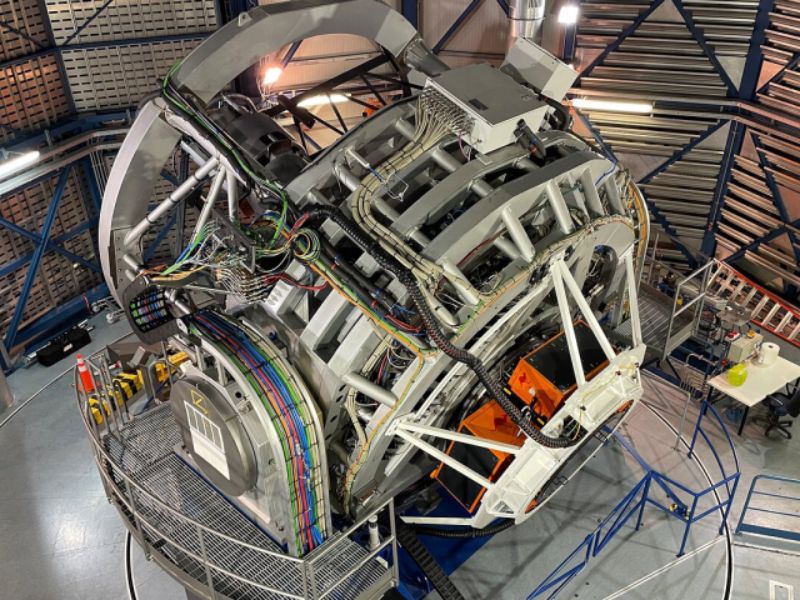
ESO installed the 4-metre Multi-Object Spectroscopic Telescope (4MOST) on its VISTA telescope in Chile. Unlike traditional telescopes that capture images, 4MOST records spectra, analyzing the light of each object across all its individual colors. This allows it to break down the light from 2,400 celestial objects at once into 18,000 color components, enabling astronomers to […]

New Telescope Could Reshape Our View Of The Cosmos Read More »
Design Sem Nome 2025 06 30T092012.186

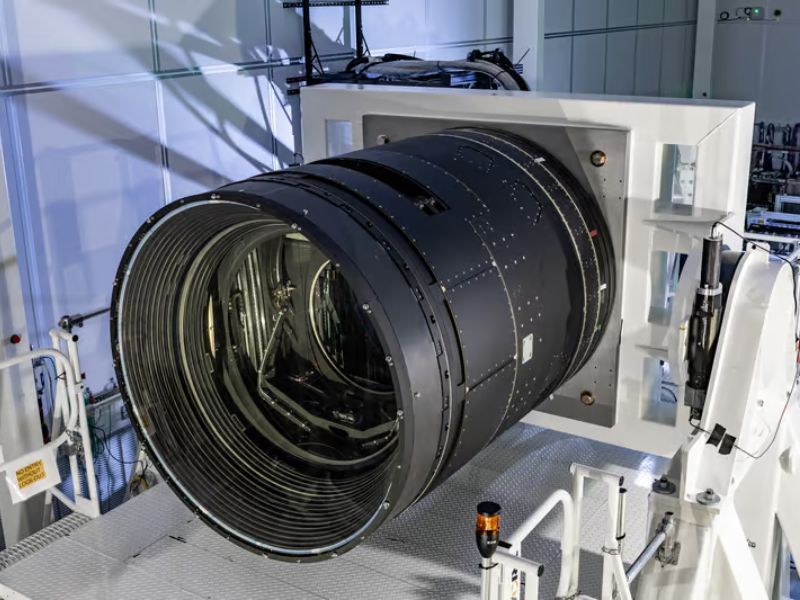
World’s Largest Digital Camera Captures First Cosmic Images

After over 20 years of development, the world’s largest digital camera at Chile’s Vera C. Rubin Observatory has captured its first images during a 10-hour test session atop Cerro Pachón. SLAC’s Ambitious Plan for a Record-Breaking Astro Camera In 2012, SLAC announced plans for a 3.2-gigapixel astro camera—set to lead a 10-year survey at the

World’s Largest Digital Camera Captures First Cosmic Images Read More »

2 43

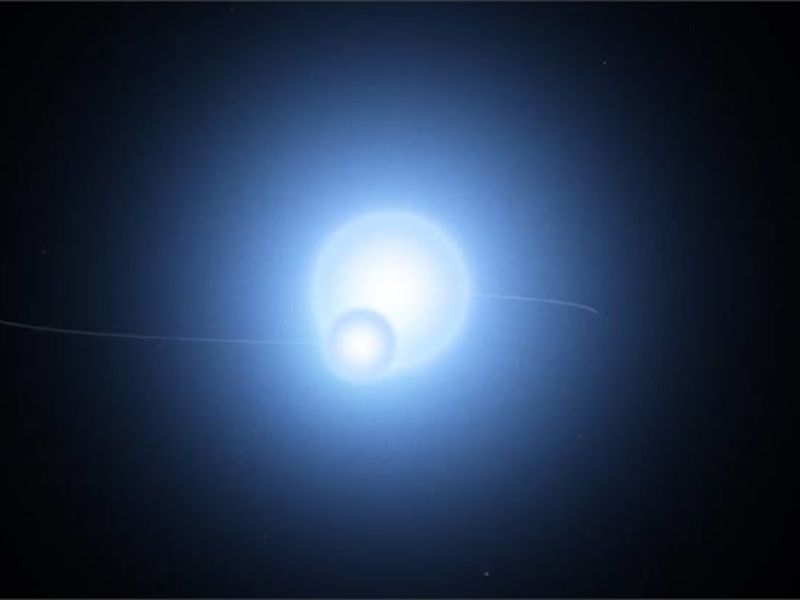
Star Found Orbiting Within Another in Astonishing Cosmic First

Binary star systems—two stars gravitationally bound and circling a shared center—are far from unusual, with over half the stars in our galaxy belonging to such pairs or multi-star groups. Diverse Duos with Dramatic Interactions These stellar duos often differ significantly in mass, luminosity, and size, and the gravitational dynamics between them can profoundly influence their

Star Found Orbiting Within Another in Astonishing Cosmic First Read More »

Design Sem Nome 14 1

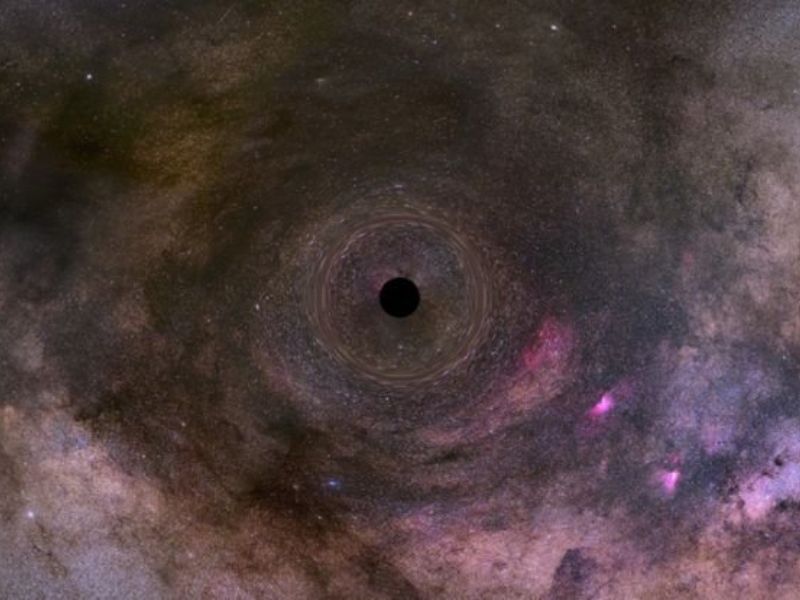
First Truly Isolated Black Hole Discovered In The Cosmos

For the first time, a solitary  black hole drifting through the cosmos has been confirmed. After much excitement, a closer examination has unveiled the true nature of this mysterious object. The latest analysis reveals that the black hole has a mass approximately 7.15 times that of the Sun, is located about 4,958 light-years away, and

First Truly Isolated Black Hole Discovered In The Cosmos Read More »

Design Sem Nome 9 1

First Stars May Have Filled the Universe with Water, Study Finds

Water is a cornerstone of life. Every organism on Earth depends on it, and our planet thrives with life due to its abundance of water. The link between water and life comes from both water’s unique properties and its abundance in the cosmos. The Origins of Water: Hydrogen and Oxygen Water, with its simple structure

First Stars May Have Filled the Universe with Water, Study Finds Read More »

Design Sem Nome 2024 11 14T104208.776

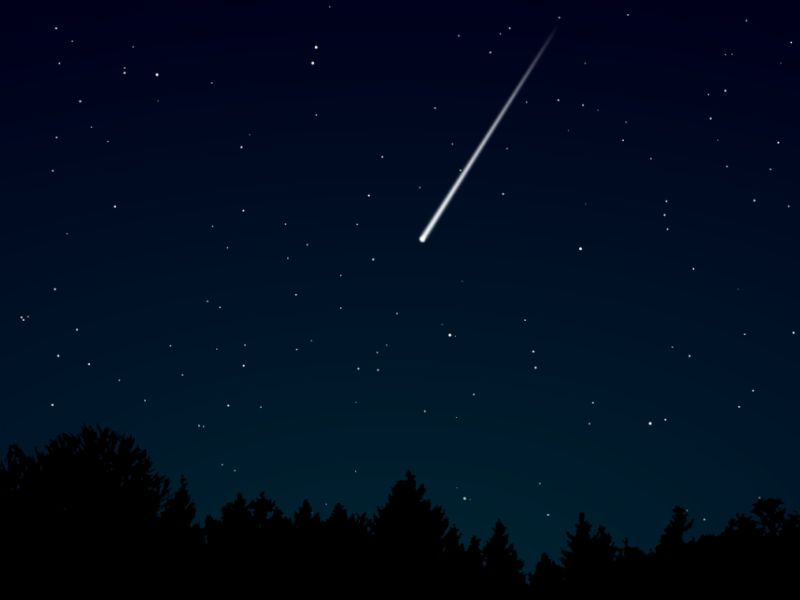
Leonid Meteor Shower May Surprise Us with a Stunning Display This Week

One of my most memorable experiences was back in the 90s when I was in the US Air Force. In November 1998, I found myself deployed to Kuwait, where I witnessed a spectacular meteor storm as the Leonids reached their peak on the morning of November 17th. The meteors came quickly and intensely, lighting up

Leonid Meteor Shower May Surprise Us with a Stunning Display This Week Read More »

Benefits 4

Auroras may Light up Earth’s Skies again in early June: Key nights to watch.

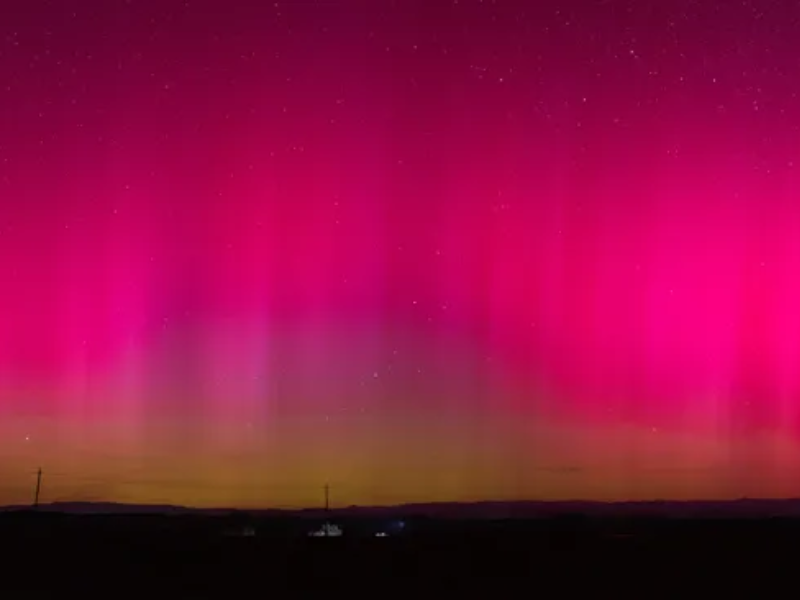
If you want to see the northern lights from outside the Arctic Circle, be ready to drive to a dark place during the first week of June. The strongest geomagnetic storm in over twenty years occurred between May 10 and May 12, lighting up the skies with colorful auroras as far south as Florida and

Auroras may Light up Earth’s Skies again in early June: Key nights to watch. Read More »

Journal Of Functional Foods. 10

Double Supernova Unveils Extraordinary Celestial Structure

An enigmatic nebula named Tarantula in the neighboring galaxy has been a cosmic theater of stellar births and deaths for millions of years. While the closest supernova in the last 50 years, Supernova 1987A, originated from its outskirts, astronomers are now focusing on another intriguing supernova remnant within the nebula: 30 Doradus B. Pulsars, Neutron

Double Supernova Unveils Extraordinary Celestial Structure Read More »

Scitke Design 8

Inspiring Students with Ham Radio and Much More

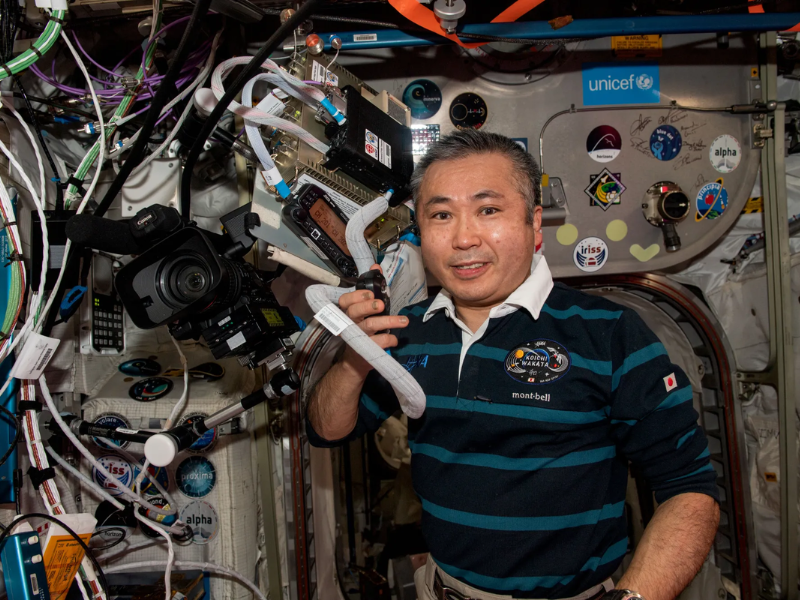
Being a microgravity laboratory in orbit, the International Space Station accommodates experiments across diverse scientific domains. Additionally, it serves as a platform for educational initiatives designed to foster global interest in science, technology, engineering, and mathematics (STEM) among young individuals. The objective of these programs is to ignite the passion of the upcoming generation, cultivating

Inspiring Students with Ham Radio and Much More Read More »

Scroll to Top