Category: Medicine

  • The Osteoarthritis Treatment Thought To Be The “Most Effective” May Not Be As Helpful As Once Believed

    The Osteoarthritis Treatment Thought To Be The “Most Effective” May Not Be As Helpful As Once Believed

    A comprehensive review of clinical research is raising questions about one of the most frequently recommended treatments for osteoarthritis.
    Exercise is widely recommended for osteoarthritis, but how much does it truly help? A large-scale review suggests the benefits may be smaller and less durable than many assume. Image Credits: Stock

    A comprehensive review of clinical research is raising questions about one of the most frequently recommended treatments for osteoarthritis.

    For the millions affected by the condition, advice to exercise is almost automatic in routine care. However, a new analysis indicates that its impact on reducing joint pain and improving daily function may be more modest—and more short-term—than many patients anticipate.

    Writing in the open-access journal RMD Open, researchers conclude that exercise therapy likely offers only small, temporary improvements in osteoarthritis symptoms and, in some comparisons, may be no more effective than no treatment at all. Their findings draw on both an umbrella systematic review and a pooled analysis of existing data.

    The researchers say their findings call into question the routine promotion of exercise as a universal first-line treatment for all people with osteoarthritis. They suggest the field may need to reconsider which research priorities take center stage, including which therapies warrant more rigorous head-to-head comparisons and extended follow-up periods.

    Exercise is commonly recommended early in the course of various types of osteoarthritis. Still, the authors note that a growing number of studies have begun to question the true strength and durability of its benefits.

    While numerous systematic reviews have examined exercise for osteoarthritis, the team emphasizes that no single, wide-ranging analysis has evaluated it against a full array of alternatives—such as placebo, standard care, no intervention, medications, other non-drug approaches, and surgery.

    Review Scope and Methodology

    To fill this gap, the researchers searched major medical databases for relevant systematic reviews and randomized controlled trials published through November 2025. Their umbrella review incorporated five systematic reviews totaling 8,631 participants, along with 28 randomized trials that included 4,360 participants. Most of these studies centered on knee or hip osteoarthritis (23 trials), while a smaller number addressed hand (3) and ankle (2) osteoarthritis.

    After combining and analyzing the data, the researchers found that exercise produced modest, short-term reductions in knee osteoarthritis pain compared with placebo or no treatment. However, the overall certainty of the evidence was judged to be very low. In larger trials and those with longer follow-up, the observed benefits were even more limited.

    Moderate-certainty evidence suggested that exercise had minimal to no impact on hip osteoarthritis and only modest benefits for hand osteoarthritis.

    Results with differing levels of certainty indicated that exercise yielded outcomes comparable to patient education, manual therapy, pain medications, corticosteroid or hyaluronic acid injections, and arthroscopic knee surgery.

    In some subgroups examined within individual trials, exercise proved less effective over the long term than knee osteotomy and joint replacement procedures.

    Study Limitations and Interpretation

    The researchers admit they selectively prioritized certain reviews for inclusion, which left out some relevant studies. However, additional analyses of effect sizes from the excluded reviews yielded similar results.

    They also point out that few studies directly compared exercise with other treatments. Participant characteristics varied widely, and some trials allowed additional therapies alongside exercise, which could have influenced outcomes.

    Despite these limitations, they conclude: Overall, the evidence on exercise for osteoarthritis is largely inconclusive, showing minimal—or at best, short-term—effects on pain and function across different types of osteoarthritis compared with placebo or no treatment. Benefits appear smaller in larger, longer-term trials.

    “These findings challenge the routine promotion of exercise as the sole first-line therapy for improving pain and physical function in all osteoarthritis patients.”

    The researchers emphasize that osteoarthritis management extends beyond joint symptoms. Exercise can still benefit heart health, mood, sleep, balance, and independence, and many patients prefer it over medications or procedures. They recommend a more individualized approach rather than abandoning exercise entirely.

    “They recommend that clinicians and patients make treatment decisions together, considering not only the modest effects of exercise on pain and function but also its secondary health benefits, safety, affordability, stage of care, and other available treatment options.”


    Read the original article on: SciTechDaily

    Read more: Japanese Scientists Developed Tech to Record and View Dreams

  • Researchers Have Uncovered a Troubling Finding in Umbilical Cord Blood

    Researchers Have Uncovered a Troubling Finding in Umbilical Cord Blood

    Unborn babies were exposed to significantly higher levels of “forever chemicals” than researchers previously thought—and the full implications are only now starting to come into focus.
    Babies born in the early 2000s were exposed in the womb to far more “forever chemicals” than anyone realized, according to new research that used cutting-edge chemical screening on umbilical cord blood. Image Credits: Shutterstock

    Unborn babies were exposed to significantly higher levels of “forever chemicals” than researchers previously thought—and the full implications are only now starting to come into focus.

    A new study published today (February 18) in Environmental Science & Technology reports that babies born between 2003 and 2006 were exposed in the womb to far higher levels of “forever chemicals” than scientists previously believed.

    Known as per- and polyfluoroalkyl substances (PFAS), these chemicals encompass thousands of compounds that remain widely used. Researchers still do not fully understand their effects on human health, making it especially critical to assess how much exposure occurs before birth.

    The study was led by Shelley H. Liu, PhD, Associate Professor of Population Health Science and Policy at the Icahn School of Medicine at Mount Sinai. Her team developed a method to estimate newborn PFAS exposure using advanced cord blood analysis.

    PFAS are man-made chemicals used in common products like nonstick pans, stain-resistant clothing, food packaging, and firefighting foam. They’re called “forever chemicals” because they break down slowly and build up in the body and environment.

    Advanced Testing Reveals Wider PFAS Exposure

    Scientists analyzed stored cord blood from 120 infants (2003–2006) in the Cincinnati-based HOME Study to assess prenatal exposure. Now teenagers, these participants allow researchers to study links between early chemical exposure and later health.

    Instead of testing a few known chemicals, the team used a non-targeted method to screen hundreds or thousands of substances at once. This wider approach detected far more PFAS in cord blood, including newer, less-studied compounds.

    Overall, the researchers identified 42 confirmed or suspected PFAS in the samples. Many of these chemicals are not routinely included in standard screenings, and their possible health effects remain largely unknown. The results indicate that babies are exposed before birth to a diverse range of PFAS, including perfluorinated chemicals, polyfluorinated chemicals, and fluorotelomers.

    A New Method for Assessing Overall PFAS Exposure

    To better assess overall exposure, the researchers created what they termed PFAS-omics burden scores using item response theory. These scores offer a snapshot of an infant’s combined PFAS exposure at a specific point in time.

    Using this more comprehensive measure, the team found no differences in PFAS exposure between babies born to first-time mothers and those whose mothers had prior pregnancies—contradicting earlier studies that relied on narrower PFAS panels.

    “Our findings show that the way we measure PFAS makes a significant difference,” said Shelley H. Liu, the study’s first and co-corresponding author. “A broader approach shows babies are exposed to far more PFAS before birth than we thought, and some assumptions may need revising.”

    The Importance of PFAS Exposure Before Birth

    Pregnancy is a crucial stage of development, and earlier research has connected prenatal PFAS exposure to outcomes like reduced birth weight, preterm delivery, altered immune responses to vaccines, metabolic changes, and other developmental concerns.

    “Our study demonstrates that prenatal PFAS exposure is more extensive and complicated than previously thought,” said Shelley H. Liu. “Gaining a complete understanding is key to safeguarding children’s health and minimizing preventable environmental risks.”

    The American College of Obstetricians and Gynecologists has emphasized that reducing exposure to environmental toxins like PFAS is a “critical area of intervention.”

    Implications for Healthcare Providers and Families

    Although research increasingly shows that PFAS can affect various aspects of health, these chemicals are not regularly monitored in medical practice.

    The new approach provides a more complete way to estimate overall PFAS exposure. In the future, methods like this could assist healthcare providers in:

    • Detect people with elevated PFAS exposure
    • Closely track populations at greater risk
    • Inform strategies for preventive health

    “For the moment, this research establishes a scientific foundation,” said Shelley H. Liu. “Our aim is to advance toward earlier detection and prevention, particularly during critical periods such as pregnancy.”

    Future Directions for PFAS Studies

    The research team aims to investigate whether greater early-life PFAS exposure is associated with adverse health outcomes as children develop. They also aim to study new, less-known PFAS in cord blood and improve tools for disease prevention.


    Read the original article on: SciTechDaily

    Read more: This Innovative Blood Test Can Identify Cancer Before Tumors Develop

  • Why the Effects of Black Mamba Bites Can Suddenly Intensify After Receiving Treatment

    Why the Effects of Black Mamba Bites Can Suddenly Intensify After Receiving Treatment

    Scientists discovered a “second hit” in mamba venom that helps explain why some patients initially improve with antivenom, only to relapse into severe, painful spasms.
    Scientists found that several mamba species launch a dual assault on the nervous system, turning early paralysis into sudden post-treatment spasms. Image Credits: Shutterstock

    Scientists discovered a “second hit” in mamba venom that helps explain why some patients initially improve with antivenom, only to relapse into severe, painful spasms.

    Certain mamba species initially paralyze muscles, then target another area of the nervous system, causing uncontrollable contractions after treatment reverses the initial paralysis.

    The Hidden Threats Lurking in Mamba Venom

    A groundbreaking study at The University of Queensland has uncovered a previously unknown and dangerous trait in the Black Mamba, one of the world’s most venomous snakes.

    Professor Bryan Fry from UQ’s School of the Environment explained that the research showed the venoms of three mamba species are far more neurologically complex than once believed, shedding light on why antivenoms can sometimes fail to work effectively.

    Two-Pronged Neurological Assault Mechanism

    “The Black Mamba, Western Green Mamba, and Jameson’s Mamba don’t rely on a single type of venom; they target two separate areas of the nervous system simultaneously,” explained Professor Fry.

    In bites from three of the four mamba species, victims typically suffer flaccid or limp paralysis due to postsynaptic neurotoxicity.

    Why Antivenoms Can Occasionally Be Ineffective

    Current antivenoms can counteract the flaccid paralysis, but this study revealed that the venoms of these three mamba species can subsequently target another part of the nervous system, triggering spastic paralysis through presynaptic toxicity.

    Until now, we believed only the fourth species, the Eastern Green Mamba, could cause spastic paralysis.

    “This discovery explains a long-standing clinical puzzle: some patients bitten by mambas initially respond to antivenom, regaining muscle tone and movement, only to later experience painful, uncontrollable spasms.

    “The venom first blocks nerve signals to the muscles, but once antivenom is administered, it overstimulates them.”

    “It’s as if you cure one condition, only to uncover a second one.”

    A Lethal Danger Across Sub-Saharan Africa

    Bites from mamba snakes (Dendroaspis species) pose a major danger in sub-Saharan Africa, causing around 30,000 deaths each year.

    PhD candidate Lee Jones, who carried out the experimental studies on mamba venoms, emphasized that developing new antivenoms is essential for saving lives.

    Unexpected Discoveries from Laboratory Research

    “We aimed to compare the venom potencies among different mamba species,” Mr. Jones explained.

    We anticipated seeing clear flaccid paralysis caused by postsynaptic effects and that antivenom would neutralize these effectively.

    What surprised us was that the antivenom actually revealed the other half of the venom’s effects on presynaptic receptors.

    We also discovered that venom activity varied depending on the snakes’ geographic origin, especially in Black Mamba populations from Kenya and South Africa.

    “This makes treatment even more challenging across regions, as current antivenoms are not designed to address the complex differences in venom composition.”

    Advancing Antivenoms and Improving Patient Treatment

    Professor Fry stated that this research could lead to the development of specialized antivenoms with higher effectiveness.

    “This is more than an academic finding—it’s a direct message to clinicians and antivenom producers,” Professor Fry explained.

    “By recognizing the shortcomings of existing antivenoms and fully understanding venom behavior, we can guide more evidence-based approaches to snakebite treatment.”

    “This type of applied venom research can enable doctors to make more informed decisions on the spot and, ultimately, save lives.”

    The laboratory studies were conducted in partnership with the Monash Venom Group.


    Read the original article on: SciTechDaily

    Read more: This Innovative Blood Test Can Identify Cancer Before Tumors Develop

  • This Innovative Blood Test Can Identify Cancer Before Tumors Develop

    This Innovative Blood Test Can Identify Cancer Before Tumors Develop

    A newly developed CRISPR-based light sensor can pick up the slightest traces of cancer from just a single drop of blood.
    Researchers have built a powerful optical sensor that can spot trace cancer biomarkers in blood at astonishingly low levels. The breakthrough could pave the way for simple blood tests that catch cancer earlier and monitor treatment more closely. Image Credits: Shutterstock

    A newly developed CRISPR-based light sensor can pick up the slightest traces of cancer from just a single drop of blood.

    Researchers have developed a sophisticated light-driven sensor that can detect extremely low levels of cancer biomarkers in the bloodstream. In the future, this technology could enable physicians to spot early signs of cancer and other illnesses through a simple routine blood test.

    Challenges of Detecting Early-Stage Cancer Biomarkers

    Biomarkers—including proteins, DNA fragments, and other molecules—can reveal whether cancer is present, how it is advancing, or an individual’s risk level. However, in the earliest stages of disease, these indicators appear in minuscule quantities, making them challenging to detect.

    “Our sensor integrates DNA-based nanostructures with quantum dots and CRISPR gene-editing technology to capture faint biomarker signals using a light-based method called second harmonic generation (SHG),” explained research team leader Han Zhang of Shenzhen University in China. “If proven effective, this strategy could simplify treatment, improve survival outcomes, and reduce overall healthcare expenses.”

    Researchers developed a highly sensitive light-based sensor that can detect low concentrations of cancer biomarkers in the blood. When the biomarker is detected, the Cas12a protein used for CRISPR cuts the DNA holding the quantum dots, which causes a measurable drop in SHG signal. Image Credits: Han Zhang, Shenzhen University

    In Optica, the high-impact research journal published by Optica Publishing Group, Zhang and his team reported that their sensor identified lung cancer biomarkers in patient samples at sub-attomolar concentrations. In other words, it produced a distinct signal even when only a few molecules were present. Because the platform is programmable, it could potentially be tailored to detect viruses, bacteria, environmental pollutants, or biomarkers associated with diseases such as Alzheimer’s.

    “For early detection, this technique could make it possible to conduct straightforward blood tests for lung cancer before a tumor becomes detectable on a CT scan,” Zhang said. “It may also support more personalized treatment strategies by enabling physicians to track a patient’s biomarker levels daily or weekly to evaluate how well a drug is working, instead of waiting months for imaging results.”

    Optical Sensing Technology Without Signal Amplification

    Most existing biomarker detection techniques depend on chemical amplification to magnify extremely weak molecular signals—a step that can increase time, complexity, and expense. The researchers set out to create a direct detection approach that eliminates the need for these additional procedures.

    The new system is based on second harmonic generation (SHG), a nonlinear optical phenomenon in which incoming light is converted into light with half its original wavelength. In this setup, SHG occurs on the surface of a two-dimensional semiconductor known as molybdenum disulfide (MoS₂).

    To precisely control the signal, the scientists employed DNA tetrahedrons—tiny pyramid-like nanostructures made entirely of DNA—to place quantum dots at carefully measured distances from the MoS₂ surface. These quantum dots enhance the local optical field, thereby amplifying the SHG response.

    The researchers then integrated CRISPR-Cas gene-editing technology to detect specific biomarkers. When the Cas12a protein recognizes its target, it cleaves the DNA strands that hold the quantum dots in place, leading to a measurable drop in the SHG signal. Because SHG produces minimal background noise, the system can identify extremely low concentrations of biomarkers with remarkable sensitivity.

    “Rather than treating DNA solely as a biological material, we use it as programmable building blocks to assemble our sensor components with nanometer-scale accuracy,” Zhang explained. “By pairing nonlinear optical sensing—which significantly reduces background interference—with an amplification-free design, our approach achieves a unique combination of speed and precision.”

    Promising Results in Lung Cancer Sample Testing

    To assess its effectiveness, the team targeted miR-21, a microRNA associated with lung cancer. After verifying detection in a controlled buffer solution, they evaluated the sensor using serum samples from lung cancer patients, replicating the conditions of real-world blood tests.

    “The sensor performed exceptionally, demonstrating that combining optics, nanomaterials, and biological components can effectively enhance device performance,” said Zhang. “It was also highly selective, ignoring other similar RNA strands and detecting only the lung cancer biomarker.”

    The next goal is to miniaturize the optical system. The researchers aim to create a compact, portable device that could be used at the bedside, in outpatient clinics, or in remote areas with limited healthcare access.


    Read the original article on: SciTechDaily

    Read more: Researchers Found a New Way to Stop Pain Nerves From Spreading into The Spine

  • Researchers Found a New Way to Stop Pain Nerves From Spreading into The Spine

    Researchers Found a New Way to Stop Pain Nerves From Spreading into The Spine

    Researchers have discovered a bone-mediated signaling pathway that could help explain how spinal degeneration results in chronic pain.
    Chronic low back pain remains one of the most widespread and difficult medical conditions to treat, often lacking a clear structural cause. New research suggests that a hormone already used to treat osteoporosis may influence pain by altering how nerves interact with degenerating spinal tissue. Image Credits: Shutterstock

    Researchers have discovered a bone-mediated signaling pathway that could help explain how spinal degeneration results in chronic pain.

    Low back pain (LBP) is one of the most common health problems worldwide. It affects individuals of all ages and places a heavy burden on healthcare systems. For many people, the pain becomes chronic, interfering with sleep, restricting movement, and diminishing overall quality of life. Yet in most cases, doctors cannot identify a clear structural cause, making long-term treatment challenging.

    A study published in Bone Research highlights a potential new strategy. The findings suggest hormone therapy may ease chronic back pain by blocking abnormal nerve growth in the spine. Led by Dr. Janet L. Crane at Johns Hopkins’ Center for Musculoskeletal Research found that bone cells may unexpectedly help control pain in spinal degeneration.

    “During spinal degeneration, pain-sensing nerves extend into areas where they are not typically found. “Our research shows parathyroid hormone can push these nerves away by activating natural signals,” Dr. Crane explains.

    Parathyroid Hormone and Spinal Degeneration

    Parathyroid hormone (PTH), produced by the parathyroid glands, plays a key role in regulating calcium levels and supporting healthy bone remodeling. Synthetic forms of PTH are already used to treat osteoporosis. Previous studies suggested these treatments might also ease bone-related pain, though the biological mechanism remained unclear.

    To investigate further, researchers used three mouse models representing common causes of spinal degeneration: aging, surgically created mechanical instability, and genetic susceptibility.

    They studied how degeneration influenced both bone structure and nerve growth. The mice received daily PTH injections for two weeks to two months, while control animals were given inactive treatments. The team then examined spinal tissue with advanced imaging and tested the animals’ sensitivity to pressure, heat, and movement.

    After one to two months of treatment, mice given PTH showed clear improvements in their vertebral endplates—the structures connecting spinal discs to vertebrae. The endplates became thicker and more stable. These structural gains were matched by functional improvements: treated mice tolerated pressure better, were less sensitive to heat, and remained more active compared with untreated animals.

    Limiting Abnormal Nerve Growth

    The team also analyzed nerve fibers in spinal tissue. During degeneration, pain-sensing nerves often extend into areas they don’t occupy, increasing sensitivity and discomfort. The study found that PTH treatment significantly reduced these abnormal nerve fibers, as shown by markers such as PGP9.5 and CGRP.

    Further experiments revealed how this happens. PTH stimulated osteoblasts—the cells that form bone—to produce a protein called Slit3. Slit3 acts as a guidance signal, preventing nerve fibers from growing into fragile regions of the spine.

    Lab tests confirmed this effect: nerve cells exposed to Slit3 developed shorter, less invasive projections. But when Slit3 was genetically removed from osteoblasts in mice, PTH no longer curbed nerve growth or relieved pain-related behaviors. The researchers also identified a regulatory protein, FoxA2, which helps activate Slit3 production in response to PTH, clarifying how hormonal signals can influence nerve activity.

    Although this research was conducted in animal models, the results could help explain why some osteoporosis patients receiving PTH-based treatments experience reduced back pain. The authors emphasize that human studies are still necessary before these findings can be applied in clinical practice.

    “Our study indicates that PTH therapy for low back pain in spinal degeneration may limit abnormal nerve growth, providing a basis for future clinical trials to evaluate PTH as both a disease-modifying and pain-relieving treatment,” concludes Dr. Crane.


    Read the original article on: SciTechDaily

    Read more: Common Eye Bacteria Connected to Alzheimer’s Disease

  • Common Eye Bacteria Connected to Alzheimer’s Disease

    Common Eye Bacteria Connected to Alzheimer’s Disease

    A recent study indicates that a common respiratory bacterium could have an unexpected connection to Alzheimer’s disease.
    Chlamydia pneumoniae is an intracellular bacterium that commonly causes respiratory infections such as pneumonia and sinusitis. It can persist in the body by evading immune defenses, leading to chronic, low-level inflammation. Image Credits: Shutterstock

    A recent study indicates that a common respiratory bacterium could have an unexpected connection to Alzheimer’s disease.

    Researchers at Cedars-Sinai are investigating an unexpected source for Alzheimer’s disease clues: the eye. In a study published in Nature Communications, they show that Chlamydia pneumoniae—a bacterium best known for causing pneumonia and sinus infections—can persist in the body for years and may contribute to changes seen in Alzheimer’s disease.

    The findings suggest that a long-term infection could contribute to the inflammation that harms nerve cells and point to potential new interventions, ranging from strategies that limit inflammation to earlier antibiotic treatments.

    The study revealed that the bacterium can appear in the retina, the thin layer of neural tissue at the back of the eye responsible for processing visual signals. Since the retina forms part of the central nervous system and researchers can examine it without surgery, it offers a unique opportunity to observe brain-related processes in real time. The researchers found that when Chlamydia pneumoniae reaches the retina, it is associated with immune responses tied to inflammation, nerve cell damage, and cognitive decline.

    Connecting Infection, Inflammation, and Nerve Cell Damage

    “Observing Chlamydia pneumoniae consistently across human tissues, cell cultures, and animal models allowed us to uncover a previously unrecognized connection between bacterial infection, inflammation, and neurodegeneration,” said Maya Koronyo-Hamaoui, PhD, professor of Neurosurgery, Neurology, and Biomedical Sciences at Cedars-Sinai Health Sciences University and the study’s senior author. “The eye serves as a proxy for the brain, and our findings show that bacterial infection in the retina and ongoing inflammation can mirror brain pathology and indicate disease progression, supporting the use of retinal imaging as a noninvasive tool to identify individuals at risk for Alzheimer’s.”

    To explore this, the team used advanced imaging along with genetic and protein analyses to study retinal tissue from 104 participants, including those with normal cognition, mild cognitive impairment, and Alzheimer’s disease.

    They found significantly higher levels of Chlamydia pneumoniae in the retinas and brains of participants with Alzheimer’s compared with those with normal cognition, and greater bacterial presence correlated with more severe brain changes and cognitive decline.

    Genetics also seemed to play a role, with elevated bacterial levels occurring more frequently in individuals carrying the APOE4 gene variant, a recognized risk factor for Alzheimer’s disease.

    Results from Laboratory and Animal Studies

    Investigators also studied human neurons in the lab and in laboratory mice with Alzheimer’s disease. In both, infection with Chlamydia pneumoniae increased inflammation, nerve cell death and cognitive decline, showing the bacterium can accelerate disease processes. The infection also triggered production of amyloid-beta, the protein that accumulates in the brains of people with Alzheimer’s.

    The findings were driven by co-first authors Bhakta Gaire, PhD, and Yosef Koronyo, MSc.

    “This discovery raises the possibility of targeting the infection-inflammation axis to treat Alzheimer’s,” said Timothy Crother, PhD, co-corresponding author of the study and research professor at Cedars-Sinai Guerin Children’s and the Department of Biomedical Sciences at Cedars‑Sinai.

    Results from Laboratory and Animal Studies

    The results indicate that addressing chronic bacterial infection and the resulting inflammation could offer a novel treatment approach. The study also highlights the retina’s potential as a noninvasive tool for diagnosing and tracking the progression of the disease.


    Read the original article on: SciTechDaily

    Read more: Small Adjustment in Airflow Lowers Indoor Infection Risk by Up to 90%

  • Japan Launches Trials of Artificial Blood that Works with all Blood Types

    Japan Launches Trials of Artificial Blood that Works with all Blood Types

    Japan is preparing to take a major step forward in medicine, as clinical trials of artificial blood that works with all blood types are set to begin this year at Nara Medical University. The research could reshape healthcare by changing how hospitals manage transfusions worldwide.
    Image Credits::cff

    Japan is preparing to take a major step forward in medicine, as clinical trials of artificial blood that works with all blood types are set to begin this year at Nara Medical University. The research could reshape healthcare by changing how hospitals manage transfusions worldwide.

    The goal is to create a universal synthetic blood that eliminates compatibility testing and expands supply. It builds on 2022 experiments with “hemoglobin vesicles,” tiny particles that carry oxygen like red blood cells. Trials in rabbits showed results comparable to real blood, without serious side effects.

    Longer Shelf Life and Greater Accessibility

    In addition to working for all blood types, artificial blood stores at room temperature for over a year, while donated human blood requires refrigeration and expires quickly. This could make the technology especially valuable in remote areas, disaster zones, and regions affected by conflict.

    The next phase will involve human volunteers, who will receive between 100 and 400 milliliters of the artificial blood as researchers assess its safety. The long-term goal is to make the product widely available in hospitals by 2030.

    This technology could help address one of the greatest challenges facing healthcare systems globally: blood shortages. Many countries struggle to maintain adequate supplies through voluntary donations alone, particularly in lower-income regions. Even in wealthier nations, patients with rare blood types often face difficulties finding compatible donors.

    Addressing Blood Shortages in an Aging Society

    Japan, which has an aging population and a declining birth rate, already faces growing pressure on its blood supply. Researchers are developing artificial blood from hemoglobin taken from expired donations, sealed to prevent immune reactions.

    Another promising method uses hemoglobin wrapped in proteins known as albumins. Animal studies have shown that this approach can help maintain blood pressure and may prove useful in treating conditions such as severe bleeding and stroke.

    According to the World Health Organization, more than 100 countries rely on imported blood products, which can limit care for patients with serious medical needs. A stable, universal synthetic blood could provide a lasting solution to this global issue.

    Project leader Professor Hiromi Sakai says the advances could secure a stable, long-lasting blood supply with less reliance on donations. If successful, Japan could lead one of the century’s biggest medical breakthroughs.


    Read the original article on:cff

    Read more:Brain-Inspired AI Supports Stable Task Switching for Soft Robotic Arms

  • Study Shows 93% Effectiveness for Experimental Sleep Apnea Treatment

    Study Shows 93% Effectiveness for Experimental Sleep Apnea Treatment

    Obstructive sleep apnea is a sleep-related breathing condition in which the airway collapses or becomes blocked, posing serious health risks. A promising new treatment, however, could significantly improve outcomes for the millions of people affected globally.
    Image Credits: A CPAP mask system is the current first-line treatment for sleep apnea. (Grandriver/E+/Getty Images)

    Obstructive sleep apnea is a sleep-related breathing condition in which the airway collapses or becomes blocked, posing serious health risks. A promising new treatment, however, could significantly improve outcomes for the millions of people affected globally.

    According to a study conducted by researchers at Flinders University in Australia, the new technique builds on hypoglossal nerve stimulation (HNS), an existing therapy that targets the nerve responsible for tongue movement. By delivering electrical stimulation, HNS helps keep the tongue from obstructing the airway during sleep.

    Smaller HNS Electrode Shows Promising Results

    Currently, HNS involves surgical implantation of a fairly large device, making the procedure invasive, lengthy, and unsuitable for some patients. To address these limitations, the researchers tested a smaller, more manageable electrode designed to be easier to place and maintain.

    Bottom line: it delivered. In brief trials, the new HNS electrode opened the airway in 13 of 14 participants (93% success). In some cases, it worked even when breathing had fully ceased. Early results suggest this represents a major improvement over existing HNS technology.

    “It’s a 90-minute procedure carried out under ultrasound guidance and causes minimal discomfort,” says otolaryngologist Simon Carney of Flinders University.

    “Crucially, we were able to open the airways of patients who had previously been considered poor candidates for HNS.”

    Although the technique still requires further refinement and testing before broader use, it ultimately points to an HNS option that could be implanted through a brief, clinic-based procedure rather than more invasive hospital surgery, along with its added risks.

    Image Credits: The treatment focuses on the hypoglossal nerve, pictured here in red. (Osman et al., Chest, 2026)

    Expanding Access and Personalizing HNS Treatment

    This would make the treatment available to a broader group of people with obstructive sleep apnea (OSA). Patients who qualify could be treated sooner and would likely recover faster than they would after surgery.

    At present, HNS works well for many patients but not in every case. The researchers say the less invasive approach could be better tailored and easier to adjust for each patient.

    HNS isn’t the first-line treatment for OSA; that distinction goes to Continuous Positive Airway Pressure (CPAP). CPAP generally produces better overall results than HNS, but it requires wearing a mask over the mouth while sleeping to keep the airway open.

    Although effective, the setup can be cumbersome, and only about half of patients are able to tolerate CPAP long-term. That’s where HNS—and the newly improved version tested by the researchers—comes in.

    “This method could shorten recovery time and lower costs, while increasing success rates for people who can’t tolerate standard treatments,” says physiologist and lead author Amal Osman of Flinders University.

    Future Directions: Optimization, Integration, and Wider Trials

    The team says their next goal is to refine this approach for safe, practical long-term use and to integrate it with wearable technologies. They also see potential in targeting other nerves and muscles to further enhance airflow.

    It’s important to note that the study was conducted in a sleep lab with a relatively small group of OSA patients. While the early results are very promising, the method will need to be tested in larger groups and more real-world settings.

    There’s clearly a strong demand for additional OSA treatments. The condition can significantly interfere with sleep—which is vital for both physical and mental health—and has been linked to higher risks of cardiovascular disease and dementia.

    Better treatments could have a big impact, whether by lowering the risk of cognitive decline in people with OSA or simply helping them feel less fatigued during the day. This new approach to HNS is showing promising early results in that regard.

    “Our aim is to provide patients with more options and improved results,” says Danny Eckert of Flinders University.

    “This study demonstrates that, with the right innovations and tools, sleep apnea treatments can become more accessible, comfortable, tailored to individuals, and effective.”


    Read the original article on: Scienealert

    Read more: Nipah Virus Deaths in India Put Asia on Alert

  • Argentinian Mechanic’s Idea could Save Thousands in Childbirth

    Argentinian Mechanic’s Idea could Save Thousands in Childbirth

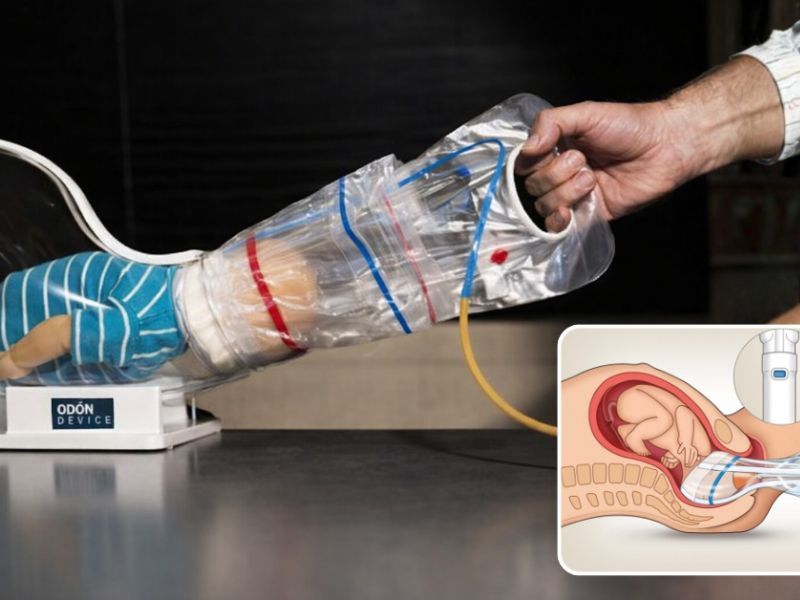
    An idea developed outside labs and academia has become a standout innovation in modern obstetrics. The Odón Device originated from Argentinian mechanic Jorge Odón, who noticed a similarity between a household trick—removing a cork from a bottle with a plastic bag—and a complex childbirth challenge.
    Image Credits:regisandrade

    An idea developed outside labs and academia has become a standout innovation in modern obstetrics. The Odón Device originated from Argentinian mechanic Jorge Odón, who noticed a similarity between a household trick—removing a cork from a bottle with a plastic bag—and a complex childbirth challenge.

    From Home Experiments to Medical Recognition

    Without medical training, Odón began testing his idea at home using simple objects to simulate childbirth. His goal was to gently enclose the baby’s head, allowing safe, controlled traction. The concept eventually drew attention from medical professionals as a potentially safer alternative to traditional delivery instruments.

    Image Credits:regisandrade

    The Odón Device is a flexible, durable plastic sleeve with an inflatable chamber that surrounds the baby’s head during delivery. When inflated, it conforms evenly to the head, allowing gentle, gradual traction that spreads force across the surface. This reduces the risk of injuries such as scalp trauma, fractures, bleeding, and neurological damage, unlike forceps or vacuum extractors, which concentrate pressure on specific points.

    Trials in Argentina and South Africa found the device safe for assisted deliveries with few complications, drawing global attention and WHO support as a tool to improve obstetric safety.

    Saving Lives Where Resources Are Scarce

    The innovation is particularly valuable in low-resource regions, where access to cesarean sections, specialized equipment, or expert teams is limited. A low-cost, portable device could cut maternal and neonatal deaths, which currently affect millions annually.

    Beyond its practical benefits, the Odón Device represents a shift in healthcare innovation. It proves that life-saving solutions can emerge from simple observation and creativity rather than expensive technology, offering safer, more equitable childbirth care globally.


    Read the original article on: Regisandrade

    Read more:AI Wearable Helps Stroke Survivors Speak Again

  • A Biologically Inspired AI System is Created by Scientists

    A Biologically Inspired AI System is Created by Scientists

    Australian scientists have developed a research platform called PROTEUS (PROTein Evolution Using Selection) that uses biological artificial intelligence to design and evolve molecules with new or enhanced functions directly within mammalian cells. According to the team, this technology represents a powerful new tool for creating more precise research instruments and gene therapies.
    Image Credits:greensavers.sapo

    Australian scientists have developed a research platform called PROTEUS (PROTein Evolution Using Selection) that uses biological artificial intelligence to design and evolve molecules with new or enhanced functions directly within mammalian cells. According to the team, this technology represents a powerful new tool for creating more precise research instruments and gene therapies.

    PROTEUS employs directed evolution, a lab technique that accelerates the natural process of evolution. While traditional evolution can take years or decades, PROTEUS can generate molecules with novel functions in just weeks. This approach has the potential to advance drug discovery and improve gene-editing technologies like CRISPR.

    Creating Molecules Tailored for the Human Body

    This system allows us to create molecules finely tuned to work in the human body and develop drugs that would be extremely difficult or impossible to make with current methods,” said Professor Greg Neely, senior co-author and Director of the Functional Genomics Laboratory at the University of Sydney. He highlighted that, unlike conventional directed evolution, which primarily works in bacteria, PROTEUS operates in mammalian cells.

    PROTEUS can tackle problems with unknown solutions, similar to how AI platforms respond to user input. For instance, it can explore millions of potential molecular sequences to find ones capable of effectively disabling a gene linked to disease. This dramatically shortens the time needed to identify effective solutions.

    PROTEUS Advances Protein Engineering and Cancer Research

    The team has already used PROTEUS to create improved proteins that respond more easily to drugs, as well as nanobodies that detect DNA damage—a key factor in cancer development. The system, however, is versatile and can enhance the function of a wide range of proteins and molecules.

    The study was published in Nature Communications.

    The original creation of directed evolution in bacteria was honored with the 2018 Nobel Prize in Chemistry.

    The development of directed evolution transformed biochemistry. Now, with PROTEUS, we can introduce a genetic problem into a mammalian cell—even one we don’t fully understand—and let the system work continuously, allowing us to observe how it tackles the challenge,” says lead researcher Christopher Denes from the Charles Perkins Centre and School of Life and Environmental Sciences.

    Ensuring Stability Through Multiple Evolution Cycles

    A major hurdle for Denes and his team was ensuring that mammalian cells could endure multiple cycles of evolution and mutation while remaining stable, without the system “cheating” by producing an easy but irrelevant solution.

    They found the solution in chimeric virus-like particles, which combine the outer shell of one virus with the genetic material of another. This design prevented cheating and allowed the system to explore many possible solutions simultaneously. The best solutions became dominant, while ineffective ones were eliminated.

    PROTEUS is robust, stable, and independently validated. We encourage other labs to adopt this approach. Its use could accelerate the creation of new enzymes, molecular tools, and therapeutics,” says Denes.

    Our aim is to enhance gene-editing technologies and refine mRNA-based drugs for greater precision and potency,” adds Professor Greg Neely.


    Read the original article on:greensavers.sapo

    Read more:Nipah Virus Deaths in India Put Asia on Alert