Category: Physics

  • New Time Crystal’s Lifespan Extends by 10 million Times

    New Time Crystal’s Lifespan Extends by 10 million Times

    Time crystals, an enigmatic form of matter boasting seemingly impossible attributes, have been successfully synthesized. German researchers have achieved a significant advancement, producing one that endures 10 million times longer than those in previous experiments.
    Scientists have created time crystals that last millions of times longer than previous versions
    Depositphotos

    Time crystals, an enigmatic form of matter boasting seemingly impossible attributes, have been successfully synthesized. German researchers have achieved a significant advancement, producing one that endures 10 million times longer than those in previous experiments.

    To infuse an ordinary item with a science fiction aura, we could refer to commonplace crystals as “space crystals.” These objects, whether found in jewelry or in a salt shaker, owe their form to atoms arranging themselves in a spatially repeating pattern.

    To infuse an ordinary item with a science fiction aura, we could refer to commonplace crystals as “space crystals.” These objects, whether found in jewelry or in a salt shaker, owe their form to atoms arranging themselves in a spatially repeating pattern.

    Temporal Crystals

    However, considering that space and time are often conceptualized as interconnected components of the same “ ,” the question arises: could there exist crystals with patterns repeating in time? This idea was proposed by Frank Wilczek, a Nobel Prize laureate and physicist at MIT, in 2012.

    Understanding how such a concept could function presents challenges, but a common analogy is to envision a bowl of Jell-O and contemplate its response to being tapped with a spoon. Ordinarily, one would anticipate the Jell-O to wobble for a brief duration before settling. However, if this Jell-O were akin to a time crystal, it might exhibit a delayed wobble, cease momentarily, then wobble again, repeating this cycle indefinitely without requiring further stimulation from additional taps.

    Unraveling the Mystery of Time Crystals

    While the notion of time crystals may initially evoke comparisons to perpetual motion machines, they do not violate any laws of thermodynamics, and the overall entropy within the system remains constant. For some years, scientists debated the feasibility of their existence until a breakthrough occurred in 2017 when a research team successfully synthesized time crystals in laboratory conditions. Subsequent investigations uncovered these structures in children’s crystal-growing kits, quantum computer processors, and even observed their interactions with each other.

    However, these instances only showcased certain aspects of time crystal behavior, rather than fully capturing their essence. Analogous to tapping the Jell-O once per second and witnessing it wobble every two seconds, they exhibited some out-of-sync behavior. A genuine time crystal would spontaneously initiate its oscillations and continue them indefinitely in a periodic manner. Such a phenomenon was first demonstrated in 2022, albeit lasting only a few milliseconds.

    This flame-like pattern is actually a chart illustrating the experimental measurements of the time crystal’s oscillations, showing a clear pattern
    Dortmund University

    Pioneering Time Crystal Development

    Researchers at Dortmund University in Germany have developed a time crystal with a significantly prolonged lifespan, lasting 10 million times longer than previous iterations. Constructed from indium gallium arsenide, the crystal undergoes continuous illumination until its nuclear spin polarizes. Over time, the nucleus spontaneously initiates oscillations in a predictable pattern, resembling the behavior of a time crystal. In their experiments, the scientists observed this phenomenon persisting for 40 minutes, with potential for even longer durations.

    The team notes that altering experimental conditions can modify the crystal’s cycle timeframe and induce it to “melt,” losing its pattern and exhibiting chaotic behavior. This capability could usher in a new frontier of exploration in the field.


    Read the original article on: New atlas

    Read more: Shattering the Temperature Barrier: The Quantum Leap of Quantum Ground State Acoustics in Modern Physics

  • A New Variant of Magnetism Promises More Powerful Memory Devices

    A New Variant of Magnetism Promises More Powerful Memory Devices

    Credit: Unsplash.

    New research has unveiled two or three types of magnetism, introducing the possibility of a highly sought-after magnetic property. While early compass users may have perceived magnets as mystical, the scientific understanding of magnetism has evolved. In addition to ferromagnetism and antiferromagnetism, a third type, altermagnetism, has been identified, challenging previous descriptions of magnetic behavior.

    Understanding Magnetism’s Complexity

    Magnetism arises from the spins of electrons rather than large-scale electric currents or changing fields. Electron spins, unlike planetary rotations, exhibit subatomic behaviors that contribute to magnetic moments.

    Although individual electron spins typically align randomly, in some instances, they synchronize to produce a significant magnetic field, as seen in ferromagnetic materials like iron.

    Antiferromagnetism and the Discovery of Altermagnetism

    Antiferromagnets, discovered in 1933, feature atoms with magnetic spins opposite their neighbors. However, their behavior is only apparent in an external magnetic field, leading to unique conductivity changes with potential applications.

    Altermagnets, a recent discovery, initially appear similar to antiferromagnets, with internal spins opposing neighboring spins. Yet, their rotational symmetry results in spin polarization, creating alternating bands. This characteristic bridges the properties of ferromagnets and antiferromagnets, promising enhanced magnetic memory recorders, particularly in spintronics.

    Applications in Spintronics and Beyond

    Spintronics, which utilizes electron spin states for information transfer, has long been researched with ferromagnets. However, their bulk magnetism poses scalability challenges. Antiferromagnets circumvent this issue but lack specific desired spin-dependent effects. Altermagnets offer a potential solution that balances the two traditional magnet types.

    Comparing ferromagnetism, antiferromagnetism, and altermagnetism, their respective natures were elucidated at different points in time. While ferromagnetism was understood earlier, antiferromagnetism and altermagnetism came into focus later. Although abstract, the distinction between translational and rotational symmetry is pivotal, particularly in delineating the disparities between antiferromagnetism and altermagnetism. Credit: Libor Šmejkal.

    Confirmation and Future Implications

    Recent research has confirmed the existence of altermagnetism in diverse materials, challenging prior notions and opening new avenues for exploration. Beyond magnetism, altermagnetism may shed light on superconductivity, offering fundamental insights with broad scientific implications.

    In conclusion, the discovery of altermagnetism highlights the complexity of magnetic phenomena and promises significant advancements in various fields, from electronics to materials science.


    Read the original article on Nature.

    Read more: Shattering the Temperature Barrier: The Quantum Leap of Quantum Ground State Acoustics in Modern Physics.

  • Shattering the Temperature Barrier: The Quantum Leap of Quantum Ground State Acoustics in Modern Physics

    Shattering the Temperature Barrier: The Quantum Leap of Quantum Ground State Acoustics in Modern Physics

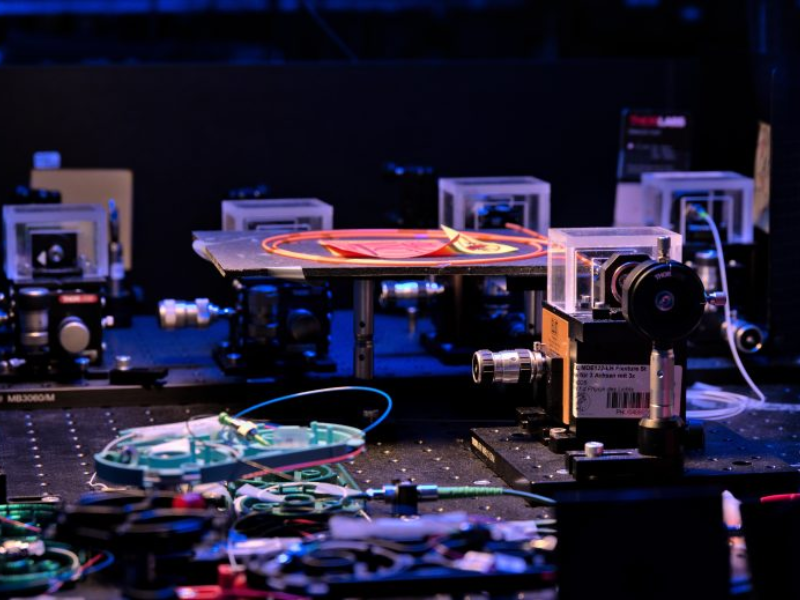
    Laboratory Experimental Configuration. Credit: SAOT Max Gmelch

    The quantum ground state of an acoustic wave, achieved through complete system cooling, presents a significant advancement in bridging classical and quantum mechanics. By minimizing the number of acoustic phonons, disturbances to quantum measurements are reduced, paving the way for transformative applications.

    Breakthrough in Cooling Sound Waves

    Recent research by the Stiller Research Group, published in Physical Review Letters, marks a significant milestone in cooling sound waves within optical fibers.

    Leveraging laser cooling techniques, the team achieved a temperature reduction of 219 K, a remarkable advancement over previous reports. Ultimately, the initial phonon number was slashed by 75%, reaching temperatures as low as 74 K (-194 Celsius).


    In the laboratory: Birgit Stiller’s research group, including Birgit Stiller, Laura Blázquez Martínez, Andreas Geilen, Changlong Zhu, Philipp Wiedemann (from left to right). Image Credit: MPL, Florian Ritter

    Quantum Mechanics Perspective

    The utilization of glass fibers offers unique advantages, including efficient light and sound conduction over long distances. Unlike microscopic platforms, the experiment conducted on a 50 cm optical fiber demonstrates the cooling of sound waves over extended distances, unlocking possibilities for broadband applications in quantum technology.

    In the realm of quantum mechanics, sound transcends its classical understanding and manifests as particles known as phonons. Minimizing the number of phonons, particularly in the quantum ground state, facilitates the observation and study of sound quanta, leading to deeper insights into the fundamental nature of matter.

    Future Directions

    The successful cooling of optical fiber sound waves not only expands our understanding of quantum behavior but also holds promise for various applications, including high-speed communication systems and advancements in quantum technologies.

    As researchers delve deeper into the quantum nature of extended objects, the potential for groundbreaking discoveries and practical implementations continues to grow.


    Read the complete article on APS.

    Read more: Fluid-Like Electricity Flow: Low Quantum Noise in Strange Metal.

  • Scientists Examine the Wave-Particle Duality of Two Photons

    Scientists Examine the Wave-Particle Duality of Two Photons

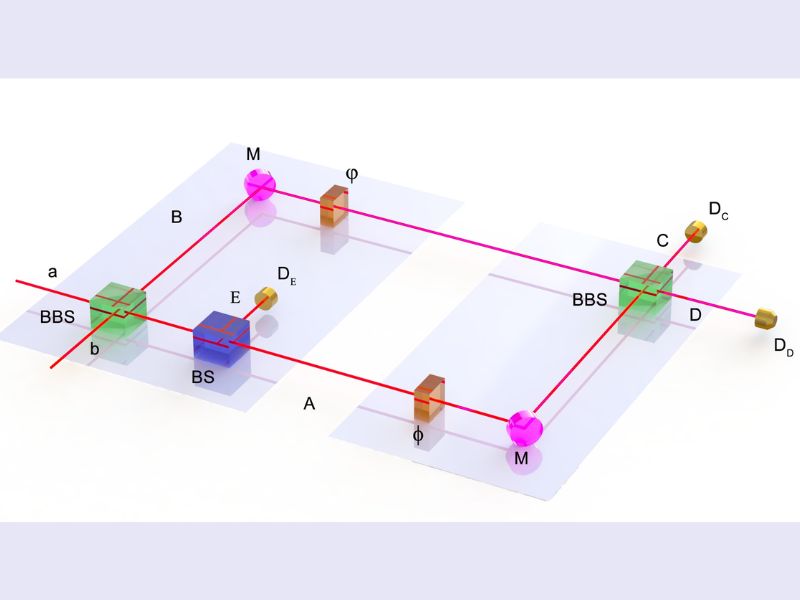
    Fig. 1. Schematic of our experimental setup using the MZI for observations of WPS of photons
    Fig. 1. Schematic of our experimental setup using the MZI for observations of WPS of photons. Credit: Zhong-Xiao Man

    Researchers detected the wave-particle duality in two photons. Unraveling the quantum world hinges on comprehending the behaviors of quantum objects, manifesting as a dual nature—both wave and particle—depending on the potential for interference. This phenomenon, known as wave-particle duality (WPD), is typically observed in mutually exclusive experimental setups, aligning with Bohr’s complementarity principle.

    In the 1980s, theoretical physicist John Wheeler introduced the delayed-choice experiment, highlighting that the observation methods applied to photons determine whether they exhibit particle-like or wave-like behavior.

    Ionicioiu and Terno, in 2011, suggested a quantum adaptation of the delayed-choice experiment. This approach allows photons to be coerced into a superposed state of particle and wave characteristics, showcasing a continuous transition between these two aspects as the controlling parameter of the ancilla changes.

    Exploring Dual Behaviors of Photons

    In a recent publication in Physical Review A, we formulated a theory and conducted experiments exploring the dual behaviors of single and paired photons, manifesting as both waves and particles. Our investigation utilized the experimental setup outlined in Fig. 1 and further elaborated in detail in Fig. 2.

    Utilizing our devised configuration, researchers observed the wave-particle duality in two photons. The setup allowed us to witness exclusive wave-like, particle-like, or wave-particle superposition behaviors in one or two photons. This control was achieved by adjusting a single classical parameter, α, directly linked to the reflectivity of the beam splitter incorporated into the Mach-Zehnder interferometer.

    Findings from Dual-Photon Wave-Particle Superposition

    Our investigation revealed that the wavelengths of both single and paired photons in wave-particle superposition states remain consistent with those in pure wave states. Interestingly, the interference visibility in the two-photon scenario consistently falls below that observed in the one-photon case. Notably, all experimental results align seamlessly with theoretical predictions, affirming the validity of the proposed setup.

    In our delayed-choice experiment scheme, we employ a device-independent prepare-and-measure scenario, testing a hidden-variable model with purely classical control. By calculating dimension witnesses, we uncovered the violation of the linear dimension witness within certain parameter ranges, highlighting the impracticality of hidden-variable models. While our focus was on photons in this study, similar outcomes would extend to matter particles.


    Read the original article on: Phys.Org

    Also read: James Webb Telescope Discovers Water Vapor, Sulfur Dioxide, and Sand Clouds on Nearby Exoplanet

  • Extracting Uranium from Seawater for Nuclear Fuel

    Extracting Uranium from Seawater for Nuclear Fuel

    Oceans, covering a substantial portion of Earth’s surface and hosting a diverse range of life, also contain a dispersed population of uranium ions. Extracting these ions from seawater could provide a sustainable fuel source for nuclear power generation.

    Scientists, as reported in ACS Central Science, have developed a material for electrochemical extraction that efficiently attracts elusive uranium ions from seawater, outperforming existing methods. Nuclear power reactors harness the energy stored within atoms through fission, breaking apart uranium atoms due to their inherent instability and radioactivity.

    Uranium

    Currently, uranium is primarily extracted from rocks, but the availability of uranium ore deposits is limited. The Nuclear Energy Agency estimates that the oceans contain over 4.5 billion tons of uranium in dissolved uranyl ions, surpassing the land reserves by over 1,000 times.

    However, extracting these ions presents challenges due to the insufficient surface area of existing materials for effective ion trapping. In response, Rui Zhao, Guangshan Zhu, and their team aimed to create an electrode material with a highly porous structure suitable for electrochemically capturing uranium ions from seawater.

    The researchers initiated the process with a flexible cloth crafted from carbon fibers to produce the electrodes. The cloth underwent coating with two specialized monomers, followed by polymerization. Subsequently, the cloth was treated with hydroxylamine hydrochloride to introduce amidoxime groups to the polymers.

    The inherent porous structure of the cloth resulted in numerous small pockets where amidoxime could settle, facilitating the effective trapping of uranyl ions. In experimental setups, the team deployed the coated cloth as a cathode in seawater, whether naturally sourced or enriched with uranium, added a graphite anode, and ran a cyclic current between the electrodes.

    Extracting uranium from seawater for nuclear fuel: Tests using seawater from the Bohai Sea

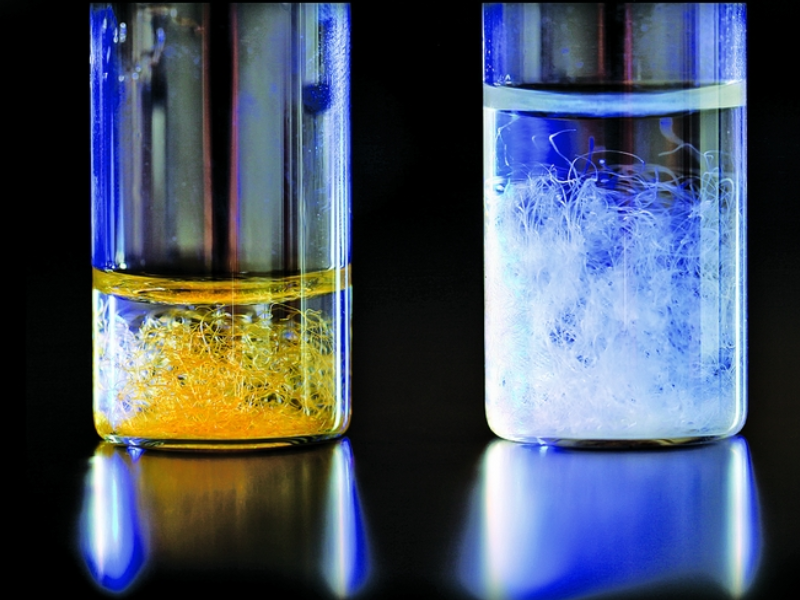
    Over time, the cathode cloth accumulated bright yellow, uranium-based precipitates. In tests using seawater from the Bohai Sea, the electrodes extracted 12.6 milligrams of uranium per gram of water over 24 days. The capacity of the coated material surpassed that of most other uranium-extracting materials tested by the team.

    Moreover, employing electrochemistry to trap the ions proved to be approximately three times faster than allowing them to accumulate naturally on the cloths. The researchers assert that this study presents an efficient approach to extracting uranium from seawater, potentially establishing oceans as new nuclear fuel sources.

    Therefore, the authors express gratitude for the funding received from various sources, including the National Key R&D Program of China, the National Natural Science Foundation of China, the Project of Education Department of Jilin Province, the Natural Science Foundation of the Department of Science and Technology of Jilin Province, the Fundamental Research Funds for the Central Universities, and the “111” project.


    Read the original article on ScienceDaily.

    Read more: KSTAR’s Latest Upgrade: Potential Breakthrough in Nuclear Fusion.

  • Researchers Link Quantum Entanglement and Topology

    Researchers Link Quantum Entanglement and Topology

    Researchers link quantum entanglement and topology
    Credit: Tech Explorist

    For the first time, researchers from the Structured Light Laboratory (School of Physics) at the University of the Witwatersrand in South Africa, led by Professor Andrew Forbes, collaborated with string theorist Robert de Mello Koch from Huzhou University in China (formerly from Wits University). They demonstrated the remarkable feat of perturbing pairs of quantum entangled particles, separated in space yet connected, without changing their shared characteristics.

    Researchers link quantum entanglement and topology: the connection between the photons

    Lead author Pedro Ornelas, an MSc student in the structured light laboratory, explains, “We reached this experimental breakthrough by entangling two identical photons and adjusting their shared wave-function. This adjustment revealed their structure or topology only when considering the photons as a unified unit.”

    The connection between the photons, established through quantum entanglement known as ‘spooky action at a distance’, allows particles to influence each other’s measurements despite being far apart.

    Published in Nature Photonics on January 8, 2024, the research explores topology’s role in preserving properties. It’s akin to reshaping a coffee mug into a doughnut; despite changes, a consistent topological feature, like a hole, remains unchanged.

    Forbes explains, “Our photon entanglement is like clay in a potter’s hands—it’s malleable, yet some features persist.”

    Skyrmion topology, initially studied by Tony Skyrme in the 1980s, represents field configurations displaying particle-like traits. In this context, topology refers to a property of the fields, akin to fabric texture, remaining constant regardless of direction.

    Modern materials

    These concepts are observed in modern materials and even optical analogs using laser beams. In condensed matter physics, skyrmions are recognized for stability, impacting data storage advancements.

    “We hope our quantum-entangled skyrmions lead to transformative advances,” says Forbes. The research challenges the notion of skyrmions as localized entities, suggesting their topology is nonlocal and shared among separated entities.

    The researchers utilize topology as a framework to classify entangled states, expanding this groundbreaking concept.

    Dr. Isaac Nape, a co-investigator, envisions, “This fresh perspective can act as a labeling system for entangled states, resembling an alphabet!”

    Nape further elucidates, “Similar to how we differentiate objects like spheres, doughnuts, and handcuffs based on their number of holes, our quantum skyrmions possess distinct characteristics determined by their topology.”

    The team anticipates this could become a potent tool, introducing new quantum communication protocols using topology as an alphabet for processing quantum information through entanglement-based channels.

    These findings are crucial as researchers have long struggled to preserve entangled states. The enduring topology, even as entanglement weakens, hints at a potential new encoding mechanism. This mechanism could leverage entanglement, particularly in scenarios where traditional encoding methods falter due to minimal entanglement.

    “So, we’re focusing our research on defining these protocols and broadening the scope of topological nonlocal quantum states,” says Forbes.


    Read the original article on sciencedaily.

    Read more: The Magnus Effect from Sport to Microscopy.

  • Scientists Discovered a Way to Make Coffee Taste Better

    Scientists Discovered a Way to Make Coffee Taste Better

    Stop adding salt: According to a new study, adding a bit of water to coffee beans before milling them may be the key to a better-tasting cup of caffeinated pleasure.
    Credit: Pixabay

    Stop adding salt: According to a new study, adding a bit of water to coffee beans before milling them may be the key to a better-tasting cup of caffeinated pleasure.

    The idea is to reduce the static electricity produced by grinding all the coffee beans, which would otherwise cause them to stick together and jam up the grinder, resulting in a lot of mess and waste. 

    Coffee connoisseurs have long spritzed their beans to hydrate them before grinding. Scientists have established what causes sparks to fly in crushed coffee beans and demonstrated how aspiring baristas can eliminate static electricity to reliably produce a tastier cup of espresso if that’s what you like.

    Moisture, whether it’s residual moisture inside the roasted coffee or external moisture added during grinding, dictates the amount of charge formed during grinding,” explains Christopher Hendon, a materials chemist at the University of Oregon.

    Hendon, who previously demonstrated how freezing coffee beans fosters flavor, worked with former University of Oregon volcanologist Joshua Méndez Harper (now at Portland State University) to study what kinds of coffee cluster together and why and how this affects brewing.

    Harper, Hendon, and their colleagues tested a variety of commercially purchased and lab-roasted coffee beans that differed in origin, roasting time, and moisture content. After grinding, they assessed static electricity in each sample, the grain size of freshly ground coffee, and the finalized brew flavor.

    Grinding all the coffee beans causes much friction as small pieces rub against each other and fracture. This produces static electricity, a detachment of charged particles, in the same way that dust particles in volcanic plumes scrape together and discharge, resulting in lightning.

    Electrostatic Brewing

    By twice-grinding coffee beans, the researchers discovered that most static electricity in ground coffee is caused by fracturing beans rather than friction between them.

    Regarding the kinds of beans that tend to stick together after being ground, the team’s experiments revealed that drier, darker roasts generated higher levels of electrostatic charges than lighter roasts. These charges had a comparable charge-to-mass ratio as particles found in volcanic plumes and thunderclouds. The researchers propose that the brittleness of darker roasts, rather than the moisture retention seen in lightly roasted beans, may be responsible for this phenomenon.

    Strategic Water Addition

    Harper and colleagues discovered that including a small amount of extra water while grinding beans led to a longer extraction time for espresso and a consistently potent brew. This occurred because the moisture from the water seeped into the coffee grounds, extracting more flavor from the less compacted beans.

    Hendon, in an interview with New Scientist, suggests incorporating approximately 20 microliters of water for every gram of coffee, totaling around 0.5 milliliters for an average espresso shot. This addition aims to enhance the coffee’s texture and taste.

    Although additional experiments are necessary to evaluate various grinder and brewing techniques, the researchers assert that “a small amount of water sprays have effectively resolved issues like clumping, channeling, and subpar extraction while helping to achieve the most flavorful espresso.”

    They additionally anticipate that their teamwork, driven by coffee, will offer fresh discoveries in the realm of earth science. Harper, the study’s leader and a volcanologist, mentions, “We have much to learn about the mechanics of coffee breaks, how it moves as particles, and its interaction with water.” These inquiries could provide insights into related concerns in geophysics, such as landslides, volcanic eruptions, or water movement through soil. 


    Read the original article on: Science Alert

    Also read: Used Coffee Grounds Enhance the Strength of Concrete by 30%

  • KSTAR’s Latest Upgrade: Potential Breakthrough in Nuclear Fusion

    KSTAR’s Latest Upgrade: Potential Breakthrough in Nuclear Fusion

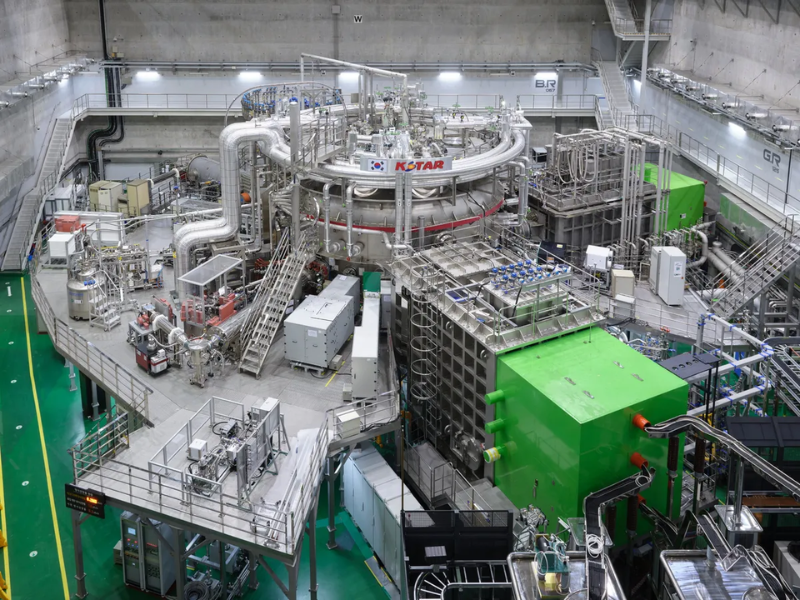
    A Stellar Achievement: Unveiling the Magnificence of the KSTAR (Korea Superconducting Tokamak Advanced Research) Device. Credit: Korea Institute of Fusion Energy (KFE)

    The Korea Superconducting Tokamak Advanced Research (KSTAR), situated in Daejeon, South Korea, continues to push the boundaries of nuclear fusion research. Recently, significant upgrades have been introduced to enhance its capabilities, enabling the generation of high-temperature plasma exceeding 100 million degrees Celsius for extended durations.

    The KSTAR Tokamak: Harnessing the Power of Nuclear Fusion

    KSTAR utilizes a tokamak, a specialized doughnut-shaped reactor, to create and control plasma—a hot, charged gas composed of positive ions and free-moving electrons. Its primary objective is to replicate the extreme conditions necessary for sustained nuclear fusion, which fuels the Sun and other celestial bodies.

    Since achieving 100 million degrees Celsius in 2018 for 1.5 seconds, KSTAR has consistently pushed the limits. The duration increased to 8 seconds in 2019, 20 seconds in 2020, and a remarkable 30 seconds in 2022. Recent upgrades involve:

    • Replacing the carbon diverter with tungsten.
    • A high-melting-point material.
    • Aiming to sustain the mind-boggling temperature for even more extended periods.

    Future Goals: Towards Extended Plasma Sustainability

    Experiments with the new tungsten diverter are scheduled until February 2024. The research team aims to achieve a groundbreaking 300-second duration by the end of 2026, showcasing the continuous pursuit of mastering nuclear fusion technology.

    Nuclear fusion, combining two light atomic nuclei to form a heavier nucleus, releases immense energy. This process, occurring at the heart of the Sun, could offer a nearly unlimited source of electricity if harnessed successfully on Earth.

    Challenges and Global Efforts

    Creating the conditions for sustained nuclear fusion involves overcoming significant challenges. The plasma on Earth requires extremely high temperatures and strong magnetic fields to achieve fusion, a feat currently pursued by scientists worldwide.

    The International Thermonuclear Experimental Reactor (ITER) in France, the world’s largest fusion experiment, is another crucial initiative to advance our understanding of nuclear fusion.

    Collaborative Endeavors: KSTAR and ITER

    The recent upgrades at KSTAR, particularly implementing a tungsten divertor, align with ITER’s choices and objectives. Dr. Suk Jae Yoo, President of the Korea Institute of Fusion Energy, emphasizes KSTAR’s commitment to contributing valuable data for ITER through ongoing experiments.

    In conclusion, South Korea’s KSTAR continues to play a pivotal role in advancing nuclear fusion research, bringing us closer to harnessing the extraordinary potential of this clean and virtually limitless energy source.


    Read the original article on IFL Science.

    Read more: Japan Unveils the World’s Largest Operational Nuclear Fusion Reactor.

  • Capturing Light’s Velocity: YouTubers Film at 10 Trillion Frames Per Second

    Capturing Light’s Velocity: YouTubers Film at 10 Trillion Frames Per Second

    They aimed to capture footage of the swiftest phenomenon known to humanity. Credit: Shutterstock.

    If you’re an avid Internet user, chances are you’re familiar with the Slow Mo Guys, the YouTube sensation dedicated to capturing a wide array of intriguing moments in slow motion. From bullets colliding mid-air to Will Smith wielding a formidable flamethrower, their content spans a decade of awe-inspiring slow-motion footage.

    In their latest venture, the team set out to film “the fastest thing we as the human race know of” – light, which travels at the cosmic speed limit of 300,000 kilometers per second (186,000 miles per second). They turned to specialized equipment found at CalTech to accomplish this ambitious task.

    The video host highlights their past achievements, filming at impressive frame rates, reaching up to half a million frames per second. However, at CalTech, they encountered a camera that outpaced theirs significantly, boasting a staggering 10 trillion frames per second – a mind-blowing 20 million times faster than their previous best.

    With this extraordinary frame rate, assisted by postdoctoral scholar Peng Wang from the Compressed Ultrafast Photography department, the team aimed to capture the speed of light visually. In 2,000 picoseconds of footage, they anticipated witnessing light traverse the length of a bottle.

    It’s crucial to note that the camera exclusively detects light, and the bottle image is superimposed afterward. The result is nothing short of spectacular: the Slow Mo Guys successfully captured the mesmerizing movement of light at an astonishing 10 trillion frames per second.


    Read the original article on IFL Science.

    Raed more: A Shift from Glory to Scrutiny: The Evolution of Coconut Oil’s Reputation.

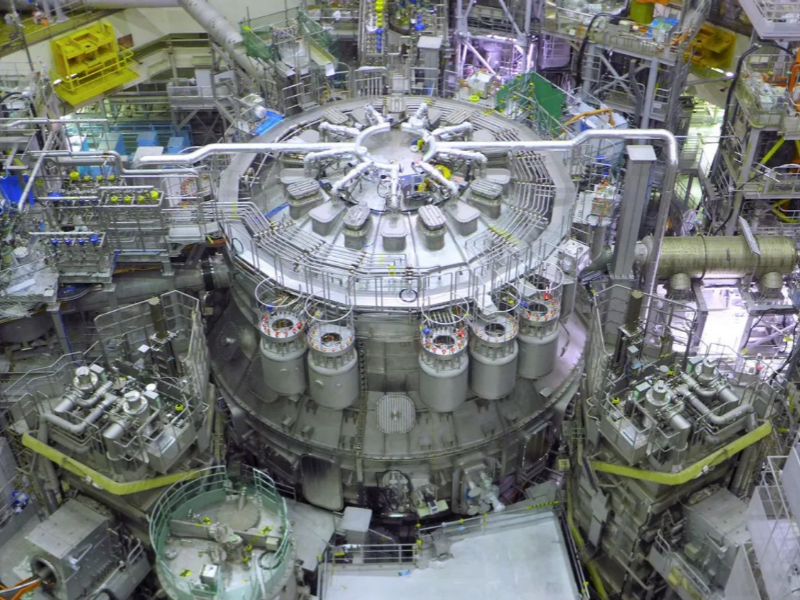
  • Japan Unveils the World’s Largest Operational Nuclear Fusion Reactor

    Japan Unveils the World’s Largest Operational Nuclear Fusion Reactor

    Japan marked a significant milestone on December 1 with the inauguration of JT-60SA, currently the world’s largest operational superconducting tokamak. Shaped like a donut, a tokamak is a nuclear fusion reactor, and this new facility, developed in collaboration with the European Union (EU), serves as a precursor to the under-construction International Thermonuclear Experimental Reactor (ITER) in France, set to open in the coming years.

    Pursuing the Energy Output Challenge

    The primary objective of JT-60SA and similar nuclear fusion reactors is to demonstrate a net energy output surpassing the energy input.

    Nuclear fusion, mimicking the process that powers stars, holds the potential to generate a substantial amount of clean and carbon-free Energy. However, achieving the necessary conditions for fusion involves a delicate trade-off, requiring significant energy investment.

    Tokamak Technology: A High-Temperature Endeavor

    In contrast to other fusion approaches like inertial confinement fusion, which showed net gain last year but remains commercially unviable, the tokamak heats plasma within a powerful magnetic field to temperatures up to 200 million degrees Celsius (360 million degrees Fahrenheit).

    The process involves currents reaching 1 million amps, far surpassing a typical household circuit’s 15 to 20 amps.

    Scaling Up for Greater Energy Extraction

    Researchers anticipate that scaling up tokamak technology, as demonstrated by projects like ITER, will lead to increased energy extraction. ITER, designed to achieve burning plasma and complete fusion by 2035, involves collaboration among 35 countries, including the EU, Switzerland, the United Kingdom, India, Japan, Russia, China, and the United States.

    The JT-60SA, having showcased its first plasma circulation with lower currents in October, is poised to inform future reactor approaches.

    Key Role in the International Fusion Roadmap

    Marc Lachaise, director of Fusion for Energy, emphasized the significance of JT-60SA in the international fusion roadmap during the inauguration. He highlighted the facility’s unique contribution to learning and operating fusion devices, with the knowledge gained being pivotal for the ITER project.

    Fusion for Energy is responsible for the EU’s contribution to ITER, which is expected to witness its first fusion plasma in 2025 as it takes shape in the south of France.


    Read the original article on IFL Science.

    Read more: Fusion Technology Is Reaching a Turning Point that Could Change the Energy Game.