Medicine

Design Sem Nome 2025 11 05T095046.660

Studies Show Husbands Stress Women more than Children

Raising a child is anything but easy, particularly during the early years when parents encounter ongoing challenges. However, a survey by the American website Today.com found that for many women, their husbands—not their children—are the primary source of stress. Among the 7,000 mothers surveyed, the average stress level was 8.5 out of 10. Notably, 46% […]

Studies Show Husbands Stress Women more than Children Read More »

JP 5

Scientists Have Grown Human Skin in The Lab and may be Close to Stopping Aging

This advancement could pave the way for techniques to reduce visible aging and produce synthetic skin for transplantation. It is tied to the ambitious Human Cell Atlas initiative, which aims to map the formation of every part of the human body. Spearheaded by researchers at the Wellcome Sanger Institute in the UK, the project explores

Scientists Have Grown Human Skin in The Lab and may be Close to Stopping Aging Read More »

Design Sem Nome 2025 09 24T091505.906

Biodegradable Plastic Stronger than PET Developed

PDCA, a biodegradable alternative to PET, boasts superior physical properties. Researchers at Kobe University engineered E. coli bacteria to produce PDCA from glucose at unprecedented levels without generating byproducts, opening new avenues in bioengineering. While the durability of plastics has driven their widespread use, it also contributes to environmental problems. Most plastics are petroleum-based, making

Biodegradable Plastic Stronger than PET Developed Read More »

Design Sem Nome 2025 09 10T132348.160

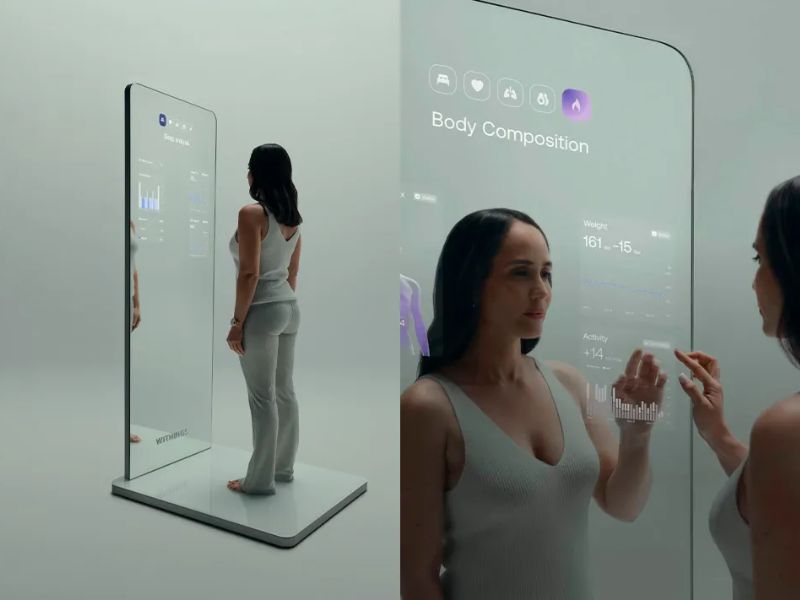
Omnia, The Intelligent Mirror Designed for Health Monitoring

The Omnia is a smart mirror concept that leverages advanced technology and AI to continuously and seamlessly track users’ health, transforming a common household object into a practical health tool. The French company Withings developed Omnia to monitor key health indicators such as heart health, body composition, lung function, nutrition, physical activity, and sleep quality.

Omnia, The Intelligent Mirror Designed for Health Monitoring Read More »

Design Sem Nome 2025 09 10T115109.107

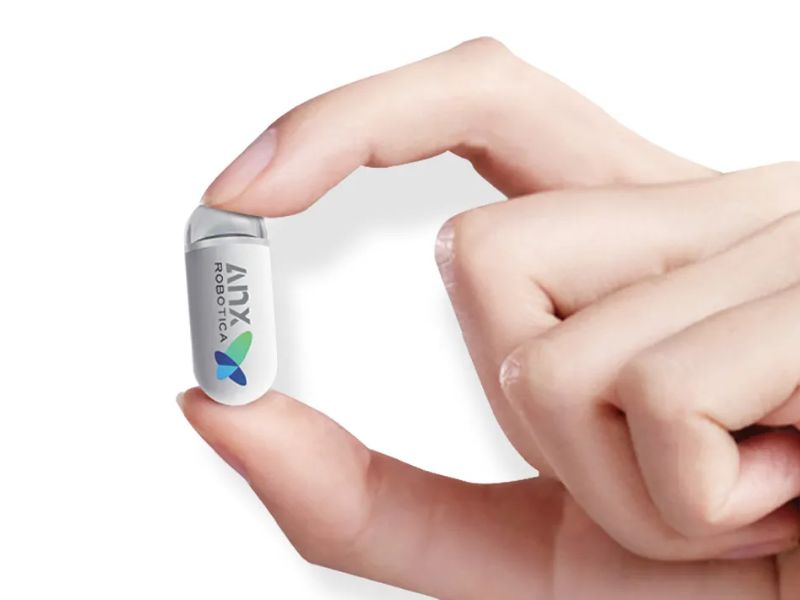
A High-Tech Capsule for Stomach Diagnostics

The NaviCam, developed by the U.S.-based company AnXRobotica, is a pill-sized endoscopic capsule designed to examine the stomach and intestines without the need for sedation. Guided magnetically by an external operator and enhanced with artificial intelligence, it moves through the digestive tract while transmitting live video. Inside the capsule are a camera, integrated light source,

A High-Tech Capsule for Stomach Diagnostics Read More »

Design Sem Nome 2025 08 25T104529.766

Researchers Have Discovered a Way to Boost Intelligence

Intelligence is a powerful asset in both life and work—and science has identified several ways to “boost” it, according to Inc.com. When asked about the key factor behind success, most high achievers point to intelligence (though research shows luck also plays a role—Bill Gates being a prime example). Science-Backed Ways to Boost Intelligence Fortunately, there

Researchers Have Discovered a Way to Boost Intelligence Read More »

Design Sem Nome 2025 08 18T171613.418

Tooth Sensitivity Might One Day be Treated Using Tiny Robots Inside your Mouth

Dealing with hypersensitive teeth can be a real nuisance, causing pain when eating or drinking anything hot, cold, sweet, or acidic. Researchers are now developing tiny “robots” that actively seal the microscopic channels in teeth, offering lasting relief from sensitivity. Building on earlier work, CeNSE scientists are developing “CalBots”—400-nanometer magnetic nanoparticles infused with a calcium-silicate

Tooth Sensitivity Might One Day be Treated Using Tiny Robots Inside your Mouth Read More »

Design Sem Nome 54 1

Scientists Develop the First Synthetic Tongue that Mimics Human Taste

A study published on July 7 in PNAS introduced a groundbreaking invention: an “artificial tongue” made from ultrathin graphene oxide membranes that can detect and process tastes directly in liquids, similar to human taste buds. This remarkable technological breakthrough merges sensory detection with learning abilities, marking a first for electronic devices. Graphene Oxide Layers Enable

Scientists Develop the First Synthetic Tongue that Mimics Human Taste Read More »

Scroll to Top